California became the first state in the nation to prohibit four food additives found in popular cereal, soda, candy and drinks after Gov. Gavin Newsom signed a ban on them Saturday.
The California Food Safety Act will ban the manufacture, sale or distribution of brominated vegetable oil, potassium bromate, propylparaben and red dye No. 3 — potentially affecting 12,000 products that use those substances, according to the Environmental Working Group.
The legislation was popularly known as the “Skittles ban” because an earlier version also targeted titanium dioxide, used as a coloring agent in candies including Skittles, Starburst and Sour Patch Kids, according to the Environmental Working Group. But the measure, Assembly Bill 418, was amended in September to remove mention of the substance.
Assemblyman Jesse Gabriel (D-Woodland Hills), who authored AB 418, hailed the move as a “huge step in our effort to protect children and families in California from dangerous and toxic chemicals in our food supply.”
Gabriel said the bill won’t ban any foods or products but will require food companies to make “minor modifications” to their recipes and switch to safer alternative ingredients. The use of the chemicals has already been banned in the European Union’s 27 nations as well as many other countries due to scientific research linking them to cancer, reproductive issues, and behavioral and developmental problems in children, Gabriel said.
Many major brands and manufacturers — including Coke, Pepsi, Gatorade and Panera — have voluntarily stopped using the additives because of concerns about their affect on human health.
Brominated vegetable oil was previously used in Mountain Dew, but Pepsi Co. has since stopped using it in the beverage. It is still used, however, in generic soda brands such as Walmart’s Great Value-branded Mountain Lightning.
Propylparaben and potassium bromate are commonly found in baked goods.
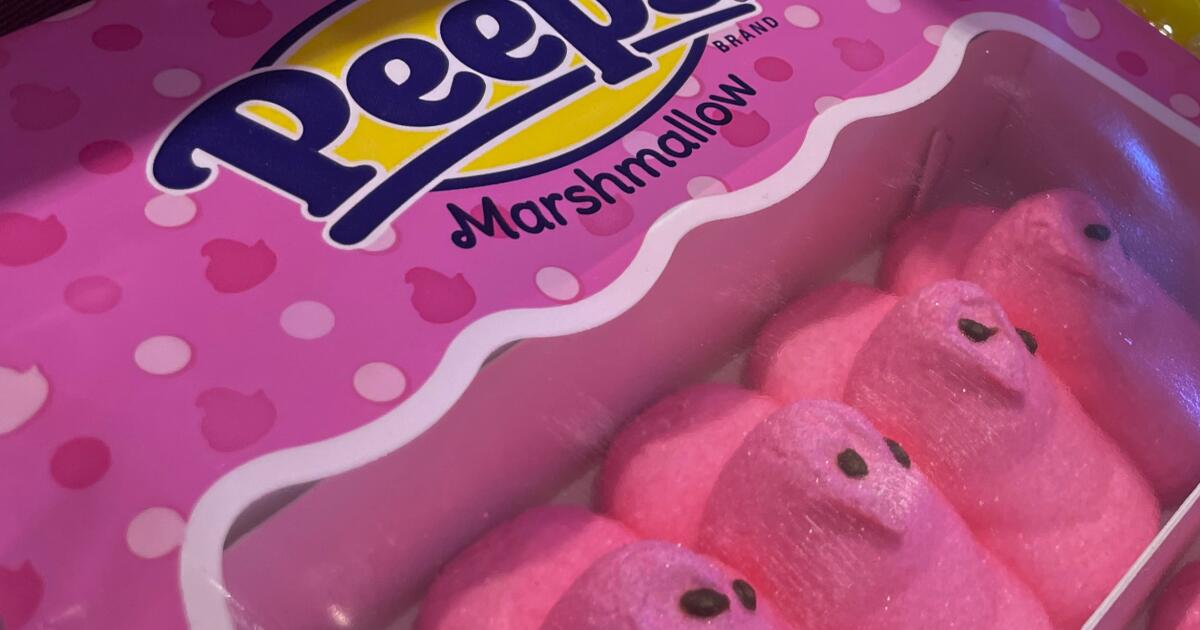
Red dye no. 3 is used by Just Born Quality Confections to color pink and purple marshmallow Peeps candy, according to Consumer Reports.
“What we’re really trying to get them to do is to change their recipes,” Gabriel told The Times in March. “All of these are nonessential ingredients.”
The law will take effect Jan. 1, 2027, and impose fines of up to $10,000 for violations.
“This is a milestone in food safety, and California is once again leading the nation,” said Ken Cook, president of the Environmental Working Group, which co-sponsored the bill along with Consumer Reports.
The law could affect food across the country, Cook said, because the size of California’s economy might prompt manufacturers to produce just one version of their product rather than separate ones for the state and the rest of the nation.
A similar bill, which would ban the same four chemicals plus titanium dioxide, is making its way through committee in the New York Legislature.
The chemicals banned by the new state law haven’t been reviewed by the Food and Drug Administration for 30 to 50 years, if ever, consumer advocates said.
Former Gov. Arnold Schwarzenegger also endorsed the bill as “common sense” in his daily Pump Club Newsletter.

California became the first state in the nation to prohibit four food additives found in popular cereal, soda, candy and drinks after Gov. Gavin Newsom signed a ban on them Saturday.
The California Food Safety Act will ban the manufacture, sale or distribution of brominated vegetable oil, potassium bromate, propylparaben and red dye No. 3 — potentially affecting 12,000 products that use those substances, according to the Environmental Working Group.
The legislation was popularly known as the “Skittles ban” because an earlier version also targeted titanium dioxide, used as a coloring agent in candies including Skittles, Starburst and Sour Patch Kids, according to the Environmental Working Group. But the measure, Assembly Bill 418, was amended in September to remove mention of the substance.
Assemblyman Jesse Gabriel (D-Woodland Hills), who authored AB 418, hailed the move as a “huge step in our effort to protect children and families in California from dangerous and toxic chemicals in our food supply.”
Gabriel said the bill won’t ban any foods or products but will require food companies to make “minor modifications” to their recipes and switch to safer alternative ingredients. The use of the chemicals has already been banned in the European Union’s 27 nations as well as many other countries due to scientific research linking them to cancer, reproductive issues, and behavioral and developmental problems in children, Gabriel said.
Many major brands and manufacturers — including Coke, Pepsi, Gatorade and Panera — have voluntarily stopped using the additives because of concerns about their affect on human health.
Brominated vegetable oil was previously used in Mountain Dew, but Pepsi Co. has since stopped using it in the beverage. It is still used, however, in generic soda brands such as Walmart’s Great Value-branded Mountain Lightning.
Propylparaben and potassium bromate are commonly found in baked goods.
Red dye no. 3 is used by Just Born Quality Confections to color pink and purple marshmallow Peeps candy, according to Consumer Reports.
“What we’re really trying to get them to do is to change their recipes,” Gabriel told The Times in March. “All of these are nonessential ingredients.”
The law will take effect Jan. 1, 2027, and impose fines of up to $10,000 for violations.
“This is a milestone in food safety, and California is once again leading the nation,” said Ken Cook, president of the Environmental Working Group, which co-sponsored the bill along with Consumer Reports.
The law could affect food across the country, Cook said, because the size of California’s economy might prompt manufacturers to produce just one version of their product rather than separate ones for the state and the rest of the nation.
A similar bill, which would ban the same four chemicals plus titanium dioxide, is making its way through committee in the New York Legislature.
The chemicals banned by the new state law haven’t been reviewed by the Food and Drug Administration for 30 to 50 years, if ever, consumer advocates said.
Former Gov. Arnold Schwarzenegger also endorsed the bill as “common sense” in his daily Pump Club Newsletter.

California became the first state in the nation to prohibit four food additives found in popular cereal, soda, candy and drinks after Gov. Gavin Newsom signed a ban on them Saturday.
The California Food Safety Act will ban the manufacture, sale or distribution of brominated vegetable oil, potassium bromate, propylparaben and red dye No. 3 — potentially affecting 12,000 products that use those substances, according to the Environmental Working Group.
The legislation was popularly known as the “Skittles ban” because an earlier version also targeted titanium dioxide, used as a coloring agent in candies including Skittles, Starburst and Sour Patch Kids, according to the Environmental Working Group. But the measure, Assembly Bill 418, was amended in September to remove mention of the substance.
Assemblyman Jesse Gabriel (D-Woodland Hills), who authored AB 418, hailed the move as a “huge step in our effort to protect children and families in California from dangerous and toxic chemicals in our food supply.”
Gabriel said the bill won’t ban any foods or products but will require food companies to make “minor modifications” to their recipes and switch to safer alternative ingredients. The use of the chemicals has already been banned in the European Union’s 27 nations as well as many other countries due to scientific research linking them to cancer, reproductive issues, and behavioral and developmental problems in children, Gabriel said.
Many major brands and manufacturers — including Coke, Pepsi, Gatorade and Panera — have voluntarily stopped using the additives because of concerns about their affect on human health.
Brominated vegetable oil was previously used in Mountain Dew, but Pepsi Co. has since stopped using it in the beverage. It is still used, however, in generic soda brands such as Walmart’s Great Value-branded Mountain Lightning.
Propylparaben and potassium bromate are commonly found in baked goods.
Red dye no. 3 is used by Just Born Quality Confections to color pink and purple marshmallow Peeps candy, according to Consumer Reports.
“What we’re really trying to get them to do is to change their recipes,” Gabriel told The Times in March. “All of these are nonessential ingredients.”
The law will take effect Jan. 1, 2027, and impose fines of up to $10,000 for violations.
“This is a milestone in food safety, and California is once again leading the nation,” said Ken Cook, president of the Environmental Working Group, which co-sponsored the bill along with Consumer Reports.
The law could affect food across the country, Cook said, because the size of California’s economy might prompt manufacturers to produce just one version of their product rather than separate ones for the state and the rest of the nation.
A similar bill, which would ban the same four chemicals plus titanium dioxide, is making its way through committee in the New York Legislature.
The chemicals banned by the new state law haven’t been reviewed by the Food and Drug Administration for 30 to 50 years, if ever, consumer advocates said.
Former Gov. Arnold Schwarzenegger also endorsed the bill as “common sense” in his daily Pump Club Newsletter.
California became the first state in the nation to prohibit four food additives found in popular cereal, soda, candy and drinks after Gov. Gavin Newsom signed a ban on them Saturday.
The California Food Safety Act will ban the manufacture, sale or distribution of brominated vegetable oil, potassium bromate, propylparaben and red dye No. 3 — potentially affecting 12,000 products that use those substances, according to the Environmental Working Group.
The legislation was popularly known as the “Skittles ban” because an earlier version also targeted titanium dioxide, used as a coloring agent in candies including Skittles, Starburst and Sour Patch Kids, according to the Environmental Working Group. But the measure, Assembly Bill 418, was amended in September to remove mention of the substance.
Assemblyman Jesse Gabriel (D-Woodland Hills), who authored AB 418, hailed the move as a “huge step in our effort to protect children and families in California from dangerous and toxic chemicals in our food supply.”
Gabriel said the bill won’t ban any foods or products but will require food companies to make “minor modifications” to their recipes and switch to safer alternative ingredients. The use of the chemicals has already been banned in the European Union’s 27 nations as well as many other countries due to scientific research linking them to cancer, reproductive issues, and behavioral and developmental problems in children, Gabriel said.
Many major brands and manufacturers — including Coke, Pepsi, Gatorade and Panera — have voluntarily stopped using the additives because of concerns about their affect on human health.
Brominated vegetable oil was previously used in Mountain Dew, but Pepsi Co. has since stopped using it in the beverage. It is still used, however, in generic soda brands such as Walmart’s Great Value-branded Mountain Lightning.
Propylparaben and potassium bromate are commonly found in baked goods.
Red dye no. 3 is used by Just Born Quality Confections to color pink and purple marshmallow Peeps candy, according to Consumer Reports.
“What we’re really trying to get them to do is to change their recipes,” Gabriel told The Times in March. “All of these are nonessential ingredients.”
The law will take effect Jan. 1, 2027, and impose fines of up to $10,000 for violations.
“This is a milestone in food safety, and California is once again leading the nation,” said Ken Cook, president of the Environmental Working Group, which co-sponsored the bill along with Consumer Reports.
The law could affect food across the country, Cook said, because the size of California’s economy might prompt manufacturers to produce just one version of their product rather than separate ones for the state and the rest of the nation.
A similar bill, which would ban the same four chemicals plus titanium dioxide, is making its way through committee in the New York Legislature.
The chemicals banned by the new state law haven’t been reviewed by the Food and Drug Administration for 30 to 50 years, if ever, consumer advocates said.
Former Gov. Arnold Schwarzenegger also endorsed the bill as “common sense” in his daily Pump Club Newsletter.

California became the first state in the nation to prohibit four food additives found in popular cereal, soda, candy and drinks after Gov. Gavin Newsom signed a ban on them Saturday.
The California Food Safety Act will ban the manufacture, sale or distribution of brominated vegetable oil, potassium bromate, propylparaben and red dye No. 3 — potentially affecting 12,000 products that use those substances, according to the Environmental Working Group.
The legislation was popularly known as the “Skittles ban” because an earlier version also targeted titanium dioxide, used as a coloring agent in candies including Skittles, Starburst and Sour Patch Kids, according to the Environmental Working Group. But the measure, Assembly Bill 418, was amended in September to remove mention of the substance.
Assemblyman Jesse Gabriel (D-Woodland Hills), who authored AB 418, hailed the move as a “huge step in our effort to protect children and families in California from dangerous and toxic chemicals in our food supply.”
Gabriel said the bill won’t ban any foods or products but will require food companies to make “minor modifications” to their recipes and switch to safer alternative ingredients. The use of the chemicals has already been banned in the European Union’s 27 nations as well as many other countries due to scientific research linking them to cancer, reproductive issues, and behavioral and developmental problems in children, Gabriel said.
Many major brands and manufacturers — including Coke, Pepsi, Gatorade and Panera — have voluntarily stopped using the additives because of concerns about their affect on human health.
Brominated vegetable oil was previously used in Mountain Dew, but Pepsi Co. has since stopped using it in the beverage. It is still used, however, in generic soda brands such as Walmart’s Great Value-branded Mountain Lightning.
Propylparaben and potassium bromate are commonly found in baked goods.
Red dye no. 3 is used by Just Born Quality Confections to color pink and purple marshmallow Peeps candy, according to Consumer Reports.
“What we’re really trying to get them to do is to change their recipes,” Gabriel told The Times in March. “All of these are nonessential ingredients.”
The law will take effect Jan. 1, 2027, and impose fines of up to $10,000 for violations.
“This is a milestone in food safety, and California is once again leading the nation,” said Ken Cook, president of the Environmental Working Group, which co-sponsored the bill along with Consumer Reports.
The law could affect food across the country, Cook said, because the size of California’s economy might prompt manufacturers to produce just one version of their product rather than separate ones for the state and the rest of the nation.
A similar bill, which would ban the same four chemicals plus titanium dioxide, is making its way through committee in the New York Legislature.
The chemicals banned by the new state law haven’t been reviewed by the Food and Drug Administration for 30 to 50 years, if ever, consumer advocates said.
Former Gov. Arnold Schwarzenegger also endorsed the bill as “common sense” in his daily Pump Club Newsletter.
California became the first state in the nation to prohibit four food additives found in popular cereal, soda, candy and drinks after Gov. Gavin Newsom signed a ban on them Saturday.
The California Food Safety Act will ban the manufacture, sale or distribution of brominated vegetable oil, potassium bromate, propylparaben and red dye No. 3 — potentially affecting 12,000 products that use those substances, according to the Environmental Working Group.
The legislation was popularly known as the “Skittles ban” because an earlier version also targeted titanium dioxide, used as a coloring agent in candies including Skittles, Starburst and Sour Patch Kids, according to the Environmental Working Group. But the measure, Assembly Bill 418, was amended in September to remove mention of the substance.
Assemblyman Jesse Gabriel (D-Woodland Hills), who authored AB 418, hailed the move as a “huge step in our effort to protect children and families in California from dangerous and toxic chemicals in our food supply.”
Gabriel said the bill won’t ban any foods or products but will require food companies to make “minor modifications” to their recipes and switch to safer alternative ingredients. The use of the chemicals has already been banned in the European Union’s 27 nations as well as many other countries due to scientific research linking them to cancer, reproductive issues, and behavioral and developmental problems in children, Gabriel said.
Many major brands and manufacturers — including Coke, Pepsi, Gatorade and Panera — have voluntarily stopped using the additives because of concerns about their affect on human health.
Brominated vegetable oil was previously used in Mountain Dew, but Pepsi Co. has since stopped using it in the beverage. It is still used, however, in generic soda brands such as Walmart’s Great Value-branded Mountain Lightning.
Propylparaben and potassium bromate are commonly found in baked goods.
Red dye no. 3 is used by Just Born Quality Confections to color pink and purple marshmallow Peeps candy, according to Consumer Reports.
“What we’re really trying to get them to do is to change their recipes,” Gabriel told The Times in March. “All of these are nonessential ingredients.”
The law will take effect Jan. 1, 2027, and impose fines of up to $10,000 for violations.
“This is a milestone in food safety, and California is once again leading the nation,” said Ken Cook, president of the Environmental Working Group, which co-sponsored the bill along with Consumer Reports.
The law could affect food across the country, Cook said, because the size of California’s economy might prompt manufacturers to produce just one version of their product rather than separate ones for the state and the rest of the nation.
A similar bill, which would ban the same four chemicals plus titanium dioxide, is making its way through committee in the New York Legislature.
The chemicals banned by the new state law haven’t been reviewed by the Food and Drug Administration for 30 to 50 years, if ever, consumer advocates said.
Former Gov. Arnold Schwarzenegger also endorsed the bill as “common sense” in his daily Pump Club Newsletter.
California became the first state in the nation to prohibit four food additives found in popular cereal, soda, candy and drinks after Gov. Gavin Newsom signed a ban on them Saturday.
The California Food Safety Act will ban the manufacture, sale or distribution of brominated vegetable oil, potassium bromate, propylparaben and red dye No. 3 — potentially affecting 12,000 products that use those substances, according to the Environmental Working Group.
The legislation was popularly known as the “Skittles ban” because an earlier version also targeted titanium dioxide, used as a coloring agent in candies including Skittles, Starburst and Sour Patch Kids, according to the Environmental Working Group. But the measure, Assembly Bill 418, was amended in September to remove mention of the substance.
Assemblyman Jesse Gabriel (D-Woodland Hills), who authored AB 418, hailed the move as a “huge step in our effort to protect children and families in California from dangerous and toxic chemicals in our food supply.”
Gabriel said the bill won’t ban any foods or products but will require food companies to make “minor modifications” to their recipes and switch to safer alternative ingredients. The use of the chemicals has already been banned in the European Union’s 27 nations as well as many other countries due to scientific research linking them to cancer, reproductive issues, and behavioral and developmental problems in children, Gabriel said.
Many major brands and manufacturers — including Coke, Pepsi, Gatorade and Panera — have voluntarily stopped using the additives because of concerns about their affect on human health.
Brominated vegetable oil was previously used in Mountain Dew, but Pepsi Co. has since stopped using it in the beverage. It is still used, however, in generic soda brands such as Walmart’s Great Value-branded Mountain Lightning.
Propylparaben and potassium bromate are commonly found in baked goods.
Red dye no. 3 is used by Just Born Quality Confections to color pink and purple marshmallow Peeps candy, according to Consumer Reports.
“What we’re really trying to get them to do is to change their recipes,” Gabriel told The Times in March. “All of these are nonessential ingredients.”
The law will take effect Jan. 1, 2027, and impose fines of up to $10,000 for violations.
“This is a milestone in food safety, and California is once again leading the nation,” said Ken Cook, president of the Environmental Working Group, which co-sponsored the bill along with Consumer Reports.
The law could affect food across the country, Cook said, because the size of California’s economy might prompt manufacturers to produce just one version of their product rather than separate ones for the state and the rest of the nation.
A similar bill, which would ban the same four chemicals plus titanium dioxide, is making its way through committee in the New York Legislature.
The chemicals banned by the new state law haven’t been reviewed by the Food and Drug Administration for 30 to 50 years, if ever, consumer advocates said.
Former Gov. Arnold Schwarzenegger also endorsed the bill as “common sense” in his daily Pump Club Newsletter.
California became the first state in the nation to prohibit four food additives found in popular cereal, soda, candy and drinks after Gov. Gavin Newsom signed a ban on them Saturday.
The California Food Safety Act will ban the manufacture, sale or distribution of brominated vegetable oil, potassium bromate, propylparaben and red dye No. 3 — potentially affecting 12,000 products that use those substances, according to the Environmental Working Group.
The legislation was popularly known as the “Skittles ban” because an earlier version also targeted titanium dioxide, used as a coloring agent in candies including Skittles, Starburst and Sour Patch Kids, according to the Environmental Working Group. But the measure, Assembly Bill 418, was amended in September to remove mention of the substance.
Assemblyman Jesse Gabriel (D-Woodland Hills), who authored AB 418, hailed the move as a “huge step in our effort to protect children and families in California from dangerous and toxic chemicals in our food supply.”
Gabriel said the bill won’t ban any foods or products but will require food companies to make “minor modifications” to their recipes and switch to safer alternative ingredients. The use of the chemicals has already been banned in the European Union’s 27 nations as well as many other countries due to scientific research linking them to cancer, reproductive issues, and behavioral and developmental problems in children, Gabriel said.
Many major brands and manufacturers — including Coke, Pepsi, Gatorade and Panera — have voluntarily stopped using the additives because of concerns about their affect on human health.
Brominated vegetable oil was previously used in Mountain Dew, but Pepsi Co. has since stopped using it in the beverage. It is still used, however, in generic soda brands such as Walmart’s Great Value-branded Mountain Lightning.
Propylparaben and potassium bromate are commonly found in baked goods.
Red dye no. 3 is used by Just Born Quality Confections to color pink and purple marshmallow Peeps candy, according to Consumer Reports.
“What we’re really trying to get them to do is to change their recipes,” Gabriel told The Times in March. “All of these are nonessential ingredients.”
The law will take effect Jan. 1, 2027, and impose fines of up to $10,000 for violations.
“This is a milestone in food safety, and California is once again leading the nation,” said Ken Cook, president of the Environmental Working Group, which co-sponsored the bill along with Consumer Reports.
The law could affect food across the country, Cook said, because the size of California’s economy might prompt manufacturers to produce just one version of their product rather than separate ones for the state and the rest of the nation.
A similar bill, which would ban the same four chemicals plus titanium dioxide, is making its way through committee in the New York Legislature.
The chemicals banned by the new state law haven’t been reviewed by the Food and Drug Administration for 30 to 50 years, if ever, consumer advocates said.
Former Gov. Arnold Schwarzenegger also endorsed the bill as “common sense” in his daily Pump Club Newsletter.