
Tuesday, April 21, 2026
Washington DC
New York
Toronto
Distribution: (800) 510 9863
Press ID
  • Login
RH NEWSROOM National News and Press Releases. Local and Regional Perspectives. Media Advisories.
Yonkers Observer
  • Home
  • World
  • Politics
  • Finance
  • Technology
  • Health
  • Culture
  • Entertainment
  • Trend
No Result
View All Result
  • Home
  • World
  • Politics
  • Finance
  • Technology
  • Health
  • Culture
  • Entertainment
  • Trend
No Result
View All Result
Yonkers Observer
No Result
View All Result
Home Entertainment

Yung Gravy settles with Rick Astley in Rickroll song lawsuit

by Yonkers Observer Report
September 28, 2023
in Entertainment
Share on FacebookShare on Twitter

Rick Astley and rapper Yung Gravy have reached a settlement in a lawsuit over the use of Astley’s 1987 hit “Never Gonna Give You Up” — also known as the Rickroll song — in a 2022 Yung Gravy track.

In January, Astley sued Yung Gravy, whose legal name is Matthew Hauri, for “deliberate theft” of Astley’s voice on the rapper’s hit single “Betty (Get Money),” which includes a rerecording of the 1980s song. The suit also named the song’s producers, Nick Seeley (who goes by Popnick), David Wilson (dwilly) and Dillon Francis, and record label Republic Records.

The settlement was reached out of court last Friday, according to court documents obtained by The Times. Hauri’s attorney, Michael Niborski, filed the document notifying the Los Angeles Superior Court of the settlement on Tuesday, but did not disclose the terms of the deal.

Neither Niborski nor Astley’s attorney, Richard Busch, responded immediately to The Times’ requests for comment on Thursday. Busch, whose former clients include Eminem, also has taken on Spotify and Universal Music Group in copyright cases.

Yung Gravy’s “Betty (Get Money)” borrows heavily from “Never Gonna Give You Up,” from its catchy drum beat to the earlier tune’s iconic melody and synthesizer chords. It begins with what seems to be Astley’s signature baritone voice singing the familiar chorus, “Never gonna give you up / never gonna let you down / never gonna run around and desert you.” Then Yung Gravy raps his first verse. However, the voice the listener hears in the chorus actually isn’t Astley’s but producer Seeley‘s. The producers figured the rerecording was a bona fide solution to the copyright complication.

Although the song’s producers received permission to use the composition of the 1987 original, they hadn’t gotten consent to use Astley’s voice as a sample, according to the lawsuit, which called the rerecording “a deliberate theft of Mr. Astley’s voice.” It further accused the producers of “an effort to capitalize off of the immense popularity and goodwill of Mr. Astley.”

The lawsuit cites the famous 1988 case between Bette Midler and Ford Motor Co., which impersonated her singing voice in their car advertisements. “A license to use the original underlying musical composition does not authorize the stealing of the artist’s voice in the original recording,” Astley’s suit said, referring to the case in which a federal appellate court ultimately sided with Midler.

After its release in June 2022, “Betty” became a hit, reaching as high as No. 30 in the Billboard Hot 100 chart. When this article was published, the song had been streamed more than 200 million times on Spotify, and its music video has more than 40 million views on YouTube.

Astley’s lawsuit sought a payment amount that would have been set in trial but was “believed to be in the millions of dollars.”

The lawsuit references an August 2022 Billboard interview with Yung Gravy in which he copped to the song-making process and said they “basically remade the whole song” and “had a different singer and instruments, but it was all really close because it makes it easier legally.” The rapper added he had always been a fan of the song, jokingly saying that his mother “was blasting it when I came out the womb.”

Astley came to prominence in the late 1980s and early ’90s, when he released a string of hits, including “Together Forever,” “She Wants to Dance With Me” and “Cry for Help.” He found new relevance as an internet sensation years later, after a master sergeant in the U.S. Air Force created the first “Rick Roll” video in 2007, according to Vice. Master Sgt. Shawn Cotter uploaded a link on an online forum and led users to believe it would lead to a trailer for the video game “Grand Theft Auto: IV”; instead, it led to a meme using Astley’s “Never Gonna Give You Up” music video. The prank blew up online and became known as Rickrolling or getting Rickrolled.

In turn, Astley landed a slew of brand sponsorships, a new record deal and new opportunities to perform at high-profile events such as the Macy’s Thanksgiving Day Parade in 2008. He went on to release new music and appeared onstage with the Foo Fighters in 2017. And this past summer, Astley performed at the 2023 Glastonbury music festival in England.

“You can’t control something like this, so the only thing you can do is have a bit of fun with it,” he told The Times in a 2008 interview. “And, you know, it’s what got everything going again.”

Times staff writer Mikael Wood contributed to this report.

Rick Astley and rapper Yung Gravy have reached a settlement in a lawsuit over the use of Astley’s 1987 hit “Never Gonna Give You Up” — also known as the Rickroll song — in a 2022 Yung Gravy track.

In January, Astley sued Yung Gravy, whose legal name is Matthew Hauri, for “deliberate theft” of Astley’s voice on the rapper’s hit single “Betty (Get Money),” which includes a rerecording of the 1980s song. The suit also named the song’s producers, Nick Seeley (who goes by Popnick), David Wilson (dwilly) and Dillon Francis, and record label Republic Records.

The settlement was reached out of court last Friday, according to court documents obtained by The Times. Hauri’s attorney, Michael Niborski, filed the document notifying the Los Angeles Superior Court of the settlement on Tuesday, but did not disclose the terms of the deal.

Neither Niborski nor Astley’s attorney, Richard Busch, responded immediately to The Times’ requests for comment on Thursday. Busch, whose former clients include Eminem, also has taken on Spotify and Universal Music Group in copyright cases.

Yung Gravy’s “Betty (Get Money)” borrows heavily from “Never Gonna Give You Up,” from its catchy drum beat to the earlier tune’s iconic melody and synthesizer chords. It begins with what seems to be Astley’s signature baritone voice singing the familiar chorus, “Never gonna give you up / never gonna let you down / never gonna run around and desert you.” Then Yung Gravy raps his first verse. However, the voice the listener hears in the chorus actually isn’t Astley’s but producer Seeley‘s. The producers figured the rerecording was a bona fide solution to the copyright complication.

Although the song’s producers received permission to use the composition of the 1987 original, they hadn’t gotten consent to use Astley’s voice as a sample, according to the lawsuit, which called the rerecording “a deliberate theft of Mr. Astley’s voice.” It further accused the producers of “an effort to capitalize off of the immense popularity and goodwill of Mr. Astley.”

The lawsuit cites the famous 1988 case between Bette Midler and Ford Motor Co., which impersonated her singing voice in their car advertisements. “A license to use the original underlying musical composition does not authorize the stealing of the artist’s voice in the original recording,” Astley’s suit said, referring to the case in which a federal appellate court ultimately sided with Midler.

After its release in June 2022, “Betty” became a hit, reaching as high as No. 30 in the Billboard Hot 100 chart. When this article was published, the song had been streamed more than 200 million times on Spotify, and its music video has more than 40 million views on YouTube.

Astley’s lawsuit sought a payment amount that would have been set in trial but was “believed to be in the millions of dollars.”

The lawsuit references an August 2022 Billboard interview with Yung Gravy in which he copped to the song-making process and said they “basically remade the whole song” and “had a different singer and instruments, but it was all really close because it makes it easier legally.” The rapper added he had always been a fan of the song, jokingly saying that his mother “was blasting it when I came out the womb.”

Astley came to prominence in the late 1980s and early ’90s, when he released a string of hits, including “Together Forever,” “She Wants to Dance With Me” and “Cry for Help.” He found new relevance as an internet sensation years later, after a master sergeant in the U.S. Air Force created the first “Rick Roll” video in 2007, according to Vice. Master Sgt. Shawn Cotter uploaded a link on an online forum and led users to believe it would lead to a trailer for the video game “Grand Theft Auto: IV”; instead, it led to a meme using Astley’s “Never Gonna Give You Up” music video. The prank blew up online and became known as Rickrolling or getting Rickrolled.

In turn, Astley landed a slew of brand sponsorships, a new record deal and new opportunities to perform at high-profile events such as the Macy’s Thanksgiving Day Parade in 2008. He went on to release new music and appeared onstage with the Foo Fighters in 2017. And this past summer, Astley performed at the 2023 Glastonbury music festival in England.

“You can’t control something like this, so the only thing you can do is have a bit of fun with it,” he told The Times in a 2008 interview. “And, you know, it’s what got everything going again.”

Times staff writer Mikael Wood contributed to this report.

Rick Astley and rapper Yung Gravy have reached a settlement in a lawsuit over the use of Astley’s 1987 hit “Never Gonna Give You Up” — also known as the Rickroll song — in a 2022 Yung Gravy track.

In January, Astley sued Yung Gravy, whose legal name is Matthew Hauri, for “deliberate theft” of Astley’s voice on the rapper’s hit single “Betty (Get Money),” which includes a rerecording of the 1980s song. The suit also named the song’s producers, Nick Seeley (who goes by Popnick), David Wilson (dwilly) and Dillon Francis, and record label Republic Records.

The settlement was reached out of court last Friday, according to court documents obtained by The Times. Hauri’s attorney, Michael Niborski, filed the document notifying the Los Angeles Superior Court of the settlement on Tuesday, but did not disclose the terms of the deal.

Neither Niborski nor Astley’s attorney, Richard Busch, responded immediately to The Times’ requests for comment on Thursday. Busch, whose former clients include Eminem, also has taken on Spotify and Universal Music Group in copyright cases.

Yung Gravy’s “Betty (Get Money)” borrows heavily from “Never Gonna Give You Up,” from its catchy drum beat to the earlier tune’s iconic melody and synthesizer chords. It begins with what seems to be Astley’s signature baritone voice singing the familiar chorus, “Never gonna give you up / never gonna let you down / never gonna run around and desert you.” Then Yung Gravy raps his first verse. However, the voice the listener hears in the chorus actually isn’t Astley’s but producer Seeley‘s. The producers figured the rerecording was a bona fide solution to the copyright complication.

Although the song’s producers received permission to use the composition of the 1987 original, they hadn’t gotten consent to use Astley’s voice as a sample, according to the lawsuit, which called the rerecording “a deliberate theft of Mr. Astley’s voice.” It further accused the producers of “an effort to capitalize off of the immense popularity and goodwill of Mr. Astley.”

The lawsuit cites the famous 1988 case between Bette Midler and Ford Motor Co., which impersonated her singing voice in their car advertisements. “A license to use the original underlying musical composition does not authorize the stealing of the artist’s voice in the original recording,” Astley’s suit said, referring to the case in which a federal appellate court ultimately sided with Midler.

After its release in June 2022, “Betty” became a hit, reaching as high as No. 30 in the Billboard Hot 100 chart. When this article was published, the song had been streamed more than 200 million times on Spotify, and its music video has more than 40 million views on YouTube.

Astley’s lawsuit sought a payment amount that would have been set in trial but was “believed to be in the millions of dollars.”

The lawsuit references an August 2022 Billboard interview with Yung Gravy in which he copped to the song-making process and said they “basically remade the whole song” and “had a different singer and instruments, but it was all really close because it makes it easier legally.” The rapper added he had always been a fan of the song, jokingly saying that his mother “was blasting it when I came out the womb.”

Astley came to prominence in the late 1980s and early ’90s, when he released a string of hits, including “Together Forever,” “She Wants to Dance With Me” and “Cry for Help.” He found new relevance as an internet sensation years later, after a master sergeant in the U.S. Air Force created the first “Rick Roll” video in 2007, according to Vice. Master Sgt. Shawn Cotter uploaded a link on an online forum and led users to believe it would lead to a trailer for the video game “Grand Theft Auto: IV”; instead, it led to a meme using Astley’s “Never Gonna Give You Up” music video. The prank blew up online and became known as Rickrolling or getting Rickrolled.

In turn, Astley landed a slew of brand sponsorships, a new record deal and new opportunities to perform at high-profile events such as the Macy’s Thanksgiving Day Parade in 2008. He went on to release new music and appeared onstage with the Foo Fighters in 2017. And this past summer, Astley performed at the 2023 Glastonbury music festival in England.

“You can’t control something like this, so the only thing you can do is have a bit of fun with it,” he told The Times in a 2008 interview. “And, you know, it’s what got everything going again.”

Times staff writer Mikael Wood contributed to this report.
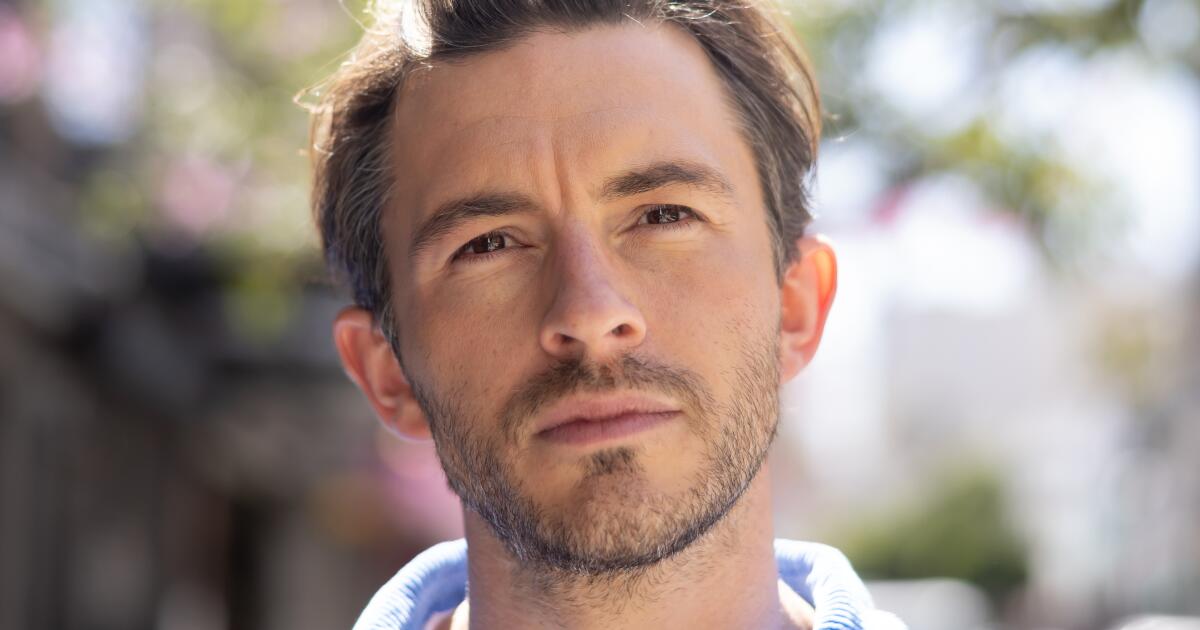
Rick Astley and rapper Yung Gravy have reached a settlement in a lawsuit over the use of Astley’s 1987 hit “Never Gonna Give You Up” — also known as the Rickroll song — in a 2022 Yung Gravy track.

In January, Astley sued Yung Gravy, whose legal name is Matthew Hauri, for “deliberate theft” of Astley’s voice on the rapper’s hit single “Betty (Get Money),” which includes a rerecording of the 1980s song. The suit also named the song’s producers, Nick Seeley (who goes by Popnick), David Wilson (dwilly) and Dillon Francis, and record label Republic Records.

The settlement was reached out of court last Friday, according to court documents obtained by The Times. Hauri’s attorney, Michael Niborski, filed the document notifying the Los Angeles Superior Court of the settlement on Tuesday, but did not disclose the terms of the deal.

Neither Niborski nor Astley’s attorney, Richard Busch, responded immediately to The Times’ requests for comment on Thursday. Busch, whose former clients include Eminem, also has taken on Spotify and Universal Music Group in copyright cases.

Yung Gravy’s “Betty (Get Money)” borrows heavily from “Never Gonna Give You Up,” from its catchy drum beat to the earlier tune’s iconic melody and synthesizer chords. It begins with what seems to be Astley’s signature baritone voice singing the familiar chorus, “Never gonna give you up / never gonna let you down / never gonna run around and desert you.” Then Yung Gravy raps his first verse. However, the voice the listener hears in the chorus actually isn’t Astley’s but producer Seeley‘s. The producers figured the rerecording was a bona fide solution to the copyright complication.

Although the song’s producers received permission to use the composition of the 1987 original, they hadn’t gotten consent to use Astley’s voice as a sample, according to the lawsuit, which called the rerecording “a deliberate theft of Mr. Astley’s voice.” It further accused the producers of “an effort to capitalize off of the immense popularity and goodwill of Mr. Astley.”

The lawsuit cites the famous 1988 case between Bette Midler and Ford Motor Co., which impersonated her singing voice in their car advertisements. “A license to use the original underlying musical composition does not authorize the stealing of the artist’s voice in the original recording,” Astley’s suit said, referring to the case in which a federal appellate court ultimately sided with Midler.

After its release in June 2022, “Betty” became a hit, reaching as high as No. 30 in the Billboard Hot 100 chart. When this article was published, the song had been streamed more than 200 million times on Spotify, and its music video has more than 40 million views on YouTube.

Astley’s lawsuit sought a payment amount that would have been set in trial but was “believed to be in the millions of dollars.”

The lawsuit references an August 2022 Billboard interview with Yung Gravy in which he copped to the song-making process and said they “basically remade the whole song” and “had a different singer and instruments, but it was all really close because it makes it easier legally.” The rapper added he had always been a fan of the song, jokingly saying that his mother “was blasting it when I came out the womb.”

Astley came to prominence in the late 1980s and early ’90s, when he released a string of hits, including “Together Forever,” “She Wants to Dance With Me” and “Cry for Help.” He found new relevance as an internet sensation years later, after a master sergeant in the U.S. Air Force created the first “Rick Roll” video in 2007, according to Vice. Master Sgt. Shawn Cotter uploaded a link on an online forum and led users to believe it would lead to a trailer for the video game “Grand Theft Auto: IV”; instead, it led to a meme using Astley’s “Never Gonna Give You Up” music video. The prank blew up online and became known as Rickrolling or getting Rickrolled.

In turn, Astley landed a slew of brand sponsorships, a new record deal and new opportunities to perform at high-profile events such as the Macy’s Thanksgiving Day Parade in 2008. He went on to release new music and appeared onstage with the Foo Fighters in 2017. And this past summer, Astley performed at the 2023 Glastonbury music festival in England.

“You can’t control something like this, so the only thing you can do is have a bit of fun with it,” he told The Times in a 2008 interview. “And, you know, it’s what got everything going again.”

Times staff writer Mikael Wood contributed to this report.

Leave a Reply Cancel reply

Your email address will not be published. Required fields are marked *

Recommended

Drake Bell says son is reason for ‘Quiet on Set’ revelation

2 years ago

Michelle Yeoh’s slow build to awards dominance

3 years ago

Abortion Pills Can Now Be Offered at Retail Pharmacies, F.D.A. Says

3 years ago

Your Friday Briefing

3 years ago
Yonkers Observer

© 2025 Yonkers Observer or its affiliated companies.

Navigate Site

  • About
  • Advertise
  • Terms & Conditions
  • Privacy Policy
  • Disclaimer
  • Contact

Follow Us

No Result
View All Result
  • Home
  • World
  • Politics
  • Finance
  • Technology
  • Health
  • Culture
  • Entertainment
  • Trend

© 2025 Yonkers Observer or its affiliated companies.

Welcome Back!

Login to your account below

Forgotten Password?

Retrieve your password

Please enter your username or email address to reset your password.

Log In