
Tuesday, April 21, 2026
Washington DC
New York
Toronto
Distribution: (800) 510 9863
Press ID
  • Login
RH NEWSROOM National News and Press Releases. Local and Regional Perspectives. Media Advisories.
Yonkers Observer
  • Home
  • World
  • Politics
  • Finance
  • Technology
  • Health
  • Culture
  • Entertainment
  • Trend
No Result
View All Result
  • Home
  • World
  • Politics
  • Finance
  • Technology
  • Health
  • Culture
  • Entertainment
  • Trend
No Result
View All Result
Yonkers Observer
No Result
View All Result
Home Culture

USC film professors move to unionize: ‘Enough is enough’

by Yonkers Observer Report
November 29, 2023
in Culture
Share on FacebookShare on Twitter

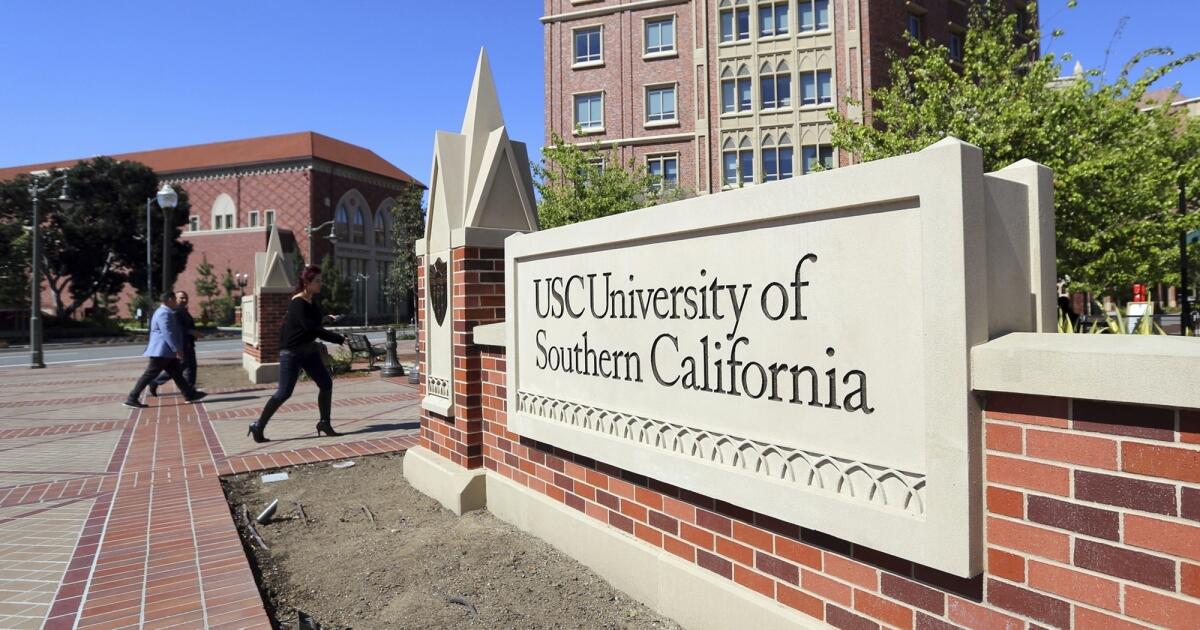
Adjunct professors at the University of Southern California’s prestigious film school are moving to unionize in pursuit of higher pay, benefits, better working conditions, expanded career opportunities and other demands.

The college’s Adjunct Faculty Alliance-UAW announced that its colleagues at the USC School of Cinematic Arts will march Wednesday to the provost’s office and deliver a letter of request for their union to be recognized.

In a news release, the AFA-UAW accused the film school of preventing its adjunct professors from teaching more than one class “to avoid providing health and other benefits.” The alleged class cuts have resulted in a “severe” loss of pay, the alliance said.

Other grievances outlined in the announcement include “low, fixed wages, gender disparity in divisions, lack of diversity school-wide, no clear path to full-time, expecting adjuncts to work unpaid on committees, training, meetings, etc.”

Adjunct professors make up approximately 75% of the film school faculty, according to the alliance, and specialize in a wide range of subjects, including screenwriting, producing, film editing, sound design, animation and cinematography.

“SCA Adjuncts are recognized creatives in their fields. They teach the majority of both undergraduate and graduate courses and are advisors, mentors, and often counselors. Students depend on adjuncts and they are often students’ first adult role models after leaving home,” the news release states.

“Adjuncts love what they do, love USC and the students, and want to continue to provide the excellence both the students and the school deserve. However, USC is severely hindering the adjuncts’ ability to do their job with new and existing policies. … Enough is enough.”

A spokesperson for USC was not immediately available for comment Wednesday.

Earlier this week, about 3,000 graduate student workers at USC averted a strike by reaching a tentative labor agreement with the university that includes wage increases and anti-harassment protections.

“Graduate student workers’ first contract will improve the lives of thousands of workers at USC and create a culture of accountability,” said Stepp Mayes, a fifth-year doctoral student in environmental engineering and a bargaining team member. “This agreement marks the beginning of a stronger USC.”

Times staff writer Teresa Watanabe contributed to this report.

Adjunct professors at the University of Southern California’s prestigious film school are moving to unionize in pursuit of higher pay, benefits, better working conditions, expanded career opportunities and other demands.

The college’s Adjunct Faculty Alliance-UAW announced that its colleagues at the USC School of Cinematic Arts will march Wednesday to the provost’s office and deliver a letter of request for their union to be recognized.

In a news release, the AFA-UAW accused the film school of preventing its adjunct professors from teaching more than one class “to avoid providing health and other benefits.” The alleged class cuts have resulted in a “severe” loss of pay, the alliance said.

Other grievances outlined in the announcement include “low, fixed wages, gender disparity in divisions, lack of diversity school-wide, no clear path to full-time, expecting adjuncts to work unpaid on committees, training, meetings, etc.”

Adjunct professors make up approximately 75% of the film school faculty, according to the alliance, and specialize in a wide range of subjects, including screenwriting, producing, film editing, sound design, animation and cinematography.

“SCA Adjuncts are recognized creatives in their fields. They teach the majority of both undergraduate and graduate courses and are advisors, mentors, and often counselors. Students depend on adjuncts and they are often students’ first adult role models after leaving home,” the news release states.

“Adjuncts love what they do, love USC and the students, and want to continue to provide the excellence both the students and the school deserve. However, USC is severely hindering the adjuncts’ ability to do their job with new and existing policies. … Enough is enough.”

A spokesperson for USC was not immediately available for comment Wednesday.

Earlier this week, about 3,000 graduate student workers at USC averted a strike by reaching a tentative labor agreement with the university that includes wage increases and anti-harassment protections.

“Graduate student workers’ first contract will improve the lives of thousands of workers at USC and create a culture of accountability,” said Stepp Mayes, a fifth-year doctoral student in environmental engineering and a bargaining team member. “This agreement marks the beginning of a stronger USC.”

Times staff writer Teresa Watanabe contributed to this report.

Adjunct professors at the University of Southern California’s prestigious film school are moving to unionize in pursuit of higher pay, benefits, better working conditions, expanded career opportunities and other demands.

The college’s Adjunct Faculty Alliance-UAW announced that its colleagues at the USC School of Cinematic Arts will march Wednesday to the provost’s office and deliver a letter of request for their union to be recognized.

In a news release, the AFA-UAW accused the film school of preventing its adjunct professors from teaching more than one class “to avoid providing health and other benefits.” The alleged class cuts have resulted in a “severe” loss of pay, the alliance said.

Other grievances outlined in the announcement include “low, fixed wages, gender disparity in divisions, lack of diversity school-wide, no clear path to full-time, expecting adjuncts to work unpaid on committees, training, meetings, etc.”

Adjunct professors make up approximately 75% of the film school faculty, according to the alliance, and specialize in a wide range of subjects, including screenwriting, producing, film editing, sound design, animation and cinematography.

“SCA Adjuncts are recognized creatives in their fields. They teach the majority of both undergraduate and graduate courses and are advisors, mentors, and often counselors. Students depend on adjuncts and they are often students’ first adult role models after leaving home,” the news release states.

“Adjuncts love what they do, love USC and the students, and want to continue to provide the excellence both the students and the school deserve. However, USC is severely hindering the adjuncts’ ability to do their job with new and existing policies. … Enough is enough.”

A spokesperson for USC was not immediately available for comment Wednesday.

Earlier this week, about 3,000 graduate student workers at USC averted a strike by reaching a tentative labor agreement with the university that includes wage increases and anti-harassment protections.

“Graduate student workers’ first contract will improve the lives of thousands of workers at USC and create a culture of accountability,” said Stepp Mayes, a fifth-year doctoral student in environmental engineering and a bargaining team member. “This agreement marks the beginning of a stronger USC.”

Times staff writer Teresa Watanabe contributed to this report.

Adjunct professors at the University of Southern California’s prestigious film school are moving to unionize in pursuit of higher pay, benefits, better working conditions, expanded career opportunities and other demands.

The college’s Adjunct Faculty Alliance-UAW announced that its colleagues at the USC School of Cinematic Arts will march Wednesday to the provost’s office and deliver a letter of request for their union to be recognized.

In a news release, the AFA-UAW accused the film school of preventing its adjunct professors from teaching more than one class “to avoid providing health and other benefits.” The alleged class cuts have resulted in a “severe” loss of pay, the alliance said.

Other grievances outlined in the announcement include “low, fixed wages, gender disparity in divisions, lack of diversity school-wide, no clear path to full-time, expecting adjuncts to work unpaid on committees, training, meetings, etc.”

Adjunct professors make up approximately 75% of the film school faculty, according to the alliance, and specialize in a wide range of subjects, including screenwriting, producing, film editing, sound design, animation and cinematography.

“SCA Adjuncts are recognized creatives in their fields. They teach the majority of both undergraduate and graduate courses and are advisors, mentors, and often counselors. Students depend on adjuncts and they are often students’ first adult role models after leaving home,” the news release states.

“Adjuncts love what they do, love USC and the students, and want to continue to provide the excellence both the students and the school deserve. However, USC is severely hindering the adjuncts’ ability to do their job with new and existing policies. … Enough is enough.”

A spokesperson for USC was not immediately available for comment Wednesday.

Earlier this week, about 3,000 graduate student workers at USC averted a strike by reaching a tentative labor agreement with the university that includes wage increases and anti-harassment protections.

“Graduate student workers’ first contract will improve the lives of thousands of workers at USC and create a culture of accountability,” said Stepp Mayes, a fifth-year doctoral student in environmental engineering and a bargaining team member. “This agreement marks the beginning of a stronger USC.”

Times staff writer Teresa Watanabe contributed to this report.

Adjunct professors at the University of Southern California’s prestigious film school are moving to unionize in pursuit of higher pay, benefits, better working conditions, expanded career opportunities and other demands.

The college’s Adjunct Faculty Alliance-UAW announced that its colleagues at the USC School of Cinematic Arts will march Wednesday to the provost’s office and deliver a letter of request for their union to be recognized.

In a news release, the AFA-UAW accused the film school of preventing its adjunct professors from teaching more than one class “to avoid providing health and other benefits.” The alleged class cuts have resulted in a “severe” loss of pay, the alliance said.

Other grievances outlined in the announcement include “low, fixed wages, gender disparity in divisions, lack of diversity school-wide, no clear path to full-time, expecting adjuncts to work unpaid on committees, training, meetings, etc.”

Adjunct professors make up approximately 75% of the film school faculty, according to the alliance, and specialize in a wide range of subjects, including screenwriting, producing, film editing, sound design, animation and cinematography.

“SCA Adjuncts are recognized creatives in their fields. They teach the majority of both undergraduate and graduate courses and are advisors, mentors, and often counselors. Students depend on adjuncts and they are often students’ first adult role models after leaving home,” the news release states.

“Adjuncts love what they do, love USC and the students, and want to continue to provide the excellence both the students and the school deserve. However, USC is severely hindering the adjuncts’ ability to do their job with new and existing policies. … Enough is enough.”

A spokesperson for USC was not immediately available for comment Wednesday.

Earlier this week, about 3,000 graduate student workers at USC averted a strike by reaching a tentative labor agreement with the university that includes wage increases and anti-harassment protections.

“Graduate student workers’ first contract will improve the lives of thousands of workers at USC and create a culture of accountability,” said Stepp Mayes, a fifth-year doctoral student in environmental engineering and a bargaining team member. “This agreement marks the beginning of a stronger USC.”

Times staff writer Teresa Watanabe contributed to this report.

Adjunct professors at the University of Southern California’s prestigious film school are moving to unionize in pursuit of higher pay, benefits, better working conditions, expanded career opportunities and other demands.

The college’s Adjunct Faculty Alliance-UAW announced that its colleagues at the USC School of Cinematic Arts will march Wednesday to the provost’s office and deliver a letter of request for their union to be recognized.

In a news release, the AFA-UAW accused the film school of preventing its adjunct professors from teaching more than one class “to avoid providing health and other benefits.” The alleged class cuts have resulted in a “severe” loss of pay, the alliance said.

Other grievances outlined in the announcement include “low, fixed wages, gender disparity in divisions, lack of diversity school-wide, no clear path to full-time, expecting adjuncts to work unpaid on committees, training, meetings, etc.”

Adjunct professors make up approximately 75% of the film school faculty, according to the alliance, and specialize in a wide range of subjects, including screenwriting, producing, film editing, sound design, animation and cinematography.

“SCA Adjuncts are recognized creatives in their fields. They teach the majority of both undergraduate and graduate courses and are advisors, mentors, and often counselors. Students depend on adjuncts and they are often students’ first adult role models after leaving home,” the news release states.

“Adjuncts love what they do, love USC and the students, and want to continue to provide the excellence both the students and the school deserve. However, USC is severely hindering the adjuncts’ ability to do their job with new and existing policies. … Enough is enough.”

A spokesperson for USC was not immediately available for comment Wednesday.

Earlier this week, about 3,000 graduate student workers at USC averted a strike by reaching a tentative labor agreement with the university that includes wage increases and anti-harassment protections.

“Graduate student workers’ first contract will improve the lives of thousands of workers at USC and create a culture of accountability,” said Stepp Mayes, a fifth-year doctoral student in environmental engineering and a bargaining team member. “This agreement marks the beginning of a stronger USC.”

Times staff writer Teresa Watanabe contributed to this report.

Adjunct professors at the University of Southern California’s prestigious film school are moving to unionize in pursuit of higher pay, benefits, better working conditions, expanded career opportunities and other demands.

The college’s Adjunct Faculty Alliance-UAW announced that its colleagues at the USC School of Cinematic Arts will march Wednesday to the provost’s office and deliver a letter of request for their union to be recognized.

In a news release, the AFA-UAW accused the film school of preventing its adjunct professors from teaching more than one class “to avoid providing health and other benefits.” The alleged class cuts have resulted in a “severe” loss of pay, the alliance said.

Other grievances outlined in the announcement include “low, fixed wages, gender disparity in divisions, lack of diversity school-wide, no clear path to full-time, expecting adjuncts to work unpaid on committees, training, meetings, etc.”

Adjunct professors make up approximately 75% of the film school faculty, according to the alliance, and specialize in a wide range of subjects, including screenwriting, producing, film editing, sound design, animation and cinematography.

“SCA Adjuncts are recognized creatives in their fields. They teach the majority of both undergraduate and graduate courses and are advisors, mentors, and often counselors. Students depend on adjuncts and they are often students’ first adult role models after leaving home,” the news release states.

“Adjuncts love what they do, love USC and the students, and want to continue to provide the excellence both the students and the school deserve. However, USC is severely hindering the adjuncts’ ability to do their job with new and existing policies. … Enough is enough.”

A spokesperson for USC was not immediately available for comment Wednesday.

Earlier this week, about 3,000 graduate student workers at USC averted a strike by reaching a tentative labor agreement with the university that includes wage increases and anti-harassment protections.

“Graduate student workers’ first contract will improve the lives of thousands of workers at USC and create a culture of accountability,” said Stepp Mayes, a fifth-year doctoral student in environmental engineering and a bargaining team member. “This agreement marks the beginning of a stronger USC.”

Times staff writer Teresa Watanabe contributed to this report.

Adjunct professors at the University of Southern California’s prestigious film school are moving to unionize in pursuit of higher pay, benefits, better working conditions, expanded career opportunities and other demands.

The college’s Adjunct Faculty Alliance-UAW announced that its colleagues at the USC School of Cinematic Arts will march Wednesday to the provost’s office and deliver a letter of request for their union to be recognized.

In a news release, the AFA-UAW accused the film school of preventing its adjunct professors from teaching more than one class “to avoid providing health and other benefits.” The alleged class cuts have resulted in a “severe” loss of pay, the alliance said.

Other grievances outlined in the announcement include “low, fixed wages, gender disparity in divisions, lack of diversity school-wide, no clear path to full-time, expecting adjuncts to work unpaid on committees, training, meetings, etc.”

Adjunct professors make up approximately 75% of the film school faculty, according to the alliance, and specialize in a wide range of subjects, including screenwriting, producing, film editing, sound design, animation and cinematography.

“SCA Adjuncts are recognized creatives in their fields. They teach the majority of both undergraduate and graduate courses and are advisors, mentors, and often counselors. Students depend on adjuncts and they are often students’ first adult role models after leaving home,” the news release states.

“Adjuncts love what they do, love USC and the students, and want to continue to provide the excellence both the students and the school deserve. However, USC is severely hindering the adjuncts’ ability to do their job with new and existing policies. … Enough is enough.”

A spokesperson for USC was not immediately available for comment Wednesday.

Earlier this week, about 3,000 graduate student workers at USC averted a strike by reaching a tentative labor agreement with the university that includes wage increases and anti-harassment protections.

“Graduate student workers’ first contract will improve the lives of thousands of workers at USC and create a culture of accountability,” said Stepp Mayes, a fifth-year doctoral student in environmental engineering and a bargaining team member. “This agreement marks the beginning of a stronger USC.”

Times staff writer Teresa Watanabe contributed to this report.

Leave a Reply Cancel reply

Your email address will not be published. Required fields are marked *

Recommended

As Trump Stirs Doubt, Europeans Debate Their Own Nuclear Deterrent

1 year ago

Charter restores Disney-owned cable channels for Spectrum customers

10 months ago

Hong Kong Activist Flees to UK, Citing Police Pressure

2 years ago

House G.O.P. Races to Line Up Votes for Rules After McCarthy Concessions

3 years ago
Yonkers Observer

© 2025 Yonkers Observer or its affiliated companies.

Navigate Site

  • About
  • Advertise
  • Terms & Conditions
  • Privacy Policy
  • Disclaimer
  • Contact

Follow Us

No Result
View All Result
  • Home
  • World
  • Politics
  • Finance
  • Technology
  • Health
  • Culture
  • Entertainment
  • Trend

© 2025 Yonkers Observer or its affiliated companies.

Welcome Back!

Login to your account below

Forgotten Password?

Retrieve your password

Please enter your username or email address to reset your password.

Log In