
Thursday, May 28, 2026
Washington DC
New York
Toronto
Distribution: (800) 510 9863
Press ID
  • Login
RH NEWSROOM National News and Press Releases. Local and Regional Perspectives. Media Advisories.
Yonkers Observer
  • Home
  • World
  • Politics
  • Finance
  • Technology
  • Health
  • Culture
  • Entertainment
  • Trend
No Result
View All Result
  • Home
  • World
  • Politics
  • Finance
  • Technology
  • Health
  • Culture
  • Entertainment
  • Trend
No Result
View All Result
Yonkers Observer
No Result
View All Result
Home Culture

Review: Documentary ‘Salvatore: Shoemaker of Dreams’ walks safe path

by Yonkers Observer Report
November 4, 2022
in Culture
Share on FacebookShare on Twitter

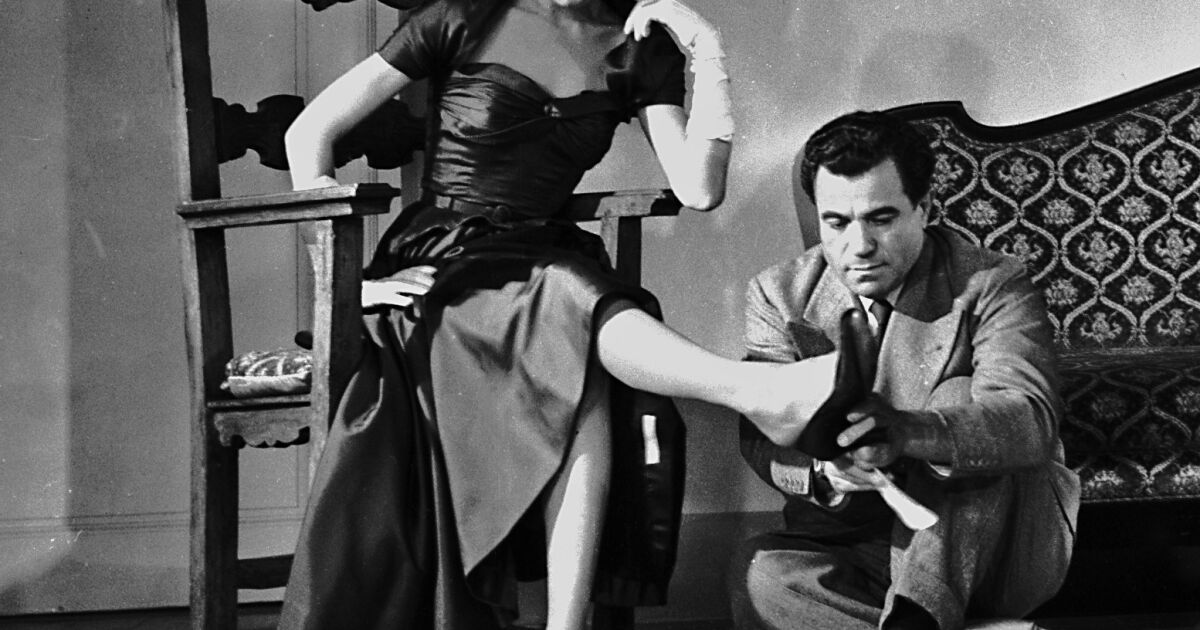
Footwear fantasies flooded Salvatore Ferragamo’s imagination from his early childhood in the remote southern Italian town of Bonito. Marked by an unwavering determination to pursue beautiful precision, his professional trajectory evolved from manufacturing shoes for his sisters to international acclaim among a clientele of sought-after cinema stars.

Inspirational, though short on formal innovation, the documentary “Salvatore: Shoemaker of Dreams” from director Luca Guadagnino (“Call Me By Your Name”) tracks Ferragamo’s unfathomable feats across the tumultuous first half of the 20th century. Sometimes in his own voice from recorded interviews and others via actor Michael Stuhlbarg’s narration in the first person, the artisan’s musings color the archival footage with a personable touch.

Guadagnino first opens the door into this kingdom of soles and heels with a captivating sequence showing how, even today, the Ferragamo operation entails multiple artisans handling each shoe to ensure all processes are properly completed. It’s an assembly line of dedication and meticulous craftsmanship as opposed to those devised for mass production.

Once the company’s artistic mandate has been visually established, the doc morphs into a familiar succession of images from the past and interviews with Ferragamo’s living family members and prominent fashion figures such as designer Christian Louboutin to assemble a cradle-to-grave account of the visionary’s life. Guadagnino’s voice also creeps into the frame on occasion to enthusiastically agree with the chosen speakers’ words of admiration.

What may shock viewers most is how unimaginably young Ferragamo was when he took his first steps into the shoemaking business. At 12 years old, the precocious boy started his first workshop with employees older than he. Not long after, still a kid, he would migrate to the United States with the intention of studying the technological advances utilized at less refined but highly profitable shoe factories.

Ferragamo’s quintessential immigrant story, which led him to Santa Barbara, serves as a vehicle for a didactic lesson on silent-era Hollywood, where his designs found a receptive and well-off audience. A jovial Martin Scorsese speaks on the nascent world of the movies in the 1920s that immortalized Ferragamo’s creations in the boots of Cecil B. DeMille’s Westerns or shoes worn by screen divas Gloria Swanson and Mary Pickford.

But the director’s desire to position his subject’s victories and struggles against the backdrop of a larger historical context — whether Mussolini’s fascist regime or the Great Depression — hinders our ability to intimately engage with the person behind the fame. The comprehensive approach notes Ferragamo’s return to his homeland to settle in Florence, the time he filed bankruptcy, his phoenix-like resurgence and his marriage to a much younger woman, yet the sum of the film’s many parts feels disjointed.

That a tribute to such an inventive mind — who even studied human anatomy at USC to improve the fit of his product — plays out in a conventional if not cohesive manner perhaps proves that most biographical projects are destined to fail at matching the subject’s brilliance. If Guadagnino had leaned into the whimsy on display in a late segment where CG-animated iterations of some of Ferragamo’s most emblematic shoes dance, the doc could have transcended its standard format.

“Fashion with comfort, that’s what I gave,” said Ferragamo when asked what made his elegantly colorful items stand out. For all its shortcomings of ingenuity, “Salvatore” repeatedly exalts that union as the master’s trademark. Even if he couldn’t summon the experience of walking in Ferragamo’s shoes and getting to know him deeply, Guadagnino makes one appreciate the shoemaker’s indelible footprints from afar.

‘Salvatore: Shoemaker of Dreams’

In Italian, French and English with English subtitles

Rated: PG, for smoking and a suggestive reference

Running time: 1 hour, 50 minutes

Playing: Starts Nov. 4, Laemmle Royal, West Los Angeles; Laemmle Town Center, Encino

Footwear fantasies flooded Salvatore Ferragamo’s imagination from his early childhood in the remote southern Italian town of Bonito. Marked by an unwavering determination to pursue beautiful precision, his professional trajectory evolved from manufacturing shoes for his sisters to international acclaim among a clientele of sought-after cinema stars.

Inspirational, though short on formal innovation, the documentary “Salvatore: Shoemaker of Dreams” from director Luca Guadagnino (“Call Me By Your Name”) tracks Ferragamo’s unfathomable feats across the tumultuous first half of the 20th century. Sometimes in his own voice from recorded interviews and others via actor Michael Stuhlbarg’s narration in the first person, the artisan’s musings color the archival footage with a personable touch.

Guadagnino first opens the door into this kingdom of soles and heels with a captivating sequence showing how, even today, the Ferragamo operation entails multiple artisans handling each shoe to ensure all processes are properly completed. It’s an assembly line of dedication and meticulous craftsmanship as opposed to those devised for mass production.

Once the company’s artistic mandate has been visually established, the doc morphs into a familiar succession of images from the past and interviews with Ferragamo’s living family members and prominent fashion figures such as designer Christian Louboutin to assemble a cradle-to-grave account of the visionary’s life. Guadagnino’s voice also creeps into the frame on occasion to enthusiastically agree with the chosen speakers’ words of admiration.

What may shock viewers most is how unimaginably young Ferragamo was when he took his first steps into the shoemaking business. At 12 years old, the precocious boy started his first workshop with employees older than he. Not long after, still a kid, he would migrate to the United States with the intention of studying the technological advances utilized at less refined but highly profitable shoe factories.

Ferragamo’s quintessential immigrant story, which led him to Santa Barbara, serves as a vehicle for a didactic lesson on silent-era Hollywood, where his designs found a receptive and well-off audience. A jovial Martin Scorsese speaks on the nascent world of the movies in the 1920s that immortalized Ferragamo’s creations in the boots of Cecil B. DeMille’s Westerns or shoes worn by screen divas Gloria Swanson and Mary Pickford.

But the director’s desire to position his subject’s victories and struggles against the backdrop of a larger historical context — whether Mussolini’s fascist regime or the Great Depression — hinders our ability to intimately engage with the person behind the fame. The comprehensive approach notes Ferragamo’s return to his homeland to settle in Florence, the time he filed bankruptcy, his phoenix-like resurgence and his marriage to a much younger woman, yet the sum of the film’s many parts feels disjointed.

That a tribute to such an inventive mind — who even studied human anatomy at USC to improve the fit of his product — plays out in a conventional if not cohesive manner perhaps proves that most biographical projects are destined to fail at matching the subject’s brilliance. If Guadagnino had leaned into the whimsy on display in a late segment where CG-animated iterations of some of Ferragamo’s most emblematic shoes dance, the doc could have transcended its standard format.

“Fashion with comfort, that’s what I gave,” said Ferragamo when asked what made his elegantly colorful items stand out. For all its shortcomings of ingenuity, “Salvatore” repeatedly exalts that union as the master’s trademark. Even if he couldn’t summon the experience of walking in Ferragamo’s shoes and getting to know him deeply, Guadagnino makes one appreciate the shoemaker’s indelible footprints from afar.

‘Salvatore: Shoemaker of Dreams’

In Italian, French and English with English subtitles

Rated: PG, for smoking and a suggestive reference

Running time: 1 hour, 50 minutes

Playing: Starts Nov. 4, Laemmle Royal, West Los Angeles; Laemmle Town Center, Encino

Footwear fantasies flooded Salvatore Ferragamo’s imagination from his early childhood in the remote southern Italian town of Bonito. Marked by an unwavering determination to pursue beautiful precision, his professional trajectory evolved from manufacturing shoes for his sisters to international acclaim among a clientele of sought-after cinema stars.

Inspirational, though short on formal innovation, the documentary “Salvatore: Shoemaker of Dreams” from director Luca Guadagnino (“Call Me By Your Name”) tracks Ferragamo’s unfathomable feats across the tumultuous first half of the 20th century. Sometimes in his own voice from recorded interviews and others via actor Michael Stuhlbarg’s narration in the first person, the artisan’s musings color the archival footage with a personable touch.

Guadagnino first opens the door into this kingdom of soles and heels with a captivating sequence showing how, even today, the Ferragamo operation entails multiple artisans handling each shoe to ensure all processes are properly completed. It’s an assembly line of dedication and meticulous craftsmanship as opposed to those devised for mass production.

Once the company’s artistic mandate has been visually established, the doc morphs into a familiar succession of images from the past and interviews with Ferragamo’s living family members and prominent fashion figures such as designer Christian Louboutin to assemble a cradle-to-grave account of the visionary’s life. Guadagnino’s voice also creeps into the frame on occasion to enthusiastically agree with the chosen speakers’ words of admiration.

What may shock viewers most is how unimaginably young Ferragamo was when he took his first steps into the shoemaking business. At 12 years old, the precocious boy started his first workshop with employees older than he. Not long after, still a kid, he would migrate to the United States with the intention of studying the technological advances utilized at less refined but highly profitable shoe factories.

Ferragamo’s quintessential immigrant story, which led him to Santa Barbara, serves as a vehicle for a didactic lesson on silent-era Hollywood, where his designs found a receptive and well-off audience. A jovial Martin Scorsese speaks on the nascent world of the movies in the 1920s that immortalized Ferragamo’s creations in the boots of Cecil B. DeMille’s Westerns or shoes worn by screen divas Gloria Swanson and Mary Pickford.

But the director’s desire to position his subject’s victories and struggles against the backdrop of a larger historical context — whether Mussolini’s fascist regime or the Great Depression — hinders our ability to intimately engage with the person behind the fame. The comprehensive approach notes Ferragamo’s return to his homeland to settle in Florence, the time he filed bankruptcy, his phoenix-like resurgence and his marriage to a much younger woman, yet the sum of the film’s many parts feels disjointed.

That a tribute to such an inventive mind — who even studied human anatomy at USC to improve the fit of his product — plays out in a conventional if not cohesive manner perhaps proves that most biographical projects are destined to fail at matching the subject’s brilliance. If Guadagnino had leaned into the whimsy on display in a late segment where CG-animated iterations of some of Ferragamo’s most emblematic shoes dance, the doc could have transcended its standard format.

“Fashion with comfort, that’s what I gave,” said Ferragamo when asked what made his elegantly colorful items stand out. For all its shortcomings of ingenuity, “Salvatore” repeatedly exalts that union as the master’s trademark. Even if he couldn’t summon the experience of walking in Ferragamo’s shoes and getting to know him deeply, Guadagnino makes one appreciate the shoemaker’s indelible footprints from afar.

‘Salvatore: Shoemaker of Dreams’

In Italian, French and English with English subtitles

Rated: PG, for smoking and a suggestive reference

Running time: 1 hour, 50 minutes

Playing: Starts Nov. 4, Laemmle Royal, West Los Angeles; Laemmle Town Center, Encino

Footwear fantasies flooded Salvatore Ferragamo’s imagination from his early childhood in the remote southern Italian town of Bonito. Marked by an unwavering determination to pursue beautiful precision, his professional trajectory evolved from manufacturing shoes for his sisters to international acclaim among a clientele of sought-after cinema stars.

Inspirational, though short on formal innovation, the documentary “Salvatore: Shoemaker of Dreams” from director Luca Guadagnino (“Call Me By Your Name”) tracks Ferragamo’s unfathomable feats across the tumultuous first half of the 20th century. Sometimes in his own voice from recorded interviews and others via actor Michael Stuhlbarg’s narration in the first person, the artisan’s musings color the archival footage with a personable touch.

Guadagnino first opens the door into this kingdom of soles and heels with a captivating sequence showing how, even today, the Ferragamo operation entails multiple artisans handling each shoe to ensure all processes are properly completed. It’s an assembly line of dedication and meticulous craftsmanship as opposed to those devised for mass production.

Once the company’s artistic mandate has been visually established, the doc morphs into a familiar succession of images from the past and interviews with Ferragamo’s living family members and prominent fashion figures such as designer Christian Louboutin to assemble a cradle-to-grave account of the visionary’s life. Guadagnino’s voice also creeps into the frame on occasion to enthusiastically agree with the chosen speakers’ words of admiration.

What may shock viewers most is how unimaginably young Ferragamo was when he took his first steps into the shoemaking business. At 12 years old, the precocious boy started his first workshop with employees older than he. Not long after, still a kid, he would migrate to the United States with the intention of studying the technological advances utilized at less refined but highly profitable shoe factories.

Ferragamo’s quintessential immigrant story, which led him to Santa Barbara, serves as a vehicle for a didactic lesson on silent-era Hollywood, where his designs found a receptive and well-off audience. A jovial Martin Scorsese speaks on the nascent world of the movies in the 1920s that immortalized Ferragamo’s creations in the boots of Cecil B. DeMille’s Westerns or shoes worn by screen divas Gloria Swanson and Mary Pickford.

But the director’s desire to position his subject’s victories and struggles against the backdrop of a larger historical context — whether Mussolini’s fascist regime or the Great Depression — hinders our ability to intimately engage with the person behind the fame. The comprehensive approach notes Ferragamo’s return to his homeland to settle in Florence, the time he filed bankruptcy, his phoenix-like resurgence and his marriage to a much younger woman, yet the sum of the film’s many parts feels disjointed.

That a tribute to such an inventive mind — who even studied human anatomy at USC to improve the fit of his product — plays out in a conventional if not cohesive manner perhaps proves that most biographical projects are destined to fail at matching the subject’s brilliance. If Guadagnino had leaned into the whimsy on display in a late segment where CG-animated iterations of some of Ferragamo’s most emblematic shoes dance, the doc could have transcended its standard format.

“Fashion with comfort, that’s what I gave,” said Ferragamo when asked what made his elegantly colorful items stand out. For all its shortcomings of ingenuity, “Salvatore” repeatedly exalts that union as the master’s trademark. Even if he couldn’t summon the experience of walking in Ferragamo’s shoes and getting to know him deeply, Guadagnino makes one appreciate the shoemaker’s indelible footprints from afar.

‘Salvatore: Shoemaker of Dreams’

In Italian, French and English with English subtitles

Rated: PG, for smoking and a suggestive reference

Running time: 1 hour, 50 minutes

Playing: Starts Nov. 4, Laemmle Royal, West Los Angeles; Laemmle Town Center, Encino

Footwear fantasies flooded Salvatore Ferragamo’s imagination from his early childhood in the remote southern Italian town of Bonito. Marked by an unwavering determination to pursue beautiful precision, his professional trajectory evolved from manufacturing shoes for his sisters to international acclaim among a clientele of sought-after cinema stars.

Inspirational, though short on formal innovation, the documentary “Salvatore: Shoemaker of Dreams” from director Luca Guadagnino (“Call Me By Your Name”) tracks Ferragamo’s unfathomable feats across the tumultuous first half of the 20th century. Sometimes in his own voice from recorded interviews and others via actor Michael Stuhlbarg’s narration in the first person, the artisan’s musings color the archival footage with a personable touch.

Guadagnino first opens the door into this kingdom of soles and heels with a captivating sequence showing how, even today, the Ferragamo operation entails multiple artisans handling each shoe to ensure all processes are properly completed. It’s an assembly line of dedication and meticulous craftsmanship as opposed to those devised for mass production.

Once the company’s artistic mandate has been visually established, the doc morphs into a familiar succession of images from the past and interviews with Ferragamo’s living family members and prominent fashion figures such as designer Christian Louboutin to assemble a cradle-to-grave account of the visionary’s life. Guadagnino’s voice also creeps into the frame on occasion to enthusiastically agree with the chosen speakers’ words of admiration.

What may shock viewers most is how unimaginably young Ferragamo was when he took his first steps into the shoemaking business. At 12 years old, the precocious boy started his first workshop with employees older than he. Not long after, still a kid, he would migrate to the United States with the intention of studying the technological advances utilized at less refined but highly profitable shoe factories.

Ferragamo’s quintessential immigrant story, which led him to Santa Barbara, serves as a vehicle for a didactic lesson on silent-era Hollywood, where his designs found a receptive and well-off audience. A jovial Martin Scorsese speaks on the nascent world of the movies in the 1920s that immortalized Ferragamo’s creations in the boots of Cecil B. DeMille’s Westerns or shoes worn by screen divas Gloria Swanson and Mary Pickford.

But the director’s desire to position his subject’s victories and struggles against the backdrop of a larger historical context — whether Mussolini’s fascist regime or the Great Depression — hinders our ability to intimately engage with the person behind the fame. The comprehensive approach notes Ferragamo’s return to his homeland to settle in Florence, the time he filed bankruptcy, his phoenix-like resurgence and his marriage to a much younger woman, yet the sum of the film’s many parts feels disjointed.

That a tribute to such an inventive mind — who even studied human anatomy at USC to improve the fit of his product — plays out in a conventional if not cohesive manner perhaps proves that most biographical projects are destined to fail at matching the subject’s brilliance. If Guadagnino had leaned into the whimsy on display in a late segment where CG-animated iterations of some of Ferragamo’s most emblematic shoes dance, the doc could have transcended its standard format.

“Fashion with comfort, that’s what I gave,” said Ferragamo when asked what made his elegantly colorful items stand out. For all its shortcomings of ingenuity, “Salvatore” repeatedly exalts that union as the master’s trademark. Even if he couldn’t summon the experience of walking in Ferragamo’s shoes and getting to know him deeply, Guadagnino makes one appreciate the shoemaker’s indelible footprints from afar.

‘Salvatore: Shoemaker of Dreams’

In Italian, French and English with English subtitles

Rated: PG, for smoking and a suggestive reference

Running time: 1 hour, 50 minutes

Playing: Starts Nov. 4, Laemmle Royal, West Los Angeles; Laemmle Town Center, Encino

Footwear fantasies flooded Salvatore Ferragamo’s imagination from his early childhood in the remote southern Italian town of Bonito. Marked by an unwavering determination to pursue beautiful precision, his professional trajectory evolved from manufacturing shoes for his sisters to international acclaim among a clientele of sought-after cinema stars.

Inspirational, though short on formal innovation, the documentary “Salvatore: Shoemaker of Dreams” from director Luca Guadagnino (“Call Me By Your Name”) tracks Ferragamo’s unfathomable feats across the tumultuous first half of the 20th century. Sometimes in his own voice from recorded interviews and others via actor Michael Stuhlbarg’s narration in the first person, the artisan’s musings color the archival footage with a personable touch.

Guadagnino first opens the door into this kingdom of soles and heels with a captivating sequence showing how, even today, the Ferragamo operation entails multiple artisans handling each shoe to ensure all processes are properly completed. It’s an assembly line of dedication and meticulous craftsmanship as opposed to those devised for mass production.

Once the company’s artistic mandate has been visually established, the doc morphs into a familiar succession of images from the past and interviews with Ferragamo’s living family members and prominent fashion figures such as designer Christian Louboutin to assemble a cradle-to-grave account of the visionary’s life. Guadagnino’s voice also creeps into the frame on occasion to enthusiastically agree with the chosen speakers’ words of admiration.

What may shock viewers most is how unimaginably young Ferragamo was when he took his first steps into the shoemaking business. At 12 years old, the precocious boy started his first workshop with employees older than he. Not long after, still a kid, he would migrate to the United States with the intention of studying the technological advances utilized at less refined but highly profitable shoe factories.

Ferragamo’s quintessential immigrant story, which led him to Santa Barbara, serves as a vehicle for a didactic lesson on silent-era Hollywood, where his designs found a receptive and well-off audience. A jovial Martin Scorsese speaks on the nascent world of the movies in the 1920s that immortalized Ferragamo’s creations in the boots of Cecil B. DeMille’s Westerns or shoes worn by screen divas Gloria Swanson and Mary Pickford.

But the director’s desire to position his subject’s victories and struggles against the backdrop of a larger historical context — whether Mussolini’s fascist regime or the Great Depression — hinders our ability to intimately engage with the person behind the fame. The comprehensive approach notes Ferragamo’s return to his homeland to settle in Florence, the time he filed bankruptcy, his phoenix-like resurgence and his marriage to a much younger woman, yet the sum of the film’s many parts feels disjointed.

That a tribute to such an inventive mind — who even studied human anatomy at USC to improve the fit of his product — plays out in a conventional if not cohesive manner perhaps proves that most biographical projects are destined to fail at matching the subject’s brilliance. If Guadagnino had leaned into the whimsy on display in a late segment where CG-animated iterations of some of Ferragamo’s most emblematic shoes dance, the doc could have transcended its standard format.

“Fashion with comfort, that’s what I gave,” said Ferragamo when asked what made his elegantly colorful items stand out. For all its shortcomings of ingenuity, “Salvatore” repeatedly exalts that union as the master’s trademark. Even if he couldn’t summon the experience of walking in Ferragamo’s shoes and getting to know him deeply, Guadagnino makes one appreciate the shoemaker’s indelible footprints from afar.

‘Salvatore: Shoemaker of Dreams’

In Italian, French and English with English subtitles

Rated: PG, for smoking and a suggestive reference

Running time: 1 hour, 50 minutes

Playing: Starts Nov. 4, Laemmle Royal, West Los Angeles; Laemmle Town Center, Encino

Footwear fantasies flooded Salvatore Ferragamo’s imagination from his early childhood in the remote southern Italian town of Bonito. Marked by an unwavering determination to pursue beautiful precision, his professional trajectory evolved from manufacturing shoes for his sisters to international acclaim among a clientele of sought-after cinema stars.

Inspirational, though short on formal innovation, the documentary “Salvatore: Shoemaker of Dreams” from director Luca Guadagnino (“Call Me By Your Name”) tracks Ferragamo’s unfathomable feats across the tumultuous first half of the 20th century. Sometimes in his own voice from recorded interviews and others via actor Michael Stuhlbarg’s narration in the first person, the artisan’s musings color the archival footage with a personable touch.

Guadagnino first opens the door into this kingdom of soles and heels with a captivating sequence showing how, even today, the Ferragamo operation entails multiple artisans handling each shoe to ensure all processes are properly completed. It’s an assembly line of dedication and meticulous craftsmanship as opposed to those devised for mass production.

Once the company’s artistic mandate has been visually established, the doc morphs into a familiar succession of images from the past and interviews with Ferragamo’s living family members and prominent fashion figures such as designer Christian Louboutin to assemble a cradle-to-grave account of the visionary’s life. Guadagnino’s voice also creeps into the frame on occasion to enthusiastically agree with the chosen speakers’ words of admiration.

What may shock viewers most is how unimaginably young Ferragamo was when he took his first steps into the shoemaking business. At 12 years old, the precocious boy started his first workshop with employees older than he. Not long after, still a kid, he would migrate to the United States with the intention of studying the technological advances utilized at less refined but highly profitable shoe factories.

Ferragamo’s quintessential immigrant story, which led him to Santa Barbara, serves as a vehicle for a didactic lesson on silent-era Hollywood, where his designs found a receptive and well-off audience. A jovial Martin Scorsese speaks on the nascent world of the movies in the 1920s that immortalized Ferragamo’s creations in the boots of Cecil B. DeMille’s Westerns or shoes worn by screen divas Gloria Swanson and Mary Pickford.

But the director’s desire to position his subject’s victories and struggles against the backdrop of a larger historical context — whether Mussolini’s fascist regime or the Great Depression — hinders our ability to intimately engage with the person behind the fame. The comprehensive approach notes Ferragamo’s return to his homeland to settle in Florence, the time he filed bankruptcy, his phoenix-like resurgence and his marriage to a much younger woman, yet the sum of the film’s many parts feels disjointed.

That a tribute to such an inventive mind — who even studied human anatomy at USC to improve the fit of his product — plays out in a conventional if not cohesive manner perhaps proves that most biographical projects are destined to fail at matching the subject’s brilliance. If Guadagnino had leaned into the whimsy on display in a late segment where CG-animated iterations of some of Ferragamo’s most emblematic shoes dance, the doc could have transcended its standard format.

“Fashion with comfort, that’s what I gave,” said Ferragamo when asked what made his elegantly colorful items stand out. For all its shortcomings of ingenuity, “Salvatore” repeatedly exalts that union as the master’s trademark. Even if he couldn’t summon the experience of walking in Ferragamo’s shoes and getting to know him deeply, Guadagnino makes one appreciate the shoemaker’s indelible footprints from afar.

‘Salvatore: Shoemaker of Dreams’

In Italian, French and English with English subtitles

Rated: PG, for smoking and a suggestive reference

Running time: 1 hour, 50 minutes

Playing: Starts Nov. 4, Laemmle Royal, West Los Angeles; Laemmle Town Center, Encino

Footwear fantasies flooded Salvatore Ferragamo’s imagination from his early childhood in the remote southern Italian town of Bonito. Marked by an unwavering determination to pursue beautiful precision, his professional trajectory evolved from manufacturing shoes for his sisters to international acclaim among a clientele of sought-after cinema stars.

Inspirational, though short on formal innovation, the documentary “Salvatore: Shoemaker of Dreams” from director Luca Guadagnino (“Call Me By Your Name”) tracks Ferragamo’s unfathomable feats across the tumultuous first half of the 20th century. Sometimes in his own voice from recorded interviews and others via actor Michael Stuhlbarg’s narration in the first person, the artisan’s musings color the archival footage with a personable touch.

Guadagnino first opens the door into this kingdom of soles and heels with a captivating sequence showing how, even today, the Ferragamo operation entails multiple artisans handling each shoe to ensure all processes are properly completed. It’s an assembly line of dedication and meticulous craftsmanship as opposed to those devised for mass production.

Once the company’s artistic mandate has been visually established, the doc morphs into a familiar succession of images from the past and interviews with Ferragamo’s living family members and prominent fashion figures such as designer Christian Louboutin to assemble a cradle-to-grave account of the visionary’s life. Guadagnino’s voice also creeps into the frame on occasion to enthusiastically agree with the chosen speakers’ words of admiration.

What may shock viewers most is how unimaginably young Ferragamo was when he took his first steps into the shoemaking business. At 12 years old, the precocious boy started his first workshop with employees older than he. Not long after, still a kid, he would migrate to the United States with the intention of studying the technological advances utilized at less refined but highly profitable shoe factories.

Ferragamo’s quintessential immigrant story, which led him to Santa Barbara, serves as a vehicle for a didactic lesson on silent-era Hollywood, where his designs found a receptive and well-off audience. A jovial Martin Scorsese speaks on the nascent world of the movies in the 1920s that immortalized Ferragamo’s creations in the boots of Cecil B. DeMille’s Westerns or shoes worn by screen divas Gloria Swanson and Mary Pickford.

But the director’s desire to position his subject’s victories and struggles against the backdrop of a larger historical context — whether Mussolini’s fascist regime or the Great Depression — hinders our ability to intimately engage with the person behind the fame. The comprehensive approach notes Ferragamo’s return to his homeland to settle in Florence, the time he filed bankruptcy, his phoenix-like resurgence and his marriage to a much younger woman, yet the sum of the film’s many parts feels disjointed.

That a tribute to such an inventive mind — who even studied human anatomy at USC to improve the fit of his product — plays out in a conventional if not cohesive manner perhaps proves that most biographical projects are destined to fail at matching the subject’s brilliance. If Guadagnino had leaned into the whimsy on display in a late segment where CG-animated iterations of some of Ferragamo’s most emblematic shoes dance, the doc could have transcended its standard format.

“Fashion with comfort, that’s what I gave,” said Ferragamo when asked what made his elegantly colorful items stand out. For all its shortcomings of ingenuity, “Salvatore” repeatedly exalts that union as the master’s trademark. Even if he couldn’t summon the experience of walking in Ferragamo’s shoes and getting to know him deeply, Guadagnino makes one appreciate the shoemaker’s indelible footprints from afar.

‘Salvatore: Shoemaker of Dreams’

In Italian, French and English with English subtitles

Rated: PG, for smoking and a suggestive reference

Running time: 1 hour, 50 minutes

Playing: Starts Nov. 4, Laemmle Royal, West Los Angeles; Laemmle Town Center, Encino

Leave a Reply Cancel reply

Your email address will not be published. Required fields are marked *

Recommended

Here are the finalists for the 2023 National Book Awards

3 years ago

CBS News names veteran producer Tanya Simon to lead ‘60 Minutes’

10 months ago

New LACMA building adds outdoor artworks to join ‘Urban Light’

1 year ago

Música mexicana songsmith Armenta is writing his own destiny

1 month ago
Yonkers Observer

© 2025 Yonkers Observer or its affiliated companies.

Navigate Site

  • About
  • Advertise
  • Terms & Conditions
  • Privacy Policy
  • Disclaimer
  • Contact

Follow Us

No Result
View All Result
  • Home
  • World
  • Politics
  • Finance
  • Technology
  • Health
  • Culture
  • Entertainment
  • Trend

© 2025 Yonkers Observer or its affiliated companies.

Welcome Back!

Login to your account below

Forgotten Password?

Retrieve your password

Please enter your username or email address to reset your password.

Log In