
Friday, April 17, 2026
Washington DC
New York
Toronto
Distribution: (800) 510 9863
Press ID
  • Login
RH NEWSROOM National News and Press Releases. Local and Regional Perspectives. Media Advisories.
Yonkers Observer
  • Home
  • World
  • Politics
  • Finance
  • Technology
  • Health
  • Culture
  • Entertainment
  • Trend
No Result
View All Result
  • Home
  • World
  • Politics
  • Finance
  • Technology
  • Health
  • Culture
  • Entertainment
  • Trend
No Result
View All Result
Yonkers Observer
No Result
View All Result
Home Culture

‘Out of Plain Sight’ review: Exposé of improper DDT dump goes to ocean floor

by Yonkers Observer Report
November 21, 2025
in Culture
Share on FacebookShare on Twitter
p]:text-cms-story-body-color-text clearfix”>

“Forever chemicals” don’t die — they just regroup. Only instead of regrouping in hell, as that old Marines saying goes, it’s in the oceans, where such compounds were dumped for decades.

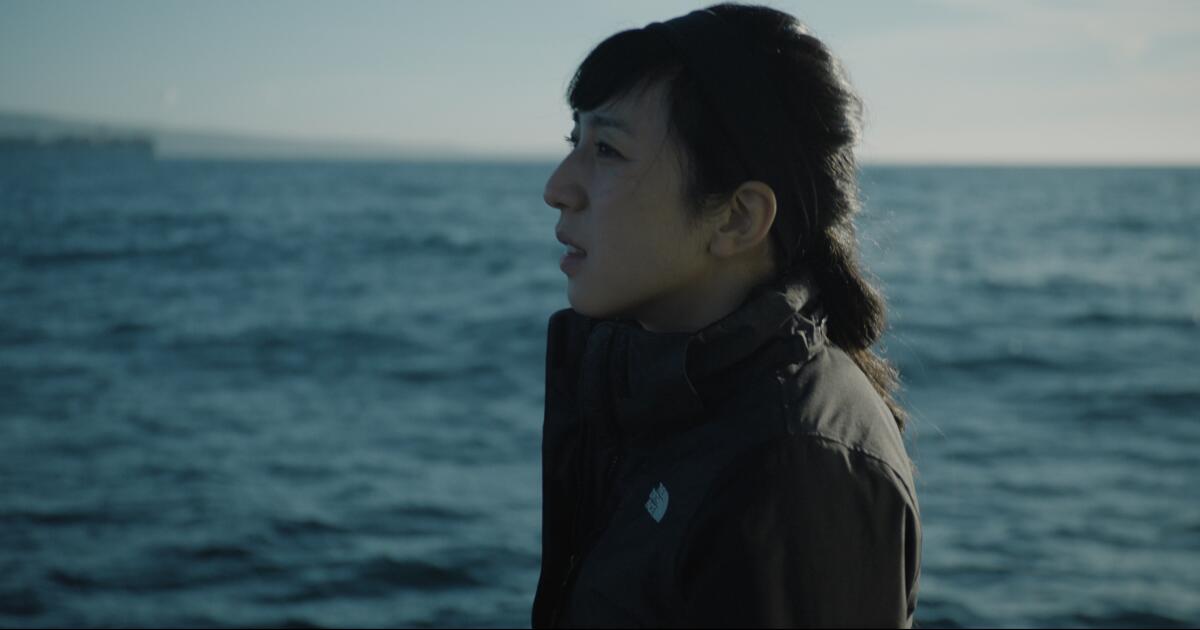
For years, Times environmental reporter and Pulitzer finalist Rosanna Xia has been covering the legacy of forever chemical DDT, a pesticide once applied to humans as innocuously as hairspray and yardhose water. In 2020 she broke the story that barrels of DDT’s toxic waste, last sent to the ocean floor decades ago by its biggest manufacturer, Montrose, were closer to Southern California’s shores than previously thought. Her ongoing investigative work is now the subject of a documentary, “Out of Plain Sight,” which Xia co-directed with Daniel Straub. (Full disclosure: It was produced by L.A. Times Studios, an affiliate company.)

The film is a fleet, urgent-sounding dispatch, centering on Xia herself as an intrepid factfinder roving the affected coastline, dropping in on scientists, oceanographers, biologists and wildlife experts as she tries to piece together the effects of half a million barrels of forgotten DDT, banned in 1972 but still having an impact on an already fragile ecosystem and the descendants of those exposed to it. Her inspiration, quoted up top and glimpsed in archival footage, is Rachel Carson, whose seminal 1962 book, “Silent Spring,” spurred enough public outcry against chemical pesticides to lead to the creation of the Environmental Protection Agency.

Carson’s galvanizing alarm was, paradoxically, an absence, seen in declining bird populations (hence the “silent” of her title). Xia’s clarion call, meanwhile, starts with robot-captured images of leaking barrels on the ocean floor. That’s the beginning of the sea-to-land food chain that starts with DDT-ridden marine life. Microplastics are the current bete noire and rightly so, but we’re still in the dark about the causal calamity of a past era’s chemical polluting. It’s one thing if a company like Montrose, now defunct, once believed no one would notice their massive DDT-waste-dumping operation. It’s another, the movie argues, if we choose not to wrestle with the environmental ramifications being felt today.

“Out of Plain Sight” strives to be more cinematically alive than the standard talking-head-laden documentary. A brief history of DDT, from the corporate excitement over its invention to protesting, is given a snazzy split-screen archival montage treatment, sourced from educational films, newsreels and interviews but scored to the Zombies’ “I Don’t Want to Know” as a cheeky touch. And all of Xia’s interviews are filmed in the field in a vérité style, a nod to journalism in action, from UC San Diego labs and mammal rescue operations treating cancer-riven sea lions to microbiologist David Valentine’s attempts to collect samples from those time-bomb-like barrels of sludge.

Though we need movies that demystify journalism (and Xia is an appealing on-camera correspondent), that aspect is less interesting than the propulsive portrait of a dedicated, multi-pronged effort to expose, understand and hopefully clean up a still-viable threat. “Out of Plain Sight” doesn’t need to be earthshaking filmmaking to relay a valuable ongoing story about a hidden nightmare for all of us. It brings to mind another famous saying, just as applicable to DDT’s longevity as the one about the Marines, from William Faulkner: “The past is never dead — it’s not even past.”

‘Out of Plain Sight’

Not rated

Running time: 1 hour, 34 minutes

Playing: Opens Friday, Nov. 21 at Laemmle NoHo 7

p]:text-cms-story-body-color-text clearfix”>

“Forever chemicals” don’t die — they just regroup. Only instead of regrouping in hell, as that old Marines saying goes, it’s in the oceans, where such compounds were dumped for decades.

For years, Times environmental reporter and Pulitzer finalist Rosanna Xia has been covering the legacy of forever chemical DDT, a pesticide once applied to humans as innocuously as hairspray and yardhose water. In 2020 she broke the story that barrels of DDT’s toxic waste, last sent to the ocean floor decades ago by its biggest manufacturer, Montrose, were closer to Southern California’s shores than previously thought. Her ongoing investigative work is now the subject of a documentary, “Out of Plain Sight,” which Xia co-directed with Daniel Straub. (Full disclosure: It was produced by L.A. Times Studios, an affiliate company.)

The film is a fleet, urgent-sounding dispatch, centering on Xia herself as an intrepid factfinder roving the affected coastline, dropping in on scientists, oceanographers, biologists and wildlife experts as she tries to piece together the effects of half a million barrels of forgotten DDT, banned in 1972 but still having an impact on an already fragile ecosystem and the descendants of those exposed to it. Her inspiration, quoted up top and glimpsed in archival footage, is Rachel Carson, whose seminal 1962 book, “Silent Spring,” spurred enough public outcry against chemical pesticides to lead to the creation of the Environmental Protection Agency.

Carson’s galvanizing alarm was, paradoxically, an absence, seen in declining bird populations (hence the “silent” of her title). Xia’s clarion call, meanwhile, starts with robot-captured images of leaking barrels on the ocean floor. That’s the beginning of the sea-to-land food chain that starts with DDT-ridden marine life. Microplastics are the current bete noire and rightly so, but we’re still in the dark about the causal calamity of a past era’s chemical polluting. It’s one thing if a company like Montrose, now defunct, once believed no one would notice their massive DDT-waste-dumping operation. It’s another, the movie argues, if we choose not to wrestle with the environmental ramifications being felt today.

“Out of Plain Sight” strives to be more cinematically alive than the standard talking-head-laden documentary. A brief history of DDT, from the corporate excitement over its invention to protesting, is given a snazzy split-screen archival montage treatment, sourced from educational films, newsreels and interviews but scored to the Zombies’ “I Don’t Want to Know” as a cheeky touch. And all of Xia’s interviews are filmed in the field in a vérité style, a nod to journalism in action, from UC San Diego labs and mammal rescue operations treating cancer-riven sea lions to microbiologist David Valentine’s attempts to collect samples from those time-bomb-like barrels of sludge.

Though we need movies that demystify journalism (and Xia is an appealing on-camera correspondent), that aspect is less interesting than the propulsive portrait of a dedicated, multi-pronged effort to expose, understand and hopefully clean up a still-viable threat. “Out of Plain Sight” doesn’t need to be earthshaking filmmaking to relay a valuable ongoing story about a hidden nightmare for all of us. It brings to mind another famous saying, just as applicable to DDT’s longevity as the one about the Marines, from William Faulkner: “The past is never dead — it’s not even past.”

‘Out of Plain Sight’

Not rated

Running time: 1 hour, 34 minutes

Playing: Opens Friday, Nov. 21 at Laemmle NoHo 7

p]:text-cms-story-body-color-text clearfix”>

“Forever chemicals” don’t die — they just regroup. Only instead of regrouping in hell, as that old Marines saying goes, it’s in the oceans, where such compounds were dumped for decades.

For years, Times environmental reporter and Pulitzer finalist Rosanna Xia has been covering the legacy of forever chemical DDT, a pesticide once applied to humans as innocuously as hairspray and yardhose water. In 2020 she broke the story that barrels of DDT’s toxic waste, last sent to the ocean floor decades ago by its biggest manufacturer, Montrose, were closer to Southern California’s shores than previously thought. Her ongoing investigative work is now the subject of a documentary, “Out of Plain Sight,” which Xia co-directed with Daniel Straub. (Full disclosure: It was produced by L.A. Times Studios, an affiliate company.)

The film is a fleet, urgent-sounding dispatch, centering on Xia herself as an intrepid factfinder roving the affected coastline, dropping in on scientists, oceanographers, biologists and wildlife experts as she tries to piece together the effects of half a million barrels of forgotten DDT, banned in 1972 but still having an impact on an already fragile ecosystem and the descendants of those exposed to it. Her inspiration, quoted up top and glimpsed in archival footage, is Rachel Carson, whose seminal 1962 book, “Silent Spring,” spurred enough public outcry against chemical pesticides to lead to the creation of the Environmental Protection Agency.

Carson’s galvanizing alarm was, paradoxically, an absence, seen in declining bird populations (hence the “silent” of her title). Xia’s clarion call, meanwhile, starts with robot-captured images of leaking barrels on the ocean floor. That’s the beginning of the sea-to-land food chain that starts with DDT-ridden marine life. Microplastics are the current bete noire and rightly so, but we’re still in the dark about the causal calamity of a past era’s chemical polluting. It’s one thing if a company like Montrose, now defunct, once believed no one would notice their massive DDT-waste-dumping operation. It’s another, the movie argues, if we choose not to wrestle with the environmental ramifications being felt today.

“Out of Plain Sight” strives to be more cinematically alive than the standard talking-head-laden documentary. A brief history of DDT, from the corporate excitement over its invention to protesting, is given a snazzy split-screen archival montage treatment, sourced from educational films, newsreels and interviews but scored to the Zombies’ “I Don’t Want to Know” as a cheeky touch. And all of Xia’s interviews are filmed in the field in a vérité style, a nod to journalism in action, from UC San Diego labs and mammal rescue operations treating cancer-riven sea lions to microbiologist David Valentine’s attempts to collect samples from those time-bomb-like barrels of sludge.

Though we need movies that demystify journalism (and Xia is an appealing on-camera correspondent), that aspect is less interesting than the propulsive portrait of a dedicated, multi-pronged effort to expose, understand and hopefully clean up a still-viable threat. “Out of Plain Sight” doesn’t need to be earthshaking filmmaking to relay a valuable ongoing story about a hidden nightmare for all of us. It brings to mind another famous saying, just as applicable to DDT’s longevity as the one about the Marines, from William Faulkner: “The past is never dead — it’s not even past.”

‘Out of Plain Sight’

Not rated

Running time: 1 hour, 34 minutes

Playing: Opens Friday, Nov. 21 at Laemmle NoHo 7

p]:text-cms-story-body-color-text clearfix”>

“Forever chemicals” don’t die — they just regroup. Only instead of regrouping in hell, as that old Marines saying goes, it’s in the oceans, where such compounds were dumped for decades.

For years, Times environmental reporter and Pulitzer finalist Rosanna Xia has been covering the legacy of forever chemical DDT, a pesticide once applied to humans as innocuously as hairspray and yardhose water. In 2020 she broke the story that barrels of DDT’s toxic waste, last sent to the ocean floor decades ago by its biggest manufacturer, Montrose, were closer to Southern California’s shores than previously thought. Her ongoing investigative work is now the subject of a documentary, “Out of Plain Sight,” which Xia co-directed with Daniel Straub. (Full disclosure: It was produced by L.A. Times Studios, an affiliate company.)

The film is a fleet, urgent-sounding dispatch, centering on Xia herself as an intrepid factfinder roving the affected coastline, dropping in on scientists, oceanographers, biologists and wildlife experts as she tries to piece together the effects of half a million barrels of forgotten DDT, banned in 1972 but still having an impact on an already fragile ecosystem and the descendants of those exposed to it. Her inspiration, quoted up top and glimpsed in archival footage, is Rachel Carson, whose seminal 1962 book, “Silent Spring,” spurred enough public outcry against chemical pesticides to lead to the creation of the Environmental Protection Agency.

Carson’s galvanizing alarm was, paradoxically, an absence, seen in declining bird populations (hence the “silent” of her title). Xia’s clarion call, meanwhile, starts with robot-captured images of leaking barrels on the ocean floor. That’s the beginning of the sea-to-land food chain that starts with DDT-ridden marine life. Microplastics are the current bete noire and rightly so, but we’re still in the dark about the causal calamity of a past era’s chemical polluting. It’s one thing if a company like Montrose, now defunct, once believed no one would notice their massive DDT-waste-dumping operation. It’s another, the movie argues, if we choose not to wrestle with the environmental ramifications being felt today.

“Out of Plain Sight” strives to be more cinematically alive than the standard talking-head-laden documentary. A brief history of DDT, from the corporate excitement over its invention to protesting, is given a snazzy split-screen archival montage treatment, sourced from educational films, newsreels and interviews but scored to the Zombies’ “I Don’t Want to Know” as a cheeky touch. And all of Xia’s interviews are filmed in the field in a vérité style, a nod to journalism in action, from UC San Diego labs and mammal rescue operations treating cancer-riven sea lions to microbiologist David Valentine’s attempts to collect samples from those time-bomb-like barrels of sludge.

Though we need movies that demystify journalism (and Xia is an appealing on-camera correspondent), that aspect is less interesting than the propulsive portrait of a dedicated, multi-pronged effort to expose, understand and hopefully clean up a still-viable threat. “Out of Plain Sight” doesn’t need to be earthshaking filmmaking to relay a valuable ongoing story about a hidden nightmare for all of us. It brings to mind another famous saying, just as applicable to DDT’s longevity as the one about the Marines, from William Faulkner: “The past is never dead — it’s not even past.”

‘Out of Plain Sight’

Not rated

Running time: 1 hour, 34 minutes

Playing: Opens Friday, Nov. 21 at Laemmle NoHo 7

p]:text-cms-story-body-color-text clearfix”>

“Forever chemicals” don’t die — they just regroup. Only instead of regrouping in hell, as that old Marines saying goes, it’s in the oceans, where such compounds were dumped for decades.

For years, Times environmental reporter and Pulitzer finalist Rosanna Xia has been covering the legacy of forever chemical DDT, a pesticide once applied to humans as innocuously as hairspray and yardhose water. In 2020 she broke the story that barrels of DDT’s toxic waste, last sent to the ocean floor decades ago by its biggest manufacturer, Montrose, were closer to Southern California’s shores than previously thought. Her ongoing investigative work is now the subject of a documentary, “Out of Plain Sight,” which Xia co-directed with Daniel Straub. (Full disclosure: It was produced by L.A. Times Studios, an affiliate company.)

The film is a fleet, urgent-sounding dispatch, centering on Xia herself as an intrepid factfinder roving the affected coastline, dropping in on scientists, oceanographers, biologists and wildlife experts as she tries to piece together the effects of half a million barrels of forgotten DDT, banned in 1972 but still having an impact on an already fragile ecosystem and the descendants of those exposed to it. Her inspiration, quoted up top and glimpsed in archival footage, is Rachel Carson, whose seminal 1962 book, “Silent Spring,” spurred enough public outcry against chemical pesticides to lead to the creation of the Environmental Protection Agency.

Carson’s galvanizing alarm was, paradoxically, an absence, seen in declining bird populations (hence the “silent” of her title). Xia’s clarion call, meanwhile, starts with robot-captured images of leaking barrels on the ocean floor. That’s the beginning of the sea-to-land food chain that starts with DDT-ridden marine life. Microplastics are the current bete noire and rightly so, but we’re still in the dark about the causal calamity of a past era’s chemical polluting. It’s one thing if a company like Montrose, now defunct, once believed no one would notice their massive DDT-waste-dumping operation. It’s another, the movie argues, if we choose not to wrestle with the environmental ramifications being felt today.

“Out of Plain Sight” strives to be more cinematically alive than the standard talking-head-laden documentary. A brief history of DDT, from the corporate excitement over its invention to protesting, is given a snazzy split-screen archival montage treatment, sourced from educational films, newsreels and interviews but scored to the Zombies’ “I Don’t Want to Know” as a cheeky touch. And all of Xia’s interviews are filmed in the field in a vérité style, a nod to journalism in action, from UC San Diego labs and mammal rescue operations treating cancer-riven sea lions to microbiologist David Valentine’s attempts to collect samples from those time-bomb-like barrels of sludge.

Though we need movies that demystify journalism (and Xia is an appealing on-camera correspondent), that aspect is less interesting than the propulsive portrait of a dedicated, multi-pronged effort to expose, understand and hopefully clean up a still-viable threat. “Out of Plain Sight” doesn’t need to be earthshaking filmmaking to relay a valuable ongoing story about a hidden nightmare for all of us. It brings to mind another famous saying, just as applicable to DDT’s longevity as the one about the Marines, from William Faulkner: “The past is never dead — it’s not even past.”

‘Out of Plain Sight’

Not rated

Running time: 1 hour, 34 minutes

Playing: Opens Friday, Nov. 21 at Laemmle NoHo 7

p]:text-cms-story-body-color-text clearfix”>

“Forever chemicals” don’t die — they just regroup. Only instead of regrouping in hell, as that old Marines saying goes, it’s in the oceans, where such compounds were dumped for decades.

For years, Times environmental reporter and Pulitzer finalist Rosanna Xia has been covering the legacy of forever chemical DDT, a pesticide once applied to humans as innocuously as hairspray and yardhose water. In 2020 she broke the story that barrels of DDT’s toxic waste, last sent to the ocean floor decades ago by its biggest manufacturer, Montrose, were closer to Southern California’s shores than previously thought. Her ongoing investigative work is now the subject of a documentary, “Out of Plain Sight,” which Xia co-directed with Daniel Straub. (Full disclosure: It was produced by L.A. Times Studios, an affiliate company.)

The film is a fleet, urgent-sounding dispatch, centering on Xia herself as an intrepid factfinder roving the affected coastline, dropping in on scientists, oceanographers, biologists and wildlife experts as she tries to piece together the effects of half a million barrels of forgotten DDT, banned in 1972 but still having an impact on an already fragile ecosystem and the descendants of those exposed to it. Her inspiration, quoted up top and glimpsed in archival footage, is Rachel Carson, whose seminal 1962 book, “Silent Spring,” spurred enough public outcry against chemical pesticides to lead to the creation of the Environmental Protection Agency.

Carson’s galvanizing alarm was, paradoxically, an absence, seen in declining bird populations (hence the “silent” of her title). Xia’s clarion call, meanwhile, starts with robot-captured images of leaking barrels on the ocean floor. That’s the beginning of the sea-to-land food chain that starts with DDT-ridden marine life. Microplastics are the current bete noire and rightly so, but we’re still in the dark about the causal calamity of a past era’s chemical polluting. It’s one thing if a company like Montrose, now defunct, once believed no one would notice their massive DDT-waste-dumping operation. It’s another, the movie argues, if we choose not to wrestle with the environmental ramifications being felt today.

“Out of Plain Sight” strives to be more cinematically alive than the standard talking-head-laden documentary. A brief history of DDT, from the corporate excitement over its invention to protesting, is given a snazzy split-screen archival montage treatment, sourced from educational films, newsreels and interviews but scored to the Zombies’ “I Don’t Want to Know” as a cheeky touch. And all of Xia’s interviews are filmed in the field in a vérité style, a nod to journalism in action, from UC San Diego labs and mammal rescue operations treating cancer-riven sea lions to microbiologist David Valentine’s attempts to collect samples from those time-bomb-like barrels of sludge.

Though we need movies that demystify journalism (and Xia is an appealing on-camera correspondent), that aspect is less interesting than the propulsive portrait of a dedicated, multi-pronged effort to expose, understand and hopefully clean up a still-viable threat. “Out of Plain Sight” doesn’t need to be earthshaking filmmaking to relay a valuable ongoing story about a hidden nightmare for all of us. It brings to mind another famous saying, just as applicable to DDT’s longevity as the one about the Marines, from William Faulkner: “The past is never dead — it’s not even past.”

‘Out of Plain Sight’

Not rated

Running time: 1 hour, 34 minutes

Playing: Opens Friday, Nov. 21 at Laemmle NoHo 7

p]:text-cms-story-body-color-text clearfix”>

“Forever chemicals” don’t die — they just regroup. Only instead of regrouping in hell, as that old Marines saying goes, it’s in the oceans, where such compounds were dumped for decades.

For years, Times environmental reporter and Pulitzer finalist Rosanna Xia has been covering the legacy of forever chemical DDT, a pesticide once applied to humans as innocuously as hairspray and yardhose water. In 2020 she broke the story that barrels of DDT’s toxic waste, last sent to the ocean floor decades ago by its biggest manufacturer, Montrose, were closer to Southern California’s shores than previously thought. Her ongoing investigative work is now the subject of a documentary, “Out of Plain Sight,” which Xia co-directed with Daniel Straub. (Full disclosure: It was produced by L.A. Times Studios, an affiliate company.)

The film is a fleet, urgent-sounding dispatch, centering on Xia herself as an intrepid factfinder roving the affected coastline, dropping in on scientists, oceanographers, biologists and wildlife experts as she tries to piece together the effects of half a million barrels of forgotten DDT, banned in 1972 but still having an impact on an already fragile ecosystem and the descendants of those exposed to it. Her inspiration, quoted up top and glimpsed in archival footage, is Rachel Carson, whose seminal 1962 book, “Silent Spring,” spurred enough public outcry against chemical pesticides to lead to the creation of the Environmental Protection Agency.

Carson’s galvanizing alarm was, paradoxically, an absence, seen in declining bird populations (hence the “silent” of her title). Xia’s clarion call, meanwhile, starts with robot-captured images of leaking barrels on the ocean floor. That’s the beginning of the sea-to-land food chain that starts with DDT-ridden marine life. Microplastics are the current bete noire and rightly so, but we’re still in the dark about the causal calamity of a past era’s chemical polluting. It’s one thing if a company like Montrose, now defunct, once believed no one would notice their massive DDT-waste-dumping operation. It’s another, the movie argues, if we choose not to wrestle with the environmental ramifications being felt today.

“Out of Plain Sight” strives to be more cinematically alive than the standard talking-head-laden documentary. A brief history of DDT, from the corporate excitement over its invention to protesting, is given a snazzy split-screen archival montage treatment, sourced from educational films, newsreels and interviews but scored to the Zombies’ “I Don’t Want to Know” as a cheeky touch. And all of Xia’s interviews are filmed in the field in a vérité style, a nod to journalism in action, from UC San Diego labs and mammal rescue operations treating cancer-riven sea lions to microbiologist David Valentine’s attempts to collect samples from those time-bomb-like barrels of sludge.

Though we need movies that demystify journalism (and Xia is an appealing on-camera correspondent), that aspect is less interesting than the propulsive portrait of a dedicated, multi-pronged effort to expose, understand and hopefully clean up a still-viable threat. “Out of Plain Sight” doesn’t need to be earthshaking filmmaking to relay a valuable ongoing story about a hidden nightmare for all of us. It brings to mind another famous saying, just as applicable to DDT’s longevity as the one about the Marines, from William Faulkner: “The past is never dead — it’s not even past.”

‘Out of Plain Sight’

Not rated

Running time: 1 hour, 34 minutes

Playing: Opens Friday, Nov. 21 at Laemmle NoHo 7

p]:text-cms-story-body-color-text clearfix”>

“Forever chemicals” don’t die — they just regroup. Only instead of regrouping in hell, as that old Marines saying goes, it’s in the oceans, where such compounds were dumped for decades.

For years, Times environmental reporter and Pulitzer finalist Rosanna Xia has been covering the legacy of forever chemical DDT, a pesticide once applied to humans as innocuously as hairspray and yardhose water. In 2020 she broke the story that barrels of DDT’s toxic waste, last sent to the ocean floor decades ago by its biggest manufacturer, Montrose, were closer to Southern California’s shores than previously thought. Her ongoing investigative work is now the subject of a documentary, “Out of Plain Sight,” which Xia co-directed with Daniel Straub. (Full disclosure: It was produced by L.A. Times Studios, an affiliate company.)

The film is a fleet, urgent-sounding dispatch, centering on Xia herself as an intrepid factfinder roving the affected coastline, dropping in on scientists, oceanographers, biologists and wildlife experts as she tries to piece together the effects of half a million barrels of forgotten DDT, banned in 1972 but still having an impact on an already fragile ecosystem and the descendants of those exposed to it. Her inspiration, quoted up top and glimpsed in archival footage, is Rachel Carson, whose seminal 1962 book, “Silent Spring,” spurred enough public outcry against chemical pesticides to lead to the creation of the Environmental Protection Agency.

Carson’s galvanizing alarm was, paradoxically, an absence, seen in declining bird populations (hence the “silent” of her title). Xia’s clarion call, meanwhile, starts with robot-captured images of leaking barrels on the ocean floor. That’s the beginning of the sea-to-land food chain that starts with DDT-ridden marine life. Microplastics are the current bete noire and rightly so, but we’re still in the dark about the causal calamity of a past era’s chemical polluting. It’s one thing if a company like Montrose, now defunct, once believed no one would notice their massive DDT-waste-dumping operation. It’s another, the movie argues, if we choose not to wrestle with the environmental ramifications being felt today.

“Out of Plain Sight” strives to be more cinematically alive than the standard talking-head-laden documentary. A brief history of DDT, from the corporate excitement over its invention to protesting, is given a snazzy split-screen archival montage treatment, sourced from educational films, newsreels and interviews but scored to the Zombies’ “I Don’t Want to Know” as a cheeky touch. And all of Xia’s interviews are filmed in the field in a vérité style, a nod to journalism in action, from UC San Diego labs and mammal rescue operations treating cancer-riven sea lions to microbiologist David Valentine’s attempts to collect samples from those time-bomb-like barrels of sludge.

Though we need movies that demystify journalism (and Xia is an appealing on-camera correspondent), that aspect is less interesting than the propulsive portrait of a dedicated, multi-pronged effort to expose, understand and hopefully clean up a still-viable threat. “Out of Plain Sight” doesn’t need to be earthshaking filmmaking to relay a valuable ongoing story about a hidden nightmare for all of us. It brings to mind another famous saying, just as applicable to DDT’s longevity as the one about the Marines, from William Faulkner: “The past is never dead — it’s not even past.”

‘Out of Plain Sight’

Not rated

Running time: 1 hour, 34 minutes

Playing: Opens Friday, Nov. 21 at Laemmle NoHo 7

Leave a Reply Cancel reply

Your email address will not be published. Required fields are marked *

Recommended

Snoop Dogg set as torchbearer for 2024 Paris Olympics

2 years ago

Behind Hamas’s Bloody Gambit to Create a ‘Permanent’ State of War

2 years ago

10 iconic Frank Gehry buildings around the world

4 months ago

A new play finally captures who Joan Rivers was

1 year ago
Yonkers Observer

© 2025 Yonkers Observer or its affiliated companies.

Navigate Site

  • About
  • Advertise
  • Terms & Conditions
  • Privacy Policy
  • Disclaimer
  • Contact

Follow Us

No Result
View All Result
  • Home
  • World
  • Politics
  • Finance
  • Technology
  • Health
  • Culture
  • Entertainment
  • Trend

© 2025 Yonkers Observer or its affiliated companies.

Welcome Back!

Login to your account below

Forgotten Password?

Retrieve your password

Please enter your username or email address to reset your password.

Log In