Tuesday, June 16, 2026
Washington DC
New York
Toronto
Distribution: (800) 510 9863
Press ID
  • Login
RH NEWSROOM National News and Press Releases. Local and Regional Perspectives. Media Advisories.
Yonkers Observer
  • Home
  • World
  • Politics
  • Finance
  • Technology
  • Health
  • Culture
  • Entertainment
  • Trend
No Result
View All Result
  • Home
  • World
  • Politics
  • Finance
  • Technology
  • Health
  • Culture
  • Entertainment
  • Trend
No Result
View All Result
Yonkers Observer
No Result
View All Result
Home Culture

Oscars: Emma Stone wins best actress, ends Lily Gladstone’s historic run

by Yonkers Observer Report
March 11, 2024
in Culture
Share on FacebookShare on Twitter

When Lily Gladstone was nominated for the lead actress Oscar for “Killers of the Flower Moon,” she sparked a wave of hope inside and outside Hollywood that she would become the first Native American to win the prize, in the Academy Awards’ 96th year.

And though she received a robust wave of applause when her name was announced during the presentation of the nominees, her journey ended in disappointment as “Poor Things’” Emma Stone claimed the lead actress honor instead.

“It’s not about me — it’s about a team that came together to make something greater than the sum of its parts,” said Stone, in tears, upon claiming her second lead actress Oscar, having previously won for “La La Land” in 2017. There was surprise in the room and even on stage: Jennifer Lawrence, one of the presenters, lifted her hands to her mouth in shock as Michelle Yeoh read Stone’s name.

The honor followed on the heels of her BAFTA win for Yorgos Lanthimos’ puckish spin on the costume drama, in which Stone plays a woman who finds liberation and self-actualization after being brought back to life by an eccentric surgeon. As a producer on the film, Stone also was nominated for best picture, capping off a triumphant year offscreen as well: Through Fruit Tree, Stone’s production company with husband Dave McCary, she also was behind acclaimed TV series “The Curse,” recent indie release “Problemista” and Sundance darlings “I Saw the TV Glow” and “A Real Pain.”

The other nominees in the category were Annette Bening (“Nyad”), Sandra Hüller (“Anatomy of a Fall”), and Carey Mulligan (“Maestro.”).

“Killers of the Flower Moon” came up short in other marquee categories, including Robert De Niro for supporting actor and Martin Scorsese for director. (Gladstone’s co-star, Leonardo DiCaprio, was not nominated for his leading role.) Indeed, as awards season entered its later stages, it became apparent that Gladstone represented the film’s best chance for an Oscar win.

She received near-universal acclaim for her performance as real-life figure Mollie Burkhart, an Osage woman who is targeted along with other members of her family and the broader Native population of Osage County, Okla., during the 1920s as part of a murderous plot to steal the rights to their oil-rich land. And since the film earned a nine-minute standing ovation last May when it premiered at the Cannes Film Festival, Gladstone had gone on to win precursor awards from the Golden Globes and the Screen Actors Guild. Still, some Oscar watchers feared that her relatively limited screen time and the narrative’s focus on DiCaprio’s character might hurt her chances against a more traditional leading role like Stone’s.

Those concerns came to pass Sunday when Stone’s name was called, putting an end to Gladstone’s historic campaign. Gladstone, who is of Siksikaitsitapii/Nimíipuu heritage, was born in Montana and grew up on the Blackfeet reservation. She joins the likes of Keisha Castle-Hughes (“Whale Rider”), who is Māori, and Yalitza Aparicio (“Roma”), who is Mixtec and Triqui from Mexico, among the Indigenous women who’ve been nominated for lead actress but did not go on to win.

When Lily Gladstone was nominated for the lead actress Oscar for “Killers of the Flower Moon,” she sparked a wave of hope inside and outside Hollywood that she would become the first Native American to win the prize, in the Academy Awards’ 96th year.

And though she received a robust wave of applause when her name was announced during the presentation of the nominees, her journey ended in disappointment as “Poor Things’” Emma Stone claimed the lead actress honor instead.

“It’s not about me — it’s about a team that came together to make something greater than the sum of its parts,” said Stone, in tears, upon claiming her second lead actress Oscar, having previously won for “La La Land” in 2017. There was surprise in the room and even on stage: Jennifer Lawrence, one of the presenters, lifted her hands to her mouth in shock as Michelle Yeoh read Stone’s name.

The honor followed on the heels of her BAFTA win for Yorgos Lanthimos’ puckish spin on the costume drama, in which Stone plays a woman who finds liberation and self-actualization after being brought back to life by an eccentric surgeon. As a producer on the film, Stone also was nominated for best picture, capping off a triumphant year offscreen as well: Through Fruit Tree, Stone’s production company with husband Dave McCary, she also was behind acclaimed TV series “The Curse,” recent indie release “Problemista” and Sundance darlings “I Saw the TV Glow” and “A Real Pain.”

The other nominees in the category were Annette Bening (“Nyad”), Sandra Hüller (“Anatomy of a Fall”), and Carey Mulligan (“Maestro.”).

“Killers of the Flower Moon” came up short in other marquee categories, including Robert De Niro for supporting actor and Martin Scorsese for director. (Gladstone’s co-star, Leonardo DiCaprio, was not nominated for his leading role.) Indeed, as awards season entered its later stages, it became apparent that Gladstone represented the film’s best chance for an Oscar win.

She received near-universal acclaim for her performance as real-life figure Mollie Burkhart, an Osage woman who is targeted along with other members of her family and the broader Native population of Osage County, Okla., during the 1920s as part of a murderous plot to steal the rights to their oil-rich land. And since the film earned a nine-minute standing ovation last May when it premiered at the Cannes Film Festival, Gladstone had gone on to win precursor awards from the Golden Globes and the Screen Actors Guild. Still, some Oscar watchers feared that her relatively limited screen time and the narrative’s focus on DiCaprio’s character might hurt her chances against a more traditional leading role like Stone’s.

Those concerns came to pass Sunday when Stone’s name was called, putting an end to Gladstone’s historic campaign. Gladstone, who is of Siksikaitsitapii/Nimíipuu heritage, was born in Montana and grew up on the Blackfeet reservation. She joins the likes of Keisha Castle-Hughes (“Whale Rider”), who is Māori, and Yalitza Aparicio (“Roma”), who is Mixtec and Triqui from Mexico, among the Indigenous women who’ve been nominated for lead actress but did not go on to win.

When Lily Gladstone was nominated for the lead actress Oscar for “Killers of the Flower Moon,” she sparked a wave of hope inside and outside Hollywood that she would become the first Native American to win the prize, in the Academy Awards’ 96th year.

And though she received a robust wave of applause when her name was announced during the presentation of the nominees, her journey ended in disappointment as “Poor Things’” Emma Stone claimed the lead actress honor instead.

“It’s not about me — it’s about a team that came together to make something greater than the sum of its parts,” said Stone, in tears, upon claiming her second lead actress Oscar, having previously won for “La La Land” in 2017. There was surprise in the room and even on stage: Jennifer Lawrence, one of the presenters, lifted her hands to her mouth in shock as Michelle Yeoh read Stone’s name.

The honor followed on the heels of her BAFTA win for Yorgos Lanthimos’ puckish spin on the costume drama, in which Stone plays a woman who finds liberation and self-actualization after being brought back to life by an eccentric surgeon. As a producer on the film, Stone also was nominated for best picture, capping off a triumphant year offscreen as well: Through Fruit Tree, Stone’s production company with husband Dave McCary, she also was behind acclaimed TV series “The Curse,” recent indie release “Problemista” and Sundance darlings “I Saw the TV Glow” and “A Real Pain.”

The other nominees in the category were Annette Bening (“Nyad”), Sandra Hüller (“Anatomy of a Fall”), and Carey Mulligan (“Maestro.”).

“Killers of the Flower Moon” came up short in other marquee categories, including Robert De Niro for supporting actor and Martin Scorsese for director. (Gladstone’s co-star, Leonardo DiCaprio, was not nominated for his leading role.) Indeed, as awards season entered its later stages, it became apparent that Gladstone represented the film’s best chance for an Oscar win.

She received near-universal acclaim for her performance as real-life figure Mollie Burkhart, an Osage woman who is targeted along with other members of her family and the broader Native population of Osage County, Okla., during the 1920s as part of a murderous plot to steal the rights to their oil-rich land. And since the film earned a nine-minute standing ovation last May when it premiered at the Cannes Film Festival, Gladstone had gone on to win precursor awards from the Golden Globes and the Screen Actors Guild. Still, some Oscar watchers feared that her relatively limited screen time and the narrative’s focus on DiCaprio’s character might hurt her chances against a more traditional leading role like Stone’s.

Those concerns came to pass Sunday when Stone’s name was called, putting an end to Gladstone’s historic campaign. Gladstone, who is of Siksikaitsitapii/Nimíipuu heritage, was born in Montana and grew up on the Blackfeet reservation. She joins the likes of Keisha Castle-Hughes (“Whale Rider”), who is Māori, and Yalitza Aparicio (“Roma”), who is Mixtec and Triqui from Mexico, among the Indigenous women who’ve been nominated for lead actress but did not go on to win.

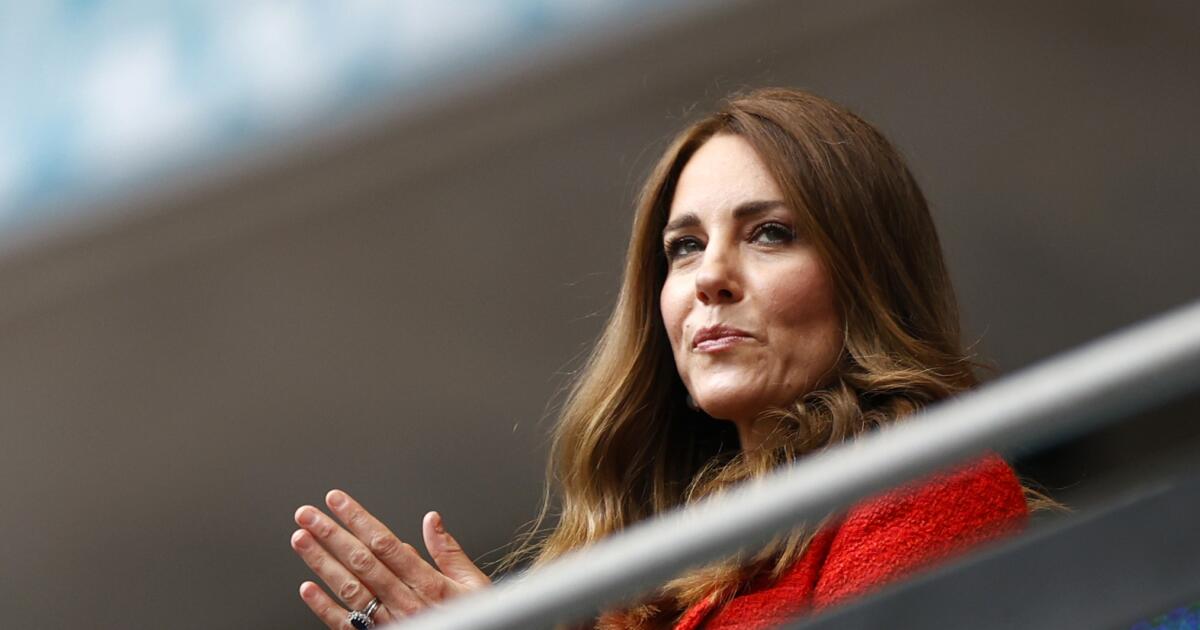
When Lily Gladstone was nominated for the lead actress Oscar for “Killers of the Flower Moon,” she sparked a wave of hope inside and outside Hollywood that she would become the first Native American to win the prize, in the Academy Awards’ 96th year.

And though she received a robust wave of applause when her name was announced during the presentation of the nominees, her journey ended in disappointment as “Poor Things’” Emma Stone claimed the lead actress honor instead.

“It’s not about me — it’s about a team that came together to make something greater than the sum of its parts,” said Stone, in tears, upon claiming her second lead actress Oscar, having previously won for “La La Land” in 2017. There was surprise in the room and even on stage: Jennifer Lawrence, one of the presenters, lifted her hands to her mouth in shock as Michelle Yeoh read Stone’s name.

The honor followed on the heels of her BAFTA win for Yorgos Lanthimos’ puckish spin on the costume drama, in which Stone plays a woman who finds liberation and self-actualization after being brought back to life by an eccentric surgeon. As a producer on the film, Stone also was nominated for best picture, capping off a triumphant year offscreen as well: Through Fruit Tree, Stone’s production company with husband Dave McCary, she also was behind acclaimed TV series “The Curse,” recent indie release “Problemista” and Sundance darlings “I Saw the TV Glow” and “A Real Pain.”

The other nominees in the category were Annette Bening (“Nyad”), Sandra Hüller (“Anatomy of a Fall”), and Carey Mulligan (“Maestro.”).

“Killers of the Flower Moon” came up short in other marquee categories, including Robert De Niro for supporting actor and Martin Scorsese for director. (Gladstone’s co-star, Leonardo DiCaprio, was not nominated for his leading role.) Indeed, as awards season entered its later stages, it became apparent that Gladstone represented the film’s best chance for an Oscar win.

She received near-universal acclaim for her performance as real-life figure Mollie Burkhart, an Osage woman who is targeted along with other members of her family and the broader Native population of Osage County, Okla., during the 1920s as part of a murderous plot to steal the rights to their oil-rich land. And since the film earned a nine-minute standing ovation last May when it premiered at the Cannes Film Festival, Gladstone had gone on to win precursor awards from the Golden Globes and the Screen Actors Guild. Still, some Oscar watchers feared that her relatively limited screen time and the narrative’s focus on DiCaprio’s character might hurt her chances against a more traditional leading role like Stone’s.

Those concerns came to pass Sunday when Stone’s name was called, putting an end to Gladstone’s historic campaign. Gladstone, who is of Siksikaitsitapii/Nimíipuu heritage, was born in Montana and grew up on the Blackfeet reservation. She joins the likes of Keisha Castle-Hughes (“Whale Rider”), who is Māori, and Yalitza Aparicio (“Roma”), who is Mixtec and Triqui from Mexico, among the Indigenous women who’ve been nominated for lead actress but did not go on to win.

When Lily Gladstone was nominated for the lead actress Oscar for “Killers of the Flower Moon,” she sparked a wave of hope inside and outside Hollywood that she would become the first Native American to win the prize, in the Academy Awards’ 96th year.

And though she received a robust wave of applause when her name was announced during the presentation of the nominees, her journey ended in disappointment as “Poor Things’” Emma Stone claimed the lead actress honor instead.

“It’s not about me — it’s about a team that came together to make something greater than the sum of its parts,” said Stone, in tears, upon claiming her second lead actress Oscar, having previously won for “La La Land” in 2017. There was surprise in the room and even on stage: Jennifer Lawrence, one of the presenters, lifted her hands to her mouth in shock as Michelle Yeoh read Stone’s name.

The honor followed on the heels of her BAFTA win for Yorgos Lanthimos’ puckish spin on the costume drama, in which Stone plays a woman who finds liberation and self-actualization after being brought back to life by an eccentric surgeon. As a producer on the film, Stone also was nominated for best picture, capping off a triumphant year offscreen as well: Through Fruit Tree, Stone’s production company with husband Dave McCary, she also was behind acclaimed TV series “The Curse,” recent indie release “Problemista” and Sundance darlings “I Saw the TV Glow” and “A Real Pain.”

The other nominees in the category were Annette Bening (“Nyad”), Sandra Hüller (“Anatomy of a Fall”), and Carey Mulligan (“Maestro.”).

“Killers of the Flower Moon” came up short in other marquee categories, including Robert De Niro for supporting actor and Martin Scorsese for director. (Gladstone’s co-star, Leonardo DiCaprio, was not nominated for his leading role.) Indeed, as awards season entered its later stages, it became apparent that Gladstone represented the film’s best chance for an Oscar win.

She received near-universal acclaim for her performance as real-life figure Mollie Burkhart, an Osage woman who is targeted along with other members of her family and the broader Native population of Osage County, Okla., during the 1920s as part of a murderous plot to steal the rights to their oil-rich land. And since the film earned a nine-minute standing ovation last May when it premiered at the Cannes Film Festival, Gladstone had gone on to win precursor awards from the Golden Globes and the Screen Actors Guild. Still, some Oscar watchers feared that her relatively limited screen time and the narrative’s focus on DiCaprio’s character might hurt her chances against a more traditional leading role like Stone’s.

Those concerns came to pass Sunday when Stone’s name was called, putting an end to Gladstone’s historic campaign. Gladstone, who is of Siksikaitsitapii/Nimíipuu heritage, was born in Montana and grew up on the Blackfeet reservation. She joins the likes of Keisha Castle-Hughes (“Whale Rider”), who is Māori, and Yalitza Aparicio (“Roma”), who is Mixtec and Triqui from Mexico, among the Indigenous women who’ve been nominated for lead actress but did not go on to win.

When Lily Gladstone was nominated for the lead actress Oscar for “Killers of the Flower Moon,” she sparked a wave of hope inside and outside Hollywood that she would become the first Native American to win the prize, in the Academy Awards’ 96th year.

And though she received a robust wave of applause when her name was announced during the presentation of the nominees, her journey ended in disappointment as “Poor Things’” Emma Stone claimed the lead actress honor instead.

“It’s not about me — it’s about a team that came together to make something greater than the sum of its parts,” said Stone, in tears, upon claiming her second lead actress Oscar, having previously won for “La La Land” in 2017. There was surprise in the room and even on stage: Jennifer Lawrence, one of the presenters, lifted her hands to her mouth in shock as Michelle Yeoh read Stone’s name.

The honor followed on the heels of her BAFTA win for Yorgos Lanthimos’ puckish spin on the costume drama, in which Stone plays a woman who finds liberation and self-actualization after being brought back to life by an eccentric surgeon. As a producer on the film, Stone also was nominated for best picture, capping off a triumphant year offscreen as well: Through Fruit Tree, Stone’s production company with husband Dave McCary, she also was behind acclaimed TV series “The Curse,” recent indie release “Problemista” and Sundance darlings “I Saw the TV Glow” and “A Real Pain.”

The other nominees in the category were Annette Bening (“Nyad”), Sandra Hüller (“Anatomy of a Fall”), and Carey Mulligan (“Maestro.”).

“Killers of the Flower Moon” came up short in other marquee categories, including Robert De Niro for supporting actor and Martin Scorsese for director. (Gladstone’s co-star, Leonardo DiCaprio, was not nominated for his leading role.) Indeed, as awards season entered its later stages, it became apparent that Gladstone represented the film’s best chance for an Oscar win.

She received near-universal acclaim for her performance as real-life figure Mollie Burkhart, an Osage woman who is targeted along with other members of her family and the broader Native population of Osage County, Okla., during the 1920s as part of a murderous plot to steal the rights to their oil-rich land. And since the film earned a nine-minute standing ovation last May when it premiered at the Cannes Film Festival, Gladstone had gone on to win precursor awards from the Golden Globes and the Screen Actors Guild. Still, some Oscar watchers feared that her relatively limited screen time and the narrative’s focus on DiCaprio’s character might hurt her chances against a more traditional leading role like Stone’s.

Those concerns came to pass Sunday when Stone’s name was called, putting an end to Gladstone’s historic campaign. Gladstone, who is of Siksikaitsitapii/Nimíipuu heritage, was born in Montana and grew up on the Blackfeet reservation. She joins the likes of Keisha Castle-Hughes (“Whale Rider”), who is Māori, and Yalitza Aparicio (“Roma”), who is Mixtec and Triqui from Mexico, among the Indigenous women who’ve been nominated for lead actress but did not go on to win.

When Lily Gladstone was nominated for the lead actress Oscar for “Killers of the Flower Moon,” she sparked a wave of hope inside and outside Hollywood that she would become the first Native American to win the prize, in the Academy Awards’ 96th year.

And though she received a robust wave of applause when her name was announced during the presentation of the nominees, her journey ended in disappointment as “Poor Things’” Emma Stone claimed the lead actress honor instead.

“It’s not about me — it’s about a team that came together to make something greater than the sum of its parts,” said Stone, in tears, upon claiming her second lead actress Oscar, having previously won for “La La Land” in 2017. There was surprise in the room and even on stage: Jennifer Lawrence, one of the presenters, lifted her hands to her mouth in shock as Michelle Yeoh read Stone’s name.

The honor followed on the heels of her BAFTA win for Yorgos Lanthimos’ puckish spin on the costume drama, in which Stone plays a woman who finds liberation and self-actualization after being brought back to life by an eccentric surgeon. As a producer on the film, Stone also was nominated for best picture, capping off a triumphant year offscreen as well: Through Fruit Tree, Stone’s production company with husband Dave McCary, she also was behind acclaimed TV series “The Curse,” recent indie release “Problemista” and Sundance darlings “I Saw the TV Glow” and “A Real Pain.”

The other nominees in the category were Annette Bening (“Nyad”), Sandra Hüller (“Anatomy of a Fall”), and Carey Mulligan (“Maestro.”).

“Killers of the Flower Moon” came up short in other marquee categories, including Robert De Niro for supporting actor and Martin Scorsese for director. (Gladstone’s co-star, Leonardo DiCaprio, was not nominated for his leading role.) Indeed, as awards season entered its later stages, it became apparent that Gladstone represented the film’s best chance for an Oscar win.

She received near-universal acclaim for her performance as real-life figure Mollie Burkhart, an Osage woman who is targeted along with other members of her family and the broader Native population of Osage County, Okla., during the 1920s as part of a murderous plot to steal the rights to their oil-rich land. And since the film earned a nine-minute standing ovation last May when it premiered at the Cannes Film Festival, Gladstone had gone on to win precursor awards from the Golden Globes and the Screen Actors Guild. Still, some Oscar watchers feared that her relatively limited screen time and the narrative’s focus on DiCaprio’s character might hurt her chances against a more traditional leading role like Stone’s.

Those concerns came to pass Sunday when Stone’s name was called, putting an end to Gladstone’s historic campaign. Gladstone, who is of Siksikaitsitapii/Nimíipuu heritage, was born in Montana and grew up on the Blackfeet reservation. She joins the likes of Keisha Castle-Hughes (“Whale Rider”), who is Māori, and Yalitza Aparicio (“Roma”), who is Mixtec and Triqui from Mexico, among the Indigenous women who’ve been nominated for lead actress but did not go on to win.

When Lily Gladstone was nominated for the lead actress Oscar for “Killers of the Flower Moon,” she sparked a wave of hope inside and outside Hollywood that she would become the first Native American to win the prize, in the Academy Awards’ 96th year.

And though she received a robust wave of applause when her name was announced during the presentation of the nominees, her journey ended in disappointment as “Poor Things’” Emma Stone claimed the lead actress honor instead.

“It’s not about me — it’s about a team that came together to make something greater than the sum of its parts,” said Stone, in tears, upon claiming her second lead actress Oscar, having previously won for “La La Land” in 2017. There was surprise in the room and even on stage: Jennifer Lawrence, one of the presenters, lifted her hands to her mouth in shock as Michelle Yeoh read Stone’s name.

The honor followed on the heels of her BAFTA win for Yorgos Lanthimos’ puckish spin on the costume drama, in which Stone plays a woman who finds liberation and self-actualization after being brought back to life by an eccentric surgeon. As a producer on the film, Stone also was nominated for best picture, capping off a triumphant year offscreen as well: Through Fruit Tree, Stone’s production company with husband Dave McCary, she also was behind acclaimed TV series “The Curse,” recent indie release “Problemista” and Sundance darlings “I Saw the TV Glow” and “A Real Pain.”

The other nominees in the category were Annette Bening (“Nyad”), Sandra Hüller (“Anatomy of a Fall”), and Carey Mulligan (“Maestro.”).

“Killers of the Flower Moon” came up short in other marquee categories, including Robert De Niro for supporting actor and Martin Scorsese for director. (Gladstone’s co-star, Leonardo DiCaprio, was not nominated for his leading role.) Indeed, as awards season entered its later stages, it became apparent that Gladstone represented the film’s best chance for an Oscar win.

She received near-universal acclaim for her performance as real-life figure Mollie Burkhart, an Osage woman who is targeted along with other members of her family and the broader Native population of Osage County, Okla., during the 1920s as part of a murderous plot to steal the rights to their oil-rich land. And since the film earned a nine-minute standing ovation last May when it premiered at the Cannes Film Festival, Gladstone had gone on to win precursor awards from the Golden Globes and the Screen Actors Guild. Still, some Oscar watchers feared that her relatively limited screen time and the narrative’s focus on DiCaprio’s character might hurt her chances against a more traditional leading role like Stone’s.

Those concerns came to pass Sunday when Stone’s name was called, putting an end to Gladstone’s historic campaign. Gladstone, who is of Siksikaitsitapii/Nimíipuu heritage, was born in Montana and grew up on the Blackfeet reservation. She joins the likes of Keisha Castle-Hughes (“Whale Rider”), who is Māori, and Yalitza Aparicio (“Roma”), who is Mixtec and Triqui from Mexico, among the Indigenous women who’ve been nominated for lead actress but did not go on to win.

Leave a Reply Cancel reply

Your email address will not be published. Required fields are marked *

Recommended

Kenyan Police Officer Deployed to Tackle Gangs in Haiti Killed

1 year ago

Events in Los Angeles: DannyLux, Karol G and Lucha VaVoom

3 years ago

John Amos’ son K.C. arrested after alleged threat to sister

3 years ago

Japan Commits $4.5 Billion for Ukraine, Zelensky Says

2 years ago
Yonkers Observer

© 2025 Yonkers Observer or its affiliated companies.

Navigate Site

  • About
  • Advertise
  • Terms & Conditions
  • Privacy Policy
  • Disclaimer
  • Contact

Follow Us

No Result
View All Result
  • Home
  • World
  • Politics
  • Finance
  • Technology
  • Health
  • Culture
  • Entertainment
  • Trend

© 2025 Yonkers Observer or its affiliated companies.

Welcome Back!

Login to your account below

Forgotten Password?

Retrieve your password

Please enter your username or email address to reset your password.

Log In