
Tuesday, May 12, 2026
Washington DC
New York
Toronto
Distribution: (800) 510 9863
Press ID
  • Login
RH NEWSROOM National News and Press Releases. Local and Regional Perspectives. Media Advisories.
Yonkers Observer
  • Home
  • World
  • Politics
  • Finance
  • Technology
  • Health
  • Culture
  • Entertainment
  • Trend
No Result
View All Result
  • Home
  • World
  • Politics
  • Finance
  • Technology
  • Health
  • Culture
  • Entertainment
  • Trend
No Result
View All Result
Yonkers Observer
No Result
View All Result
Home Entertainment

Mojo Nixon, roots rock renegade and MTV staple, dies at 66

by Yonkers Observer Report
February 8, 2024
in Entertainment
Share on FacebookShare on Twitter

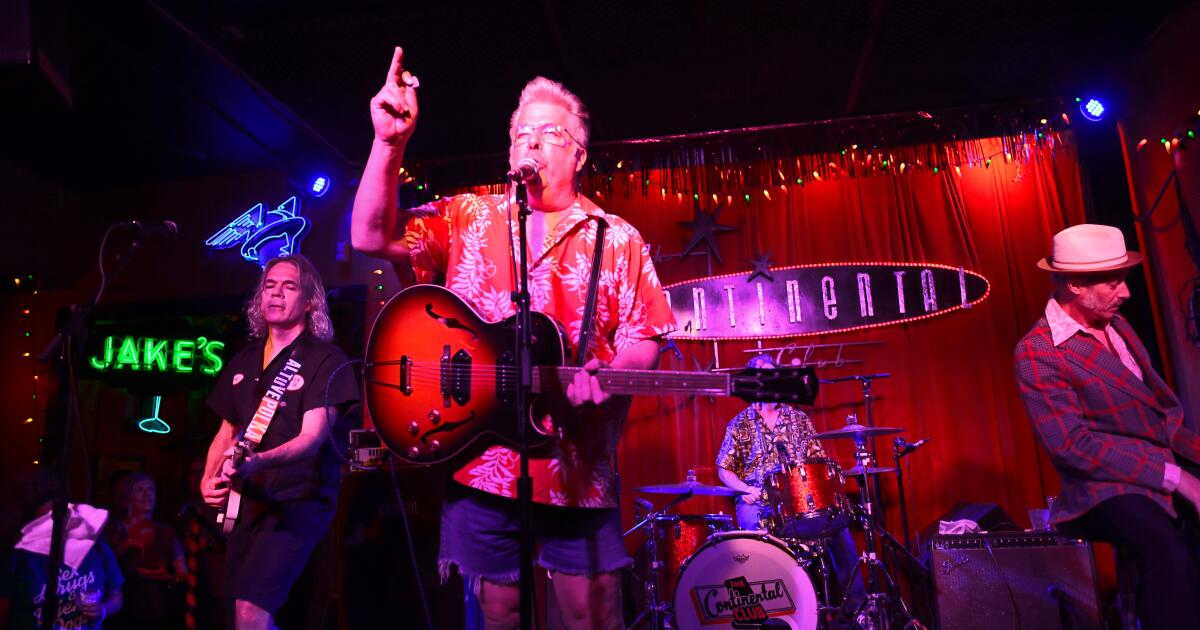
Mojo Nixon, the roots rock renegade who crawled from the American underground with his 1987 single “Elvis Is Everywhere” and maintained a career on the fringes of American culture, died after a cardiac event Wednesday. His family confirmed his passing with a post on Facebook.

In their statement, Nixon’s family wrote: “How you live is how you should die. Mojo Nixon was full-tilt, wide-open rock hard, root hog, corner on two wheels + on fire. Passing after a blazing show, a raging night, closing the bar, taking no prisoners + a good breakfast with bandmates and friends. A cardiac event on the Outlaw Country Cruise is about right…& that’s just how he did it, Mojo has left the building.”

Nixon’s participation in the annual Outlaw Country Cruise was an ancillary gig to his regular job as a DJ on SiriusXM, hosting the “Loon in the Afternoon” show on the satellite radio network’s Outlaw Country channel. Disc jockey is one of many roles Nixon played during his life; he also was an actor, an activist and a comic. First among these, he was the court jester of cowpunk in the 1980s, playing in a vulgar, raucous rockabilly duo with Skid Roper.

In his heyday, he said, “I like to think of myself as a combination of John Lee Hooker, Hunter Thompson and Richard Pryor, with a little bit of Patti Smith.” Gleefully dragging such stars as Debbie Gibson and Don Henley down into the gutter with him, Nixon became a college radio staple, then a familiar face on MTV. He became a beloved figure within alternative rock, as evidenced by his prominent position in a punchline in the Dead Milkmen’s “Punk Rock Girl”: “If you don’t got Mojo Nixon, then your store could use some fixin’.”

Upon the news of Nixon’s death, David Lowery — the leader of Camper Van Beethoven and Cracker who was one of the rocker’s peers in the 1980s — posted on X: “Mojo was a great person. Some of the best times touring was Camper Van Beethoven with Mojo and Skid.” Americana singer/songwriter Robbie Fulks posted: “There used to be more genuinely rude, profane, funny people in country. Like 90 years ago. Then there was one glorious loudmouth, the Rickles of Sirius country. Good guy, even when he clobbered me.”

Nixon was born Neill Kirby McMillan Jr. in Chapel Hill, N.C., on Aug. 2, 1957. Raised in Danville, Va., he became enamored with blues, rock and roll, and R&B, as drawn to the sound as the freewheeling sensibility at its heart. Nixon made it through college at Miami University then headed out to London to attempt to break into the booming punk rock movement, only to find himself busking on the streets. He then headed to Denver, where he honed his provocative skills in the punk outfit Zebra 123; legend has it, a poster advertising their “Assassination Ball” prompted an inquiry by the Secret Service.

Conjuring the name Mojo Nixon — it was a combination of “voodoo and bad politics” — he found his home in San Diego, where he struck up a friendship with Country Dick Montana of the Beat Farmers, one of the pivotal bands in the burgeoning cowpunk scene. Soon he teamed with Skid Roper — Nixon wrote the words and sang, Roper played the music — and the pair won a Battle of the Bands contest where the prize was three hours of studio time. They went in, bashed out three songs and used them as a calling card. Eventually, they attracted Enigma Records, which released the duo’s eponymous debut in 1985. Mojo Nixon & Skid Roper soon became a fixture in the American rock underground, touring regularly, appearing on college radio and, with “Stuffin’ Martha’s Muffin” — their rude ode to VJ Martha Quinn — earned the attention of MTV.

The music video network was ready to pounce on “Elvis Is Everywhere” when it was released as the first single from 1987’s “Bo-Day-Shus!!!” Although it didn’t appear in the Billboard charts, “Elvis Is Everywhere” became a word-of-mouth hit, taking Nixon into mainstream households; he shot promos for MTV and appeared on “The Arsenio Hall Show.” Teaming with producer Jim Dickinson — the Memphis maverick who recently helmed the Replacements’ “Pleased to Meet Me” — Nixon and Roper flexed their muscles on “Root Hog or Die,” a 1989 album that featured “Debbie Gibson Is Pregnant with My Two-Headed Love Child”; Winona Ryder appeared in a video that MTV declined to air.

Nixon went solo with “Otis” in 1990, working with old friend Country Dick Montana and John Doe of X. The increased ambition and wider palette helped the album climb the charts, as did “Don Henley Must Die,” a swipe at the Eagles singer that earned admiration, not ire, from its subject; Henley sang the song with Nixon at Austin’s the Hole in the Wall in 1992. By that point, Nixon’s label, Enigma, had imploded, halting any crossover momentum he had. A shaggy outsider during the height of grunge, Nixon busied himself by forming a band called the Toadliquors, using them as the backing band for “Prairie Home Invasion,” his 1994 collaborative effort with former Dead Kennedy singer Jello Biafra, then taking them on the road as his support for his 1995 album “Whereabouts Unknown.”

Nixon started pursuing creative ventures outside of music during the 1990s. Already testing the cinematic waters with a supporting part in Jim McBride’s 1989 Jerry Lee Lewis biopic “Great Balls of Fire!” he cut a memorable figure in forgettable movies, including 1993’s “Super Mario Bros.” and 1994’s “Car 54, Where Are You?” He found odd roles lurking on the margins of pop culture. He attempted to write advice columns, tried his hand at voicing video games, and was named the unofficial captain of the U.S.A. men’s doubles luge team at the 1998 Winter Olympics; the honor prompted him to cut a theme song called “Luge Team U.S.” as the Arctic Evil Knievels with team member Gordy Sheer on drums. Soon he traded film for radio, working as a DJ in Cincinnati and San Diego, eventually settling at SiriusXM, where he at one point hosted three separate shows.

Nixon returned to music in the 2000s, issuing “Whiskey Rebellion” in 2009. From that point forward, he balanced his DJ job with the occasional concert. A career-spanning box set “The Mojo Manifesto” arrived in 2020, timed to coincide with the release of the long-gestating documentary “The Mojo Manifesto: The Life and Times of Mojo Nixon,” but COVID-19 delayed its South by Southwest premiere into 2022; the following year, it received wide release.

Mojo Nixon is survived by his wife, Adaire, and their two sons, Ruben and Rafe, as well as a granddaughter.

Mojo Nixon, the roots rock renegade who crawled from the American underground with his 1987 single “Elvis Is Everywhere” and maintained a career on the fringes of American culture, died after a cardiac event Wednesday. His family confirmed his passing with a post on Facebook.

In their statement, Nixon’s family wrote: “How you live is how you should die. Mojo Nixon was full-tilt, wide-open rock hard, root hog, corner on two wheels + on fire. Passing after a blazing show, a raging night, closing the bar, taking no prisoners + a good breakfast with bandmates and friends. A cardiac event on the Outlaw Country Cruise is about right…& that’s just how he did it, Mojo has left the building.”

Nixon’s participation in the annual Outlaw Country Cruise was an ancillary gig to his regular job as a DJ on SiriusXM, hosting the “Loon in the Afternoon” show on the satellite radio network’s Outlaw Country channel. Disc jockey is one of many roles Nixon played during his life; he also was an actor, an activist and a comic. First among these, he was the court jester of cowpunk in the 1980s, playing in a vulgar, raucous rockabilly duo with Skid Roper.

In his heyday, he said, “I like to think of myself as a combination of John Lee Hooker, Hunter Thompson and Richard Pryor, with a little bit of Patti Smith.” Gleefully dragging such stars as Debbie Gibson and Don Henley down into the gutter with him, Nixon became a college radio staple, then a familiar face on MTV. He became a beloved figure within alternative rock, as evidenced by his prominent position in a punchline in the Dead Milkmen’s “Punk Rock Girl”: “If you don’t got Mojo Nixon, then your store could use some fixin’.”

Upon the news of Nixon’s death, David Lowery — the leader of Camper Van Beethoven and Cracker who was one of the rocker’s peers in the 1980s — posted on X: “Mojo was a great person. Some of the best times touring was Camper Van Beethoven with Mojo and Skid.” Americana singer/songwriter Robbie Fulks posted: “There used to be more genuinely rude, profane, funny people in country. Like 90 years ago. Then there was one glorious loudmouth, the Rickles of Sirius country. Good guy, even when he clobbered me.”

Nixon was born Neill Kirby McMillan Jr. in Chapel Hill, N.C., on Aug. 2, 1957. Raised in Danville, Va., he became enamored with blues, rock and roll, and R&B, as drawn to the sound as the freewheeling sensibility at its heart. Nixon made it through college at Miami University then headed out to London to attempt to break into the booming punk rock movement, only to find himself busking on the streets. He then headed to Denver, where he honed his provocative skills in the punk outfit Zebra 123; legend has it, a poster advertising their “Assassination Ball” prompted an inquiry by the Secret Service.

Conjuring the name Mojo Nixon — it was a combination of “voodoo and bad politics” — he found his home in San Diego, where he struck up a friendship with Country Dick Montana of the Beat Farmers, one of the pivotal bands in the burgeoning cowpunk scene. Soon he teamed with Skid Roper — Nixon wrote the words and sang, Roper played the music — and the pair won a Battle of the Bands contest where the prize was three hours of studio time. They went in, bashed out three songs and used them as a calling card. Eventually, they attracted Enigma Records, which released the duo’s eponymous debut in 1985. Mojo Nixon & Skid Roper soon became a fixture in the American rock underground, touring regularly, appearing on college radio and, with “Stuffin’ Martha’s Muffin” — their rude ode to VJ Martha Quinn — earned the attention of MTV.

The music video network was ready to pounce on “Elvis Is Everywhere” when it was released as the first single from 1987’s “Bo-Day-Shus!!!” Although it didn’t appear in the Billboard charts, “Elvis Is Everywhere” became a word-of-mouth hit, taking Nixon into mainstream households; he shot promos for MTV and appeared on “The Arsenio Hall Show.” Teaming with producer Jim Dickinson — the Memphis maverick who recently helmed the Replacements’ “Pleased to Meet Me” — Nixon and Roper flexed their muscles on “Root Hog or Die,” a 1989 album that featured “Debbie Gibson Is Pregnant with My Two-Headed Love Child”; Winona Ryder appeared in a video that MTV declined to air.

Nixon went solo with “Otis” in 1990, working with old friend Country Dick Montana and John Doe of X. The increased ambition and wider palette helped the album climb the charts, as did “Don Henley Must Die,” a swipe at the Eagles singer that earned admiration, not ire, from its subject; Henley sang the song with Nixon at Austin’s the Hole in the Wall in 1992. By that point, Nixon’s label, Enigma, had imploded, halting any crossover momentum he had. A shaggy outsider during the height of grunge, Nixon busied himself by forming a band called the Toadliquors, using them as the backing band for “Prairie Home Invasion,” his 1994 collaborative effort with former Dead Kennedy singer Jello Biafra, then taking them on the road as his support for his 1995 album “Whereabouts Unknown.”

Nixon started pursuing creative ventures outside of music during the 1990s. Already testing the cinematic waters with a supporting part in Jim McBride’s 1989 Jerry Lee Lewis biopic “Great Balls of Fire!” he cut a memorable figure in forgettable movies, including 1993’s “Super Mario Bros.” and 1994’s “Car 54, Where Are You?” He found odd roles lurking on the margins of pop culture. He attempted to write advice columns, tried his hand at voicing video games, and was named the unofficial captain of the U.S.A. men’s doubles luge team at the 1998 Winter Olympics; the honor prompted him to cut a theme song called “Luge Team U.S.” as the Arctic Evil Knievels with team member Gordy Sheer on drums. Soon he traded film for radio, working as a DJ in Cincinnati and San Diego, eventually settling at SiriusXM, where he at one point hosted three separate shows.

Nixon returned to music in the 2000s, issuing “Whiskey Rebellion” in 2009. From that point forward, he balanced his DJ job with the occasional concert. A career-spanning box set “The Mojo Manifesto” arrived in 2020, timed to coincide with the release of the long-gestating documentary “The Mojo Manifesto: The Life and Times of Mojo Nixon,” but COVID-19 delayed its South by Southwest premiere into 2022; the following year, it received wide release.

Mojo Nixon is survived by his wife, Adaire, and their two sons, Ruben and Rafe, as well as a granddaughter.

Mojo Nixon, the roots rock renegade who crawled from the American underground with his 1987 single “Elvis Is Everywhere” and maintained a career on the fringes of American culture, died after a cardiac event Wednesday. His family confirmed his passing with a post on Facebook.

In their statement, Nixon’s family wrote: “How you live is how you should die. Mojo Nixon was full-tilt, wide-open rock hard, root hog, corner on two wheels + on fire. Passing after a blazing show, a raging night, closing the bar, taking no prisoners + a good breakfast with bandmates and friends. A cardiac event on the Outlaw Country Cruise is about right…& that’s just how he did it, Mojo has left the building.”

Nixon’s participation in the annual Outlaw Country Cruise was an ancillary gig to his regular job as a DJ on SiriusXM, hosting the “Loon in the Afternoon” show on the satellite radio network’s Outlaw Country channel. Disc jockey is one of many roles Nixon played during his life; he also was an actor, an activist and a comic. First among these, he was the court jester of cowpunk in the 1980s, playing in a vulgar, raucous rockabilly duo with Skid Roper.

In his heyday, he said, “I like to think of myself as a combination of John Lee Hooker, Hunter Thompson and Richard Pryor, with a little bit of Patti Smith.” Gleefully dragging such stars as Debbie Gibson and Don Henley down into the gutter with him, Nixon became a college radio staple, then a familiar face on MTV. He became a beloved figure within alternative rock, as evidenced by his prominent position in a punchline in the Dead Milkmen’s “Punk Rock Girl”: “If you don’t got Mojo Nixon, then your store could use some fixin’.”

Upon the news of Nixon’s death, David Lowery — the leader of Camper Van Beethoven and Cracker who was one of the rocker’s peers in the 1980s — posted on X: “Mojo was a great person. Some of the best times touring was Camper Van Beethoven with Mojo and Skid.” Americana singer/songwriter Robbie Fulks posted: “There used to be more genuinely rude, profane, funny people in country. Like 90 years ago. Then there was one glorious loudmouth, the Rickles of Sirius country. Good guy, even when he clobbered me.”

Nixon was born Neill Kirby McMillan Jr. in Chapel Hill, N.C., on Aug. 2, 1957. Raised in Danville, Va., he became enamored with blues, rock and roll, and R&B, as drawn to the sound as the freewheeling sensibility at its heart. Nixon made it through college at Miami University then headed out to London to attempt to break into the booming punk rock movement, only to find himself busking on the streets. He then headed to Denver, where he honed his provocative skills in the punk outfit Zebra 123; legend has it, a poster advertising their “Assassination Ball” prompted an inquiry by the Secret Service.

Conjuring the name Mojo Nixon — it was a combination of “voodoo and bad politics” — he found his home in San Diego, where he struck up a friendship with Country Dick Montana of the Beat Farmers, one of the pivotal bands in the burgeoning cowpunk scene. Soon he teamed with Skid Roper — Nixon wrote the words and sang, Roper played the music — and the pair won a Battle of the Bands contest where the prize was three hours of studio time. They went in, bashed out three songs and used them as a calling card. Eventually, they attracted Enigma Records, which released the duo’s eponymous debut in 1985. Mojo Nixon & Skid Roper soon became a fixture in the American rock underground, touring regularly, appearing on college radio and, with “Stuffin’ Martha’s Muffin” — their rude ode to VJ Martha Quinn — earned the attention of MTV.

The music video network was ready to pounce on “Elvis Is Everywhere” when it was released as the first single from 1987’s “Bo-Day-Shus!!!” Although it didn’t appear in the Billboard charts, “Elvis Is Everywhere” became a word-of-mouth hit, taking Nixon into mainstream households; he shot promos for MTV and appeared on “The Arsenio Hall Show.” Teaming with producer Jim Dickinson — the Memphis maverick who recently helmed the Replacements’ “Pleased to Meet Me” — Nixon and Roper flexed their muscles on “Root Hog or Die,” a 1989 album that featured “Debbie Gibson Is Pregnant with My Two-Headed Love Child”; Winona Ryder appeared in a video that MTV declined to air.

Nixon went solo with “Otis” in 1990, working with old friend Country Dick Montana and John Doe of X. The increased ambition and wider palette helped the album climb the charts, as did “Don Henley Must Die,” a swipe at the Eagles singer that earned admiration, not ire, from its subject; Henley sang the song with Nixon at Austin’s the Hole in the Wall in 1992. By that point, Nixon’s label, Enigma, had imploded, halting any crossover momentum he had. A shaggy outsider during the height of grunge, Nixon busied himself by forming a band called the Toadliquors, using them as the backing band for “Prairie Home Invasion,” his 1994 collaborative effort with former Dead Kennedy singer Jello Biafra, then taking them on the road as his support for his 1995 album “Whereabouts Unknown.”

Nixon started pursuing creative ventures outside of music during the 1990s. Already testing the cinematic waters with a supporting part in Jim McBride’s 1989 Jerry Lee Lewis biopic “Great Balls of Fire!” he cut a memorable figure in forgettable movies, including 1993’s “Super Mario Bros.” and 1994’s “Car 54, Where Are You?” He found odd roles lurking on the margins of pop culture. He attempted to write advice columns, tried his hand at voicing video games, and was named the unofficial captain of the U.S.A. men’s doubles luge team at the 1998 Winter Olympics; the honor prompted him to cut a theme song called “Luge Team U.S.” as the Arctic Evil Knievels with team member Gordy Sheer on drums. Soon he traded film for radio, working as a DJ in Cincinnati and San Diego, eventually settling at SiriusXM, where he at one point hosted three separate shows.

Nixon returned to music in the 2000s, issuing “Whiskey Rebellion” in 2009. From that point forward, he balanced his DJ job with the occasional concert. A career-spanning box set “The Mojo Manifesto” arrived in 2020, timed to coincide with the release of the long-gestating documentary “The Mojo Manifesto: The Life and Times of Mojo Nixon,” but COVID-19 delayed its South by Southwest premiere into 2022; the following year, it received wide release.

Mojo Nixon is survived by his wife, Adaire, and their two sons, Ruben and Rafe, as well as a granddaughter.

Mojo Nixon, the roots rock renegade who crawled from the American underground with his 1987 single “Elvis Is Everywhere” and maintained a career on the fringes of American culture, died after a cardiac event Wednesday. His family confirmed his passing with a post on Facebook.

In their statement, Nixon’s family wrote: “How you live is how you should die. Mojo Nixon was full-tilt, wide-open rock hard, root hog, corner on two wheels + on fire. Passing after a blazing show, a raging night, closing the bar, taking no prisoners + a good breakfast with bandmates and friends. A cardiac event on the Outlaw Country Cruise is about right…& that’s just how he did it, Mojo has left the building.”

Nixon’s participation in the annual Outlaw Country Cruise was an ancillary gig to his regular job as a DJ on SiriusXM, hosting the “Loon in the Afternoon” show on the satellite radio network’s Outlaw Country channel. Disc jockey is one of many roles Nixon played during his life; he also was an actor, an activist and a comic. First among these, he was the court jester of cowpunk in the 1980s, playing in a vulgar, raucous rockabilly duo with Skid Roper.

In his heyday, he said, “I like to think of myself as a combination of John Lee Hooker, Hunter Thompson and Richard Pryor, with a little bit of Patti Smith.” Gleefully dragging such stars as Debbie Gibson and Don Henley down into the gutter with him, Nixon became a college radio staple, then a familiar face on MTV. He became a beloved figure within alternative rock, as evidenced by his prominent position in a punchline in the Dead Milkmen’s “Punk Rock Girl”: “If you don’t got Mojo Nixon, then your store could use some fixin’.”

Upon the news of Nixon’s death, David Lowery — the leader of Camper Van Beethoven and Cracker who was one of the rocker’s peers in the 1980s — posted on X: “Mojo was a great person. Some of the best times touring was Camper Van Beethoven with Mojo and Skid.” Americana singer/songwriter Robbie Fulks posted: “There used to be more genuinely rude, profane, funny people in country. Like 90 years ago. Then there was one glorious loudmouth, the Rickles of Sirius country. Good guy, even when he clobbered me.”

Nixon was born Neill Kirby McMillan Jr. in Chapel Hill, N.C., on Aug. 2, 1957. Raised in Danville, Va., he became enamored with blues, rock and roll, and R&B, as drawn to the sound as the freewheeling sensibility at its heart. Nixon made it through college at Miami University then headed out to London to attempt to break into the booming punk rock movement, only to find himself busking on the streets. He then headed to Denver, where he honed his provocative skills in the punk outfit Zebra 123; legend has it, a poster advertising their “Assassination Ball” prompted an inquiry by the Secret Service.

Conjuring the name Mojo Nixon — it was a combination of “voodoo and bad politics” — he found his home in San Diego, where he struck up a friendship with Country Dick Montana of the Beat Farmers, one of the pivotal bands in the burgeoning cowpunk scene. Soon he teamed with Skid Roper — Nixon wrote the words and sang, Roper played the music — and the pair won a Battle of the Bands contest where the prize was three hours of studio time. They went in, bashed out three songs and used them as a calling card. Eventually, they attracted Enigma Records, which released the duo’s eponymous debut in 1985. Mojo Nixon & Skid Roper soon became a fixture in the American rock underground, touring regularly, appearing on college radio and, with “Stuffin’ Martha’s Muffin” — their rude ode to VJ Martha Quinn — earned the attention of MTV.

The music video network was ready to pounce on “Elvis Is Everywhere” when it was released as the first single from 1987’s “Bo-Day-Shus!!!” Although it didn’t appear in the Billboard charts, “Elvis Is Everywhere” became a word-of-mouth hit, taking Nixon into mainstream households; he shot promos for MTV and appeared on “The Arsenio Hall Show.” Teaming with producer Jim Dickinson — the Memphis maverick who recently helmed the Replacements’ “Pleased to Meet Me” — Nixon and Roper flexed their muscles on “Root Hog or Die,” a 1989 album that featured “Debbie Gibson Is Pregnant with My Two-Headed Love Child”; Winona Ryder appeared in a video that MTV declined to air.

Nixon went solo with “Otis” in 1990, working with old friend Country Dick Montana and John Doe of X. The increased ambition and wider palette helped the album climb the charts, as did “Don Henley Must Die,” a swipe at the Eagles singer that earned admiration, not ire, from its subject; Henley sang the song with Nixon at Austin’s the Hole in the Wall in 1992. By that point, Nixon’s label, Enigma, had imploded, halting any crossover momentum he had. A shaggy outsider during the height of grunge, Nixon busied himself by forming a band called the Toadliquors, using them as the backing band for “Prairie Home Invasion,” his 1994 collaborative effort with former Dead Kennedy singer Jello Biafra, then taking them on the road as his support for his 1995 album “Whereabouts Unknown.”

Nixon started pursuing creative ventures outside of music during the 1990s. Already testing the cinematic waters with a supporting part in Jim McBride’s 1989 Jerry Lee Lewis biopic “Great Balls of Fire!” he cut a memorable figure in forgettable movies, including 1993’s “Super Mario Bros.” and 1994’s “Car 54, Where Are You?” He found odd roles lurking on the margins of pop culture. He attempted to write advice columns, tried his hand at voicing video games, and was named the unofficial captain of the U.S.A. men’s doubles luge team at the 1998 Winter Olympics; the honor prompted him to cut a theme song called “Luge Team U.S.” as the Arctic Evil Knievels with team member Gordy Sheer on drums. Soon he traded film for radio, working as a DJ in Cincinnati and San Diego, eventually settling at SiriusXM, where he at one point hosted three separate shows.

Nixon returned to music in the 2000s, issuing “Whiskey Rebellion” in 2009. From that point forward, he balanced his DJ job with the occasional concert. A career-spanning box set “The Mojo Manifesto” arrived in 2020, timed to coincide with the release of the long-gestating documentary “The Mojo Manifesto: The Life and Times of Mojo Nixon,” but COVID-19 delayed its South by Southwest premiere into 2022; the following year, it received wide release.

Mojo Nixon is survived by his wife, Adaire, and their two sons, Ruben and Rafe, as well as a granddaughter.
Mojo Nixon, the roots rock renegade who crawled from the American underground with his 1987 single “Elvis Is Everywhere” and maintained a career on the fringes of American culture, died after a cardiac event Wednesday. His family confirmed his passing with a post on Facebook.

In their statement, Nixon’s family wrote: “How you live is how you should die. Mojo Nixon was full-tilt, wide-open rock hard, root hog, corner on two wheels + on fire. Passing after a blazing show, a raging night, closing the bar, taking no prisoners + a good breakfast with bandmates and friends. A cardiac event on the Outlaw Country Cruise is about right…& that’s just how he did it, Mojo has left the building.”

Nixon’s participation in the annual Outlaw Country Cruise was an ancillary gig to his regular job as a DJ on SiriusXM, hosting the “Loon in the Afternoon” show on the satellite radio network’s Outlaw Country channel. Disc jockey is one of many roles Nixon played during his life; he also was an actor, an activist and a comic. First among these, he was the court jester of cowpunk in the 1980s, playing in a vulgar, raucous rockabilly duo with Skid Roper.

In his heyday, he said, “I like to think of myself as a combination of John Lee Hooker, Hunter Thompson and Richard Pryor, with a little bit of Patti Smith.” Gleefully dragging such stars as Debbie Gibson and Don Henley down into the gutter with him, Nixon became a college radio staple, then a familiar face on MTV. He became a beloved figure within alternative rock, as evidenced by his prominent position in a punchline in the Dead Milkmen’s “Punk Rock Girl”: “If you don’t got Mojo Nixon, then your store could use some fixin’.”

Upon the news of Nixon’s death, David Lowery — the leader of Camper Van Beethoven and Cracker who was one of the rocker’s peers in the 1980s — posted on X: “Mojo was a great person. Some of the best times touring was Camper Van Beethoven with Mojo and Skid.” Americana singer/songwriter Robbie Fulks posted: “There used to be more genuinely rude, profane, funny people in country. Like 90 years ago. Then there was one glorious loudmouth, the Rickles of Sirius country. Good guy, even when he clobbered me.”

Nixon was born Neill Kirby McMillan Jr. in Chapel Hill, N.C., on Aug. 2, 1957. Raised in Danville, Va., he became enamored with blues, rock and roll, and R&B, as drawn to the sound as the freewheeling sensibility at its heart. Nixon made it through college at Miami University then headed out to London to attempt to break into the booming punk rock movement, only to find himself busking on the streets. He then headed to Denver, where he honed his provocative skills in the punk outfit Zebra 123; legend has it, a poster advertising their “Assassination Ball” prompted an inquiry by the Secret Service.

Conjuring the name Mojo Nixon — it was a combination of “voodoo and bad politics” — he found his home in San Diego, where he struck up a friendship with Country Dick Montana of the Beat Farmers, one of the pivotal bands in the burgeoning cowpunk scene. Soon he teamed with Skid Roper — Nixon wrote the words and sang, Roper played the music — and the pair won a Battle of the Bands contest where the prize was three hours of studio time. They went in, bashed out three songs and used them as a calling card. Eventually, they attracted Enigma Records, which released the duo’s eponymous debut in 1985. Mojo Nixon & Skid Roper soon became a fixture in the American rock underground, touring regularly, appearing on college radio and, with “Stuffin’ Martha’s Muffin” — their rude ode to VJ Martha Quinn — earned the attention of MTV.

The music video network was ready to pounce on “Elvis Is Everywhere” when it was released as the first single from 1987’s “Bo-Day-Shus!!!” Although it didn’t appear in the Billboard charts, “Elvis Is Everywhere” became a word-of-mouth hit, taking Nixon into mainstream households; he shot promos for MTV and appeared on “The Arsenio Hall Show.” Teaming with producer Jim Dickinson — the Memphis maverick who recently helmed the Replacements’ “Pleased to Meet Me” — Nixon and Roper flexed their muscles on “Root Hog or Die,” a 1989 album that featured “Debbie Gibson Is Pregnant with My Two-Headed Love Child”; Winona Ryder appeared in a video that MTV declined to air.

Nixon went solo with “Otis” in 1990, working with old friend Country Dick Montana and John Doe of X. The increased ambition and wider palette helped the album climb the charts, as did “Don Henley Must Die,” a swipe at the Eagles singer that earned admiration, not ire, from its subject; Henley sang the song with Nixon at Austin’s the Hole in the Wall in 1992. By that point, Nixon’s label, Enigma, had imploded, halting any crossover momentum he had. A shaggy outsider during the height of grunge, Nixon busied himself by forming a band called the Toadliquors, using them as the backing band for “Prairie Home Invasion,” his 1994 collaborative effort with former Dead Kennedy singer Jello Biafra, then taking them on the road as his support for his 1995 album “Whereabouts Unknown.”

Nixon started pursuing creative ventures outside of music during the 1990s. Already testing the cinematic waters with a supporting part in Jim McBride’s 1989 Jerry Lee Lewis biopic “Great Balls of Fire!” he cut a memorable figure in forgettable movies, including 1993’s “Super Mario Bros.” and 1994’s “Car 54, Where Are You?” He found odd roles lurking on the margins of pop culture. He attempted to write advice columns, tried his hand at voicing video games, and was named the unofficial captain of the U.S.A. men’s doubles luge team at the 1998 Winter Olympics; the honor prompted him to cut a theme song called “Luge Team U.S.” as the Arctic Evil Knievels with team member Gordy Sheer on drums. Soon he traded film for radio, working as a DJ in Cincinnati and San Diego, eventually settling at SiriusXM, where he at one point hosted three separate shows.

Nixon returned to music in the 2000s, issuing “Whiskey Rebellion” in 2009. From that point forward, he balanced his DJ job with the occasional concert. A career-spanning box set “The Mojo Manifesto” arrived in 2020, timed to coincide with the release of the long-gestating documentary “The Mojo Manifesto: The Life and Times of Mojo Nixon,” but COVID-19 delayed its South by Southwest premiere into 2022; the following year, it received wide release.

Mojo Nixon is survived by his wife, Adaire, and their two sons, Ruben and Rafe, as well as a granddaughter.

Mojo Nixon, the roots rock renegade who crawled from the American underground with his 1987 single “Elvis Is Everywhere” and maintained a career on the fringes of American culture, died after a cardiac event Wednesday. His family confirmed his passing with a post on Facebook.

In their statement, Nixon’s family wrote: “How you live is how you should die. Mojo Nixon was full-tilt, wide-open rock hard, root hog, corner on two wheels + on fire. Passing after a blazing show, a raging night, closing the bar, taking no prisoners + a good breakfast with bandmates and friends. A cardiac event on the Outlaw Country Cruise is about right…& that’s just how he did it, Mojo has left the building.”

Nixon’s participation in the annual Outlaw Country Cruise was an ancillary gig to his regular job as a DJ on SiriusXM, hosting the “Loon in the Afternoon” show on the satellite radio network’s Outlaw Country channel. Disc jockey is one of many roles Nixon played during his life; he also was an actor, an activist and a comic. First among these, he was the court jester of cowpunk in the 1980s, playing in a vulgar, raucous rockabilly duo with Skid Roper.

In his heyday, he said, “I like to think of myself as a combination of John Lee Hooker, Hunter Thompson and Richard Pryor, with a little bit of Patti Smith.” Gleefully dragging such stars as Debbie Gibson and Don Henley down into the gutter with him, Nixon became a college radio staple, then a familiar face on MTV. He became a beloved figure within alternative rock, as evidenced by his prominent position in a punchline in the Dead Milkmen’s “Punk Rock Girl”: “If you don’t got Mojo Nixon, then your store could use some fixin’.”

Upon the news of Nixon’s death, David Lowery — the leader of Camper Van Beethoven and Cracker who was one of the rocker’s peers in the 1980s — posted on X: “Mojo was a great person. Some of the best times touring was Camper Van Beethoven with Mojo and Skid.” Americana singer/songwriter Robbie Fulks posted: “There used to be more genuinely rude, profane, funny people in country. Like 90 years ago. Then there was one glorious loudmouth, the Rickles of Sirius country. Good guy, even when he clobbered me.”

Nixon was born Neill Kirby McMillan Jr. in Chapel Hill, N.C., on Aug. 2, 1957. Raised in Danville, Va., he became enamored with blues, rock and roll, and R&B, as drawn to the sound as the freewheeling sensibility at its heart. Nixon made it through college at Miami University then headed out to London to attempt to break into the booming punk rock movement, only to find himself busking on the streets. He then headed to Denver, where he honed his provocative skills in the punk outfit Zebra 123; legend has it, a poster advertising their “Assassination Ball” prompted an inquiry by the Secret Service.

Conjuring the name Mojo Nixon — it was a combination of “voodoo and bad politics” — he found his home in San Diego, where he struck up a friendship with Country Dick Montana of the Beat Farmers, one of the pivotal bands in the burgeoning cowpunk scene. Soon he teamed with Skid Roper — Nixon wrote the words and sang, Roper played the music — and the pair won a Battle of the Bands contest where the prize was three hours of studio time. They went in, bashed out three songs and used them as a calling card. Eventually, they attracted Enigma Records, which released the duo’s eponymous debut in 1985. Mojo Nixon & Skid Roper soon became a fixture in the American rock underground, touring regularly, appearing on college radio and, with “Stuffin’ Martha’s Muffin” — their rude ode to VJ Martha Quinn — earned the attention of MTV.

The music video network was ready to pounce on “Elvis Is Everywhere” when it was released as the first single from 1987’s “Bo-Day-Shus!!!” Although it didn’t appear in the Billboard charts, “Elvis Is Everywhere” became a word-of-mouth hit, taking Nixon into mainstream households; he shot promos for MTV and appeared on “The Arsenio Hall Show.” Teaming with producer Jim Dickinson — the Memphis maverick who recently helmed the Replacements’ “Pleased to Meet Me” — Nixon and Roper flexed their muscles on “Root Hog or Die,” a 1989 album that featured “Debbie Gibson Is Pregnant with My Two-Headed Love Child”; Winona Ryder appeared in a video that MTV declined to air.

Nixon went solo with “Otis” in 1990, working with old friend Country Dick Montana and John Doe of X. The increased ambition and wider palette helped the album climb the charts, as did “Don Henley Must Die,” a swipe at the Eagles singer that earned admiration, not ire, from its subject; Henley sang the song with Nixon at Austin’s the Hole in the Wall in 1992. By that point, Nixon’s label, Enigma, had imploded, halting any crossover momentum he had. A shaggy outsider during the height of grunge, Nixon busied himself by forming a band called the Toadliquors, using them as the backing band for “Prairie Home Invasion,” his 1994 collaborative effort with former Dead Kennedy singer Jello Biafra, then taking them on the road as his support for his 1995 album “Whereabouts Unknown.”

Nixon started pursuing creative ventures outside of music during the 1990s. Already testing the cinematic waters with a supporting part in Jim McBride’s 1989 Jerry Lee Lewis biopic “Great Balls of Fire!” he cut a memorable figure in forgettable movies, including 1993’s “Super Mario Bros.” and 1994’s “Car 54, Where Are You?” He found odd roles lurking on the margins of pop culture. He attempted to write advice columns, tried his hand at voicing video games, and was named the unofficial captain of the U.S.A. men’s doubles luge team at the 1998 Winter Olympics; the honor prompted him to cut a theme song called “Luge Team U.S.” as the Arctic Evil Knievels with team member Gordy Sheer on drums. Soon he traded film for radio, working as a DJ in Cincinnati and San Diego, eventually settling at SiriusXM, where he at one point hosted three separate shows.

Nixon returned to music in the 2000s, issuing “Whiskey Rebellion” in 2009. From that point forward, he balanced his DJ job with the occasional concert. A career-spanning box set “The Mojo Manifesto” arrived in 2020, timed to coincide with the release of the long-gestating documentary “The Mojo Manifesto: The Life and Times of Mojo Nixon,” but COVID-19 delayed its South by Southwest premiere into 2022; the following year, it received wide release.

Mojo Nixon is survived by his wife, Adaire, and their two sons, Ruben and Rafe, as well as a granddaughter.

Mojo Nixon, the roots rock renegade who crawled from the American underground with his 1987 single “Elvis Is Everywhere” and maintained a career on the fringes of American culture, died after a cardiac event Wednesday. His family confirmed his passing with a post on Facebook.

In their statement, Nixon’s family wrote: “How you live is how you should die. Mojo Nixon was full-tilt, wide-open rock hard, root hog, corner on two wheels + on fire. Passing after a blazing show, a raging night, closing the bar, taking no prisoners + a good breakfast with bandmates and friends. A cardiac event on the Outlaw Country Cruise is about right…& that’s just how he did it, Mojo has left the building.”

Nixon’s participation in the annual Outlaw Country Cruise was an ancillary gig to his regular job as a DJ on SiriusXM, hosting the “Loon in the Afternoon” show on the satellite radio network’s Outlaw Country channel. Disc jockey is one of many roles Nixon played during his life; he also was an actor, an activist and a comic. First among these, he was the court jester of cowpunk in the 1980s, playing in a vulgar, raucous rockabilly duo with Skid Roper.

In his heyday, he said, “I like to think of myself as a combination of John Lee Hooker, Hunter Thompson and Richard Pryor, with a little bit of Patti Smith.” Gleefully dragging such stars as Debbie Gibson and Don Henley down into the gutter with him, Nixon became a college radio staple, then a familiar face on MTV. He became a beloved figure within alternative rock, as evidenced by his prominent position in a punchline in the Dead Milkmen’s “Punk Rock Girl”: “If you don’t got Mojo Nixon, then your store could use some fixin’.”

Upon the news of Nixon’s death, David Lowery — the leader of Camper Van Beethoven and Cracker who was one of the rocker’s peers in the 1980s — posted on X: “Mojo was a great person. Some of the best times touring was Camper Van Beethoven with Mojo and Skid.” Americana singer/songwriter Robbie Fulks posted: “There used to be more genuinely rude, profane, funny people in country. Like 90 years ago. Then there was one glorious loudmouth, the Rickles of Sirius country. Good guy, even when he clobbered me.”

Nixon was born Neill Kirby McMillan Jr. in Chapel Hill, N.C., on Aug. 2, 1957. Raised in Danville, Va., he became enamored with blues, rock and roll, and R&B, as drawn to the sound as the freewheeling sensibility at its heart. Nixon made it through college at Miami University then headed out to London to attempt to break into the booming punk rock movement, only to find himself busking on the streets. He then headed to Denver, where he honed his provocative skills in the punk outfit Zebra 123; legend has it, a poster advertising their “Assassination Ball” prompted an inquiry by the Secret Service.

Conjuring the name Mojo Nixon — it was a combination of “voodoo and bad politics” — he found his home in San Diego, where he struck up a friendship with Country Dick Montana of the Beat Farmers, one of the pivotal bands in the burgeoning cowpunk scene. Soon he teamed with Skid Roper — Nixon wrote the words and sang, Roper played the music — and the pair won a Battle of the Bands contest where the prize was three hours of studio time. They went in, bashed out three songs and used them as a calling card. Eventually, they attracted Enigma Records, which released the duo’s eponymous debut in 1985. Mojo Nixon & Skid Roper soon became a fixture in the American rock underground, touring regularly, appearing on college radio and, with “Stuffin’ Martha’s Muffin” — their rude ode to VJ Martha Quinn — earned the attention of MTV.

The music video network was ready to pounce on “Elvis Is Everywhere” when it was released as the first single from 1987’s “Bo-Day-Shus!!!” Although it didn’t appear in the Billboard charts, “Elvis Is Everywhere” became a word-of-mouth hit, taking Nixon into mainstream households; he shot promos for MTV and appeared on “The Arsenio Hall Show.” Teaming with producer Jim Dickinson — the Memphis maverick who recently helmed the Replacements’ “Pleased to Meet Me” — Nixon and Roper flexed their muscles on “Root Hog or Die,” a 1989 album that featured “Debbie Gibson Is Pregnant with My Two-Headed Love Child”; Winona Ryder appeared in a video that MTV declined to air.

Nixon went solo with “Otis” in 1990, working with old friend Country Dick Montana and John Doe of X. The increased ambition and wider palette helped the album climb the charts, as did “Don Henley Must Die,” a swipe at the Eagles singer that earned admiration, not ire, from its subject; Henley sang the song with Nixon at Austin’s the Hole in the Wall in 1992. By that point, Nixon’s label, Enigma, had imploded, halting any crossover momentum he had. A shaggy outsider during the height of grunge, Nixon busied himself by forming a band called the Toadliquors, using them as the backing band for “Prairie Home Invasion,” his 1994 collaborative effort with former Dead Kennedy singer Jello Biafra, then taking them on the road as his support for his 1995 album “Whereabouts Unknown.”

Nixon started pursuing creative ventures outside of music during the 1990s. Already testing the cinematic waters with a supporting part in Jim McBride’s 1989 Jerry Lee Lewis biopic “Great Balls of Fire!” he cut a memorable figure in forgettable movies, including 1993’s “Super Mario Bros.” and 1994’s “Car 54, Where Are You?” He found odd roles lurking on the margins of pop culture. He attempted to write advice columns, tried his hand at voicing video games, and was named the unofficial captain of the U.S.A. men’s doubles luge team at the 1998 Winter Olympics; the honor prompted him to cut a theme song called “Luge Team U.S.” as the Arctic Evil Knievels with team member Gordy Sheer on drums. Soon he traded film for radio, working as a DJ in Cincinnati and San Diego, eventually settling at SiriusXM, where he at one point hosted three separate shows.

Nixon returned to music in the 2000s, issuing “Whiskey Rebellion” in 2009. From that point forward, he balanced his DJ job with the occasional concert. A career-spanning box set “The Mojo Manifesto” arrived in 2020, timed to coincide with the release of the long-gestating documentary “The Mojo Manifesto: The Life and Times of Mojo Nixon,” but COVID-19 delayed its South by Southwest premiere into 2022; the following year, it received wide release.

Mojo Nixon is survived by his wife, Adaire, and their two sons, Ruben and Rafe, as well as a granddaughter.

Mojo Nixon, the roots rock renegade who crawled from the American underground with his 1987 single “Elvis Is Everywhere” and maintained a career on the fringes of American culture, died after a cardiac event Wednesday. His family confirmed his passing with a post on Facebook.

In their statement, Nixon’s family wrote: “How you live is how you should die. Mojo Nixon was full-tilt, wide-open rock hard, root hog, corner on two wheels + on fire. Passing after a blazing show, a raging night, closing the bar, taking no prisoners + a good breakfast with bandmates and friends. A cardiac event on the Outlaw Country Cruise is about right…& that’s just how he did it, Mojo has left the building.”

Nixon’s participation in the annual Outlaw Country Cruise was an ancillary gig to his regular job as a DJ on SiriusXM, hosting the “Loon in the Afternoon” show on the satellite radio network’s Outlaw Country channel. Disc jockey is one of many roles Nixon played during his life; he also was an actor, an activist and a comic. First among these, he was the court jester of cowpunk in the 1980s, playing in a vulgar, raucous rockabilly duo with Skid Roper.

In his heyday, he said, “I like to think of myself as a combination of John Lee Hooker, Hunter Thompson and Richard Pryor, with a little bit of Patti Smith.” Gleefully dragging such stars as Debbie Gibson and Don Henley down into the gutter with him, Nixon became a college radio staple, then a familiar face on MTV. He became a beloved figure within alternative rock, as evidenced by his prominent position in a punchline in the Dead Milkmen’s “Punk Rock Girl”: “If you don’t got Mojo Nixon, then your store could use some fixin’.”

Upon the news of Nixon’s death, David Lowery — the leader of Camper Van Beethoven and Cracker who was one of the rocker’s peers in the 1980s — posted on X: “Mojo was a great person. Some of the best times touring was Camper Van Beethoven with Mojo and Skid.” Americana singer/songwriter Robbie Fulks posted: “There used to be more genuinely rude, profane, funny people in country. Like 90 years ago. Then there was one glorious loudmouth, the Rickles of Sirius country. Good guy, even when he clobbered me.”

Nixon was born Neill Kirby McMillan Jr. in Chapel Hill, N.C., on Aug. 2, 1957. Raised in Danville, Va., he became enamored with blues, rock and roll, and R&B, as drawn to the sound as the freewheeling sensibility at its heart. Nixon made it through college at Miami University then headed out to London to attempt to break into the booming punk rock movement, only to find himself busking on the streets. He then headed to Denver, where he honed his provocative skills in the punk outfit Zebra 123; legend has it, a poster advertising their “Assassination Ball” prompted an inquiry by the Secret Service.

Conjuring the name Mojo Nixon — it was a combination of “voodoo and bad politics” — he found his home in San Diego, where he struck up a friendship with Country Dick Montana of the Beat Farmers, one of the pivotal bands in the burgeoning cowpunk scene. Soon he teamed with Skid Roper — Nixon wrote the words and sang, Roper played the music — and the pair won a Battle of the Bands contest where the prize was three hours of studio time. They went in, bashed out three songs and used them as a calling card. Eventually, they attracted Enigma Records, which released the duo’s eponymous debut in 1985. Mojo Nixon & Skid Roper soon became a fixture in the American rock underground, touring regularly, appearing on college radio and, with “Stuffin’ Martha’s Muffin” — their rude ode to VJ Martha Quinn — earned the attention of MTV.

The music video network was ready to pounce on “Elvis Is Everywhere” when it was released as the first single from 1987’s “Bo-Day-Shus!!!” Although it didn’t appear in the Billboard charts, “Elvis Is Everywhere” became a word-of-mouth hit, taking Nixon into mainstream households; he shot promos for MTV and appeared on “The Arsenio Hall Show.” Teaming with producer Jim Dickinson — the Memphis maverick who recently helmed the Replacements’ “Pleased to Meet Me” — Nixon and Roper flexed their muscles on “Root Hog or Die,” a 1989 album that featured “Debbie Gibson Is Pregnant with My Two-Headed Love Child”; Winona Ryder appeared in a video that MTV declined to air.

Nixon went solo with “Otis” in 1990, working with old friend Country Dick Montana and John Doe of X. The increased ambition and wider palette helped the album climb the charts, as did “Don Henley Must Die,” a swipe at the Eagles singer that earned admiration, not ire, from its subject; Henley sang the song with Nixon at Austin’s the Hole in the Wall in 1992. By that point, Nixon’s label, Enigma, had imploded, halting any crossover momentum he had. A shaggy outsider during the height of grunge, Nixon busied himself by forming a band called the Toadliquors, using them as the backing band for “Prairie Home Invasion,” his 1994 collaborative effort with former Dead Kennedy singer Jello Biafra, then taking them on the road as his support for his 1995 album “Whereabouts Unknown.”

Nixon started pursuing creative ventures outside of music during the 1990s. Already testing the cinematic waters with a supporting part in Jim McBride’s 1989 Jerry Lee Lewis biopic “Great Balls of Fire!” he cut a memorable figure in forgettable movies, including 1993’s “Super Mario Bros.” and 1994’s “Car 54, Where Are You?” He found odd roles lurking on the margins of pop culture. He attempted to write advice columns, tried his hand at voicing video games, and was named the unofficial captain of the U.S.A. men’s doubles luge team at the 1998 Winter Olympics; the honor prompted him to cut a theme song called “Luge Team U.S.” as the Arctic Evil Knievels with team member Gordy Sheer on drums. Soon he traded film for radio, working as a DJ in Cincinnati and San Diego, eventually settling at SiriusXM, where he at one point hosted three separate shows.

Nixon returned to music in the 2000s, issuing “Whiskey Rebellion” in 2009. From that point forward, he balanced his DJ job with the occasional concert. A career-spanning box set “The Mojo Manifesto” arrived in 2020, timed to coincide with the release of the long-gestating documentary “The Mojo Manifesto: The Life and Times of Mojo Nixon,” but COVID-19 delayed its South by Southwest premiere into 2022; the following year, it received wide release.

Mojo Nixon is survived by his wife, Adaire, and their two sons, Ruben and Rafe, as well as a granddaughter.

Leave a Reply Cancel reply

Your email address will not be published. Required fields are marked *

Recommended

Napster 25th anniversary: Music sharing site created a monster

2 years ago

Snoop Dogg embraces his growing NBC Olympic ambassador of joy role

3 months ago

Live Updates: Conclave to Elect New Pope Is Set to Begin

1 year ago

Outrage and grief at video of Tyre Nichols’s beating by Memphis police

3 years ago
Yonkers Observer

© 2025 Yonkers Observer or its affiliated companies.

Navigate Site

  • About
  • Advertise
  • Terms & Conditions
  • Privacy Policy
  • Disclaimer
  • Contact

Follow Us

No Result
View All Result
  • Home
  • World
  • Politics
  • Finance
  • Technology
  • Health
  • Culture
  • Entertainment
  • Trend

© 2025 Yonkers Observer or its affiliated companies.

Welcome Back!

Login to your account below

Forgotten Password?

Retrieve your password

Please enter your username or email address to reset your password.

Log In