
Sunday, May 10, 2026
Washington DC
New York
Toronto
Distribution: (800) 510 9863
Press ID
  • Login
RH NEWSROOM National News and Press Releases. Local and Regional Perspectives. Media Advisories.
Yonkers Observer
  • Home
  • World
  • Politics
  • Finance
  • Technology
  • Health
  • Culture
  • Entertainment
  • Trend
No Result
View All Result
  • Home
  • World
  • Politics
  • Finance
  • Technology
  • Health
  • Culture
  • Entertainment
  • Trend
No Result
View All Result
Yonkers Observer
No Result
View All Result
Home Entertainment

Mike Pinder, Moody Blues keyboardist, dies at 82

by Yonkers Observer Report
April 26, 2024
in Entertainment
Share on FacebookShare on Twitter

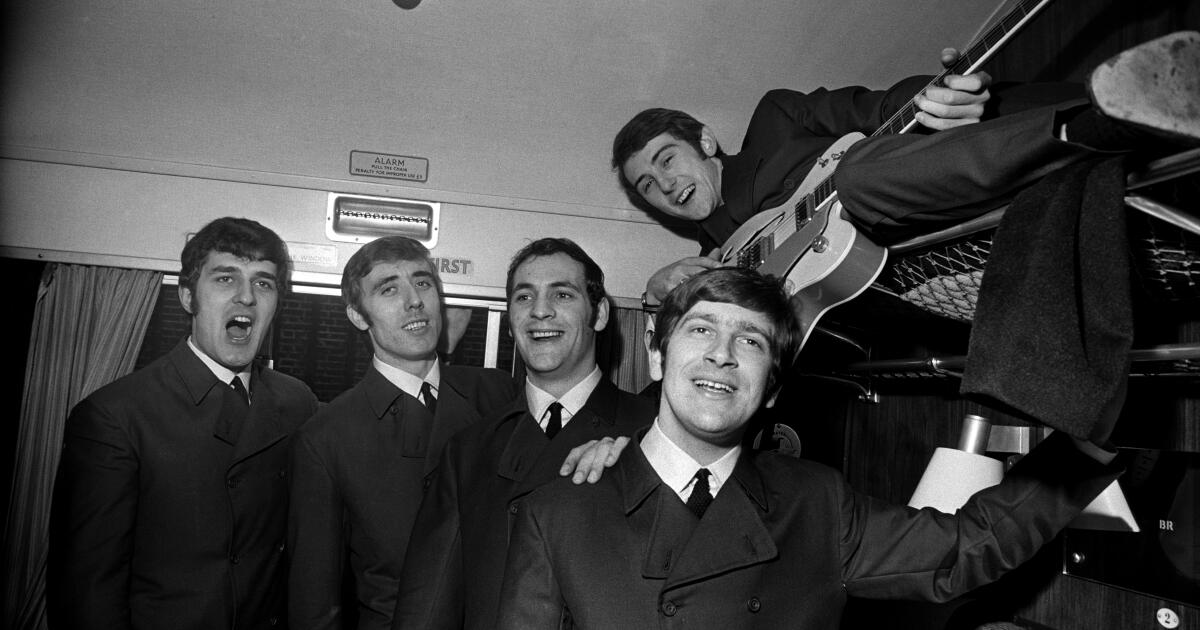
Mike Pinder, the keyboardist and last surviving original member of the rock group the Moody Blues, has died. he was 82.

Moody Blues bassist John Lodge posted a statement from Pinder’s family to Facebook. “Michael Thomas Pinder died on Wednesday, April 24th, 2024 at his home in Northern California, surrounded by his devoted family. Michael’s family would like to share with his trusted friends and caring fans that he passed peacefully. His final days were filled with music, encircled by the love of his family. Michael lived his life with a childlike wonder, walking a deeply introspective path which fused the mind and the heart.”

Pinder, born in the Erdington area of Birmingham, England, in 1941, co-founded the group in May 1964, co-writing the early hit “Go Now.” After several early lineup changes, in 1967 they released “Days of Future Passed,” considered one of the first prog-rock albums, which also saw Pinder’s debut recording with a Mellotron — an early electro-acoustic keyboard that uses manipulated tape loops to create an otherworldly orchestral sound.

The instrument became a hallmark of Pinder’s style in the group, including on its timeless single “Nights in White Satin,” one of classic rock’s most soaring ballads, which eventually hit No. 2 on the Billboard charts. While the Moody Blues were entwined with the late ‘60s hippie era, the band never made it to the canonical Woodstock Festival — they were booked and on the original poster, but canceled for a European gig.

Pinder was an occasional vocalist in the Moody Blues, singing on tracks like “The Day Begins” and “Ride My See-Saw,” and drove the band to even headier progressive terrain on LPs like 1968’s “In Search of the Lost Chord” and 1969’s “On the Threshold of a Dream.” These albums would influence a generation of ‘70s prog acts like King Crimson, Genesis and Yes.

Pinder would go on to release nine albums with the band, including 1969’s “To Our Children’s Children’s Children” (inspired by the first moon landing), and broadened his repertoire of instruments to include Chamberlin and synthesizers. His last contribution to the group was 1978’s “Octave,” where he sang lead on the ballad “One Step Into the Light.”

During and after his stint with the band, he released three solo albums — 1976’s “The Promise,” 1994’s “Among the Stars” and 1995’s “A Planet With One Mind.”

The Moody Blues were inducted into the Rock and Roll Hall of Fame in 2018. A full list of survivors was not immediately available.

“He created his music and the message he shared with the world from this spiritually grounded place,” Pinder’s family said in their statement. “As he always said, ‘Keep your head above the clouds, but keep your feet on the ground.’ His authentic essence lifted up everyone who came into contact with him. His lyrics, philosophy, and vision of humanity and our place in the cosmos will touch generations to come.”

Mike Pinder, the keyboardist and last surviving original member of the rock group the Moody Blues, has died. he was 82.

Moody Blues bassist John Lodge posted a statement from Pinder’s family to Facebook. “Michael Thomas Pinder died on Wednesday, April 24th, 2024 at his home in Northern California, surrounded by his devoted family. Michael’s family would like to share with his trusted friends and caring fans that he passed peacefully. His final days were filled with music, encircled by the love of his family. Michael lived his life with a childlike wonder, walking a deeply introspective path which fused the mind and the heart.”

Pinder, born in the Erdington area of Birmingham, England, in 1941, co-founded the group in May 1964, co-writing the early hit “Go Now.” After several early lineup changes, in 1967 they released “Days of Future Passed,” considered one of the first prog-rock albums, which also saw Pinder’s debut recording with a Mellotron — an early electro-acoustic keyboard that uses manipulated tape loops to create an otherworldly orchestral sound.

The instrument became a hallmark of Pinder’s style in the group, including on its timeless single “Nights in White Satin,” one of classic rock’s most soaring ballads, which eventually hit No. 2 on the Billboard charts. While the Moody Blues were entwined with the late ‘60s hippie era, the band never made it to the canonical Woodstock Festival — they were booked and on the original poster, but canceled for a European gig.

Pinder was an occasional vocalist in the Moody Blues, singing on tracks like “The Day Begins” and “Ride My See-Saw,” and drove the band to even headier progressive terrain on LPs like 1968’s “In Search of the Lost Chord” and 1969’s “On the Threshold of a Dream.” These albums would influence a generation of ‘70s prog acts like King Crimson, Genesis and Yes.

Pinder would go on to release nine albums with the band, including 1969’s “To Our Children’s Children’s Children” (inspired by the first moon landing), and broadened his repertoire of instruments to include Chamberlin and synthesizers. His last contribution to the group was 1978’s “Octave,” where he sang lead on the ballad “One Step Into the Light.”

During and after his stint with the band, he released three solo albums — 1976’s “The Promise,” 1994’s “Among the Stars” and 1995’s “A Planet With One Mind.”

The Moody Blues were inducted into the Rock and Roll Hall of Fame in 2018. A full list of survivors was not immediately available.

“He created his music and the message he shared with the world from this spiritually grounded place,” Pinder’s family said in their statement. “As he always said, ‘Keep your head above the clouds, but keep your feet on the ground.’ His authentic essence lifted up everyone who came into contact with him. His lyrics, philosophy, and vision of humanity and our place in the cosmos will touch generations to come.”

Mike Pinder, the keyboardist and last surviving original member of the rock group the Moody Blues, has died. he was 82.

Moody Blues bassist John Lodge posted a statement from Pinder’s family to Facebook. “Michael Thomas Pinder died on Wednesday, April 24th, 2024 at his home in Northern California, surrounded by his devoted family. Michael’s family would like to share with his trusted friends and caring fans that he passed peacefully. His final days were filled with music, encircled by the love of his family. Michael lived his life with a childlike wonder, walking a deeply introspective path which fused the mind and the heart.”

Pinder, born in the Erdington area of Birmingham, England, in 1941, co-founded the group in May 1964, co-writing the early hit “Go Now.” After several early lineup changes, in 1967 they released “Days of Future Passed,” considered one of the first prog-rock albums, which also saw Pinder’s debut recording with a Mellotron — an early electro-acoustic keyboard that uses manipulated tape loops to create an otherworldly orchestral sound.

The instrument became a hallmark of Pinder’s style in the group, including on its timeless single “Nights in White Satin,” one of classic rock’s most soaring ballads, which eventually hit No. 2 on the Billboard charts. While the Moody Blues were entwined with the late ‘60s hippie era, the band never made it to the canonical Woodstock Festival — they were booked and on the original poster, but canceled for a European gig.

Pinder was an occasional vocalist in the Moody Blues, singing on tracks like “The Day Begins” and “Ride My See-Saw,” and drove the band to even headier progressive terrain on LPs like 1968’s “In Search of the Lost Chord” and 1969’s “On the Threshold of a Dream.” These albums would influence a generation of ‘70s prog acts like King Crimson, Genesis and Yes.

Pinder would go on to release nine albums with the band, including 1969’s “To Our Children’s Children’s Children” (inspired by the first moon landing), and broadened his repertoire of instruments to include Chamberlin and synthesizers. His last contribution to the group was 1978’s “Octave,” where he sang lead on the ballad “One Step Into the Light.”

During and after his stint with the band, he released three solo albums — 1976’s “The Promise,” 1994’s “Among the Stars” and 1995’s “A Planet With One Mind.”

The Moody Blues were inducted into the Rock and Roll Hall of Fame in 2018. A full list of survivors was not immediately available.

“He created his music and the message he shared with the world from this spiritually grounded place,” Pinder’s family said in their statement. “As he always said, ‘Keep your head above the clouds, but keep your feet on the ground.’ His authentic essence lifted up everyone who came into contact with him. His lyrics, philosophy, and vision of humanity and our place in the cosmos will touch generations to come.”

Mike Pinder, the keyboardist and last surviving original member of the rock group the Moody Blues, has died. he was 82.

Moody Blues bassist John Lodge posted a statement from Pinder’s family to Facebook. “Michael Thomas Pinder died on Wednesday, April 24th, 2024 at his home in Northern California, surrounded by his devoted family. Michael’s family would like to share with his trusted friends and caring fans that he passed peacefully. His final days were filled with music, encircled by the love of his family. Michael lived his life with a childlike wonder, walking a deeply introspective path which fused the mind and the heart.”

Pinder, born in the Erdington area of Birmingham, England, in 1941, co-founded the group in May 1964, co-writing the early hit “Go Now.” After several early lineup changes, in 1967 they released “Days of Future Passed,” considered one of the first prog-rock albums, which also saw Pinder’s debut recording with a Mellotron — an early electro-acoustic keyboard that uses manipulated tape loops to create an otherworldly orchestral sound.

The instrument became a hallmark of Pinder’s style in the group, including on its timeless single “Nights in White Satin,” one of classic rock’s most soaring ballads, which eventually hit No. 2 on the Billboard charts. While the Moody Blues were entwined with the late ‘60s hippie era, the band never made it to the canonical Woodstock Festival — they were booked and on the original poster, but canceled for a European gig.

Pinder was an occasional vocalist in the Moody Blues, singing on tracks like “The Day Begins” and “Ride My See-Saw,” and drove the band to even headier progressive terrain on LPs like 1968’s “In Search of the Lost Chord” and 1969’s “On the Threshold of a Dream.” These albums would influence a generation of ‘70s prog acts like King Crimson, Genesis and Yes.

Pinder would go on to release nine albums with the band, including 1969’s “To Our Children’s Children’s Children” (inspired by the first moon landing), and broadened his repertoire of instruments to include Chamberlin and synthesizers. His last contribution to the group was 1978’s “Octave,” where he sang lead on the ballad “One Step Into the Light.”

During and after his stint with the band, he released three solo albums — 1976’s “The Promise,” 1994’s “Among the Stars” and 1995’s “A Planet With One Mind.”

The Moody Blues were inducted into the Rock and Roll Hall of Fame in 2018. A full list of survivors was not immediately available.

“He created his music and the message he shared with the world from this spiritually grounded place,” Pinder’s family said in their statement. “As he always said, ‘Keep your head above the clouds, but keep your feet on the ground.’ His authentic essence lifted up everyone who came into contact with him. His lyrics, philosophy, and vision of humanity and our place in the cosmos will touch generations to come.”

Mike Pinder, the keyboardist and last surviving original member of the rock group the Moody Blues, has died. he was 82.

Moody Blues bassist John Lodge posted a statement from Pinder’s family to Facebook. “Michael Thomas Pinder died on Wednesday, April 24th, 2024 at his home in Northern California, surrounded by his devoted family. Michael’s family would like to share with his trusted friends and caring fans that he passed peacefully. His final days were filled with music, encircled by the love of his family. Michael lived his life with a childlike wonder, walking a deeply introspective path which fused the mind and the heart.”

Pinder, born in the Erdington area of Birmingham, England, in 1941, co-founded the group in May 1964, co-writing the early hit “Go Now.” After several early lineup changes, in 1967 they released “Days of Future Passed,” considered one of the first prog-rock albums, which also saw Pinder’s debut recording with a Mellotron — an early electro-acoustic keyboard that uses manipulated tape loops to create an otherworldly orchestral sound.

The instrument became a hallmark of Pinder’s style in the group, including on its timeless single “Nights in White Satin,” one of classic rock’s most soaring ballads, which eventually hit No. 2 on the Billboard charts. While the Moody Blues were entwined with the late ‘60s hippie era, the band never made it to the canonical Woodstock Festival — they were booked and on the original poster, but canceled for a European gig.

Pinder was an occasional vocalist in the Moody Blues, singing on tracks like “The Day Begins” and “Ride My See-Saw,” and drove the band to even headier progressive terrain on LPs like 1968’s “In Search of the Lost Chord” and 1969’s “On the Threshold of a Dream.” These albums would influence a generation of ‘70s prog acts like King Crimson, Genesis and Yes.

Pinder would go on to release nine albums with the band, including 1969’s “To Our Children’s Children’s Children” (inspired by the first moon landing), and broadened his repertoire of instruments to include Chamberlin and synthesizers. His last contribution to the group was 1978’s “Octave,” where he sang lead on the ballad “One Step Into the Light.”

During and after his stint with the band, he released three solo albums — 1976’s “The Promise,” 1994’s “Among the Stars” and 1995’s “A Planet With One Mind.”

The Moody Blues were inducted into the Rock and Roll Hall of Fame in 2018. A full list of survivors was not immediately available.

“He created his music and the message he shared with the world from this spiritually grounded place,” Pinder’s family said in their statement. “As he always said, ‘Keep your head above the clouds, but keep your feet on the ground.’ His authentic essence lifted up everyone who came into contact with him. His lyrics, philosophy, and vision of humanity and our place in the cosmos will touch generations to come.”

Mike Pinder, the keyboardist and last surviving original member of the rock group the Moody Blues, has died. he was 82.

Moody Blues bassist John Lodge posted a statement from Pinder’s family to Facebook. “Michael Thomas Pinder died on Wednesday, April 24th, 2024 at his home in Northern California, surrounded by his devoted family. Michael’s family would like to share with his trusted friends and caring fans that he passed peacefully. His final days were filled with music, encircled by the love of his family. Michael lived his life with a childlike wonder, walking a deeply introspective path which fused the mind and the heart.”

Pinder, born in the Erdington area of Birmingham, England, in 1941, co-founded the group in May 1964, co-writing the early hit “Go Now.” After several early lineup changes, in 1967 they released “Days of Future Passed,” considered one of the first prog-rock albums, which also saw Pinder’s debut recording with a Mellotron — an early electro-acoustic keyboard that uses manipulated tape loops to create an otherworldly orchestral sound.

The instrument became a hallmark of Pinder’s style in the group, including on its timeless single “Nights in White Satin,” one of classic rock’s most soaring ballads, which eventually hit No. 2 on the Billboard charts. While the Moody Blues were entwined with the late ‘60s hippie era, the band never made it to the canonical Woodstock Festival — they were booked and on the original poster, but canceled for a European gig.

Pinder was an occasional vocalist in the Moody Blues, singing on tracks like “The Day Begins” and “Ride My See-Saw,” and drove the band to even headier progressive terrain on LPs like 1968’s “In Search of the Lost Chord” and 1969’s “On the Threshold of a Dream.” These albums would influence a generation of ‘70s prog acts like King Crimson, Genesis and Yes.

Pinder would go on to release nine albums with the band, including 1969’s “To Our Children’s Children’s Children” (inspired by the first moon landing), and broadened his repertoire of instruments to include Chamberlin and synthesizers. His last contribution to the group was 1978’s “Octave,” where he sang lead on the ballad “One Step Into the Light.”

During and after his stint with the band, he released three solo albums — 1976’s “The Promise,” 1994’s “Among the Stars” and 1995’s “A Planet With One Mind.”

The Moody Blues were inducted into the Rock and Roll Hall of Fame in 2018. A full list of survivors was not immediately available.

“He created his music and the message he shared with the world from this spiritually grounded place,” Pinder’s family said in their statement. “As he always said, ‘Keep your head above the clouds, but keep your feet on the ground.’ His authentic essence lifted up everyone who came into contact with him. His lyrics, philosophy, and vision of humanity and our place in the cosmos will touch generations to come.”

Mike Pinder, the keyboardist and last surviving original member of the rock group the Moody Blues, has died. he was 82.

Moody Blues bassist John Lodge posted a statement from Pinder’s family to Facebook. “Michael Thomas Pinder died on Wednesday, April 24th, 2024 at his home in Northern California, surrounded by his devoted family. Michael’s family would like to share with his trusted friends and caring fans that he passed peacefully. His final days were filled with music, encircled by the love of his family. Michael lived his life with a childlike wonder, walking a deeply introspective path which fused the mind and the heart.”

Pinder, born in the Erdington area of Birmingham, England, in 1941, co-founded the group in May 1964, co-writing the early hit “Go Now.” After several early lineup changes, in 1967 they released “Days of Future Passed,” considered one of the first prog-rock albums, which also saw Pinder’s debut recording with a Mellotron — an early electro-acoustic keyboard that uses manipulated tape loops to create an otherworldly orchestral sound.

The instrument became a hallmark of Pinder’s style in the group, including on its timeless single “Nights in White Satin,” one of classic rock’s most soaring ballads, which eventually hit No. 2 on the Billboard charts. While the Moody Blues were entwined with the late ‘60s hippie era, the band never made it to the canonical Woodstock Festival — they were booked and on the original poster, but canceled for a European gig.

Pinder was an occasional vocalist in the Moody Blues, singing on tracks like “The Day Begins” and “Ride My See-Saw,” and drove the band to even headier progressive terrain on LPs like 1968’s “In Search of the Lost Chord” and 1969’s “On the Threshold of a Dream.” These albums would influence a generation of ‘70s prog acts like King Crimson, Genesis and Yes.

Pinder would go on to release nine albums with the band, including 1969’s “To Our Children’s Children’s Children” (inspired by the first moon landing), and broadened his repertoire of instruments to include Chamberlin and synthesizers. His last contribution to the group was 1978’s “Octave,” where he sang lead on the ballad “One Step Into the Light.”

During and after his stint with the band, he released three solo albums — 1976’s “The Promise,” 1994’s “Among the Stars” and 1995’s “A Planet With One Mind.”

The Moody Blues were inducted into the Rock and Roll Hall of Fame in 2018. A full list of survivors was not immediately available.

“He created his music and the message he shared with the world from this spiritually grounded place,” Pinder’s family said in their statement. “As he always said, ‘Keep your head above the clouds, but keep your feet on the ground.’ His authentic essence lifted up everyone who came into contact with him. His lyrics, philosophy, and vision of humanity and our place in the cosmos will touch generations to come.”

Mike Pinder, the keyboardist and last surviving original member of the rock group the Moody Blues, has died. he was 82.

Moody Blues bassist John Lodge posted a statement from Pinder’s family to Facebook. “Michael Thomas Pinder died on Wednesday, April 24th, 2024 at his home in Northern California, surrounded by his devoted family. Michael’s family would like to share with his trusted friends and caring fans that he passed peacefully. His final days were filled with music, encircled by the love of his family. Michael lived his life with a childlike wonder, walking a deeply introspective path which fused the mind and the heart.”

Pinder, born in the Erdington area of Birmingham, England, in 1941, co-founded the group in May 1964, co-writing the early hit “Go Now.” After several early lineup changes, in 1967 they released “Days of Future Passed,” considered one of the first prog-rock albums, which also saw Pinder’s debut recording with a Mellotron — an early electro-acoustic keyboard that uses manipulated tape loops to create an otherworldly orchestral sound.

The instrument became a hallmark of Pinder’s style in the group, including on its timeless single “Nights in White Satin,” one of classic rock’s most soaring ballads, which eventually hit No. 2 on the Billboard charts. While the Moody Blues were entwined with the late ‘60s hippie era, the band never made it to the canonical Woodstock Festival — they were booked and on the original poster, but canceled for a European gig.

Pinder was an occasional vocalist in the Moody Blues, singing on tracks like “The Day Begins” and “Ride My See-Saw,” and drove the band to even headier progressive terrain on LPs like 1968’s “In Search of the Lost Chord” and 1969’s “On the Threshold of a Dream.” These albums would influence a generation of ‘70s prog acts like King Crimson, Genesis and Yes.

Pinder would go on to release nine albums with the band, including 1969’s “To Our Children’s Children’s Children” (inspired by the first moon landing), and broadened his repertoire of instruments to include Chamberlin and synthesizers. His last contribution to the group was 1978’s “Octave,” where he sang lead on the ballad “One Step Into the Light.”

During and after his stint with the band, he released three solo albums — 1976’s “The Promise,” 1994’s “Among the Stars” and 1995’s “A Planet With One Mind.”

The Moody Blues were inducted into the Rock and Roll Hall of Fame in 2018. A full list of survivors was not immediately available.

“He created his music and the message he shared with the world from this spiritually grounded place,” Pinder’s family said in their statement. “As he always said, ‘Keep your head above the clouds, but keep your feet on the ground.’ His authentic essence lifted up everyone who came into contact with him. His lyrics, philosophy, and vision of humanity and our place in the cosmos will touch generations to come.”

Leave a Reply Cancel reply

Your email address will not be published. Required fields are marked *

Recommended

Is Kevin Hart and Nick Cannon’s ‘Having My Baby’ a real show?

3 years ago

‘Crown jewel’ of Raymond Chandler auction fails to sell

1 year ago

Bidens’ Dog Commander Is Removed From White House After Latest Biting Incident

3 years ago

Ava Max slapped mid-set, days after Bebe Rexha attack

3 years ago
Yonkers Observer

© 2025 Yonkers Observer or its affiliated companies.

Navigate Site

  • About
  • Advertise
  • Terms & Conditions
  • Privacy Policy
  • Disclaimer
  • Contact

Follow Us

No Result
View All Result
  • Home
  • World
  • Politics
  • Finance
  • Technology
  • Health
  • Culture
  • Entertainment
  • Trend

© 2025 Yonkers Observer or its affiliated companies.

Welcome Back!

Login to your account below

Forgotten Password?

Retrieve your password

Please enter your username or email address to reset your password.

Log In