
Tuesday, November 18, 2025
Washington DC
New York
Toronto
Distribution: (800) 510 9863
Press ID
  • Login
RH NEWSROOM National News and Press Releases. Local and Regional Perspectives. Media Advisories.
Yonkers Observer
  • Home
  • World
  • Politics
  • Finance
  • Technology
  • Health
  • Culture
  • Entertainment
  • Trend
No Result
View All Result
  • Home
  • World
  • Politics
  • Finance
  • Technology
  • Health
  • Culture
  • Entertainment
  • Trend
No Result
View All Result
Yonkers Observer
No Result
View All Result
Home Culture

Martin Scorsese urges filmmakers to fight comic book movie culture

by Yonkers Observer Report
September 26, 2023
in Culture
Share on FacebookShare on Twitter

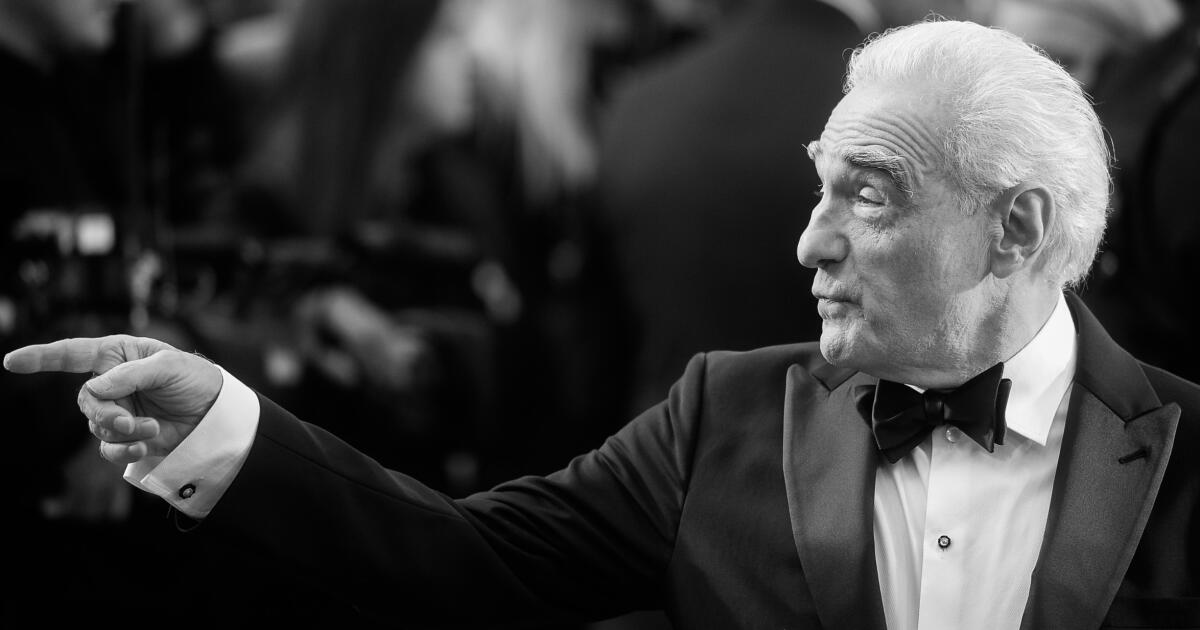
Martin Scorsese is urging filmmakers to save cinema, by doubling down on his call to fight comic book movie culture.

The storied filmmaker is revisiting the topic of comic book movies in a new profile for GQ. Despite facing intense blowback from filmmakers, actors and the public for the 2019 comments he made slamming the Marvel Cinematic Universe films — he called them theme parks rather than actual cinema — Scorsese isn’t shying away from the topic.

“The danger there is what it’s doing to our culture,” he told GQ. “Because there are going to be generations now that think … that’s what movies are.”

GQ’s Zach Baron posited that what Scorsese was saying might already be true, and the “Killers of the Flower Moon” filmmaker agreed.

“They already think that. Which means that we have to then fight back stronger. And it’s got to come from the grassroots level. It’s gotta come from the filmmakers themselves,” Scorsese continued to the outlet. “And you’ll have, you know, the Safdie brothers, and you’ll have Chris Nolan, you know what I mean? And hit ’em from all sides. Hit ’em from all sides, and don’t give up. … Go reinvent. Don’t complain about it. But it’s true, because we’ve got to save cinema.”

Scorsese referred to movies inspired by comic books as “manufactured content” rather than cinema.

“It’s almost like AI making a film,” he said. “And that doesn’t mean that you don’t have incredible directors and special effects people doing beautiful artwork. But what does it mean? What do these films, what will it give you?”

His forthcoming film, “Killers of the Flower Moon,” had been on Scorsese’s wish list for several years; it’s based on David Grann’s 2017 nonfiction book of the same name. He called the story “a sober look at who we are as a culture.”

The film tells the true story of the murders of Osage Nation members by white settlers in the 1920s. DiCaprio originally was attached to play FBI investigator Tom White, who was sent to the Osage Nation within Oklahoma to probe the killings. The script, however, underwent a significant rewrite.

“After a certain point,” the filmmaker told Time, “I realized I was making a movie about all the white guys.”

The dramatic focus shifted from White’s investigation to the Osage and the circumstances that led to them being systematically killed with no consequences.

The character of White now is played by Jesse Plemons in a supporting role. DiCaprio stars as the husband of a Native American woman, Mollie Kyle (Lily Gladstone), an oil-rich Osage woman, and member of a conspiracy to kill her loved ones in an effort to steal her family fortune.

Scorsese worked closely with Osage Principal Chief Geoffrey Standing Bear and his office from the beginning of production, consulting producer Chad Renfro told Time. On the first day of shooting, the Oscar-winning filmmaker had an elder of the nation come to set to say a prayer for the cast and crew.

Staff writer Jonah Valdez contributed to this report.

Martin Scorsese is urging filmmakers to save cinema, by doubling down on his call to fight comic book movie culture.

The storied filmmaker is revisiting the topic of comic book movies in a new profile for GQ. Despite facing intense blowback from filmmakers, actors and the public for the 2019 comments he made slamming the Marvel Cinematic Universe films — he called them theme parks rather than actual cinema — Scorsese isn’t shying away from the topic.

“The danger there is what it’s doing to our culture,” he told GQ. “Because there are going to be generations now that think … that’s what movies are.”

GQ’s Zach Baron posited that what Scorsese was saying might already be true, and the “Killers of the Flower Moon” filmmaker agreed.

“They already think that. Which means that we have to then fight back stronger. And it’s got to come from the grassroots level. It’s gotta come from the filmmakers themselves,” Scorsese continued to the outlet. “And you’ll have, you know, the Safdie brothers, and you’ll have Chris Nolan, you know what I mean? And hit ’em from all sides. Hit ’em from all sides, and don’t give up. … Go reinvent. Don’t complain about it. But it’s true, because we’ve got to save cinema.”

Scorsese referred to movies inspired by comic books as “manufactured content” rather than cinema.

“It’s almost like AI making a film,” he said. “And that doesn’t mean that you don’t have incredible directors and special effects people doing beautiful artwork. But what does it mean? What do these films, what will it give you?”

His forthcoming film, “Killers of the Flower Moon,” had been on Scorsese’s wish list for several years; it’s based on David Grann’s 2017 nonfiction book of the same name. He called the story “a sober look at who we are as a culture.”

The film tells the true story of the murders of Osage Nation members by white settlers in the 1920s. DiCaprio originally was attached to play FBI investigator Tom White, who was sent to the Osage Nation within Oklahoma to probe the killings. The script, however, underwent a significant rewrite.

“After a certain point,” the filmmaker told Time, “I realized I was making a movie about all the white guys.”

The dramatic focus shifted from White’s investigation to the Osage and the circumstances that led to them being systematically killed with no consequences.

The character of White now is played by Jesse Plemons in a supporting role. DiCaprio stars as the husband of a Native American woman, Mollie Kyle (Lily Gladstone), an oil-rich Osage woman, and member of a conspiracy to kill her loved ones in an effort to steal her family fortune.

Scorsese worked closely with Osage Principal Chief Geoffrey Standing Bear and his office from the beginning of production, consulting producer Chad Renfro told Time. On the first day of shooting, the Oscar-winning filmmaker had an elder of the nation come to set to say a prayer for the cast and crew.

Staff writer Jonah Valdez contributed to this report.

Martin Scorsese is urging filmmakers to save cinema, by doubling down on his call to fight comic book movie culture.

The storied filmmaker is revisiting the topic of comic book movies in a new profile for GQ. Despite facing intense blowback from filmmakers, actors and the public for the 2019 comments he made slamming the Marvel Cinematic Universe films — he called them theme parks rather than actual cinema — Scorsese isn’t shying away from the topic.

“The danger there is what it’s doing to our culture,” he told GQ. “Because there are going to be generations now that think … that’s what movies are.”

GQ’s Zach Baron posited that what Scorsese was saying might already be true, and the “Killers of the Flower Moon” filmmaker agreed.

“They already think that. Which means that we have to then fight back stronger. And it’s got to come from the grassroots level. It’s gotta come from the filmmakers themselves,” Scorsese continued to the outlet. “And you’ll have, you know, the Safdie brothers, and you’ll have Chris Nolan, you know what I mean? And hit ’em from all sides. Hit ’em from all sides, and don’t give up. … Go reinvent. Don’t complain about it. But it’s true, because we’ve got to save cinema.”

Scorsese referred to movies inspired by comic books as “manufactured content” rather than cinema.

“It’s almost like AI making a film,” he said. “And that doesn’t mean that you don’t have incredible directors and special effects people doing beautiful artwork. But what does it mean? What do these films, what will it give you?”

His forthcoming film, “Killers of the Flower Moon,” had been on Scorsese’s wish list for several years; it’s based on David Grann’s 2017 nonfiction book of the same name. He called the story “a sober look at who we are as a culture.”

The film tells the true story of the murders of Osage Nation members by white settlers in the 1920s. DiCaprio originally was attached to play FBI investigator Tom White, who was sent to the Osage Nation within Oklahoma to probe the killings. The script, however, underwent a significant rewrite.

“After a certain point,” the filmmaker told Time, “I realized I was making a movie about all the white guys.”

The dramatic focus shifted from White’s investigation to the Osage and the circumstances that led to them being systematically killed with no consequences.

The character of White now is played by Jesse Plemons in a supporting role. DiCaprio stars as the husband of a Native American woman, Mollie Kyle (Lily Gladstone), an oil-rich Osage woman, and member of a conspiracy to kill her loved ones in an effort to steal her family fortune.

Scorsese worked closely with Osage Principal Chief Geoffrey Standing Bear and his office from the beginning of production, consulting producer Chad Renfro told Time. On the first day of shooting, the Oscar-winning filmmaker had an elder of the nation come to set to say a prayer for the cast and crew.

Staff writer Jonah Valdez contributed to this report.

Martin Scorsese is urging filmmakers to save cinema, by doubling down on his call to fight comic book movie culture.

The storied filmmaker is revisiting the topic of comic book movies in a new profile for GQ. Despite facing intense blowback from filmmakers, actors and the public for the 2019 comments he made slamming the Marvel Cinematic Universe films — he called them theme parks rather than actual cinema — Scorsese isn’t shying away from the topic.

“The danger there is what it’s doing to our culture,” he told GQ. “Because there are going to be generations now that think … that’s what movies are.”

GQ’s Zach Baron posited that what Scorsese was saying might already be true, and the “Killers of the Flower Moon” filmmaker agreed.

“They already think that. Which means that we have to then fight back stronger. And it’s got to come from the grassroots level. It’s gotta come from the filmmakers themselves,” Scorsese continued to the outlet. “And you’ll have, you know, the Safdie brothers, and you’ll have Chris Nolan, you know what I mean? And hit ’em from all sides. Hit ’em from all sides, and don’t give up. … Go reinvent. Don’t complain about it. But it’s true, because we’ve got to save cinema.”

Scorsese referred to movies inspired by comic books as “manufactured content” rather than cinema.

“It’s almost like AI making a film,” he said. “And that doesn’t mean that you don’t have incredible directors and special effects people doing beautiful artwork. But what does it mean? What do these films, what will it give you?”

His forthcoming film, “Killers of the Flower Moon,” had been on Scorsese’s wish list for several years; it’s based on David Grann’s 2017 nonfiction book of the same name. He called the story “a sober look at who we are as a culture.”

The film tells the true story of the murders of Osage Nation members by white settlers in the 1920s. DiCaprio originally was attached to play FBI investigator Tom White, who was sent to the Osage Nation within Oklahoma to probe the killings. The script, however, underwent a significant rewrite.

“After a certain point,” the filmmaker told Time, “I realized I was making a movie about all the white guys.”

The dramatic focus shifted from White’s investigation to the Osage and the circumstances that led to them being systematically killed with no consequences.

The character of White now is played by Jesse Plemons in a supporting role. DiCaprio stars as the husband of a Native American woman, Mollie Kyle (Lily Gladstone), an oil-rich Osage woman, and member of a conspiracy to kill her loved ones in an effort to steal her family fortune.

Scorsese worked closely with Osage Principal Chief Geoffrey Standing Bear and his office from the beginning of production, consulting producer Chad Renfro told Time. On the first day of shooting, the Oscar-winning filmmaker had an elder of the nation come to set to say a prayer for the cast and crew.

Staff writer Jonah Valdez contributed to this report.

Martin Scorsese is urging filmmakers to save cinema, by doubling down on his call to fight comic book movie culture.

The storied filmmaker is revisiting the topic of comic book movies in a new profile for GQ. Despite facing intense blowback from filmmakers, actors and the public for the 2019 comments he made slamming the Marvel Cinematic Universe films — he called them theme parks rather than actual cinema — Scorsese isn’t shying away from the topic.

“The danger there is what it’s doing to our culture,” he told GQ. “Because there are going to be generations now that think … that’s what movies are.”

GQ’s Zach Baron posited that what Scorsese was saying might already be true, and the “Killers of the Flower Moon” filmmaker agreed.

“They already think that. Which means that we have to then fight back stronger. And it’s got to come from the grassroots level. It’s gotta come from the filmmakers themselves,” Scorsese continued to the outlet. “And you’ll have, you know, the Safdie brothers, and you’ll have Chris Nolan, you know what I mean? And hit ’em from all sides. Hit ’em from all sides, and don’t give up. … Go reinvent. Don’t complain about it. But it’s true, because we’ve got to save cinema.”

Scorsese referred to movies inspired by comic books as “manufactured content” rather than cinema.

“It’s almost like AI making a film,” he said. “And that doesn’t mean that you don’t have incredible directors and special effects people doing beautiful artwork. But what does it mean? What do these films, what will it give you?”

His forthcoming film, “Killers of the Flower Moon,” had been on Scorsese’s wish list for several years; it’s based on David Grann’s 2017 nonfiction book of the same name. He called the story “a sober look at who we are as a culture.”

The film tells the true story of the murders of Osage Nation members by white settlers in the 1920s. DiCaprio originally was attached to play FBI investigator Tom White, who was sent to the Osage Nation within Oklahoma to probe the killings. The script, however, underwent a significant rewrite.

“After a certain point,” the filmmaker told Time, “I realized I was making a movie about all the white guys.”

The dramatic focus shifted from White’s investigation to the Osage and the circumstances that led to them being systematically killed with no consequences.

The character of White now is played by Jesse Plemons in a supporting role. DiCaprio stars as the husband of a Native American woman, Mollie Kyle (Lily Gladstone), an oil-rich Osage woman, and member of a conspiracy to kill her loved ones in an effort to steal her family fortune.

Scorsese worked closely with Osage Principal Chief Geoffrey Standing Bear and his office from the beginning of production, consulting producer Chad Renfro told Time. On the first day of shooting, the Oscar-winning filmmaker had an elder of the nation come to set to say a prayer for the cast and crew.

Staff writer Jonah Valdez contributed to this report.

Martin Scorsese is urging filmmakers to save cinema, by doubling down on his call to fight comic book movie culture.

The storied filmmaker is revisiting the topic of comic book movies in a new profile for GQ. Despite facing intense blowback from filmmakers, actors and the public for the 2019 comments he made slamming the Marvel Cinematic Universe films — he called them theme parks rather than actual cinema — Scorsese isn’t shying away from the topic.

“The danger there is what it’s doing to our culture,” he told GQ. “Because there are going to be generations now that think … that’s what movies are.”

GQ’s Zach Baron posited that what Scorsese was saying might already be true, and the “Killers of the Flower Moon” filmmaker agreed.

“They already think that. Which means that we have to then fight back stronger. And it’s got to come from the grassroots level. It’s gotta come from the filmmakers themselves,” Scorsese continued to the outlet. “And you’ll have, you know, the Safdie brothers, and you’ll have Chris Nolan, you know what I mean? And hit ’em from all sides. Hit ’em from all sides, and don’t give up. … Go reinvent. Don’t complain about it. But it’s true, because we’ve got to save cinema.”

Scorsese referred to movies inspired by comic books as “manufactured content” rather than cinema.

“It’s almost like AI making a film,” he said. “And that doesn’t mean that you don’t have incredible directors and special effects people doing beautiful artwork. But what does it mean? What do these films, what will it give you?”

His forthcoming film, “Killers of the Flower Moon,” had been on Scorsese’s wish list for several years; it’s based on David Grann’s 2017 nonfiction book of the same name. He called the story “a sober look at who we are as a culture.”

The film tells the true story of the murders of Osage Nation members by white settlers in the 1920s. DiCaprio originally was attached to play FBI investigator Tom White, who was sent to the Osage Nation within Oklahoma to probe the killings. The script, however, underwent a significant rewrite.

“After a certain point,” the filmmaker told Time, “I realized I was making a movie about all the white guys.”

The dramatic focus shifted from White’s investigation to the Osage and the circumstances that led to them being systematically killed with no consequences.

The character of White now is played by Jesse Plemons in a supporting role. DiCaprio stars as the husband of a Native American woman, Mollie Kyle (Lily Gladstone), an oil-rich Osage woman, and member of a conspiracy to kill her loved ones in an effort to steal her family fortune.

Scorsese worked closely with Osage Principal Chief Geoffrey Standing Bear and his office from the beginning of production, consulting producer Chad Renfro told Time. On the first day of shooting, the Oscar-winning filmmaker had an elder of the nation come to set to say a prayer for the cast and crew.

Staff writer Jonah Valdez contributed to this report.
Martin Scorsese is urging filmmakers to save cinema, by doubling down on his call to fight comic book movie culture.

The storied filmmaker is revisiting the topic of comic book movies in a new profile for GQ. Despite facing intense blowback from filmmakers, actors and the public for the 2019 comments he made slamming the Marvel Cinematic Universe films — he called them theme parks rather than actual cinema — Scorsese isn’t shying away from the topic.

“The danger there is what it’s doing to our culture,” he told GQ. “Because there are going to be generations now that think … that’s what movies are.”

GQ’s Zach Baron posited that what Scorsese was saying might already be true, and the “Killers of the Flower Moon” filmmaker agreed.

“They already think that. Which means that we have to then fight back stronger. And it’s got to come from the grassroots level. It’s gotta come from the filmmakers themselves,” Scorsese continued to the outlet. “And you’ll have, you know, the Safdie brothers, and you’ll have Chris Nolan, you know what I mean? And hit ’em from all sides. Hit ’em from all sides, and don’t give up. … Go reinvent. Don’t complain about it. But it’s true, because we’ve got to save cinema.”

Scorsese referred to movies inspired by comic books as “manufactured content” rather than cinema.

“It’s almost like AI making a film,” he said. “And that doesn’t mean that you don’t have incredible directors and special effects people doing beautiful artwork. But what does it mean? What do these films, what will it give you?”

His forthcoming film, “Killers of the Flower Moon,” had been on Scorsese’s wish list for several years; it’s based on David Grann’s 2017 nonfiction book of the same name. He called the story “a sober look at who we are as a culture.”

The film tells the true story of the murders of Osage Nation members by white settlers in the 1920s. DiCaprio originally was attached to play FBI investigator Tom White, who was sent to the Osage Nation within Oklahoma to probe the killings. The script, however, underwent a significant rewrite.

“After a certain point,” the filmmaker told Time, “I realized I was making a movie about all the white guys.”

The dramatic focus shifted from White’s investigation to the Osage and the circumstances that led to them being systematically killed with no consequences.

The character of White now is played by Jesse Plemons in a supporting role. DiCaprio stars as the husband of a Native American woman, Mollie Kyle (Lily Gladstone), an oil-rich Osage woman, and member of a conspiracy to kill her loved ones in an effort to steal her family fortune.

Scorsese worked closely with Osage Principal Chief Geoffrey Standing Bear and his office from the beginning of production, consulting producer Chad Renfro told Time. On the first day of shooting, the Oscar-winning filmmaker had an elder of the nation come to set to say a prayer for the cast and crew.

Staff writer Jonah Valdez contributed to this report.

Martin Scorsese is urging filmmakers to save cinema, by doubling down on his call to fight comic book movie culture.

The storied filmmaker is revisiting the topic of comic book movies in a new profile for GQ. Despite facing intense blowback from filmmakers, actors and the public for the 2019 comments he made slamming the Marvel Cinematic Universe films — he called them theme parks rather than actual cinema — Scorsese isn’t shying away from the topic.

“The danger there is what it’s doing to our culture,” he told GQ. “Because there are going to be generations now that think … that’s what movies are.”

GQ’s Zach Baron posited that what Scorsese was saying might already be true, and the “Killers of the Flower Moon” filmmaker agreed.

“They already think that. Which means that we have to then fight back stronger. And it’s got to come from the grassroots level. It’s gotta come from the filmmakers themselves,” Scorsese continued to the outlet. “And you’ll have, you know, the Safdie brothers, and you’ll have Chris Nolan, you know what I mean? And hit ’em from all sides. Hit ’em from all sides, and don’t give up. … Go reinvent. Don’t complain about it. But it’s true, because we’ve got to save cinema.”

Scorsese referred to movies inspired by comic books as “manufactured content” rather than cinema.

“It’s almost like AI making a film,” he said. “And that doesn’t mean that you don’t have incredible directors and special effects people doing beautiful artwork. But what does it mean? What do these films, what will it give you?”

His forthcoming film, “Killers of the Flower Moon,” had been on Scorsese’s wish list for several years; it’s based on David Grann’s 2017 nonfiction book of the same name. He called the story “a sober look at who we are as a culture.”

The film tells the true story of the murders of Osage Nation members by white settlers in the 1920s. DiCaprio originally was attached to play FBI investigator Tom White, who was sent to the Osage Nation within Oklahoma to probe the killings. The script, however, underwent a significant rewrite.

“After a certain point,” the filmmaker told Time, “I realized I was making a movie about all the white guys.”

The dramatic focus shifted from White’s investigation to the Osage and the circumstances that led to them being systematically killed with no consequences.

The character of White now is played by Jesse Plemons in a supporting role. DiCaprio stars as the husband of a Native American woman, Mollie Kyle (Lily Gladstone), an oil-rich Osage woman, and member of a conspiracy to kill her loved ones in an effort to steal her family fortune.

Scorsese worked closely with Osage Principal Chief Geoffrey Standing Bear and his office from the beginning of production, consulting producer Chad Renfro told Time. On the first day of shooting, the Oscar-winning filmmaker had an elder of the nation come to set to say a prayer for the cast and crew.

Staff writer Jonah Valdez contributed to this report.

Leave a Reply Cancel reply

Your email address will not be published. Required fields are marked *

Recommended

Review: Larissa FastHorse’s ‘Fake It’ has historic debut at the Taper

9 months ago

Lauren Boebert, Far-Right Firebrand, Wins Re-election After Recount

3 years ago

Synopsys Strikes $35 Billion Deal to Buy Ansys

2 years ago

YA hero Judy Blume, 85, would go back to 40 if she could

3 years ago
Yonkers Observer

© 2025 Yonkers Observer or its affiliated companies.

Navigate Site

  • About
  • Advertise
  • Terms & Conditions
  • Privacy Policy
  • Disclaimer
  • Contact

Follow Us

No Result
View All Result
  • Home
  • World
  • Politics
  • Finance
  • Technology
  • Health
  • Culture
  • Entertainment
  • Trend

© 2025 Yonkers Observer or its affiliated companies.

Welcome Back!

Login to your account below

Forgotten Password?

Retrieve your password

Please enter your username or email address to reset your password.

Log In