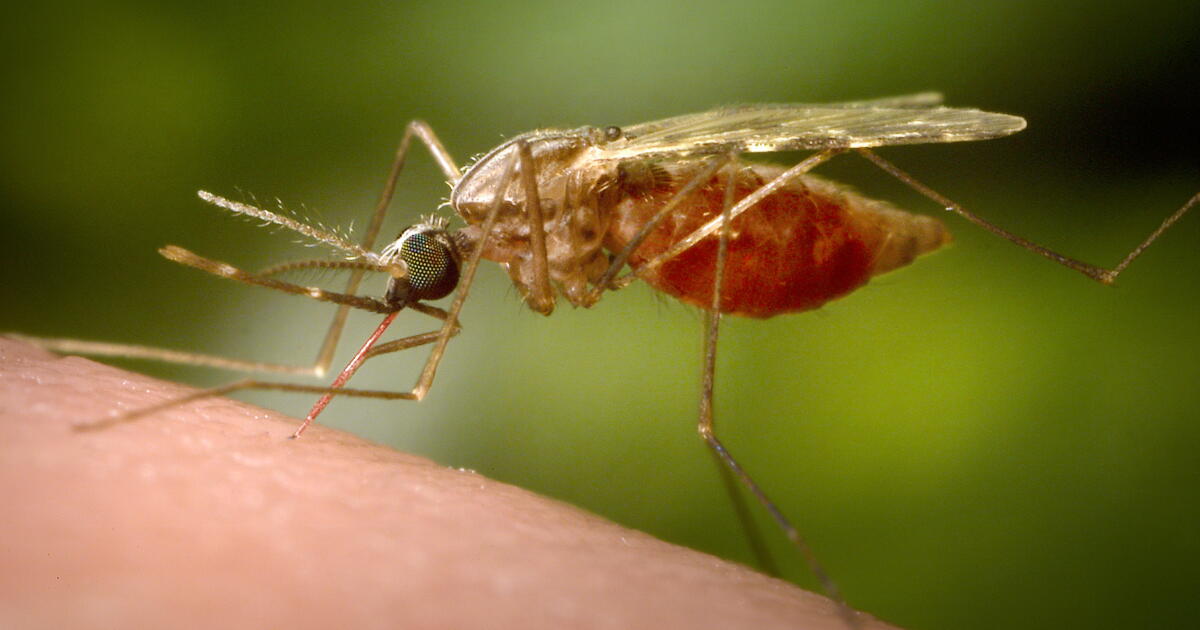
Rabid bats and rattlesnakes. Mosquitoes carrying West Nile virus and dengue fever. Increased bear and mountain lion attacks. A summer full of tragic hiker deaths, many brought on by extreme heat.
The news cycle has begun to resemble all those “nature rebels” movies that terrorized my childhood.
And perhaps with good reason.
This should not be read as a disrespect for, or diminishment of, the very real harm caused by rabies, insect-born illness, wild animals or accidents in various national parks. Fear of the wilderness and its potentially lethal native creatures is hardwired into the human brain and fueled tales of haunted forests and murderous animals throughout history.
In the modern era, however, those fears reflected the anxieties of the time. The 1950s gave us the nuclear monsters of “Godzilla,” “Them!,” “The Deadly Mantis” and “The Beast From 20,000 Fathoms.” In 1963, Alfred Hitchcock’s adaptation of Daphne du Maurier’s “The Birds” made ordinary creatures the menace, reminding us that humans were an outnumbered species.
Then came the ‘70s and a spate of often schlocky but still unsettling films that married the two notions. ”Day of the Animals,” “The Food of the Gods,” “Prophecy,” “Frog,” “Squirm” and “The Swarm” littered cinematic victims of various types of fauna driven mad by a thinning ozone layer, toxic waste or generally mysterious seepage.
Some of these were an obvious effort to capitalize on the enormous success of “Jaws,” an eco-horror masterpiece in which the predator appeared to be driven by personal malevolence rather than the product of human folly. But many were a reflection of the environmental movement and illumination of how pesticides, air pollution and other human-generated waste affects the planet and, in the end, all of us.
We don’t need to create monsters, accidentally or specifically, in a lab, these films argued. If we keep dumping toxins, nature will eventually fight back.
Which is precisely what’s happening now.
Myriad factors contribute to rabies deaths, mosquito-borne illness, animal attacks and hiking accidents — diminished awareness of danger, development of previously wild areas, increased popularity of amateur nature tourism — but they all share a common denominator.
Climate change.
(Unrequested but necessary public service announcement: Unless it is your job, please do not touch a bat. If you or someone you know has come into physical contact with a bat, assume it has rabies and see your doctor; rabies is easily treatable right after contact and fatal if not.)
Increased temperatures and its effects diminish natural habitats, forcing bears, mountain lions, coyotes and other wild animals to seek food, water and shade in residential areas where they are more likely to encounter, and sometimes attack, humans.
Mosquitoes, and the bats that eat them, are more active in warmer months, which is precisely when we tend to engage in outside activities or leave our windows open. In L.A., this summer’s El Niño-fueled humidity increased mosquito breeding and biting, leading to 100 cases (five fatal) of West Nile virus, more than quadruple last year’s cases.
Despite its increasing normalcy, extreme heat can take hikers by surprise, leading to dehydration, heat stroke and exhaustion, which in turn can contribute to falls. And as warm months extend, people are less wary of what they consider summer dangers. In California, fatal rattlesnake bites occurred in February, March and April, which, though unseasonably warm this year, are not months typically considered part of rattlesnake season.
The flooding that has become a hallmark of the warming planet’s increasingly extreme weather unleashes its own obvious form of danger but also decreases habitat — bringing humans and wildlife into closer contact — and provides a breeding ground for mosquitoes and disease.
In many eco-horror movies, from “The Birds” to the more recent “The Day After Tomorrow” and “The Happening,” nature attacks suddenly and all at once. In others, including “Day of the Animals” and “The Ruins,” it falls upon unwary explorers of isolated or distant places. In either case, there’s a period of normalcy, followed by red flags and denial after which all hell clearly breaks loose.
Historically, cultural apocalypse is a slower roll. Invaders may have finished off some of the great ancient civilizations, but only after they had been weakened by drought, famine, disease, flooding and internal divisions that catastrophe often sparks.
In some cases, no invaders were required.
As COVID-19 killed millions across the globe, many researchers (including those at the World Health Organization) concluded that it originated in Wuhan, China, as a bat-borne virus; experts warned of new zoonotic diseases emerging through deforestation and increased development.
But with the world heating up, we won’t need new diseases any more than we need cinematically conjured monsters to remind us that humans cannot continue to damage the environment without suffering the obvious consequences.
If we continue to disregard scientists, doctors, climatologists and public health officials, nature will correct the course on its own terms.

Rabid bats and rattlesnakes. Mosquitoes carrying West Nile virus and dengue fever. Increased bear and mountain lion attacks. A summer full of tragic hiker deaths, many brought on by extreme heat.
The news cycle has begun to resemble all those “nature rebels” movies that terrorized my childhood.
And perhaps with good reason.
This should not be read as a disrespect for, or diminishment of, the very real harm caused by rabies, insect-born illness, wild animals or accidents in various national parks. Fear of the wilderness and its potentially lethal native creatures is hardwired into the human brain and fueled tales of haunted forests and murderous animals throughout history.
In the modern era, however, those fears reflected the anxieties of the time. The 1950s gave us the nuclear monsters of “Godzilla,” “Them!,” “The Deadly Mantis” and “The Beast From 20,000 Fathoms.” In 1963, Alfred Hitchcock’s adaptation of Daphne du Maurier’s “The Birds” made ordinary creatures the menace, reminding us that humans were an outnumbered species.
Then came the ‘70s and a spate of often schlocky but still unsettling films that married the two notions. ”Day of the Animals,” “The Food of the Gods,” “Prophecy,” “Frog,” “Squirm” and “The Swarm” littered cinematic victims of various types of fauna driven mad by a thinning ozone layer, toxic waste or generally mysterious seepage.
Some of these were an obvious effort to capitalize on the enormous success of “Jaws,” an eco-horror masterpiece in which the predator appeared to be driven by personal malevolence rather than the product of human folly. But many were a reflection of the environmental movement and illumination of how pesticides, air pollution and other human-generated waste affects the planet and, in the end, all of us.
We don’t need to create monsters, accidentally or specifically, in a lab, these films argued. If we keep dumping toxins, nature will eventually fight back.
Which is precisely what’s happening now.
Myriad factors contribute to rabies deaths, mosquito-borne illness, animal attacks and hiking accidents — diminished awareness of danger, development of previously wild areas, increased popularity of amateur nature tourism — but they all share a common denominator.
Climate change.
(Unrequested but necessary public service announcement: Unless it is your job, please do not touch a bat. If you or someone you know has come into physical contact with a bat, assume it has rabies and see your doctor; rabies is easily treatable right after contact and fatal if not.)
Increased temperatures and its effects diminish natural habitats, forcing bears, mountain lions, coyotes and other wild animals to seek food, water and shade in residential areas where they are more likely to encounter, and sometimes attack, humans.
Mosquitoes, and the bats that eat them, are more active in warmer months, which is precisely when we tend to engage in outside activities or leave our windows open. In L.A., this summer’s El Niño-fueled humidity increased mosquito breeding and biting, leading to 100 cases (five fatal) of West Nile virus, more than quadruple last year’s cases.
Despite its increasing normalcy, extreme heat can take hikers by surprise, leading to dehydration, heat stroke and exhaustion, which in turn can contribute to falls. And as warm months extend, people are less wary of what they consider summer dangers. In California, fatal rattlesnake bites occurred in February, March and April, which, though unseasonably warm this year, are not months typically considered part of rattlesnake season.
The flooding that has become a hallmark of the warming planet’s increasingly extreme weather unleashes its own obvious form of danger but also decreases habitat — bringing humans and wildlife into closer contact — and provides a breeding ground for mosquitoes and disease.
In many eco-horror movies, from “The Birds” to the more recent “The Day After Tomorrow” and “The Happening,” nature attacks suddenly and all at once. In others, including “Day of the Animals” and “The Ruins,” it falls upon unwary explorers of isolated or distant places. In either case, there’s a period of normalcy, followed by red flags and denial after which all hell clearly breaks loose.
Historically, cultural apocalypse is a slower roll. Invaders may have finished off some of the great ancient civilizations, but only after they had been weakened by drought, famine, disease, flooding and internal divisions that catastrophe often sparks.
In some cases, no invaders were required.
As COVID-19 killed millions across the globe, many researchers (including those at the World Health Organization) concluded that it originated in Wuhan, China, as a bat-borne virus; experts warned of new zoonotic diseases emerging through deforestation and increased development.
But with the world heating up, we won’t need new diseases any more than we need cinematically conjured monsters to remind us that humans cannot continue to damage the environment without suffering the obvious consequences.
If we continue to disregard scientists, doctors, climatologists and public health officials, nature will correct the course on its own terms.

Rabid bats and rattlesnakes. Mosquitoes carrying West Nile virus and dengue fever. Increased bear and mountain lion attacks. A summer full of tragic hiker deaths, many brought on by extreme heat.
The news cycle has begun to resemble all those “nature rebels” movies that terrorized my childhood.
And perhaps with good reason.
This should not be read as a disrespect for, or diminishment of, the very real harm caused by rabies, insect-born illness, wild animals or accidents in various national parks. Fear of the wilderness and its potentially lethal native creatures is hardwired into the human brain and fueled tales of haunted forests and murderous animals throughout history.
In the modern era, however, those fears reflected the anxieties of the time. The 1950s gave us the nuclear monsters of “Godzilla,” “Them!,” “The Deadly Mantis” and “The Beast From 20,000 Fathoms.” In 1963, Alfred Hitchcock’s adaptation of Daphne du Maurier’s “The Birds” made ordinary creatures the menace, reminding us that humans were an outnumbered species.
Then came the ‘70s and a spate of often schlocky but still unsettling films that married the two notions. ”Day of the Animals,” “The Food of the Gods,” “Prophecy,” “Frog,” “Squirm” and “The Swarm” littered cinematic victims of various types of fauna driven mad by a thinning ozone layer, toxic waste or generally mysterious seepage.
Some of these were an obvious effort to capitalize on the enormous success of “Jaws,” an eco-horror masterpiece in which the predator appeared to be driven by personal malevolence rather than the product of human folly. But many were a reflection of the environmental movement and illumination of how pesticides, air pollution and other human-generated waste affects the planet and, in the end, all of us.
We don’t need to create monsters, accidentally or specifically, in a lab, these films argued. If we keep dumping toxins, nature will eventually fight back.
Which is precisely what’s happening now.
Myriad factors contribute to rabies deaths, mosquito-borne illness, animal attacks and hiking accidents — diminished awareness of danger, development of previously wild areas, increased popularity of amateur nature tourism — but they all share a common denominator.
Climate change.
(Unrequested but necessary public service announcement: Unless it is your job, please do not touch a bat. If you or someone you know has come into physical contact with a bat, assume it has rabies and see your doctor; rabies is easily treatable right after contact and fatal if not.)
Increased temperatures and its effects diminish natural habitats, forcing bears, mountain lions, coyotes and other wild animals to seek food, water and shade in residential areas where they are more likely to encounter, and sometimes attack, humans.
Mosquitoes, and the bats that eat them, are more active in warmer months, which is precisely when we tend to engage in outside activities or leave our windows open. In L.A., this summer’s El Niño-fueled humidity increased mosquito breeding and biting, leading to 100 cases (five fatal) of West Nile virus, more than quadruple last year’s cases.
Despite its increasing normalcy, extreme heat can take hikers by surprise, leading to dehydration, heat stroke and exhaustion, which in turn can contribute to falls. And as warm months extend, people are less wary of what they consider summer dangers. In California, fatal rattlesnake bites occurred in February, March and April, which, though unseasonably warm this year, are not months typically considered part of rattlesnake season.
The flooding that has become a hallmark of the warming planet’s increasingly extreme weather unleashes its own obvious form of danger but also decreases habitat — bringing humans and wildlife into closer contact — and provides a breeding ground for mosquitoes and disease.
In many eco-horror movies, from “The Birds” to the more recent “The Day After Tomorrow” and “The Happening,” nature attacks suddenly and all at once. In others, including “Day of the Animals” and “The Ruins,” it falls upon unwary explorers of isolated or distant places. In either case, there’s a period of normalcy, followed by red flags and denial after which all hell clearly breaks loose.
Historically, cultural apocalypse is a slower roll. Invaders may have finished off some of the great ancient civilizations, but only after they had been weakened by drought, famine, disease, flooding and internal divisions that catastrophe often sparks.
In some cases, no invaders were required.
As COVID-19 killed millions across the globe, many researchers (including those at the World Health Organization) concluded that it originated in Wuhan, China, as a bat-borne virus; experts warned of new zoonotic diseases emerging through deforestation and increased development.
But with the world heating up, we won’t need new diseases any more than we need cinematically conjured monsters to remind us that humans cannot continue to damage the environment without suffering the obvious consequences.
If we continue to disregard scientists, doctors, climatologists and public health officials, nature will correct the course on its own terms.
Rabid bats and rattlesnakes. Mosquitoes carrying West Nile virus and dengue fever. Increased bear and mountain lion attacks. A summer full of tragic hiker deaths, many brought on by extreme heat.
The news cycle has begun to resemble all those “nature rebels” movies that terrorized my childhood.
And perhaps with good reason.
This should not be read as a disrespect for, or diminishment of, the very real harm caused by rabies, insect-born illness, wild animals or accidents in various national parks. Fear of the wilderness and its potentially lethal native creatures is hardwired into the human brain and fueled tales of haunted forests and murderous animals throughout history.
In the modern era, however, those fears reflected the anxieties of the time. The 1950s gave us the nuclear monsters of “Godzilla,” “Them!,” “The Deadly Mantis” and “The Beast From 20,000 Fathoms.” In 1963, Alfred Hitchcock’s adaptation of Daphne du Maurier’s “The Birds” made ordinary creatures the menace, reminding us that humans were an outnumbered species.
Then came the ‘70s and a spate of often schlocky but still unsettling films that married the two notions. ”Day of the Animals,” “The Food of the Gods,” “Prophecy,” “Frog,” “Squirm” and “The Swarm” littered cinematic victims of various types of fauna driven mad by a thinning ozone layer, toxic waste or generally mysterious seepage.
Some of these were an obvious effort to capitalize on the enormous success of “Jaws,” an eco-horror masterpiece in which the predator appeared to be driven by personal malevolence rather than the product of human folly. But many were a reflection of the environmental movement and illumination of how pesticides, air pollution and other human-generated waste affects the planet and, in the end, all of us.
We don’t need to create monsters, accidentally or specifically, in a lab, these films argued. If we keep dumping toxins, nature will eventually fight back.
Which is precisely what’s happening now.
Myriad factors contribute to rabies deaths, mosquito-borne illness, animal attacks and hiking accidents — diminished awareness of danger, development of previously wild areas, increased popularity of amateur nature tourism — but they all share a common denominator.
Climate change.
(Unrequested but necessary public service announcement: Unless it is your job, please do not touch a bat. If you or someone you know has come into physical contact with a bat, assume it has rabies and see your doctor; rabies is easily treatable right after contact and fatal if not.)
Increased temperatures and its effects diminish natural habitats, forcing bears, mountain lions, coyotes and other wild animals to seek food, water and shade in residential areas where they are more likely to encounter, and sometimes attack, humans.
Mosquitoes, and the bats that eat them, are more active in warmer months, which is precisely when we tend to engage in outside activities or leave our windows open. In L.A., this summer’s El Niño-fueled humidity increased mosquito breeding and biting, leading to 100 cases (five fatal) of West Nile virus, more than quadruple last year’s cases.
Despite its increasing normalcy, extreme heat can take hikers by surprise, leading to dehydration, heat stroke and exhaustion, which in turn can contribute to falls. And as warm months extend, people are less wary of what they consider summer dangers. In California, fatal rattlesnake bites occurred in February, March and April, which, though unseasonably warm this year, are not months typically considered part of rattlesnake season.
The flooding that has become a hallmark of the warming planet’s increasingly extreme weather unleashes its own obvious form of danger but also decreases habitat — bringing humans and wildlife into closer contact — and provides a breeding ground for mosquitoes and disease.
In many eco-horror movies, from “The Birds” to the more recent “The Day After Tomorrow” and “The Happening,” nature attacks suddenly and all at once. In others, including “Day of the Animals” and “The Ruins,” it falls upon unwary explorers of isolated or distant places. In either case, there’s a period of normalcy, followed by red flags and denial after which all hell clearly breaks loose.
Historically, cultural apocalypse is a slower roll. Invaders may have finished off some of the great ancient civilizations, but only after they had been weakened by drought, famine, disease, flooding and internal divisions that catastrophe often sparks.
In some cases, no invaders were required.
As COVID-19 killed millions across the globe, many researchers (including those at the World Health Organization) concluded that it originated in Wuhan, China, as a bat-borne virus; experts warned of new zoonotic diseases emerging through deforestation and increased development.
But with the world heating up, we won’t need new diseases any more than we need cinematically conjured monsters to remind us that humans cannot continue to damage the environment without suffering the obvious consequences.
If we continue to disregard scientists, doctors, climatologists and public health officials, nature will correct the course on its own terms.

Rabid bats and rattlesnakes. Mosquitoes carrying West Nile virus and dengue fever. Increased bear and mountain lion attacks. A summer full of tragic hiker deaths, many brought on by extreme heat.
The news cycle has begun to resemble all those “nature rebels” movies that terrorized my childhood.
And perhaps with good reason.
This should not be read as a disrespect for, or diminishment of, the very real harm caused by rabies, insect-born illness, wild animals or accidents in various national parks. Fear of the wilderness and its potentially lethal native creatures is hardwired into the human brain and fueled tales of haunted forests and murderous animals throughout history.
In the modern era, however, those fears reflected the anxieties of the time. The 1950s gave us the nuclear monsters of “Godzilla,” “Them!,” “The Deadly Mantis” and “The Beast From 20,000 Fathoms.” In 1963, Alfred Hitchcock’s adaptation of Daphne du Maurier’s “The Birds” made ordinary creatures the menace, reminding us that humans were an outnumbered species.
Then came the ‘70s and a spate of often schlocky but still unsettling films that married the two notions. ”Day of the Animals,” “The Food of the Gods,” “Prophecy,” “Frog,” “Squirm” and “The Swarm” littered cinematic victims of various types of fauna driven mad by a thinning ozone layer, toxic waste or generally mysterious seepage.
Some of these were an obvious effort to capitalize on the enormous success of “Jaws,” an eco-horror masterpiece in which the predator appeared to be driven by personal malevolence rather than the product of human folly. But many were a reflection of the environmental movement and illumination of how pesticides, air pollution and other human-generated waste affects the planet and, in the end, all of us.
We don’t need to create monsters, accidentally or specifically, in a lab, these films argued. If we keep dumping toxins, nature will eventually fight back.
Which is precisely what’s happening now.
Myriad factors contribute to rabies deaths, mosquito-borne illness, animal attacks and hiking accidents — diminished awareness of danger, development of previously wild areas, increased popularity of amateur nature tourism — but they all share a common denominator.
Climate change.
(Unrequested but necessary public service announcement: Unless it is your job, please do not touch a bat. If you or someone you know has come into physical contact with a bat, assume it has rabies and see your doctor; rabies is easily treatable right after contact and fatal if not.)
Increased temperatures and its effects diminish natural habitats, forcing bears, mountain lions, coyotes and other wild animals to seek food, water and shade in residential areas where they are more likely to encounter, and sometimes attack, humans.
Mosquitoes, and the bats that eat them, are more active in warmer months, which is precisely when we tend to engage in outside activities or leave our windows open. In L.A., this summer’s El Niño-fueled humidity increased mosquito breeding and biting, leading to 100 cases (five fatal) of West Nile virus, more than quadruple last year’s cases.
Despite its increasing normalcy, extreme heat can take hikers by surprise, leading to dehydration, heat stroke and exhaustion, which in turn can contribute to falls. And as warm months extend, people are less wary of what they consider summer dangers. In California, fatal rattlesnake bites occurred in February, March and April, which, though unseasonably warm this year, are not months typically considered part of rattlesnake season.
The flooding that has become a hallmark of the warming planet’s increasingly extreme weather unleashes its own obvious form of danger but also decreases habitat — bringing humans and wildlife into closer contact — and provides a breeding ground for mosquitoes and disease.
In many eco-horror movies, from “The Birds” to the more recent “The Day After Tomorrow” and “The Happening,” nature attacks suddenly and all at once. In others, including “Day of the Animals” and “The Ruins,” it falls upon unwary explorers of isolated or distant places. In either case, there’s a period of normalcy, followed by red flags and denial after which all hell clearly breaks loose.
Historically, cultural apocalypse is a slower roll. Invaders may have finished off some of the great ancient civilizations, but only after they had been weakened by drought, famine, disease, flooding and internal divisions that catastrophe often sparks.
In some cases, no invaders were required.
As COVID-19 killed millions across the globe, many researchers (including those at the World Health Organization) concluded that it originated in Wuhan, China, as a bat-borne virus; experts warned of new zoonotic diseases emerging through deforestation and increased development.
But with the world heating up, we won’t need new diseases any more than we need cinematically conjured monsters to remind us that humans cannot continue to damage the environment without suffering the obvious consequences.
If we continue to disregard scientists, doctors, climatologists and public health officials, nature will correct the course on its own terms.
Rabid bats and rattlesnakes. Mosquitoes carrying West Nile virus and dengue fever. Increased bear and mountain lion attacks. A summer full of tragic hiker deaths, many brought on by extreme heat.
The news cycle has begun to resemble all those “nature rebels” movies that terrorized my childhood.
And perhaps with good reason.
This should not be read as a disrespect for, or diminishment of, the very real harm caused by rabies, insect-born illness, wild animals or accidents in various national parks. Fear of the wilderness and its potentially lethal native creatures is hardwired into the human brain and fueled tales of haunted forests and murderous animals throughout history.
In the modern era, however, those fears reflected the anxieties of the time. The 1950s gave us the nuclear monsters of “Godzilla,” “Them!,” “The Deadly Mantis” and “The Beast From 20,000 Fathoms.” In 1963, Alfred Hitchcock’s adaptation of Daphne du Maurier’s “The Birds” made ordinary creatures the menace, reminding us that humans were an outnumbered species.
Then came the ‘70s and a spate of often schlocky but still unsettling films that married the two notions. ”Day of the Animals,” “The Food of the Gods,” “Prophecy,” “Frog,” “Squirm” and “The Swarm” littered cinematic victims of various types of fauna driven mad by a thinning ozone layer, toxic waste or generally mysterious seepage.
Some of these were an obvious effort to capitalize on the enormous success of “Jaws,” an eco-horror masterpiece in which the predator appeared to be driven by personal malevolence rather than the product of human folly. But many were a reflection of the environmental movement and illumination of how pesticides, air pollution and other human-generated waste affects the planet and, in the end, all of us.
We don’t need to create monsters, accidentally or specifically, in a lab, these films argued. If we keep dumping toxins, nature will eventually fight back.
Which is precisely what’s happening now.
Myriad factors contribute to rabies deaths, mosquito-borne illness, animal attacks and hiking accidents — diminished awareness of danger, development of previously wild areas, increased popularity of amateur nature tourism — but they all share a common denominator.
Climate change.
(Unrequested but necessary public service announcement: Unless it is your job, please do not touch a bat. If you or someone you know has come into physical contact with a bat, assume it has rabies and see your doctor; rabies is easily treatable right after contact and fatal if not.)
Increased temperatures and its effects diminish natural habitats, forcing bears, mountain lions, coyotes and other wild animals to seek food, water and shade in residential areas where they are more likely to encounter, and sometimes attack, humans.
Mosquitoes, and the bats that eat them, are more active in warmer months, which is precisely when we tend to engage in outside activities or leave our windows open. In L.A., this summer’s El Niño-fueled humidity increased mosquito breeding and biting, leading to 100 cases (five fatal) of West Nile virus, more than quadruple last year’s cases.
Despite its increasing normalcy, extreme heat can take hikers by surprise, leading to dehydration, heat stroke and exhaustion, which in turn can contribute to falls. And as warm months extend, people are less wary of what they consider summer dangers. In California, fatal rattlesnake bites occurred in February, March and April, which, though unseasonably warm this year, are not months typically considered part of rattlesnake season.
The flooding that has become a hallmark of the warming planet’s increasingly extreme weather unleashes its own obvious form of danger but also decreases habitat — bringing humans and wildlife into closer contact — and provides a breeding ground for mosquitoes and disease.
In many eco-horror movies, from “The Birds” to the more recent “The Day After Tomorrow” and “The Happening,” nature attacks suddenly and all at once. In others, including “Day of the Animals” and “The Ruins,” it falls upon unwary explorers of isolated or distant places. In either case, there’s a period of normalcy, followed by red flags and denial after which all hell clearly breaks loose.
Historically, cultural apocalypse is a slower roll. Invaders may have finished off some of the great ancient civilizations, but only after they had been weakened by drought, famine, disease, flooding and internal divisions that catastrophe often sparks.
In some cases, no invaders were required.
As COVID-19 killed millions across the globe, many researchers (including those at the World Health Organization) concluded that it originated in Wuhan, China, as a bat-borne virus; experts warned of new zoonotic diseases emerging through deforestation and increased development.
But with the world heating up, we won’t need new diseases any more than we need cinematically conjured monsters to remind us that humans cannot continue to damage the environment without suffering the obvious consequences.
If we continue to disregard scientists, doctors, climatologists and public health officials, nature will correct the course on its own terms.
Rabid bats and rattlesnakes. Mosquitoes carrying West Nile virus and dengue fever. Increased bear and mountain lion attacks. A summer full of tragic hiker deaths, many brought on by extreme heat.
The news cycle has begun to resemble all those “nature rebels” movies that terrorized my childhood.
And perhaps with good reason.
This should not be read as a disrespect for, or diminishment of, the very real harm caused by rabies, insect-born illness, wild animals or accidents in various national parks. Fear of the wilderness and its potentially lethal native creatures is hardwired into the human brain and fueled tales of haunted forests and murderous animals throughout history.
In the modern era, however, those fears reflected the anxieties of the time. The 1950s gave us the nuclear monsters of “Godzilla,” “Them!,” “The Deadly Mantis” and “The Beast From 20,000 Fathoms.” In 1963, Alfred Hitchcock’s adaptation of Daphne du Maurier’s “The Birds” made ordinary creatures the menace, reminding us that humans were an outnumbered species.
Then came the ‘70s and a spate of often schlocky but still unsettling films that married the two notions. ”Day of the Animals,” “The Food of the Gods,” “Prophecy,” “Frog,” “Squirm” and “The Swarm” littered cinematic victims of various types of fauna driven mad by a thinning ozone layer, toxic waste or generally mysterious seepage.
Some of these were an obvious effort to capitalize on the enormous success of “Jaws,” an eco-horror masterpiece in which the predator appeared to be driven by personal malevolence rather than the product of human folly. But many were a reflection of the environmental movement and illumination of how pesticides, air pollution and other human-generated waste affects the planet and, in the end, all of us.
We don’t need to create monsters, accidentally or specifically, in a lab, these films argued. If we keep dumping toxins, nature will eventually fight back.
Which is precisely what’s happening now.
Myriad factors contribute to rabies deaths, mosquito-borne illness, animal attacks and hiking accidents — diminished awareness of danger, development of previously wild areas, increased popularity of amateur nature tourism — but they all share a common denominator.
Climate change.
(Unrequested but necessary public service announcement: Unless it is your job, please do not touch a bat. If you or someone you know has come into physical contact with a bat, assume it has rabies and see your doctor; rabies is easily treatable right after contact and fatal if not.)
Increased temperatures and its effects diminish natural habitats, forcing bears, mountain lions, coyotes and other wild animals to seek food, water and shade in residential areas where they are more likely to encounter, and sometimes attack, humans.
Mosquitoes, and the bats that eat them, are more active in warmer months, which is precisely when we tend to engage in outside activities or leave our windows open. In L.A., this summer’s El Niño-fueled humidity increased mosquito breeding and biting, leading to 100 cases (five fatal) of West Nile virus, more than quadruple last year’s cases.
Despite its increasing normalcy, extreme heat can take hikers by surprise, leading to dehydration, heat stroke and exhaustion, which in turn can contribute to falls. And as warm months extend, people are less wary of what they consider summer dangers. In California, fatal rattlesnake bites occurred in February, March and April, which, though unseasonably warm this year, are not months typically considered part of rattlesnake season.
The flooding that has become a hallmark of the warming planet’s increasingly extreme weather unleashes its own obvious form of danger but also decreases habitat — bringing humans and wildlife into closer contact — and provides a breeding ground for mosquitoes and disease.
In many eco-horror movies, from “The Birds” to the more recent “The Day After Tomorrow” and “The Happening,” nature attacks suddenly and all at once. In others, including “Day of the Animals” and “The Ruins,” it falls upon unwary explorers of isolated or distant places. In either case, there’s a period of normalcy, followed by red flags and denial after which all hell clearly breaks loose.
Historically, cultural apocalypse is a slower roll. Invaders may have finished off some of the great ancient civilizations, but only after they had been weakened by drought, famine, disease, flooding and internal divisions that catastrophe often sparks.
In some cases, no invaders were required.
As COVID-19 killed millions across the globe, many researchers (including those at the World Health Organization) concluded that it originated in Wuhan, China, as a bat-borne virus; experts warned of new zoonotic diseases emerging through deforestation and increased development.
But with the world heating up, we won’t need new diseases any more than we need cinematically conjured monsters to remind us that humans cannot continue to damage the environment without suffering the obvious consequences.
If we continue to disregard scientists, doctors, climatologists and public health officials, nature will correct the course on its own terms.
Rabid bats and rattlesnakes. Mosquitoes carrying West Nile virus and dengue fever. Increased bear and mountain lion attacks. A summer full of tragic hiker deaths, many brought on by extreme heat.
The news cycle has begun to resemble all those “nature rebels” movies that terrorized my childhood.
And perhaps with good reason.
This should not be read as a disrespect for, or diminishment of, the very real harm caused by rabies, insect-born illness, wild animals or accidents in various national parks. Fear of the wilderness and its potentially lethal native creatures is hardwired into the human brain and fueled tales of haunted forests and murderous animals throughout history.
In the modern era, however, those fears reflected the anxieties of the time. The 1950s gave us the nuclear monsters of “Godzilla,” “Them!,” “The Deadly Mantis” and “The Beast From 20,000 Fathoms.” In 1963, Alfred Hitchcock’s adaptation of Daphne du Maurier’s “The Birds” made ordinary creatures the menace, reminding us that humans were an outnumbered species.
Then came the ‘70s and a spate of often schlocky but still unsettling films that married the two notions. ”Day of the Animals,” “The Food of the Gods,” “Prophecy,” “Frog,” “Squirm” and “The Swarm” littered cinematic victims of various types of fauna driven mad by a thinning ozone layer, toxic waste or generally mysterious seepage.
Some of these were an obvious effort to capitalize on the enormous success of “Jaws,” an eco-horror masterpiece in which the predator appeared to be driven by personal malevolence rather than the product of human folly. But many were a reflection of the environmental movement and illumination of how pesticides, air pollution and other human-generated waste affects the planet and, in the end, all of us.
We don’t need to create monsters, accidentally or specifically, in a lab, these films argued. If we keep dumping toxins, nature will eventually fight back.
Which is precisely what’s happening now.
Myriad factors contribute to rabies deaths, mosquito-borne illness, animal attacks and hiking accidents — diminished awareness of danger, development of previously wild areas, increased popularity of amateur nature tourism — but they all share a common denominator.
Climate change.
(Unrequested but necessary public service announcement: Unless it is your job, please do not touch a bat. If you or someone you know has come into physical contact with a bat, assume it has rabies and see your doctor; rabies is easily treatable right after contact and fatal if not.)
Increased temperatures and its effects diminish natural habitats, forcing bears, mountain lions, coyotes and other wild animals to seek food, water and shade in residential areas where they are more likely to encounter, and sometimes attack, humans.
Mosquitoes, and the bats that eat them, are more active in warmer months, which is precisely when we tend to engage in outside activities or leave our windows open. In L.A., this summer’s El Niño-fueled humidity increased mosquito breeding and biting, leading to 100 cases (five fatal) of West Nile virus, more than quadruple last year’s cases.
Despite its increasing normalcy, extreme heat can take hikers by surprise, leading to dehydration, heat stroke and exhaustion, which in turn can contribute to falls. And as warm months extend, people are less wary of what they consider summer dangers. In California, fatal rattlesnake bites occurred in February, March and April, which, though unseasonably warm this year, are not months typically considered part of rattlesnake season.
The flooding that has become a hallmark of the warming planet’s increasingly extreme weather unleashes its own obvious form of danger but also decreases habitat — bringing humans and wildlife into closer contact — and provides a breeding ground for mosquitoes and disease.
In many eco-horror movies, from “The Birds” to the more recent “The Day After Tomorrow” and “The Happening,” nature attacks suddenly and all at once. In others, including “Day of the Animals” and “The Ruins,” it falls upon unwary explorers of isolated or distant places. In either case, there’s a period of normalcy, followed by red flags and denial after which all hell clearly breaks loose.
Historically, cultural apocalypse is a slower roll. Invaders may have finished off some of the great ancient civilizations, but only after they had been weakened by drought, famine, disease, flooding and internal divisions that catastrophe often sparks.
In some cases, no invaders were required.
As COVID-19 killed millions across the globe, many researchers (including those at the World Health Organization) concluded that it originated in Wuhan, China, as a bat-borne virus; experts warned of new zoonotic diseases emerging through deforestation and increased development.
But with the world heating up, we won’t need new diseases any more than we need cinematically conjured monsters to remind us that humans cannot continue to damage the environment without suffering the obvious consequences.
If we continue to disregard scientists, doctors, climatologists and public health officials, nature will correct the course on its own terms.