
Wednesday, June 24, 2026
Washington DC
New York
Toronto
Distribution: (800) 510 9863
Press ID
  • Login
RH NEWSROOM National News and Press Releases. Local and Regional Perspectives. Media Advisories.
Yonkers Observer
  • Home
  • World
  • Politics
  • Finance
  • Technology
  • Health
  • Culture
  • Entertainment
  • Trend
No Result
View All Result
  • Home
  • World
  • Politics
  • Finance
  • Technology
  • Health
  • Culture
  • Entertainment
  • Trend
No Result
View All Result
Yonkers Observer
No Result
View All Result
Home Culture

Industry letter claims musicians are being forced into AI deals

by Yonkers Observer Report
June 23, 2026
in Culture
Share on FacebookShare on Twitter

A coalition of advocacy groups for artists, songwriters and managers is warning musicians about the growing risks of artificial intelligence music.

Recently, many major record labels have inked deals with AI music startups such as Suno, Udio and Klay. But the coalition, which includes organizations such as the Music Artists Coalition and the Songwriters of North America, argues in a new letter that “artists and songwriters whose works, voices, performances, likenesses and creative identities make those deals valuable are not being meaningfully consulted.”

The letter, released Monday, stated that many artists and songwriters in existing recording and publishing agreements are currently receiving letters from their labels and publishers claiming that they “will be opted in to AI-related uses by default, with little actual choice offered.”

“We support innovation and recognise that AI can create new opportunities for music,” the coalition wrote in the letter. “However artists are not simply catalogue assets, and innovation cannot be used to override artists’ rights.”

The National Independent Talent Organization, a live entertainment advocacy group that signed the letter, said many of its members are coming to the organization with label contracts that include “non-negotiable AI usage clauses.”

“We can’t allow for contract language signed decades before this technology existed to be the standard bearer. These rights belong to the creators and they get the final say on usage,” said Nathaniel Marro, NITO’s executive director, in a statement .

“Music companies are leading the fight to protect artists’ and songwriters’ rights in the age of AI,” said a spokesperson for IFPI, the recording industry’s global trade body.

“While our members have taken different approaches, they share the same fundamental objectives: combating the unauthorized use of music and establishing licensing models that return revenue to artists and songwriters,” the IFPI spokesperson added.

The coalition is asking the industry to move forward on AI deals only under four conditions: that musicians directly consent to any agreement; that artists receive fair compensation; that there be transparency between the companies and the talent; and that companies make a public commitment to end contracts built on default AI opt-ins and forced AI clauses.

“Artists need a real seat in these conversations, clear terms on revenue share, and the ability to say no without losing their deal,” said Ron Gubitz, the Music Artists Coalition’s executive director, in a statement.

This letter comes at a time when policymakers are reviewing copyright rules in response to AI and when streaming platforms and social media platforms are overflowing with AI-generated music.

The American Federation of Musicians recently sued Universal Music Group and Warner Music Group, alleging the major labels “received significant compensation” from the AI companies for past copyright violations and licensed “substantial” portions of their music catalogs to them, but haven’t shared that with the musicians.

Some signatories struck a more conciliatory note.

“The companies building these technologies understand that trust is essential to long-term success, and trust begins with respecting creators’ rights,” said Willie “Prophet” Stiggers of the Black Music Action Coalition, which signed the letter.Stiggers said in a statement to The Times. “There’s still important work ahead, but we’re encouraged that the conversation has shifted from whether protections are needed to how we build them together.”

Times staff writer Wendy Lee contributed to this report.

A coalition of advocacy groups for artists, songwriters and managers is warning musicians about the growing risks of artificial intelligence music.

Recently, many major record labels have inked deals with AI music startups such as Suno, Udio and Klay. But the coalition, which includes organizations such as the Music Artists Coalition and the Songwriters of North America, argues in a new letter that “artists and songwriters whose works, voices, performances, likenesses and creative identities make those deals valuable are not being meaningfully consulted.”

The letter, released Monday, stated that many artists and songwriters in existing recording and publishing agreements are currently receiving letters from their labels and publishers claiming that they “will be opted in to AI-related uses by default, with little actual choice offered.”

“We support innovation and recognise that AI can create new opportunities for music,” the coalition wrote in the letter. “However artists are not simply catalogue assets, and innovation cannot be used to override artists’ rights.”

The National Independent Talent Organization, a live entertainment advocacy group that signed the letter, said many of its members are coming to the organization with label contracts that include “non-negotiable AI usage clauses.”

“We can’t allow for contract language signed decades before this technology existed to be the standard bearer. These rights belong to the creators and they get the final say on usage,” said Nathaniel Marro, NITO’s executive director, in a statement .

“Music companies are leading the fight to protect artists’ and songwriters’ rights in the age of AI,” said a spokesperson for IFPI, the recording industry’s global trade body.

“While our members have taken different approaches, they share the same fundamental objectives: combating the unauthorized use of music and establishing licensing models that return revenue to artists and songwriters,” the IFPI spokesperson added.

The coalition is asking the industry to move forward on AI deals only under four conditions: that musicians directly consent to any agreement; that artists receive fair compensation; that there be transparency between the companies and the talent; and that companies make a public commitment to end contracts built on default AI opt-ins and forced AI clauses.

“Artists need a real seat in these conversations, clear terms on revenue share, and the ability to say no without losing their deal,” said Ron Gubitz, the Music Artists Coalition’s executive director, in a statement.

This letter comes at a time when policymakers are reviewing copyright rules in response to AI and when streaming platforms and social media platforms are overflowing with AI-generated music.

The American Federation of Musicians recently sued Universal Music Group and Warner Music Group, alleging the major labels “received significant compensation” from the AI companies for past copyright violations and licensed “substantial” portions of their music catalogs to them, but haven’t shared that with the musicians.

Some signatories struck a more conciliatory note.

“The companies building these technologies understand that trust is essential to long-term success, and trust begins with respecting creators’ rights,” said Willie “Prophet” Stiggers of the Black Music Action Coalition, which signed the letter.Stiggers said in a statement to The Times. “There’s still important work ahead, but we’re encouraged that the conversation has shifted from whether protections are needed to how we build them together.”

Times staff writer Wendy Lee contributed to this report.

A coalition of advocacy groups for artists, songwriters and managers is warning musicians about the growing risks of artificial intelligence music.

Recently, many major record labels have inked deals with AI music startups such as Suno, Udio and Klay. But the coalition, which includes organizations such as the Music Artists Coalition and the Songwriters of North America, argues in a new letter that “artists and songwriters whose works, voices, performances, likenesses and creative identities make those deals valuable are not being meaningfully consulted.”

The letter, released Monday, stated that many artists and songwriters in existing recording and publishing agreements are currently receiving letters from their labels and publishers claiming that they “will be opted in to AI-related uses by default, with little actual choice offered.”

“We support innovation and recognise that AI can create new opportunities for music,” the coalition wrote in the letter. “However artists are not simply catalogue assets, and innovation cannot be used to override artists’ rights.”

The National Independent Talent Organization, a live entertainment advocacy group that signed the letter, said many of its members are coming to the organization with label contracts that include “non-negotiable AI usage clauses.”

“We can’t allow for contract language signed decades before this technology existed to be the standard bearer. These rights belong to the creators and they get the final say on usage,” said Nathaniel Marro, NITO’s executive director, in a statement .

“Music companies are leading the fight to protect artists’ and songwriters’ rights in the age of AI,” said a spokesperson for IFPI, the recording industry’s global trade body.

“While our members have taken different approaches, they share the same fundamental objectives: combating the unauthorized use of music and establishing licensing models that return revenue to artists and songwriters,” the IFPI spokesperson added.

The coalition is asking the industry to move forward on AI deals only under four conditions: that musicians directly consent to any agreement; that artists receive fair compensation; that there be transparency between the companies and the talent; and that companies make a public commitment to end contracts built on default AI opt-ins and forced AI clauses.

“Artists need a real seat in these conversations, clear terms on revenue share, and the ability to say no without losing their deal,” said Ron Gubitz, the Music Artists Coalition’s executive director, in a statement.

This letter comes at a time when policymakers are reviewing copyright rules in response to AI and when streaming platforms and social media platforms are overflowing with AI-generated music.

The American Federation of Musicians recently sued Universal Music Group and Warner Music Group, alleging the major labels “received significant compensation” from the AI companies for past copyright violations and licensed “substantial” portions of their music catalogs to them, but haven’t shared that with the musicians.

Some signatories struck a more conciliatory note.

“The companies building these technologies understand that trust is essential to long-term success, and trust begins with respecting creators’ rights,” said Willie “Prophet” Stiggers of the Black Music Action Coalition, which signed the letter.Stiggers said in a statement to The Times. “There’s still important work ahead, but we’re encouraged that the conversation has shifted from whether protections are needed to how we build them together.”

Times staff writer Wendy Lee contributed to this report.

A coalition of advocacy groups for artists, songwriters and managers is warning musicians about the growing risks of artificial intelligence music.

Recently, many major record labels have inked deals with AI music startups such as Suno, Udio and Klay. But the coalition, which includes organizations such as the Music Artists Coalition and the Songwriters of North America, argues in a new letter that “artists and songwriters whose works, voices, performances, likenesses and creative identities make those deals valuable are not being meaningfully consulted.”

The letter, released Monday, stated that many artists and songwriters in existing recording and publishing agreements are currently receiving letters from their labels and publishers claiming that they “will be opted in to AI-related uses by default, with little actual choice offered.”

“We support innovation and recognise that AI can create new opportunities for music,” the coalition wrote in the letter. “However artists are not simply catalogue assets, and innovation cannot be used to override artists’ rights.”

The National Independent Talent Organization, a live entertainment advocacy group that signed the letter, said many of its members are coming to the organization with label contracts that include “non-negotiable AI usage clauses.”

“We can’t allow for contract language signed decades before this technology existed to be the standard bearer. These rights belong to the creators and they get the final say on usage,” said Nathaniel Marro, NITO’s executive director, in a statement .

“Music companies are leading the fight to protect artists’ and songwriters’ rights in the age of AI,” said a spokesperson for IFPI, the recording industry’s global trade body.

“While our members have taken different approaches, they share the same fundamental objectives: combating the unauthorized use of music and establishing licensing models that return revenue to artists and songwriters,” the IFPI spokesperson added.

The coalition is asking the industry to move forward on AI deals only under four conditions: that musicians directly consent to any agreement; that artists receive fair compensation; that there be transparency between the companies and the talent; and that companies make a public commitment to end contracts built on default AI opt-ins and forced AI clauses.

“Artists need a real seat in these conversations, clear terms on revenue share, and the ability to say no without losing their deal,” said Ron Gubitz, the Music Artists Coalition’s executive director, in a statement.

This letter comes at a time when policymakers are reviewing copyright rules in response to AI and when streaming platforms and social media platforms are overflowing with AI-generated music.

The American Federation of Musicians recently sued Universal Music Group and Warner Music Group, alleging the major labels “received significant compensation” from the AI companies for past copyright violations and licensed “substantial” portions of their music catalogs to them, but haven’t shared that with the musicians.

Some signatories struck a more conciliatory note.

“The companies building these technologies understand that trust is essential to long-term success, and trust begins with respecting creators’ rights,” said Willie “Prophet” Stiggers of the Black Music Action Coalition, which signed the letter.Stiggers said in a statement to The Times. “There’s still important work ahead, but we’re encouraged that the conversation has shifted from whether protections are needed to how we build them together.”

Times staff writer Wendy Lee contributed to this report.

A coalition of advocacy groups for artists, songwriters and managers is warning musicians about the growing risks of artificial intelligence music.

Recently, many major record labels have inked deals with AI music startups such as Suno, Udio and Klay. But the coalition, which includes organizations such as the Music Artists Coalition and the Songwriters of North America, argues in a new letter that “artists and songwriters whose works, voices, performances, likenesses and creative identities make those deals valuable are not being meaningfully consulted.”

The letter, released Monday, stated that many artists and songwriters in existing recording and publishing agreements are currently receiving letters from their labels and publishers claiming that they “will be opted in to AI-related uses by default, with little actual choice offered.”

“We support innovation and recognise that AI can create new opportunities for music,” the coalition wrote in the letter. “However artists are not simply catalogue assets, and innovation cannot be used to override artists’ rights.”

The National Independent Talent Organization, a live entertainment advocacy group that signed the letter, said many of its members are coming to the organization with label contracts that include “non-negotiable AI usage clauses.”

“We can’t allow for contract language signed decades before this technology existed to be the standard bearer. These rights belong to the creators and they get the final say on usage,” said Nathaniel Marro, NITO’s executive director, in a statement .

“Music companies are leading the fight to protect artists’ and songwriters’ rights in the age of AI,” said a spokesperson for IFPI, the recording industry’s global trade body.

“While our members have taken different approaches, they share the same fundamental objectives: combating the unauthorized use of music and establishing licensing models that return revenue to artists and songwriters,” the IFPI spokesperson added.

The coalition is asking the industry to move forward on AI deals only under four conditions: that musicians directly consent to any agreement; that artists receive fair compensation; that there be transparency between the companies and the talent; and that companies make a public commitment to end contracts built on default AI opt-ins and forced AI clauses.

“Artists need a real seat in these conversations, clear terms on revenue share, and the ability to say no without losing their deal,” said Ron Gubitz, the Music Artists Coalition’s executive director, in a statement.

This letter comes at a time when policymakers are reviewing copyright rules in response to AI and when streaming platforms and social media platforms are overflowing with AI-generated music.

The American Federation of Musicians recently sued Universal Music Group and Warner Music Group, alleging the major labels “received significant compensation” from the AI companies for past copyright violations and licensed “substantial” portions of their music catalogs to them, but haven’t shared that with the musicians.

Some signatories struck a more conciliatory note.

“The companies building these technologies understand that trust is essential to long-term success, and trust begins with respecting creators’ rights,” said Willie “Prophet” Stiggers of the Black Music Action Coalition, which signed the letter.Stiggers said in a statement to The Times. “There’s still important work ahead, but we’re encouraged that the conversation has shifted from whether protections are needed to how we build them together.”

Times staff writer Wendy Lee contributed to this report.

A coalition of advocacy groups for artists, songwriters and managers is warning musicians about the growing risks of artificial intelligence music.

Recently, many major record labels have inked deals with AI music startups such as Suno, Udio and Klay. But the coalition, which includes organizations such as the Music Artists Coalition and the Songwriters of North America, argues in a new letter that “artists and songwriters whose works, voices, performances, likenesses and creative identities make those deals valuable are not being meaningfully consulted.”

The letter, released Monday, stated that many artists and songwriters in existing recording and publishing agreements are currently receiving letters from their labels and publishers claiming that they “will be opted in to AI-related uses by default, with little actual choice offered.”

“We support innovation and recognise that AI can create new opportunities for music,” the coalition wrote in the letter. “However artists are not simply catalogue assets, and innovation cannot be used to override artists’ rights.”

The National Independent Talent Organization, a live entertainment advocacy group that signed the letter, said many of its members are coming to the organization with label contracts that include “non-negotiable AI usage clauses.”

“We can’t allow for contract language signed decades before this technology existed to be the standard bearer. These rights belong to the creators and they get the final say on usage,” said Nathaniel Marro, NITO’s executive director, in a statement .

“Music companies are leading the fight to protect artists’ and songwriters’ rights in the age of AI,” said a spokesperson for IFPI, the recording industry’s global trade body.

“While our members have taken different approaches, they share the same fundamental objectives: combating the unauthorized use of music and establishing licensing models that return revenue to artists and songwriters,” the IFPI spokesperson added.

The coalition is asking the industry to move forward on AI deals only under four conditions: that musicians directly consent to any agreement; that artists receive fair compensation; that there be transparency between the companies and the talent; and that companies make a public commitment to end contracts built on default AI opt-ins and forced AI clauses.

“Artists need a real seat in these conversations, clear terms on revenue share, and the ability to say no without losing their deal,” said Ron Gubitz, the Music Artists Coalition’s executive director, in a statement.

This letter comes at a time when policymakers are reviewing copyright rules in response to AI and when streaming platforms and social media platforms are overflowing with AI-generated music.

The American Federation of Musicians recently sued Universal Music Group and Warner Music Group, alleging the major labels “received significant compensation” from the AI companies for past copyright violations and licensed “substantial” portions of their music catalogs to them, but haven’t shared that with the musicians.

Some signatories struck a more conciliatory note.

“The companies building these technologies understand that trust is essential to long-term success, and trust begins with respecting creators’ rights,” said Willie “Prophet” Stiggers of the Black Music Action Coalition, which signed the letter.Stiggers said in a statement to The Times. “There’s still important work ahead, but we’re encouraged that the conversation has shifted from whether protections are needed to how we build them together.”

Times staff writer Wendy Lee contributed to this report.
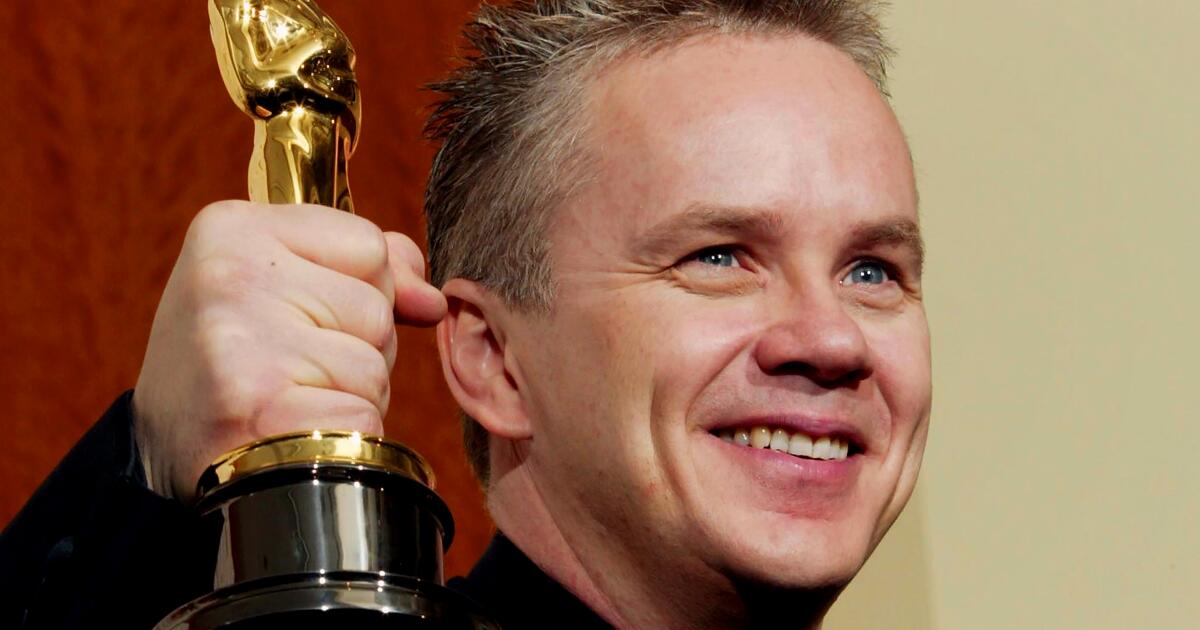
A coalition of advocacy groups for artists, songwriters and managers is warning musicians about the growing risks of artificial intelligence music.

Recently, many major record labels have inked deals with AI music startups such as Suno, Udio and Klay. But the coalition, which includes organizations such as the Music Artists Coalition and the Songwriters of North America, argues in a new letter that “artists and songwriters whose works, voices, performances, likenesses and creative identities make those deals valuable are not being meaningfully consulted.”

The letter, released Monday, stated that many artists and songwriters in existing recording and publishing agreements are currently receiving letters from their labels and publishers claiming that they “will be opted in to AI-related uses by default, with little actual choice offered.”

“We support innovation and recognise that AI can create new opportunities for music,” the coalition wrote in the letter. “However artists are not simply catalogue assets, and innovation cannot be used to override artists’ rights.”

The National Independent Talent Organization, a live entertainment advocacy group that signed the letter, said many of its members are coming to the organization with label contracts that include “non-negotiable AI usage clauses.”

“We can’t allow for contract language signed decades before this technology existed to be the standard bearer. These rights belong to the creators and they get the final say on usage,” said Nathaniel Marro, NITO’s executive director, in a statement .

“Music companies are leading the fight to protect artists’ and songwriters’ rights in the age of AI,” said a spokesperson for IFPI, the recording industry’s global trade body.

“While our members have taken different approaches, they share the same fundamental objectives: combating the unauthorized use of music and establishing licensing models that return revenue to artists and songwriters,” the IFPI spokesperson added.

The coalition is asking the industry to move forward on AI deals only under four conditions: that musicians directly consent to any agreement; that artists receive fair compensation; that there be transparency between the companies and the talent; and that companies make a public commitment to end contracts built on default AI opt-ins and forced AI clauses.

“Artists need a real seat in these conversations, clear terms on revenue share, and the ability to say no without losing their deal,” said Ron Gubitz, the Music Artists Coalition’s executive director, in a statement.

This letter comes at a time when policymakers are reviewing copyright rules in response to AI and when streaming platforms and social media platforms are overflowing with AI-generated music.

The American Federation of Musicians recently sued Universal Music Group and Warner Music Group, alleging the major labels “received significant compensation” from the AI companies for past copyright violations and licensed “substantial” portions of their music catalogs to them, but haven’t shared that with the musicians.

Some signatories struck a more conciliatory note.

“The companies building these technologies understand that trust is essential to long-term success, and trust begins with respecting creators’ rights,” said Willie “Prophet” Stiggers of the Black Music Action Coalition, which signed the letter.Stiggers said in a statement to The Times. “There’s still important work ahead, but we’re encouraged that the conversation has shifted from whether protections are needed to how we build them together.”

Times staff writer Wendy Lee contributed to this report.
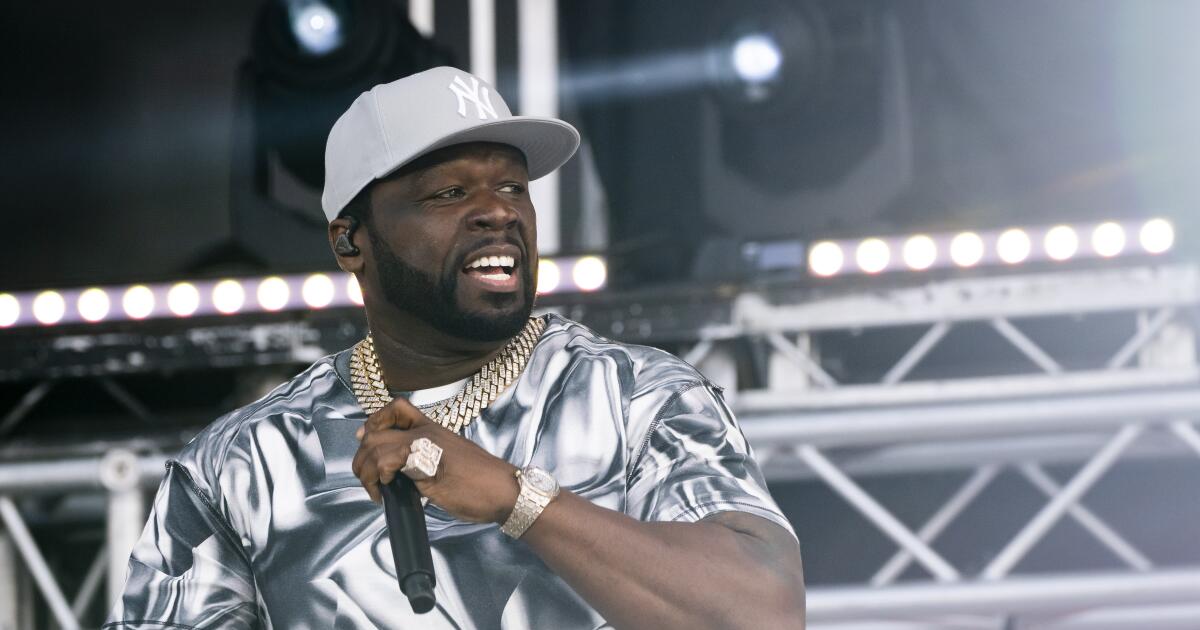
A coalition of advocacy groups for artists, songwriters and managers is warning musicians about the growing risks of artificial intelligence music.

Recently, many major record labels have inked deals with AI music startups such as Suno, Udio and Klay. But the coalition, which includes organizations such as the Music Artists Coalition and the Songwriters of North America, argues in a new letter that “artists and songwriters whose works, voices, performances, likenesses and creative identities make those deals valuable are not being meaningfully consulted.”

The letter, released Monday, stated that many artists and songwriters in existing recording and publishing agreements are currently receiving letters from their labels and publishers claiming that they “will be opted in to AI-related uses by default, with little actual choice offered.”

“We support innovation and recognise that AI can create new opportunities for music,” the coalition wrote in the letter. “However artists are not simply catalogue assets, and innovation cannot be used to override artists’ rights.”

The National Independent Talent Organization, a live entertainment advocacy group that signed the letter, said many of its members are coming to the organization with label contracts that include “non-negotiable AI usage clauses.”

“We can’t allow for contract language signed decades before this technology existed to be the standard bearer. These rights belong to the creators and they get the final say on usage,” said Nathaniel Marro, NITO’s executive director, in a statement .

“Music companies are leading the fight to protect artists’ and songwriters’ rights in the age of AI,” said a spokesperson for IFPI, the recording industry’s global trade body.

“While our members have taken different approaches, they share the same fundamental objectives: combating the unauthorized use of music and establishing licensing models that return revenue to artists and songwriters,” the IFPI spokesperson added.

The coalition is asking the industry to move forward on AI deals only under four conditions: that musicians directly consent to any agreement; that artists receive fair compensation; that there be transparency between the companies and the talent; and that companies make a public commitment to end contracts built on default AI opt-ins and forced AI clauses.

“Artists need a real seat in these conversations, clear terms on revenue share, and the ability to say no without losing their deal,” said Ron Gubitz, the Music Artists Coalition’s executive director, in a statement.

This letter comes at a time when policymakers are reviewing copyright rules in response to AI and when streaming platforms and social media platforms are overflowing with AI-generated music.

The American Federation of Musicians recently sued Universal Music Group and Warner Music Group, alleging the major labels “received significant compensation” from the AI companies for past copyright violations and licensed “substantial” portions of their music catalogs to them, but haven’t shared that with the musicians.

Some signatories struck a more conciliatory note.

“The companies building these technologies understand that trust is essential to long-term success, and trust begins with respecting creators’ rights,” said Willie “Prophet” Stiggers of the Black Music Action Coalition, which signed the letter.Stiggers said in a statement to The Times. “There’s still important work ahead, but we’re encouraged that the conversation has shifted from whether protections are needed to how we build them together.”

Times staff writer Wendy Lee contributed to this report.

Leave a Reply Cancel reply

Your email address will not be published. Required fields are marked *

Recommended

Kate Hudson’s ‘Song Sung Blue’ Oscar chances, by the numbers

6 months ago

Tina Peters, Clerk Indicted in Election Case, Is Sentenced in Separate Matter

3 years ago

This L.A. play wants you to feel the story viscerally — by keeping you blindfolded

3 months ago

Israel-Hamas War Live News: Israel Pummels Gaza Strip With Airstrikes

3 years ago
Yonkers Observer

© 2025 Yonkers Observer or its affiliated companies.

Navigate Site

  • About
  • Advertise
  • Terms & Conditions
  • Privacy Policy
  • Disclaimer
  • Contact

Follow Us

No Result
View All Result
  • Home
  • World
  • Politics
  • Finance
  • Technology
  • Health
  • Culture
  • Entertainment
  • Trend

© 2025 Yonkers Observer or its affiliated companies.

Welcome Back!

Login to your account below

Forgotten Password?

Retrieve your password

Please enter your username or email address to reset your password.

Log In