
Monday, June 1, 2026
Washington DC
New York
Toronto
Distribution: (800) 510 9863
Press ID
  • Login
RH NEWSROOM National News and Press Releases. Local and Regional Perspectives. Media Advisories.
Yonkers Observer
  • Home
  • World
  • Politics
  • Finance
  • Technology
  • Health
  • Culture
  • Entertainment
  • Trend
No Result
View All Result
  • Home
  • World
  • Politics
  • Finance
  • Technology
  • Health
  • Culture
  • Entertainment
  • Trend
No Result
View All Result
Yonkers Observer
No Result
View All Result
Home Culture

Cannes: ‘Anatomy of a Fall’ wins Palme d’Or

by Yonkers Observer Report
May 27, 2023
in Culture
Share on FacebookShare on Twitter

CANNES, France — 

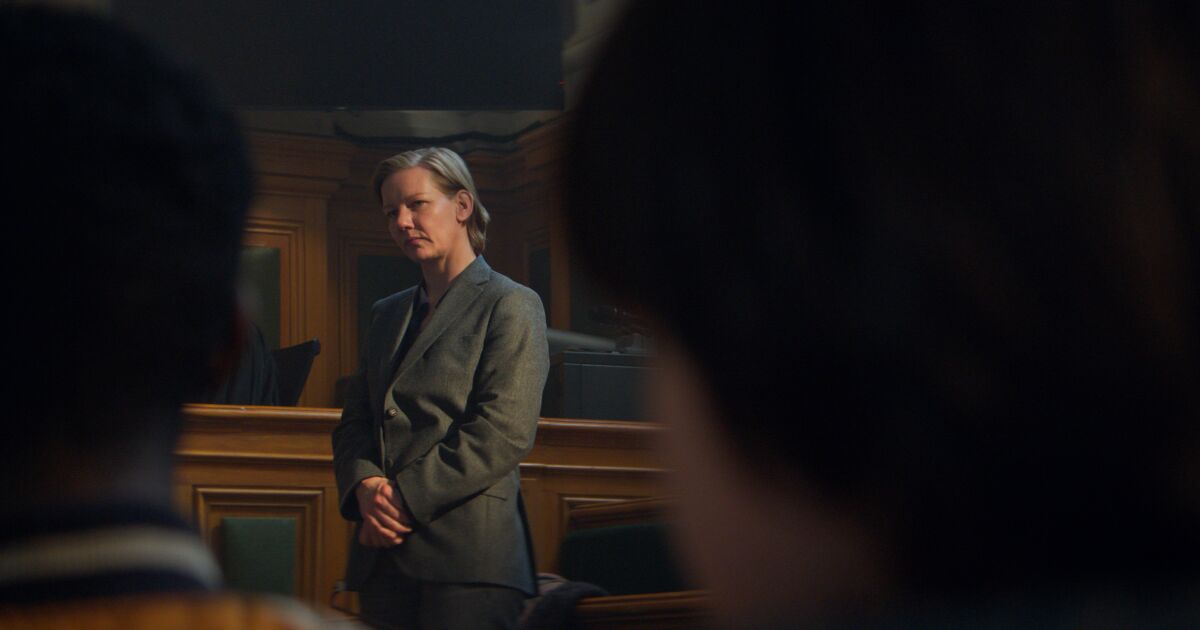
The French director Justine Triet became the third female filmmaker to take top honors at the Cannes Film Festival, winning the Palme d’Or on Saturday for her roundly admired dramatic thriller “Anatomy of a Fall” (“Anatomie d’une Chute”).

An emotionally intricate marriage story by way of a knotty courtroom drama, Triet’s movie — primarily in French, but with some English and German dialogue as well — was acquired mid-festival for U.S. distribution by Neon, adding to the company’s trove of recent Palme winners including “Parasite” (2019), “Titane” (2021) and “Triangle of Sadness” (2022).

“Titane” itself was only the second Palme winner directed by a woman, the French auteur Julia Ducournau — something it accomplished decades after Jane Campion’s “The Piano” (1993) became the first. (Ducournau served on this year’s competition jury, which was presided over by “Triangle of Sadness” director Ruben Östlund.)

The nearly back-to-back Palme wins for Ducournau and Triet spoke to the rising number of female filmmakers in competition each year at Cannes, which has long been criticized for programming so few women in its most prestigious section. (Seven of the 21 directors in competition this year were women, a Cannes record.) But it also spoke to the demographics of the French film industry, where female directors are better represented than in many other countries, the U.S. included.

The Palme was presented to Triet by Jane Fonda, who reminisced about the first time she came to Cannes decades ago: “There were no women directors competing at that time, and it never even occurred to us that there was something wrong with that.… We have a long way to go. But still, we have to celebrate change when it happens.”

The Grand Prix, or second prize, was awarded to the British writer-director Jonathan Glazer for “The Zone of Interest,” a disquieting, meticulously controlled drama about a Nazi living with his family on the grounds outside Auschwitz. The German-language movie, which will be released in U.S. theaters by A24, screened early in the festival and proved an immediate critical favorite.

The French Vietnamese writer-director Trần Anh Hùng was named best director for “The Pot-au-Feu,” a French foodie’s delight that proved one of the late-breaking hits of the competition. Starring Benoît Magimel and Juliette Binoche as a 19th-century gourmet and his cook, this adaptation of a novel by Marcel Rouff charmed critics and audiences with its mouthwatering culinary sequences and genteel romance.

The jury prize, or third place, went to “Fallen Leaves,” a characteristically funny and melancholy romantic charmer from the Finnish writer-director Aki Kaurismäki. The award was accepted by Alma Pöysti and Jussi Vatanen, the movie’s stars, who read a speech from their director that ended with a joyous outburst: “Twist and shout!” It’s the first prize Kaurismäki has won at Cannes in more than two decades, since he took the Grand Prix for 2002’s “The Man Without a Past.”

The Japanese writer Yuji Sakamoto won the screenplay prize for “Monster,” an intricately structured three-part drama about an apparent school bullying incident that spirals out of control. The award was accepted by the movie’s director, Hirokazu Kore-eda, a Cannes fixture who won the Palme for 2018’s “Shoplifters.”

The screenplay honor was presented by John C. Reilly, who, in what could be interpreted as a gesture of support for writers striking in Hollywood, began his speech with a few moments of silence and then said, “What we just experienced was what a movie would be like without screenwriters.… Every film begins with an idea and the first thing we do is write it down.”
Kôji Yakusho won the best actor prize for his performance in “Perfect Days,” a warmly observed drama centered on a quiet, gentle-souled man who spends his days cleaning public toilets around Tokyo. The movie was widely hailed as the strongest narrative feature in many years for the German director Wim Wenders (“Paris, Texas,” “Wings of Desire”), who also premiered a new 3-D documentary, “Anselm,” about the artist Anselm Kiefer, out of competition.

The Turkish actor Merve Dizdar won the best actress award for her performance in the Turkish drama “About Dry Grasses,” in which she plays an independent-minded schoolteacher who draws (and sharply rebuts) the romantic attentions of two male friends. The movie was directed and co-written by Nuri Bilge Ceylan, a frequent Cannes prize winner who won the Palme for 2014’s “Winter Sleep.”

The Caméra d’Or prize, presented annually to a first feature from across all sections of the festival, was awarded to the Vietnamese director Thien An Pham for “Inside the Yellow Cocoon Shell” (“L’arbre aux Papillons d’Or”). The movie was a critical standout in Directors’ Fortnight, an independent program that runs parallel to the festival’s official selection; along with Trần’s win for “The Pot-au-Feu,” it completed a strong night overall for Vietnamese filmmakers.

The Palme d’Or for best short film was awarded to “27,” an animated work from the Hungarian director Flóra Anna Buda.

At an earlier ceremony held Friday, the top prize in Un Certain Regard, a sidebar program, was awarded to “How to Have Sex,” a well-received debut feature from the English director Molly Manning Walker.

CANNES, France — 

The French director Justine Triet became the third female filmmaker to take top honors at the Cannes Film Festival, winning the Palme d’Or on Saturday for her roundly admired dramatic thriller “Anatomy of a Fall” (“Anatomie d’une Chute”).

An emotionally intricate marriage story by way of a knotty courtroom drama, Triet’s movie — primarily in French, but with some English and German dialogue as well — was acquired mid-festival for U.S. distribution by Neon, adding to the company’s trove of recent Palme winners including “Parasite” (2019), “Titane” (2021) and “Triangle of Sadness” (2022).

“Titane” itself was only the second Palme winner directed by a woman, the French auteur Julia Ducournau — something it accomplished decades after Jane Campion’s “The Piano” (1993) became the first. (Ducournau served on this year’s competition jury, which was presided over by “Triangle of Sadness” director Ruben Östlund.)

The nearly back-to-back Palme wins for Ducournau and Triet spoke to the rising number of female filmmakers in competition each year at Cannes, which has long been criticized for programming so few women in its most prestigious section. (Seven of the 21 directors in competition this year were women, a Cannes record.) But it also spoke to the demographics of the French film industry, where female directors are better represented than in many other countries, the U.S. included.

The Palme was presented to Triet by Jane Fonda, who reminisced about the first time she came to Cannes decades ago: “There were no women directors competing at that time, and it never even occurred to us that there was something wrong with that.… We have a long way to go. But still, we have to celebrate change when it happens.”

The Grand Prix, or second prize, was awarded to the British writer-director Jonathan Glazer for “The Zone of Interest,” a disquieting, meticulously controlled drama about a Nazi living with his family on the grounds outside Auschwitz. The German-language movie, which will be released in U.S. theaters by A24, screened early in the festival and proved an immediate critical favorite.

The French Vietnamese writer-director Trần Anh Hùng was named best director for “The Pot-au-Feu,” a French foodie’s delight that proved one of the late-breaking hits of the competition. Starring Benoît Magimel and Juliette Binoche as a 19th-century gourmet and his cook, this adaptation of a novel by Marcel Rouff charmed critics and audiences with its mouthwatering culinary sequences and genteel romance.

The jury prize, or third place, went to “Fallen Leaves,” a characteristically funny and melancholy romantic charmer from the Finnish writer-director Aki Kaurismäki. The award was accepted by Alma Pöysti and Jussi Vatanen, the movie’s stars, who read a speech from their director that ended with a joyous outburst: “Twist and shout!” It’s the first prize Kaurismäki has won at Cannes in more than two decades, since he took the Grand Prix for 2002’s “The Man Without a Past.”

The Japanese writer Yuji Sakamoto won the screenplay prize for “Monster,” an intricately structured three-part drama about an apparent school bullying incident that spirals out of control. The award was accepted by the movie’s director, Hirokazu Kore-eda, a Cannes fixture who won the Palme for 2018’s “Shoplifters.”

The screenplay honor was presented by John C. Reilly, who, in what could be interpreted as a gesture of support for writers striking in Hollywood, began his speech with a few moments of silence and then said, “What we just experienced was what a movie would be like without screenwriters.… Every film begins with an idea and the first thing we do is write it down.”
Kôji Yakusho won the best actor prize for his performance in “Perfect Days,” a warmly observed drama centered on a quiet, gentle-souled man who spends his days cleaning public toilets around Tokyo. The movie was widely hailed as the strongest narrative feature in many years for the German director Wim Wenders (“Paris, Texas,” “Wings of Desire”), who also premiered a new 3-D documentary, “Anselm,” about the artist Anselm Kiefer, out of competition.

The Turkish actor Merve Dizdar won the best actress award for her performance in the Turkish drama “About Dry Grasses,” in which she plays an independent-minded schoolteacher who draws (and sharply rebuts) the romantic attentions of two male friends. The movie was directed and co-written by Nuri Bilge Ceylan, a frequent Cannes prize winner who won the Palme for 2014’s “Winter Sleep.”

The Caméra d’Or prize, presented annually to a first feature from across all sections of the festival, was awarded to the Vietnamese director Thien An Pham for “Inside the Yellow Cocoon Shell” (“L’arbre aux Papillons d’Or”). The movie was a critical standout in Directors’ Fortnight, an independent program that runs parallel to the festival’s official selection; along with Trần’s win for “The Pot-au-Feu,” it completed a strong night overall for Vietnamese filmmakers.

The Palme d’Or for best short film was awarded to “27,” an animated work from the Hungarian director Flóra Anna Buda.

At an earlier ceremony held Friday, the top prize in Un Certain Regard, a sidebar program, was awarded to “How to Have Sex,” a well-received debut feature from the English director Molly Manning Walker.

CANNES, France — 

The French director Justine Triet became the third female filmmaker to take top honors at the Cannes Film Festival, winning the Palme d’Or on Saturday for her roundly admired dramatic thriller “Anatomy of a Fall” (“Anatomie d’une Chute”).

An emotionally intricate marriage story by way of a knotty courtroom drama, Triet’s movie — primarily in French, but with some English and German dialogue as well — was acquired mid-festival for U.S. distribution by Neon, adding to the company’s trove of recent Palme winners including “Parasite” (2019), “Titane” (2021) and “Triangle of Sadness” (2022).

“Titane” itself was only the second Palme winner directed by a woman, the French auteur Julia Ducournau — something it accomplished decades after Jane Campion’s “The Piano” (1993) became the first. (Ducournau served on this year’s competition jury, which was presided over by “Triangle of Sadness” director Ruben Östlund.)

The nearly back-to-back Palme wins for Ducournau and Triet spoke to the rising number of female filmmakers in competition each year at Cannes, which has long been criticized for programming so few women in its most prestigious section. (Seven of the 21 directors in competition this year were women, a Cannes record.) But it also spoke to the demographics of the French film industry, where female directors are better represented than in many other countries, the U.S. included.

The Palme was presented to Triet by Jane Fonda, who reminisced about the first time she came to Cannes decades ago: “There were no women directors competing at that time, and it never even occurred to us that there was something wrong with that.… We have a long way to go. But still, we have to celebrate change when it happens.”

The Grand Prix, or second prize, was awarded to the British writer-director Jonathan Glazer for “The Zone of Interest,” a disquieting, meticulously controlled drama about a Nazi living with his family on the grounds outside Auschwitz. The German-language movie, which will be released in U.S. theaters by A24, screened early in the festival and proved an immediate critical favorite.

The French Vietnamese writer-director Trần Anh Hùng was named best director for “The Pot-au-Feu,” a French foodie’s delight that proved one of the late-breaking hits of the competition. Starring Benoît Magimel and Juliette Binoche as a 19th-century gourmet and his cook, this adaptation of a novel by Marcel Rouff charmed critics and audiences with its mouthwatering culinary sequences and genteel romance.

The jury prize, or third place, went to “Fallen Leaves,” a characteristically funny and melancholy romantic charmer from the Finnish writer-director Aki Kaurismäki. The award was accepted by Alma Pöysti and Jussi Vatanen, the movie’s stars, who read a speech from their director that ended with a joyous outburst: “Twist and shout!” It’s the first prize Kaurismäki has won at Cannes in more than two decades, since he took the Grand Prix for 2002’s “The Man Without a Past.”

The Japanese writer Yuji Sakamoto won the screenplay prize for “Monster,” an intricately structured three-part drama about an apparent school bullying incident that spirals out of control. The award was accepted by the movie’s director, Hirokazu Kore-eda, a Cannes fixture who won the Palme for 2018’s “Shoplifters.”

The screenplay honor was presented by John C. Reilly, who, in what could be interpreted as a gesture of support for writers striking in Hollywood, began his speech with a few moments of silence and then said, “What we just experienced was what a movie would be like without screenwriters.… Every film begins with an idea and the first thing we do is write it down.”
Kôji Yakusho won the best actor prize for his performance in “Perfect Days,” a warmly observed drama centered on a quiet, gentle-souled man who spends his days cleaning public toilets around Tokyo. The movie was widely hailed as the strongest narrative feature in many years for the German director Wim Wenders (“Paris, Texas,” “Wings of Desire”), who also premiered a new 3-D documentary, “Anselm,” about the artist Anselm Kiefer, out of competition.

The Turkish actor Merve Dizdar won the best actress award for her performance in the Turkish drama “About Dry Grasses,” in which she plays an independent-minded schoolteacher who draws (and sharply rebuts) the romantic attentions of two male friends. The movie was directed and co-written by Nuri Bilge Ceylan, a frequent Cannes prize winner who won the Palme for 2014’s “Winter Sleep.”

The Caméra d’Or prize, presented annually to a first feature from across all sections of the festival, was awarded to the Vietnamese director Thien An Pham for “Inside the Yellow Cocoon Shell” (“L’arbre aux Papillons d’Or”). The movie was a critical standout in Directors’ Fortnight, an independent program that runs parallel to the festival’s official selection; along with Trần’s win for “The Pot-au-Feu,” it completed a strong night overall for Vietnamese filmmakers.

The Palme d’Or for best short film was awarded to “27,” an animated work from the Hungarian director Flóra Anna Buda.

At an earlier ceremony held Friday, the top prize in Un Certain Regard, a sidebar program, was awarded to “How to Have Sex,” a well-received debut feature from the English director Molly Manning Walker.

CANNES, France — 

The French director Justine Triet became the third female filmmaker to take top honors at the Cannes Film Festival, winning the Palme d’Or on Saturday for her roundly admired dramatic thriller “Anatomy of a Fall” (“Anatomie d’une Chute”).

An emotionally intricate marriage story by way of a knotty courtroom drama, Triet’s movie — primarily in French, but with some English and German dialogue as well — was acquired mid-festival for U.S. distribution by Neon, adding to the company’s trove of recent Palme winners including “Parasite” (2019), “Titane” (2021) and “Triangle of Sadness” (2022).

“Titane” itself was only the second Palme winner directed by a woman, the French auteur Julia Ducournau — something it accomplished decades after Jane Campion’s “The Piano” (1993) became the first. (Ducournau served on this year’s competition jury, which was presided over by “Triangle of Sadness” director Ruben Östlund.)

The nearly back-to-back Palme wins for Ducournau and Triet spoke to the rising number of female filmmakers in competition each year at Cannes, which has long been criticized for programming so few women in its most prestigious section. (Seven of the 21 directors in competition this year were women, a Cannes record.) But it also spoke to the demographics of the French film industry, where female directors are better represented than in many other countries, the U.S. included.

The Palme was presented to Triet by Jane Fonda, who reminisced about the first time she came to Cannes decades ago: “There were no women directors competing at that time, and it never even occurred to us that there was something wrong with that.… We have a long way to go. But still, we have to celebrate change when it happens.”

The Grand Prix, or second prize, was awarded to the British writer-director Jonathan Glazer for “The Zone of Interest,” a disquieting, meticulously controlled drama about a Nazi living with his family on the grounds outside Auschwitz. The German-language movie, which will be released in U.S. theaters by A24, screened early in the festival and proved an immediate critical favorite.

The French Vietnamese writer-director Trần Anh Hùng was named best director for “The Pot-au-Feu,” a French foodie’s delight that proved one of the late-breaking hits of the competition. Starring Benoît Magimel and Juliette Binoche as a 19th-century gourmet and his cook, this adaptation of a novel by Marcel Rouff charmed critics and audiences with its mouthwatering culinary sequences and genteel romance.

The jury prize, or third place, went to “Fallen Leaves,” a characteristically funny and melancholy romantic charmer from the Finnish writer-director Aki Kaurismäki. The award was accepted by Alma Pöysti and Jussi Vatanen, the movie’s stars, who read a speech from their director that ended with a joyous outburst: “Twist and shout!” It’s the first prize Kaurismäki has won at Cannes in more than two decades, since he took the Grand Prix for 2002’s “The Man Without a Past.”

The Japanese writer Yuji Sakamoto won the screenplay prize for “Monster,” an intricately structured three-part drama about an apparent school bullying incident that spirals out of control. The award was accepted by the movie’s director, Hirokazu Kore-eda, a Cannes fixture who won the Palme for 2018’s “Shoplifters.”

The screenplay honor was presented by John C. Reilly, who, in what could be interpreted as a gesture of support for writers striking in Hollywood, began his speech with a few moments of silence and then said, “What we just experienced was what a movie would be like without screenwriters.… Every film begins with an idea and the first thing we do is write it down.”
Kôji Yakusho won the best actor prize for his performance in “Perfect Days,” a warmly observed drama centered on a quiet, gentle-souled man who spends his days cleaning public toilets around Tokyo. The movie was widely hailed as the strongest narrative feature in many years for the German director Wim Wenders (“Paris, Texas,” “Wings of Desire”), who also premiered a new 3-D documentary, “Anselm,” about the artist Anselm Kiefer, out of competition.

The Turkish actor Merve Dizdar won the best actress award for her performance in the Turkish drama “About Dry Grasses,” in which she plays an independent-minded schoolteacher who draws (and sharply rebuts) the romantic attentions of two male friends. The movie was directed and co-written by Nuri Bilge Ceylan, a frequent Cannes prize winner who won the Palme for 2014’s “Winter Sleep.”

The Caméra d’Or prize, presented annually to a first feature from across all sections of the festival, was awarded to the Vietnamese director Thien An Pham for “Inside the Yellow Cocoon Shell” (“L’arbre aux Papillons d’Or”). The movie was a critical standout in Directors’ Fortnight, an independent program that runs parallel to the festival’s official selection; along with Trần’s win for “The Pot-au-Feu,” it completed a strong night overall for Vietnamese filmmakers.

The Palme d’Or for best short film was awarded to “27,” an animated work from the Hungarian director Flóra Anna Buda.

At an earlier ceremony held Friday, the top prize in Un Certain Regard, a sidebar program, was awarded to “How to Have Sex,” a well-received debut feature from the English director Molly Manning Walker.

CANNES, France — 

The French director Justine Triet became the third female filmmaker to take top honors at the Cannes Film Festival, winning the Palme d’Or on Saturday for her roundly admired dramatic thriller “Anatomy of a Fall” (“Anatomie d’une Chute”).

An emotionally intricate marriage story by way of a knotty courtroom drama, Triet’s movie — primarily in French, but with some English and German dialogue as well — was acquired mid-festival for U.S. distribution by Neon, adding to the company’s trove of recent Palme winners including “Parasite” (2019), “Titane” (2021) and “Triangle of Sadness” (2022).

“Titane” itself was only the second Palme winner directed by a woman, the French auteur Julia Ducournau — something it accomplished decades after Jane Campion’s “The Piano” (1993) became the first. (Ducournau served on this year’s competition jury, which was presided over by “Triangle of Sadness” director Ruben Östlund.)

The nearly back-to-back Palme wins for Ducournau and Triet spoke to the rising number of female filmmakers in competition each year at Cannes, which has long been criticized for programming so few women in its most prestigious section. (Seven of the 21 directors in competition this year were women, a Cannes record.) But it also spoke to the demographics of the French film industry, where female directors are better represented than in many other countries, the U.S. included.

The Palme was presented to Triet by Jane Fonda, who reminisced about the first time she came to Cannes decades ago: “There were no women directors competing at that time, and it never even occurred to us that there was something wrong with that.… We have a long way to go. But still, we have to celebrate change when it happens.”

The Grand Prix, or second prize, was awarded to the British writer-director Jonathan Glazer for “The Zone of Interest,” a disquieting, meticulously controlled drama about a Nazi living with his family on the grounds outside Auschwitz. The German-language movie, which will be released in U.S. theaters by A24, screened early in the festival and proved an immediate critical favorite.

The French Vietnamese writer-director Trần Anh Hùng was named best director for “The Pot-au-Feu,” a French foodie’s delight that proved one of the late-breaking hits of the competition. Starring Benoît Magimel and Juliette Binoche as a 19th-century gourmet and his cook, this adaptation of a novel by Marcel Rouff charmed critics and audiences with its mouthwatering culinary sequences and genteel romance.

The jury prize, or third place, went to “Fallen Leaves,” a characteristically funny and melancholy romantic charmer from the Finnish writer-director Aki Kaurismäki. The award was accepted by Alma Pöysti and Jussi Vatanen, the movie’s stars, who read a speech from their director that ended with a joyous outburst: “Twist and shout!” It’s the first prize Kaurismäki has won at Cannes in more than two decades, since he took the Grand Prix for 2002’s “The Man Without a Past.”

The Japanese writer Yuji Sakamoto won the screenplay prize for “Monster,” an intricately structured three-part drama about an apparent school bullying incident that spirals out of control. The award was accepted by the movie’s director, Hirokazu Kore-eda, a Cannes fixture who won the Palme for 2018’s “Shoplifters.”

The screenplay honor was presented by John C. Reilly, who, in what could be interpreted as a gesture of support for writers striking in Hollywood, began his speech with a few moments of silence and then said, “What we just experienced was what a movie would be like without screenwriters.… Every film begins with an idea and the first thing we do is write it down.”
Kôji Yakusho won the best actor prize for his performance in “Perfect Days,” a warmly observed drama centered on a quiet, gentle-souled man who spends his days cleaning public toilets around Tokyo. The movie was widely hailed as the strongest narrative feature in many years for the German director Wim Wenders (“Paris, Texas,” “Wings of Desire”), who also premiered a new 3-D documentary, “Anselm,” about the artist Anselm Kiefer, out of competition.

The Turkish actor Merve Dizdar won the best actress award for her performance in the Turkish drama “About Dry Grasses,” in which she plays an independent-minded schoolteacher who draws (and sharply rebuts) the romantic attentions of two male friends. The movie was directed and co-written by Nuri Bilge Ceylan, a frequent Cannes prize winner who won the Palme for 2014’s “Winter Sleep.”

The Caméra d’Or prize, presented annually to a first feature from across all sections of the festival, was awarded to the Vietnamese director Thien An Pham for “Inside the Yellow Cocoon Shell” (“L’arbre aux Papillons d’Or”). The movie was a critical standout in Directors’ Fortnight, an independent program that runs parallel to the festival’s official selection; along with Trần’s win for “The Pot-au-Feu,” it completed a strong night overall for Vietnamese filmmakers.

The Palme d’Or for best short film was awarded to “27,” an animated work from the Hungarian director Flóra Anna Buda.

At an earlier ceremony held Friday, the top prize in Un Certain Regard, a sidebar program, was awarded to “How to Have Sex,” a well-received debut feature from the English director Molly Manning Walker.

CANNES, France — 

The French director Justine Triet became the third female filmmaker to take top honors at the Cannes Film Festival, winning the Palme d’Or on Saturday for her roundly admired dramatic thriller “Anatomy of a Fall” (“Anatomie d’une Chute”).

An emotionally intricate marriage story by way of a knotty courtroom drama, Triet’s movie — primarily in French, but with some English and German dialogue as well — was acquired mid-festival for U.S. distribution by Neon, adding to the company’s trove of recent Palme winners including “Parasite” (2019), “Titane” (2021) and “Triangle of Sadness” (2022).

“Titane” itself was only the second Palme winner directed by a woman, the French auteur Julia Ducournau — something it accomplished decades after Jane Campion’s “The Piano” (1993) became the first. (Ducournau served on this year’s competition jury, which was presided over by “Triangle of Sadness” director Ruben Östlund.)

The nearly back-to-back Palme wins for Ducournau and Triet spoke to the rising number of female filmmakers in competition each year at Cannes, which has long been criticized for programming so few women in its most prestigious section. (Seven of the 21 directors in competition this year were women, a Cannes record.) But it also spoke to the demographics of the French film industry, where female directors are better represented than in many other countries, the U.S. included.

The Palme was presented to Triet by Jane Fonda, who reminisced about the first time she came to Cannes decades ago: “There were no women directors competing at that time, and it never even occurred to us that there was something wrong with that.… We have a long way to go. But still, we have to celebrate change when it happens.”

The Grand Prix, or second prize, was awarded to the British writer-director Jonathan Glazer for “The Zone of Interest,” a disquieting, meticulously controlled drama about a Nazi living with his family on the grounds outside Auschwitz. The German-language movie, which will be released in U.S. theaters by A24, screened early in the festival and proved an immediate critical favorite.

The French Vietnamese writer-director Trần Anh Hùng was named best director for “The Pot-au-Feu,” a French foodie’s delight that proved one of the late-breaking hits of the competition. Starring Benoît Magimel and Juliette Binoche as a 19th-century gourmet and his cook, this adaptation of a novel by Marcel Rouff charmed critics and audiences with its mouthwatering culinary sequences and genteel romance.

The jury prize, or third place, went to “Fallen Leaves,” a characteristically funny and melancholy romantic charmer from the Finnish writer-director Aki Kaurismäki. The award was accepted by Alma Pöysti and Jussi Vatanen, the movie’s stars, who read a speech from their director that ended with a joyous outburst: “Twist and shout!” It’s the first prize Kaurismäki has won at Cannes in more than two decades, since he took the Grand Prix for 2002’s “The Man Without a Past.”

The Japanese writer Yuji Sakamoto won the screenplay prize for “Monster,” an intricately structured three-part drama about an apparent school bullying incident that spirals out of control. The award was accepted by the movie’s director, Hirokazu Kore-eda, a Cannes fixture who won the Palme for 2018’s “Shoplifters.”

The screenplay honor was presented by John C. Reilly, who, in what could be interpreted as a gesture of support for writers striking in Hollywood, began his speech with a few moments of silence and then said, “What we just experienced was what a movie would be like without screenwriters.… Every film begins with an idea and the first thing we do is write it down.”
Kôji Yakusho won the best actor prize for his performance in “Perfect Days,” a warmly observed drama centered on a quiet, gentle-souled man who spends his days cleaning public toilets around Tokyo. The movie was widely hailed as the strongest narrative feature in many years for the German director Wim Wenders (“Paris, Texas,” “Wings of Desire”), who also premiered a new 3-D documentary, “Anselm,” about the artist Anselm Kiefer, out of competition.

The Turkish actor Merve Dizdar won the best actress award for her performance in the Turkish drama “About Dry Grasses,” in which she plays an independent-minded schoolteacher who draws (and sharply rebuts) the romantic attentions of two male friends. The movie was directed and co-written by Nuri Bilge Ceylan, a frequent Cannes prize winner who won the Palme for 2014’s “Winter Sleep.”

The Caméra d’Or prize, presented annually to a first feature from across all sections of the festival, was awarded to the Vietnamese director Thien An Pham for “Inside the Yellow Cocoon Shell” (“L’arbre aux Papillons d’Or”). The movie was a critical standout in Directors’ Fortnight, an independent program that runs parallel to the festival’s official selection; along with Trần’s win for “The Pot-au-Feu,” it completed a strong night overall for Vietnamese filmmakers.

The Palme d’Or for best short film was awarded to “27,” an animated work from the Hungarian director Flóra Anna Buda.

At an earlier ceremony held Friday, the top prize in Un Certain Regard, a sidebar program, was awarded to “How to Have Sex,” a well-received debut feature from the English director Molly Manning Walker.

CANNES, France — 

The French director Justine Triet became the third female filmmaker to take top honors at the Cannes Film Festival, winning the Palme d’Or on Saturday for her roundly admired dramatic thriller “Anatomy of a Fall” (“Anatomie d’une Chute”).

An emotionally intricate marriage story by way of a knotty courtroom drama, Triet’s movie — primarily in French, but with some English and German dialogue as well — was acquired mid-festival for U.S. distribution by Neon, adding to the company’s trove of recent Palme winners including “Parasite” (2019), “Titane” (2021) and “Triangle of Sadness” (2022).

“Titane” itself was only the second Palme winner directed by a woman, the French auteur Julia Ducournau — something it accomplished decades after Jane Campion’s “The Piano” (1993) became the first. (Ducournau served on this year’s competition jury, which was presided over by “Triangle of Sadness” director Ruben Östlund.)

The nearly back-to-back Palme wins for Ducournau and Triet spoke to the rising number of female filmmakers in competition each year at Cannes, which has long been criticized for programming so few women in its most prestigious section. (Seven of the 21 directors in competition this year were women, a Cannes record.) But it also spoke to the demographics of the French film industry, where female directors are better represented than in many other countries, the U.S. included.

The Palme was presented to Triet by Jane Fonda, who reminisced about the first time she came to Cannes decades ago: “There were no women directors competing at that time, and it never even occurred to us that there was something wrong with that.… We have a long way to go. But still, we have to celebrate change when it happens.”

The Grand Prix, or second prize, was awarded to the British writer-director Jonathan Glazer for “The Zone of Interest,” a disquieting, meticulously controlled drama about a Nazi living with his family on the grounds outside Auschwitz. The German-language movie, which will be released in U.S. theaters by A24, screened early in the festival and proved an immediate critical favorite.

The French Vietnamese writer-director Trần Anh Hùng was named best director for “The Pot-au-Feu,” a French foodie’s delight that proved one of the late-breaking hits of the competition. Starring Benoît Magimel and Juliette Binoche as a 19th-century gourmet and his cook, this adaptation of a novel by Marcel Rouff charmed critics and audiences with its mouthwatering culinary sequences and genteel romance.

The jury prize, or third place, went to “Fallen Leaves,” a characteristically funny and melancholy romantic charmer from the Finnish writer-director Aki Kaurismäki. The award was accepted by Alma Pöysti and Jussi Vatanen, the movie’s stars, who read a speech from their director that ended with a joyous outburst: “Twist and shout!” It’s the first prize Kaurismäki has won at Cannes in more than two decades, since he took the Grand Prix for 2002’s “The Man Without a Past.”

The Japanese writer Yuji Sakamoto won the screenplay prize for “Monster,” an intricately structured three-part drama about an apparent school bullying incident that spirals out of control. The award was accepted by the movie’s director, Hirokazu Kore-eda, a Cannes fixture who won the Palme for 2018’s “Shoplifters.”

The screenplay honor was presented by John C. Reilly, who, in what could be interpreted as a gesture of support for writers striking in Hollywood, began his speech with a few moments of silence and then said, “What we just experienced was what a movie would be like without screenwriters.… Every film begins with an idea and the first thing we do is write it down.”
Kôji Yakusho won the best actor prize for his performance in “Perfect Days,” a warmly observed drama centered on a quiet, gentle-souled man who spends his days cleaning public toilets around Tokyo. The movie was widely hailed as the strongest narrative feature in many years for the German director Wim Wenders (“Paris, Texas,” “Wings of Desire”), who also premiered a new 3-D documentary, “Anselm,” about the artist Anselm Kiefer, out of competition.

The Turkish actor Merve Dizdar won the best actress award for her performance in the Turkish drama “About Dry Grasses,” in which she plays an independent-minded schoolteacher who draws (and sharply rebuts) the romantic attentions of two male friends. The movie was directed and co-written by Nuri Bilge Ceylan, a frequent Cannes prize winner who won the Palme for 2014’s “Winter Sleep.”

The Caméra d’Or prize, presented annually to a first feature from across all sections of the festival, was awarded to the Vietnamese director Thien An Pham for “Inside the Yellow Cocoon Shell” (“L’arbre aux Papillons d’Or”). The movie was a critical standout in Directors’ Fortnight, an independent program that runs parallel to the festival’s official selection; along with Trần’s win for “The Pot-au-Feu,” it completed a strong night overall for Vietnamese filmmakers.

The Palme d’Or for best short film was awarded to “27,” an animated work from the Hungarian director Flóra Anna Buda.

At an earlier ceremony held Friday, the top prize in Un Certain Regard, a sidebar program, was awarded to “How to Have Sex,” a well-received debut feature from the English director Molly Manning Walker.

CANNES, France — 

The French director Justine Triet became the third female filmmaker to take top honors at the Cannes Film Festival, winning the Palme d’Or on Saturday for her roundly admired dramatic thriller “Anatomy of a Fall” (“Anatomie d’une Chute”).

An emotionally intricate marriage story by way of a knotty courtroom drama, Triet’s movie — primarily in French, but with some English and German dialogue as well — was acquired mid-festival for U.S. distribution by Neon, adding to the company’s trove of recent Palme winners including “Parasite” (2019), “Titane” (2021) and “Triangle of Sadness” (2022).

“Titane” itself was only the second Palme winner directed by a woman, the French auteur Julia Ducournau — something it accomplished decades after Jane Campion’s “The Piano” (1993) became the first. (Ducournau served on this year’s competition jury, which was presided over by “Triangle of Sadness” director Ruben Östlund.)

The nearly back-to-back Palme wins for Ducournau and Triet spoke to the rising number of female filmmakers in competition each year at Cannes, which has long been criticized for programming so few women in its most prestigious section. (Seven of the 21 directors in competition this year were women, a Cannes record.) But it also spoke to the demographics of the French film industry, where female directors are better represented than in many other countries, the U.S. included.

The Palme was presented to Triet by Jane Fonda, who reminisced about the first time she came to Cannes decades ago: “There were no women directors competing at that time, and it never even occurred to us that there was something wrong with that.… We have a long way to go. But still, we have to celebrate change when it happens.”

The Grand Prix, or second prize, was awarded to the British writer-director Jonathan Glazer for “The Zone of Interest,” a disquieting, meticulously controlled drama about a Nazi living with his family on the grounds outside Auschwitz. The German-language movie, which will be released in U.S. theaters by A24, screened early in the festival and proved an immediate critical favorite.

The French Vietnamese writer-director Trần Anh Hùng was named best director for “The Pot-au-Feu,” a French foodie’s delight that proved one of the late-breaking hits of the competition. Starring Benoît Magimel and Juliette Binoche as a 19th-century gourmet and his cook, this adaptation of a novel by Marcel Rouff charmed critics and audiences with its mouthwatering culinary sequences and genteel romance.

The jury prize, or third place, went to “Fallen Leaves,” a characteristically funny and melancholy romantic charmer from the Finnish writer-director Aki Kaurismäki. The award was accepted by Alma Pöysti and Jussi Vatanen, the movie’s stars, who read a speech from their director that ended with a joyous outburst: “Twist and shout!” It’s the first prize Kaurismäki has won at Cannes in more than two decades, since he took the Grand Prix for 2002’s “The Man Without a Past.”

The Japanese writer Yuji Sakamoto won the screenplay prize for “Monster,” an intricately structured three-part drama about an apparent school bullying incident that spirals out of control. The award was accepted by the movie’s director, Hirokazu Kore-eda, a Cannes fixture who won the Palme for 2018’s “Shoplifters.”

The screenplay honor was presented by John C. Reilly, who, in what could be interpreted as a gesture of support for writers striking in Hollywood, began his speech with a few moments of silence and then said, “What we just experienced was what a movie would be like without screenwriters.… Every film begins with an idea and the first thing we do is write it down.”
Kôji Yakusho won the best actor prize for his performance in “Perfect Days,” a warmly observed drama centered on a quiet, gentle-souled man who spends his days cleaning public toilets around Tokyo. The movie was widely hailed as the strongest narrative feature in many years for the German director Wim Wenders (“Paris, Texas,” “Wings of Desire”), who also premiered a new 3-D documentary, “Anselm,” about the artist Anselm Kiefer, out of competition.

The Turkish actor Merve Dizdar won the best actress award for her performance in the Turkish drama “About Dry Grasses,” in which she plays an independent-minded schoolteacher who draws (and sharply rebuts) the romantic attentions of two male friends. The movie was directed and co-written by Nuri Bilge Ceylan, a frequent Cannes prize winner who won the Palme for 2014’s “Winter Sleep.”

The Caméra d’Or prize, presented annually to a first feature from across all sections of the festival, was awarded to the Vietnamese director Thien An Pham for “Inside the Yellow Cocoon Shell” (“L’arbre aux Papillons d’Or”). The movie was a critical standout in Directors’ Fortnight, an independent program that runs parallel to the festival’s official selection; along with Trần’s win for “The Pot-au-Feu,” it completed a strong night overall for Vietnamese filmmakers.

The Palme d’Or for best short film was awarded to “27,” an animated work from the Hungarian director Flóra Anna Buda.

At an earlier ceremony held Friday, the top prize in Un Certain Regard, a sidebar program, was awarded to “How to Have Sex,” a well-received debut feature from the English director Molly Manning Walker.

Leave a Reply Cancel reply

Your email address will not be published. Required fields are marked *

Recommended

Kim Reynolds, Iowa’s Influential Governor, Expected to Endorse DeSantis

3 years ago

Drake calls out fan for throwing a vape at him

3 years ago

Canada Expelling Chinese Diplomat Amid Influence Concerns

3 years ago

Kevin McCarthy faces open GOP revolt as House fails to elect speaker

3 years ago
Yonkers Observer

© 2025 Yonkers Observer or its affiliated companies.

Navigate Site

  • About
  • Advertise
  • Terms & Conditions
  • Privacy Policy
  • Disclaimer
  • Contact

Follow Us

No Result
View All Result
  • Home
  • World
  • Politics
  • Finance
  • Technology
  • Health
  • Culture
  • Entertainment
  • Trend

© 2025 Yonkers Observer or its affiliated companies.

Welcome Back!

Login to your account below

Forgotten Password?

Retrieve your password

Please enter your username or email address to reset your password.

Log In