
Thursday, April 16, 2026
Washington DC
New York
Toronto
Distribution: (800) 510 9863
Press ID
  • Login
RH NEWSROOM National News and Press Releases. Local and Regional Perspectives. Media Advisories.
Yonkers Observer
  • Home
  • World
  • Politics
  • Finance
  • Technology
  • Health
  • Culture
  • Entertainment
  • Trend
No Result
View All Result
  • Home
  • World
  • Politics
  • Finance
  • Technology
  • Health
  • Culture
  • Entertainment
  • Trend
No Result
View All Result
Yonkers Observer
No Result
View All Result
Home Culture

Billy Joel tried to kill himself twice, documentary reveals

by Yonkers Observer Report
June 10, 2025
in Culture
Share on FacebookShare on Twitter

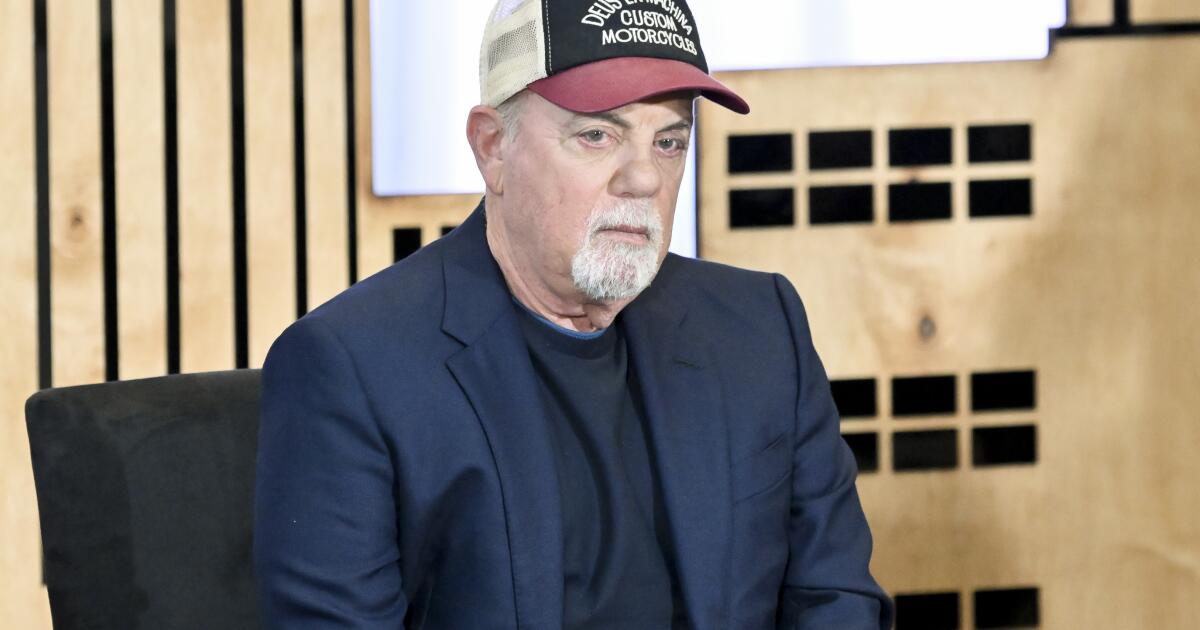
Billy Joel’s life is awash in revelations these days — some bad, some worse.

Last month, the “Only the Good Die Young” singer-songwriter canceled all his upcoming concerts, revealing he was struggling with a brain disorder that causes a potentially reversible kind of dementia. Then last week, he divulged that he attempted suicide twice in his 20s after falling in love with his bandmate’s wife and causing the downfall of the band itself.

“I felt very, very guilty about it. They had a child. I felt like a homewrecker,” Joel says (via People) in the first half of the two-part documentary “Billy Joel: And So It Goes,” which premiered last Wednesday and hits HBO Max in July. “I was just in love with a woman and I got punched in the nose, which I deserved.”

Joel said both he and his friend and Attila bandmate, Jon Small, were upset by what happened while Joel was living with Small and Small’s then-wife, Elizabeth Weber. So upset that Attila — a Led Zeppelin-inspired metal band, according to the New York Times — broke up and Joel started boozing, which sent him into a tailspin.

“I had no place to live,” Joel says in the documentary. “I was sleeping in laundromats, and I was depressed, I think to the point of almost being psychotic. So I figured, ‘That’s it. I don’t want to live anymore.’”

Suicide prevention and crisis counseling resources

If you or someone you know is struggling with suicidal thoughts, seek help from a professional and call 9-8-8. The United States’ first nationwide three-digit mental health crisis hotline 988 will connect callers with trained mental health counselors. Text “HOME” to 741741 in the U.S. and Canada to reach the Crisis Text Line.

He tried twice to end his life in the early 1970s, according to the documentary. First, he took the entire lot of sleeping pills that his sister, then a medical assistant, had given him to help him sleep. That put him in the hospital.

“He was in a coma for days and days and days,” Judy Molinari says in the program. She thought she had killed her brother.

Joel says in the doc that he woke up in the hospital still suicidal, hoping to do it “right” the next time. His sister said he wound up drinking “lemon Pledge” furniture polish. That time, an unlikely person took him to the hospital: Small, his then-estranged best friend.

“Eventually,” Small says in the documentary, “I forgave him.”

As for those impulses to harm himself, they wound up paying off for Joel after he checked out of a facility he had checked himself into after the second suicide attempt.

“I got out of the observation ward and I thought to myself, you can utilize all those emotions to channel that stuff into music.”

Joel reconnected with Weber about a year after that, wrote about her in the 1973 song “Piano Man,” and married her from then until 1982. Marriages to Christie Brinkley, Katie Lee and current wife Alexis Roderick would follow.

The first part of the documentary covers Joel’s childhood and runs through his 1982 motorcycle accident, according to the New York Times. He doesn’t meet his “Uptown Girl,” Brinkley, until Part 2.


Billy Joel’s life is awash in revelations these days — some bad, some worse.

Last month, the “Only the Good Die Young” singer-songwriter canceled all his upcoming concerts, revealing he was struggling with a brain disorder that causes a potentially reversible kind of dementia. Then last week, he divulged that he attempted suicide twice in his 20s after falling in love with his bandmate’s wife and causing the downfall of the band itself.

“I felt very, very guilty about it. They had a child. I felt like a homewrecker,” Joel says (via People) in the first half of the two-part documentary “Billy Joel: And So It Goes,” which premiered last Wednesday and hits HBO Max in July. “I was just in love with a woman and I got punched in the nose, which I deserved.”

Joel said both he and his friend and Attila bandmate, Jon Small, were upset by what happened while Joel was living with Small and Small’s then-wife, Elizabeth Weber. So upset that Attila — a Led Zeppelin-inspired metal band, according to the New York Times — broke up and Joel started boozing, which sent him into a tailspin.

“I had no place to live,” Joel says in the documentary. “I was sleeping in laundromats, and I was depressed, I think to the point of almost being psychotic. So I figured, ‘That’s it. I don’t want to live anymore.’”

Suicide prevention and crisis counseling resources

If you or someone you know is struggling with suicidal thoughts, seek help from a professional and call 9-8-8. The United States’ first nationwide three-digit mental health crisis hotline 988 will connect callers with trained mental health counselors. Text “HOME” to 741741 in the U.S. and Canada to reach the Crisis Text Line.

He tried twice to end his life in the early 1970s, according to the documentary. First, he took the entire lot of sleeping pills that his sister, then a medical assistant, had given him to help him sleep. That put him in the hospital.

“He was in a coma for days and days and days,” Judy Molinari says in the program. She thought she had killed her brother.

Joel says in the doc that he woke up in the hospital still suicidal, hoping to do it “right” the next time. His sister said he wound up drinking “lemon Pledge” furniture polish. That time, an unlikely person took him to the hospital: Small, his then-estranged best friend.

“Eventually,” Small says in the documentary, “I forgave him.”

As for those impulses to harm himself, they wound up paying off for Joel after he checked out of a facility he had checked himself into after the second suicide attempt.

“I got out of the observation ward and I thought to myself, you can utilize all those emotions to channel that stuff into music.”

Joel reconnected with Weber about a year after that, wrote about her in the 1973 song “Piano Man,” and married her from then until 1982. Marriages to Christie Brinkley, Katie Lee and current wife Alexis Roderick would follow.

The first part of the documentary covers Joel’s childhood and runs through his 1982 motorcycle accident, according to the New York Times. He doesn’t meet his “Uptown Girl,” Brinkley, until Part 2.

Billy Joel’s life is awash in revelations these days — some bad, some worse.

Last month, the “Only the Good Die Young” singer-songwriter canceled all his upcoming concerts, revealing he was struggling with a brain disorder that causes a potentially reversible kind of dementia. Then last week, he divulged that he attempted suicide twice in his 20s after falling in love with his bandmate’s wife and causing the downfall of the band itself.

“I felt very, very guilty about it. They had a child. I felt like a homewrecker,” Joel says (via People) in the first half of the two-part documentary “Billy Joel: And So It Goes,” which premiered last Wednesday and hits HBO Max in July. “I was just in love with a woman and I got punched in the nose, which I deserved.”

Joel said both he and his friend and Attila bandmate, Jon Small, were upset by what happened while Joel was living with Small and Small’s then-wife, Elizabeth Weber. So upset that Attila — a Led Zeppelin-inspired metal band, according to the New York Times — broke up and Joel started boozing, which sent him into a tailspin.

“I had no place to live,” Joel says in the documentary. “I was sleeping in laundromats, and I was depressed, I think to the point of almost being psychotic. So I figured, ‘That’s it. I don’t want to live anymore.’”

Suicide prevention and crisis counseling resources

If you or someone you know is struggling with suicidal thoughts, seek help from a professional and call 9-8-8. The United States’ first nationwide three-digit mental health crisis hotline 988 will connect callers with trained mental health counselors. Text “HOME” to 741741 in the U.S. and Canada to reach the Crisis Text Line.

He tried twice to end his life in the early 1970s, according to the documentary. First, he took the entire lot of sleeping pills that his sister, then a medical assistant, had given him to help him sleep. That put him in the hospital.

“He was in a coma for days and days and days,” Judy Molinari says in the program. She thought she had killed her brother.

Joel says in the doc that he woke up in the hospital still suicidal, hoping to do it “right” the next time. His sister said he wound up drinking “lemon Pledge” furniture polish. That time, an unlikely person took him to the hospital: Small, his then-estranged best friend.

“Eventually,” Small says in the documentary, “I forgave him.”

As for those impulses to harm himself, they wound up paying off for Joel after he checked out of a facility he had checked himself into after the second suicide attempt.

“I got out of the observation ward and I thought to myself, you can utilize all those emotions to channel that stuff into music.”

Joel reconnected with Weber about a year after that, wrote about her in the 1973 song “Piano Man,” and married her from then until 1982. Marriages to Christie Brinkley, Katie Lee and current wife Alexis Roderick would follow.

The first part of the documentary covers Joel’s childhood and runs through his 1982 motorcycle accident, according to the New York Times. He doesn’t meet his “Uptown Girl,” Brinkley, until Part 2.

Billy Joel’s life is awash in revelations these days — some bad, some worse.

Last month, the “Only the Good Die Young” singer-songwriter canceled all his upcoming concerts, revealing he was struggling with a brain disorder that causes a potentially reversible kind of dementia. Then last week, he divulged that he attempted suicide twice in his 20s after falling in love with his bandmate’s wife and causing the downfall of the band itself.

“I felt very, very guilty about it. They had a child. I felt like a homewrecker,” Joel says (via People) in the first half of the two-part documentary “Billy Joel: And So It Goes,” which premiered last Wednesday and hits HBO Max in July. “I was just in love with a woman and I got punched in the nose, which I deserved.”

Joel said both he and his friend and Attila bandmate, Jon Small, were upset by what happened while Joel was living with Small and Small’s then-wife, Elizabeth Weber. So upset that Attila — a Led Zeppelin-inspired metal band, according to the New York Times — broke up and Joel started boozing, which sent him into a tailspin.

“I had no place to live,” Joel says in the documentary. “I was sleeping in laundromats, and I was depressed, I think to the point of almost being psychotic. So I figured, ‘That’s it. I don’t want to live anymore.’”

Suicide prevention and crisis counseling resources

If you or someone you know is struggling with suicidal thoughts, seek help from a professional and call 9-8-8. The United States’ first nationwide three-digit mental health crisis hotline 988 will connect callers with trained mental health counselors. Text “HOME” to 741741 in the U.S. and Canada to reach the Crisis Text Line.

He tried twice to end his life in the early 1970s, according to the documentary. First, he took the entire lot of sleeping pills that his sister, then a medical assistant, had given him to help him sleep. That put him in the hospital.

“He was in a coma for days and days and days,” Judy Molinari says in the program. She thought she had killed her brother.

Joel says in the doc that he woke up in the hospital still suicidal, hoping to do it “right” the next time. His sister said he wound up drinking “lemon Pledge” furniture polish. That time, an unlikely person took him to the hospital: Small, his then-estranged best friend.

“Eventually,” Small says in the documentary, “I forgave him.”

As for those impulses to harm himself, they wound up paying off for Joel after he checked out of a facility he had checked himself into after the second suicide attempt.

“I got out of the observation ward and I thought to myself, you can utilize all those emotions to channel that stuff into music.”

Joel reconnected with Weber about a year after that, wrote about her in the 1973 song “Piano Man,” and married her from then until 1982. Marriages to Christie Brinkley, Katie Lee and current wife Alexis Roderick would follow.

The first part of the documentary covers Joel’s childhood and runs through his 1982 motorcycle accident, according to the New York Times. He doesn’t meet his “Uptown Girl,” Brinkley, until Part 2.

Billy Joel’s life is awash in revelations these days — some bad, some worse.

Last month, the “Only the Good Die Young” singer-songwriter canceled all his upcoming concerts, revealing he was struggling with a brain disorder that causes a potentially reversible kind of dementia. Then last week, he divulged that he attempted suicide twice in his 20s after falling in love with his bandmate’s wife and causing the downfall of the band itself.

“I felt very, very guilty about it. They had a child. I felt like a homewrecker,” Joel says (via People) in the first half of the two-part documentary “Billy Joel: And So It Goes,” which premiered last Wednesday and hits HBO Max in July. “I was just in love with a woman and I got punched in the nose, which I deserved.”

Joel said both he and his friend and Attila bandmate, Jon Small, were upset by what happened while Joel was living with Small and Small’s then-wife, Elizabeth Weber. So upset that Attila — a Led Zeppelin-inspired metal band, according to the New York Times — broke up and Joel started boozing, which sent him into a tailspin.

“I had no place to live,” Joel says in the documentary. “I was sleeping in laundromats, and I was depressed, I think to the point of almost being psychotic. So I figured, ‘That’s it. I don’t want to live anymore.’”

Suicide prevention and crisis counseling resources

If you or someone you know is struggling with suicidal thoughts, seek help from a professional and call 9-8-8. The United States’ first nationwide three-digit mental health crisis hotline 988 will connect callers with trained mental health counselors. Text “HOME” to 741741 in the U.S. and Canada to reach the Crisis Text Line.

He tried twice to end his life in the early 1970s, according to the documentary. First, he took the entire lot of sleeping pills that his sister, then a medical assistant, had given him to help him sleep. That put him in the hospital.

“He was in a coma for days and days and days,” Judy Molinari says in the program. She thought she had killed her brother.

Joel says in the doc that he woke up in the hospital still suicidal, hoping to do it “right” the next time. His sister said he wound up drinking “lemon Pledge” furniture polish. That time, an unlikely person took him to the hospital: Small, his then-estranged best friend.

“Eventually,” Small says in the documentary, “I forgave him.”

As for those impulses to harm himself, they wound up paying off for Joel after he checked out of a facility he had checked himself into after the second suicide attempt.

“I got out of the observation ward and I thought to myself, you can utilize all those emotions to channel that stuff into music.”

Joel reconnected with Weber about a year after that, wrote about her in the 1973 song “Piano Man,” and married her from then until 1982. Marriages to Christie Brinkley, Katie Lee and current wife Alexis Roderick would follow.

The first part of the documentary covers Joel’s childhood and runs through his 1982 motorcycle accident, according to the New York Times. He doesn’t meet his “Uptown Girl,” Brinkley, until Part 2.

Billy Joel’s life is awash in revelations these days — some bad, some worse.

Last month, the “Only the Good Die Young” singer-songwriter canceled all his upcoming concerts, revealing he was struggling with a brain disorder that causes a potentially reversible kind of dementia. Then last week, he divulged that he attempted suicide twice in his 20s after falling in love with his bandmate’s wife and causing the downfall of the band itself.

“I felt very, very guilty about it. They had a child. I felt like a homewrecker,” Joel says (via People) in the first half of the two-part documentary “Billy Joel: And So It Goes,” which premiered last Wednesday and hits HBO Max in July. “I was just in love with a woman and I got punched in the nose, which I deserved.”

Joel said both he and his friend and Attila bandmate, Jon Small, were upset by what happened while Joel was living with Small and Small’s then-wife, Elizabeth Weber. So upset that Attila — a Led Zeppelin-inspired metal band, according to the New York Times — broke up and Joel started boozing, which sent him into a tailspin.

“I had no place to live,” Joel says in the documentary. “I was sleeping in laundromats, and I was depressed, I think to the point of almost being psychotic. So I figured, ‘That’s it. I don’t want to live anymore.’”

Suicide prevention and crisis counseling resources

If you or someone you know is struggling with suicidal thoughts, seek help from a professional and call 9-8-8. The United States’ first nationwide three-digit mental health crisis hotline 988 will connect callers with trained mental health counselors. Text “HOME” to 741741 in the U.S. and Canada to reach the Crisis Text Line.

He tried twice to end his life in the early 1970s, according to the documentary. First, he took the entire lot of sleeping pills that his sister, then a medical assistant, had given him to help him sleep. That put him in the hospital.

“He was in a coma for days and days and days,” Judy Molinari says in the program. She thought she had killed her brother.

Joel says in the doc that he woke up in the hospital still suicidal, hoping to do it “right” the next time. His sister said he wound up drinking “lemon Pledge” furniture polish. That time, an unlikely person took him to the hospital: Small, his then-estranged best friend.

“Eventually,” Small says in the documentary, “I forgave him.”

As for those impulses to harm himself, they wound up paying off for Joel after he checked out of a facility he had checked himself into after the second suicide attempt.

“I got out of the observation ward and I thought to myself, you can utilize all those emotions to channel that stuff into music.”

Joel reconnected with Weber about a year after that, wrote about her in the 1973 song “Piano Man,” and married her from then until 1982. Marriages to Christie Brinkley, Katie Lee and current wife Alexis Roderick would follow.

The first part of the documentary covers Joel’s childhood and runs through his 1982 motorcycle accident, according to the New York Times. He doesn’t meet his “Uptown Girl,” Brinkley, until Part 2.

Billy Joel’s life is awash in revelations these days — some bad, some worse.

Last month, the “Only the Good Die Young” singer-songwriter canceled all his upcoming concerts, revealing he was struggling with a brain disorder that causes a potentially reversible kind of dementia. Then last week, he divulged that he attempted suicide twice in his 20s after falling in love with his bandmate’s wife and causing the downfall of the band itself.

“I felt very, very guilty about it. They had a child. I felt like a homewrecker,” Joel says (via People) in the first half of the two-part documentary “Billy Joel: And So It Goes,” which premiered last Wednesday and hits HBO Max in July. “I was just in love with a woman and I got punched in the nose, which I deserved.”

Joel said both he and his friend and Attila bandmate, Jon Small, were upset by what happened while Joel was living with Small and Small’s then-wife, Elizabeth Weber. So upset that Attila — a Led Zeppelin-inspired metal band, according to the New York Times — broke up and Joel started boozing, which sent him into a tailspin.

“I had no place to live,” Joel says in the documentary. “I was sleeping in laundromats, and I was depressed, I think to the point of almost being psychotic. So I figured, ‘That’s it. I don’t want to live anymore.’”

Suicide prevention and crisis counseling resources

If you or someone you know is struggling with suicidal thoughts, seek help from a professional and call 9-8-8. The United States’ first nationwide three-digit mental health crisis hotline 988 will connect callers with trained mental health counselors. Text “HOME” to 741741 in the U.S. and Canada to reach the Crisis Text Line.

He tried twice to end his life in the early 1970s, according to the documentary. First, he took the entire lot of sleeping pills that his sister, then a medical assistant, had given him to help him sleep. That put him in the hospital.

“He was in a coma for days and days and days,” Judy Molinari says in the program. She thought she had killed her brother.

Joel says in the doc that he woke up in the hospital still suicidal, hoping to do it “right” the next time. His sister said he wound up drinking “lemon Pledge” furniture polish. That time, an unlikely person took him to the hospital: Small, his then-estranged best friend.

“Eventually,” Small says in the documentary, “I forgave him.”

As for those impulses to harm himself, they wound up paying off for Joel after he checked out of a facility he had checked himself into after the second suicide attempt.

“I got out of the observation ward and I thought to myself, you can utilize all those emotions to channel that stuff into music.”

Joel reconnected with Weber about a year after that, wrote about her in the 1973 song “Piano Man,” and married her from then until 1982. Marriages to Christie Brinkley, Katie Lee and current wife Alexis Roderick would follow.

The first part of the documentary covers Joel’s childhood and runs through his 1982 motorcycle accident, according to the New York Times. He doesn’t meet his “Uptown Girl,” Brinkley, until Part 2.

Billy Joel’s life is awash in revelations these days — some bad, some worse.

Last month, the “Only the Good Die Young” singer-songwriter canceled all his upcoming concerts, revealing he was struggling with a brain disorder that causes a potentially reversible kind of dementia. Then last week, he divulged that he attempted suicide twice in his 20s after falling in love with his bandmate’s wife and causing the downfall of the band itself.

“I felt very, very guilty about it. They had a child. I felt like a homewrecker,” Joel says (via People) in the first half of the two-part documentary “Billy Joel: And So It Goes,” which premiered last Wednesday and hits HBO Max in July. “I was just in love with a woman and I got punched in the nose, which I deserved.”

Joel said both he and his friend and Attila bandmate, Jon Small, were upset by what happened while Joel was living with Small and Small’s then-wife, Elizabeth Weber. So upset that Attila — a Led Zeppelin-inspired metal band, according to the New York Times — broke up and Joel started boozing, which sent him into a tailspin.

“I had no place to live,” Joel says in the documentary. “I was sleeping in laundromats, and I was depressed, I think to the point of almost being psychotic. So I figured, ‘That’s it. I don’t want to live anymore.’”

Suicide prevention and crisis counseling resources

If you or someone you know is struggling with suicidal thoughts, seek help from a professional and call 9-8-8. The United States’ first nationwide three-digit mental health crisis hotline 988 will connect callers with trained mental health counselors. Text “HOME” to 741741 in the U.S. and Canada to reach the Crisis Text Line.

He tried twice to end his life in the early 1970s, according to the documentary. First, he took the entire lot of sleeping pills that his sister, then a medical assistant, had given him to help him sleep. That put him in the hospital.

“He was in a coma for days and days and days,” Judy Molinari says in the program. She thought she had killed her brother.

Joel says in the doc that he woke up in the hospital still suicidal, hoping to do it “right” the next time. His sister said he wound up drinking “lemon Pledge” furniture polish. That time, an unlikely person took him to the hospital: Small, his then-estranged best friend.

“Eventually,” Small says in the documentary, “I forgave him.”

As for those impulses to harm himself, they wound up paying off for Joel after he checked out of a facility he had checked himself into after the second suicide attempt.

“I got out of the observation ward and I thought to myself, you can utilize all those emotions to channel that stuff into music.”

Joel reconnected with Weber about a year after that, wrote about her in the 1973 song “Piano Man,” and married her from then until 1982. Marriages to Christie Brinkley, Katie Lee and current wife Alexis Roderick would follow.

The first part of the documentary covers Joel’s childhood and runs through his 1982 motorcycle accident, according to the New York Times. He doesn’t meet his “Uptown Girl,” Brinkley, until Part 2.

Leave a Reply Cancel reply

Your email address will not be published. Required fields are marked *

Recommended

Trump’s Tariff Goal Is to Eliminate Trade Deficits. Economists Have Doubts.

1 year ago

Instagram and Facebook Subscriptions Get New Scrutiny in Child Safety Suit

2 years ago

Julie and Todd Chrisley sentenced to prison in fraud case

3 years ago

Supreme Court’s Alabama Voting Rights Case Has Implications for Other Southern States

3 years ago
Yonkers Observer

© 2025 Yonkers Observer or its affiliated companies.

Navigate Site

  • About
  • Advertise
  • Terms & Conditions
  • Privacy Policy
  • Disclaimer
  • Contact

Follow Us

No Result
View All Result
  • Home
  • World
  • Politics
  • Finance
  • Technology
  • Health
  • Culture
  • Entertainment
  • Trend

© 2025 Yonkers Observer or its affiliated companies.

Welcome Back!

Login to your account below

Forgotten Password?

Retrieve your password

Please enter your username or email address to reset your password.

Log In