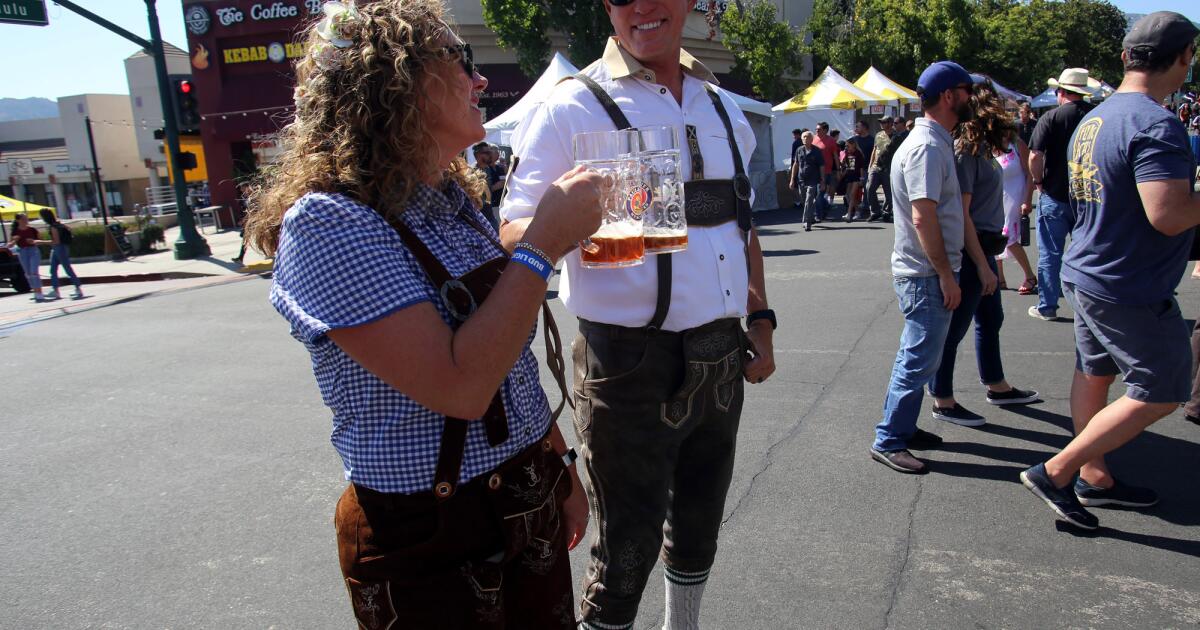
Imagine a California where you can buy a beer at your favorite bar or restaurant, take it outside and drink it on the street with a friend. That could soon be a reality, if state and local officials clear the way.
A bill proposed by California Sen. Scott Wiener (D-San Francisco) would allow the consumption of alcohol on public streets in zones designated for tippling.
The proposed legislation, Senate Bill 969, would give municipalities and counties the power, starting in 2025, to designate local “entertainment zones” where people could consume “alcoholic beverages on public streets, sidewalks, or public rights of way,” according to the bill.
Wiener says the legislation could help revitalize California’s downtown districts, where businesses have struggled since the pandemic eviscerated foot traffic.
“People want to be outdoors; they want to gather with their community,” said Wiener. “We have these very strict alcohol laws in California that sometimes need to be made more flexible.
“This is really about giving cities the ability to decide what works for their public spaces,” he added. “And for some cities, whether it’s in the downtown area or a town square or a particular block, they should have the ability to create an entertainment zone to allow bars and restaurants to sell both food and alcohol onto the street. Let’s allow people to enjoy themselves with their friends and neighbors.”
Wiener said the legislation would also be a boon beyond downtown neighborhoods, helping cities and local businesses that have struggled since COVID-19 caused companies to close offices and send employees to work from home.
Current laws allow street festivals to get one-day permits for vendors to sell alcohol for consumption on public streets. Wiener believes that should be extended to local businesses.
A University of Toronto study showed that many downtown areas in California are getting 60% to 90% of the traffic they saw in 2019. For downtown Los Angeles, the figure is 83%; San Francisco has 67%; and Sacramento is at 66%.
San Francisco and San Jose have given the bill their support.
“When safely implemented, SB 969 would make it easier for local businesses to host block parties, wine walks and events that bring us all together to help drive the vibrant future of our downtown,” said San Jose Mayor Matt Mahan in a statement.
The entertainment zones designated by municipalities would have specific days and hours of operation, like any business; people wouldn’t be free to imbibe in the street whenever they please. And California Penal Code Section 647(f) would continue to make it a crime to be intoxicated in public. Bars and restaurants would still be subject to state law that does not allow for the sale of alcohol between 2:00 a.m. and 6:00 a.m.
Wiener proposed similar legislation in 2021 and last year; both passed the Senate unanimously. But they ran into trouble in the Assembly’s Appropriations Committee, which blocked the entertainment zone provisions in 2022, then watered down and limited them to San Francisco County in 2023.
The 2024 bill has not yet been referred to a committee.

Imagine a California where you can buy a beer at your favorite bar or restaurant, take it outside and drink it on the street with a friend. That could soon be a reality, if state and local officials clear the way.
A bill proposed by California Sen. Scott Wiener (D-San Francisco) would allow the consumption of alcohol on public streets in zones designated for tippling.
The proposed legislation, Senate Bill 969, would give municipalities and counties the power, starting in 2025, to designate local “entertainment zones” where people could consume “alcoholic beverages on public streets, sidewalks, or public rights of way,” according to the bill.
Wiener says the legislation could help revitalize California’s downtown districts, where businesses have struggled since the pandemic eviscerated foot traffic.
“People want to be outdoors; they want to gather with their community,” said Wiener. “We have these very strict alcohol laws in California that sometimes need to be made more flexible.
“This is really about giving cities the ability to decide what works for their public spaces,” he added. “And for some cities, whether it’s in the downtown area or a town square or a particular block, they should have the ability to create an entertainment zone to allow bars and restaurants to sell both food and alcohol onto the street. Let’s allow people to enjoy themselves with their friends and neighbors.”
Wiener said the legislation would also be a boon beyond downtown neighborhoods, helping cities and local businesses that have struggled since COVID-19 caused companies to close offices and send employees to work from home.
Current laws allow street festivals to get one-day permits for vendors to sell alcohol for consumption on public streets. Wiener believes that should be extended to local businesses.
A University of Toronto study showed that many downtown areas in California are getting 60% to 90% of the traffic they saw in 2019. For downtown Los Angeles, the figure is 83%; San Francisco has 67%; and Sacramento is at 66%.
San Francisco and San Jose have given the bill their support.
“When safely implemented, SB 969 would make it easier for local businesses to host block parties, wine walks and events that bring us all together to help drive the vibrant future of our downtown,” said San Jose Mayor Matt Mahan in a statement.
The entertainment zones designated by municipalities would have specific days and hours of operation, like any business; people wouldn’t be free to imbibe in the street whenever they please. And California Penal Code Section 647(f) would continue to make it a crime to be intoxicated in public. Bars and restaurants would still be subject to state law that does not allow for the sale of alcohol between 2:00 a.m. and 6:00 a.m.
Wiener proposed similar legislation in 2021 and last year; both passed the Senate unanimously. But they ran into trouble in the Assembly’s Appropriations Committee, which blocked the entertainment zone provisions in 2022, then watered down and limited them to San Francisco County in 2023.
The 2024 bill has not yet been referred to a committee.

Imagine a California where you can buy a beer at your favorite bar or restaurant, take it outside and drink it on the street with a friend. That could soon be a reality, if state and local officials clear the way.
A bill proposed by California Sen. Scott Wiener (D-San Francisco) would allow the consumption of alcohol on public streets in zones designated for tippling.
The proposed legislation, Senate Bill 969, would give municipalities and counties the power, starting in 2025, to designate local “entertainment zones” where people could consume “alcoholic beverages on public streets, sidewalks, or public rights of way,” according to the bill.
Wiener says the legislation could help revitalize California’s downtown districts, where businesses have struggled since the pandemic eviscerated foot traffic.
“People want to be outdoors; they want to gather with their community,” said Wiener. “We have these very strict alcohol laws in California that sometimes need to be made more flexible.
“This is really about giving cities the ability to decide what works for their public spaces,” he added. “And for some cities, whether it’s in the downtown area or a town square or a particular block, they should have the ability to create an entertainment zone to allow bars and restaurants to sell both food and alcohol onto the street. Let’s allow people to enjoy themselves with their friends and neighbors.”
Wiener said the legislation would also be a boon beyond downtown neighborhoods, helping cities and local businesses that have struggled since COVID-19 caused companies to close offices and send employees to work from home.
Current laws allow street festivals to get one-day permits for vendors to sell alcohol for consumption on public streets. Wiener believes that should be extended to local businesses.
A University of Toronto study showed that many downtown areas in California are getting 60% to 90% of the traffic they saw in 2019. For downtown Los Angeles, the figure is 83%; San Francisco has 67%; and Sacramento is at 66%.
San Francisco and San Jose have given the bill their support.
“When safely implemented, SB 969 would make it easier for local businesses to host block parties, wine walks and events that bring us all together to help drive the vibrant future of our downtown,” said San Jose Mayor Matt Mahan in a statement.
The entertainment zones designated by municipalities would have specific days and hours of operation, like any business; people wouldn’t be free to imbibe in the street whenever they please. And California Penal Code Section 647(f) would continue to make it a crime to be intoxicated in public. Bars and restaurants would still be subject to state law that does not allow for the sale of alcohol between 2:00 a.m. and 6:00 a.m.
Wiener proposed similar legislation in 2021 and last year; both passed the Senate unanimously. But they ran into trouble in the Assembly’s Appropriations Committee, which blocked the entertainment zone provisions in 2022, then watered down and limited them to San Francisco County in 2023.
The 2024 bill has not yet been referred to a committee.
Imagine a California where you can buy a beer at your favorite bar or restaurant, take it outside and drink it on the street with a friend. That could soon be a reality, if state and local officials clear the way.
A bill proposed by California Sen. Scott Wiener (D-San Francisco) would allow the consumption of alcohol on public streets in zones designated for tippling.
The proposed legislation, Senate Bill 969, would give municipalities and counties the power, starting in 2025, to designate local “entertainment zones” where people could consume “alcoholic beverages on public streets, sidewalks, or public rights of way,” according to the bill.
Wiener says the legislation could help revitalize California’s downtown districts, where businesses have struggled since the pandemic eviscerated foot traffic.
“People want to be outdoors; they want to gather with their community,” said Wiener. “We have these very strict alcohol laws in California that sometimes need to be made more flexible.
“This is really about giving cities the ability to decide what works for their public spaces,” he added. “And for some cities, whether it’s in the downtown area or a town square or a particular block, they should have the ability to create an entertainment zone to allow bars and restaurants to sell both food and alcohol onto the street. Let’s allow people to enjoy themselves with their friends and neighbors.”
Wiener said the legislation would also be a boon beyond downtown neighborhoods, helping cities and local businesses that have struggled since COVID-19 caused companies to close offices and send employees to work from home.
Current laws allow street festivals to get one-day permits for vendors to sell alcohol for consumption on public streets. Wiener believes that should be extended to local businesses.
A University of Toronto study showed that many downtown areas in California are getting 60% to 90% of the traffic they saw in 2019. For downtown Los Angeles, the figure is 83%; San Francisco has 67%; and Sacramento is at 66%.
San Francisco and San Jose have given the bill their support.
“When safely implemented, SB 969 would make it easier for local businesses to host block parties, wine walks and events that bring us all together to help drive the vibrant future of our downtown,” said San Jose Mayor Matt Mahan in a statement.
The entertainment zones designated by municipalities would have specific days and hours of operation, like any business; people wouldn’t be free to imbibe in the street whenever they please. And California Penal Code Section 647(f) would continue to make it a crime to be intoxicated in public. Bars and restaurants would still be subject to state law that does not allow for the sale of alcohol between 2:00 a.m. and 6:00 a.m.
Wiener proposed similar legislation in 2021 and last year; both passed the Senate unanimously. But they ran into trouble in the Assembly’s Appropriations Committee, which blocked the entertainment zone provisions in 2022, then watered down and limited them to San Francisco County in 2023.
The 2024 bill has not yet been referred to a committee.

Imagine a California where you can buy a beer at your favorite bar or restaurant, take it outside and drink it on the street with a friend. That could soon be a reality, if state and local officials clear the way.
A bill proposed by California Sen. Scott Wiener (D-San Francisco) would allow the consumption of alcohol on public streets in zones designated for tippling.
The proposed legislation, Senate Bill 969, would give municipalities and counties the power, starting in 2025, to designate local “entertainment zones” where people could consume “alcoholic beverages on public streets, sidewalks, or public rights of way,” according to the bill.
Wiener says the legislation could help revitalize California’s downtown districts, where businesses have struggled since the pandemic eviscerated foot traffic.
“People want to be outdoors; they want to gather with their community,” said Wiener. “We have these very strict alcohol laws in California that sometimes need to be made more flexible.
“This is really about giving cities the ability to decide what works for their public spaces,” he added. “And for some cities, whether it’s in the downtown area or a town square or a particular block, they should have the ability to create an entertainment zone to allow bars and restaurants to sell both food and alcohol onto the street. Let’s allow people to enjoy themselves with their friends and neighbors.”
Wiener said the legislation would also be a boon beyond downtown neighborhoods, helping cities and local businesses that have struggled since COVID-19 caused companies to close offices and send employees to work from home.
Current laws allow street festivals to get one-day permits for vendors to sell alcohol for consumption on public streets. Wiener believes that should be extended to local businesses.
A University of Toronto study showed that many downtown areas in California are getting 60% to 90% of the traffic they saw in 2019. For downtown Los Angeles, the figure is 83%; San Francisco has 67%; and Sacramento is at 66%.
San Francisco and San Jose have given the bill their support.
“When safely implemented, SB 969 would make it easier for local businesses to host block parties, wine walks and events that bring us all together to help drive the vibrant future of our downtown,” said San Jose Mayor Matt Mahan in a statement.
The entertainment zones designated by municipalities would have specific days and hours of operation, like any business; people wouldn’t be free to imbibe in the street whenever they please. And California Penal Code Section 647(f) would continue to make it a crime to be intoxicated in public. Bars and restaurants would still be subject to state law that does not allow for the sale of alcohol between 2:00 a.m. and 6:00 a.m.
Wiener proposed similar legislation in 2021 and last year; both passed the Senate unanimously. But they ran into trouble in the Assembly’s Appropriations Committee, which blocked the entertainment zone provisions in 2022, then watered down and limited them to San Francisco County in 2023.
The 2024 bill has not yet been referred to a committee.
Imagine a California where you can buy a beer at your favorite bar or restaurant, take it outside and drink it on the street with a friend. That could soon be a reality, if state and local officials clear the way.
A bill proposed by California Sen. Scott Wiener (D-San Francisco) would allow the consumption of alcohol on public streets in zones designated for tippling.
The proposed legislation, Senate Bill 969, would give municipalities and counties the power, starting in 2025, to designate local “entertainment zones” where people could consume “alcoholic beverages on public streets, sidewalks, or public rights of way,” according to the bill.
Wiener says the legislation could help revitalize California’s downtown districts, where businesses have struggled since the pandemic eviscerated foot traffic.
“People want to be outdoors; they want to gather with their community,” said Wiener. “We have these very strict alcohol laws in California that sometimes need to be made more flexible.
“This is really about giving cities the ability to decide what works for their public spaces,” he added. “And for some cities, whether it’s in the downtown area or a town square or a particular block, they should have the ability to create an entertainment zone to allow bars and restaurants to sell both food and alcohol onto the street. Let’s allow people to enjoy themselves with their friends and neighbors.”
Wiener said the legislation would also be a boon beyond downtown neighborhoods, helping cities and local businesses that have struggled since COVID-19 caused companies to close offices and send employees to work from home.
Current laws allow street festivals to get one-day permits for vendors to sell alcohol for consumption on public streets. Wiener believes that should be extended to local businesses.
A University of Toronto study showed that many downtown areas in California are getting 60% to 90% of the traffic they saw in 2019. For downtown Los Angeles, the figure is 83%; San Francisco has 67%; and Sacramento is at 66%.
San Francisco and San Jose have given the bill their support.
“When safely implemented, SB 969 would make it easier for local businesses to host block parties, wine walks and events that bring us all together to help drive the vibrant future of our downtown,” said San Jose Mayor Matt Mahan in a statement.
The entertainment zones designated by municipalities would have specific days and hours of operation, like any business; people wouldn’t be free to imbibe in the street whenever they please. And California Penal Code Section 647(f) would continue to make it a crime to be intoxicated in public. Bars and restaurants would still be subject to state law that does not allow for the sale of alcohol between 2:00 a.m. and 6:00 a.m.
Wiener proposed similar legislation in 2021 and last year; both passed the Senate unanimously. But they ran into trouble in the Assembly’s Appropriations Committee, which blocked the entertainment zone provisions in 2022, then watered down and limited them to San Francisco County in 2023.
The 2024 bill has not yet been referred to a committee.
Imagine a California where you can buy a beer at your favorite bar or restaurant, take it outside and drink it on the street with a friend. That could soon be a reality, if state and local officials clear the way.
A bill proposed by California Sen. Scott Wiener (D-San Francisco) would allow the consumption of alcohol on public streets in zones designated for tippling.
The proposed legislation, Senate Bill 969, would give municipalities and counties the power, starting in 2025, to designate local “entertainment zones” where people could consume “alcoholic beverages on public streets, sidewalks, or public rights of way,” according to the bill.
Wiener says the legislation could help revitalize California’s downtown districts, where businesses have struggled since the pandemic eviscerated foot traffic.
“People want to be outdoors; they want to gather with their community,” said Wiener. “We have these very strict alcohol laws in California that sometimes need to be made more flexible.
“This is really about giving cities the ability to decide what works for their public spaces,” he added. “And for some cities, whether it’s in the downtown area or a town square or a particular block, they should have the ability to create an entertainment zone to allow bars and restaurants to sell both food and alcohol onto the street. Let’s allow people to enjoy themselves with their friends and neighbors.”
Wiener said the legislation would also be a boon beyond downtown neighborhoods, helping cities and local businesses that have struggled since COVID-19 caused companies to close offices and send employees to work from home.
Current laws allow street festivals to get one-day permits for vendors to sell alcohol for consumption on public streets. Wiener believes that should be extended to local businesses.
A University of Toronto study showed that many downtown areas in California are getting 60% to 90% of the traffic they saw in 2019. For downtown Los Angeles, the figure is 83%; San Francisco has 67%; and Sacramento is at 66%.
San Francisco and San Jose have given the bill their support.
“When safely implemented, SB 969 would make it easier for local businesses to host block parties, wine walks and events that bring us all together to help drive the vibrant future of our downtown,” said San Jose Mayor Matt Mahan in a statement.
The entertainment zones designated by municipalities would have specific days and hours of operation, like any business; people wouldn’t be free to imbibe in the street whenever they please. And California Penal Code Section 647(f) would continue to make it a crime to be intoxicated in public. Bars and restaurants would still be subject to state law that does not allow for the sale of alcohol between 2:00 a.m. and 6:00 a.m.
Wiener proposed similar legislation in 2021 and last year; both passed the Senate unanimously. But they ran into trouble in the Assembly’s Appropriations Committee, which blocked the entertainment zone provisions in 2022, then watered down and limited them to San Francisco County in 2023.
The 2024 bill has not yet been referred to a committee.
Imagine a California where you can buy a beer at your favorite bar or restaurant, take it outside and drink it on the street with a friend. That could soon be a reality, if state and local officials clear the way.
A bill proposed by California Sen. Scott Wiener (D-San Francisco) would allow the consumption of alcohol on public streets in zones designated for tippling.
The proposed legislation, Senate Bill 969, would give municipalities and counties the power, starting in 2025, to designate local “entertainment zones” where people could consume “alcoholic beverages on public streets, sidewalks, or public rights of way,” according to the bill.
Wiener says the legislation could help revitalize California’s downtown districts, where businesses have struggled since the pandemic eviscerated foot traffic.
“People want to be outdoors; they want to gather with their community,” said Wiener. “We have these very strict alcohol laws in California that sometimes need to be made more flexible.
“This is really about giving cities the ability to decide what works for their public spaces,” he added. “And for some cities, whether it’s in the downtown area or a town square or a particular block, they should have the ability to create an entertainment zone to allow bars and restaurants to sell both food and alcohol onto the street. Let’s allow people to enjoy themselves with their friends and neighbors.”
Wiener said the legislation would also be a boon beyond downtown neighborhoods, helping cities and local businesses that have struggled since COVID-19 caused companies to close offices and send employees to work from home.
Current laws allow street festivals to get one-day permits for vendors to sell alcohol for consumption on public streets. Wiener believes that should be extended to local businesses.
A University of Toronto study showed that many downtown areas in California are getting 60% to 90% of the traffic they saw in 2019. For downtown Los Angeles, the figure is 83%; San Francisco has 67%; and Sacramento is at 66%.
San Francisco and San Jose have given the bill their support.
“When safely implemented, SB 969 would make it easier for local businesses to host block parties, wine walks and events that bring us all together to help drive the vibrant future of our downtown,” said San Jose Mayor Matt Mahan in a statement.
The entertainment zones designated by municipalities would have specific days and hours of operation, like any business; people wouldn’t be free to imbibe in the street whenever they please. And California Penal Code Section 647(f) would continue to make it a crime to be intoxicated in public. Bars and restaurants would still be subject to state law that does not allow for the sale of alcohol between 2:00 a.m. and 6:00 a.m.
Wiener proposed similar legislation in 2021 and last year; both passed the Senate unanimously. But they ran into trouble in the Assembly’s Appropriations Committee, which blocked the entertainment zone provisions in 2022, then watered down and limited them to San Francisco County in 2023.
The 2024 bill has not yet been referred to a committee.