
Tuesday, June 30, 2026
Washington DC
New York
Toronto
Distribution: (800) 510 9863
Press ID
  • Login
RH NEWSROOM National News and Press Releases. Local and Regional Perspectives. Media Advisories.
Yonkers Observer
  • Home
  • World
  • Politics
  • Finance
  • Technology
  • Health
  • Culture
  • Entertainment
  • Trend
No Result
View All Result
  • Home
  • World
  • Politics
  • Finance
  • Technology
  • Health
  • Culture
  • Entertainment
  • Trend
No Result
View All Result
Yonkers Observer
No Result
View All Result
Home Culture

’47 Ronin’ director gets prison sentence for defrauding Netflix

by Yonkers Observer Report
June 30, 2026
in Culture
Share on FacebookShare on Twitter

Carl Erik Rinsch, the director of the 2013 Keanu Reeves action film “47 Ronin,” will serve more than two years in federal prison for defrauding Netflix of $11 million.

U.S. District Judge Jed S. Rakoff on Monday sentenced 48-year-old Rinsch to 30 months in prison, the U.S. Attorney’s Office, Southern District of New York, announced. Federal prosecutors convicted Rinsch in December of wire fraud, money laundering and other counts. A legal representative for Rinsch did not immediately respond to a request for comment on Tuesday.

Federal prosecutors indicted Rinsch in March 2025, alleging the $11 million went into Rinsch’s personal accounts. The filmmaker “quickly transferred” the money from the Rinsch Co. account, where it had been deposited March 6, 2020, by Netflix, through additional accounts until about $10.5 million wound up weeks later in a personal brokerage account. He lost more than half of that money in less than two months via risky investments in the stock market, the indictment said.

Though Rinsch told the streamer that his sci-fi show “White Horse” was progressing nicely, the filmmaker allegedly moved the remaining money into cryptocurrency and profited from crypto speculation over the next couple of years. The streamer had invested around $44 million in the show. Rinsch was accused of spending around $10 million on five Rolls-Royces, a Ferrari, watches, clothing, luxury bedding and linens, credit card bills, attorneys to sue Netflix for more money, and lawyers to work on his divorce.

He was arrested in West Hollywood and released the same day after agreeing to post a $100,000 bond to guarantee his appearance in a New York federal court.

Rinsch never finished the Netflix show.

During his sentencing, Rinsch and his legal team told the court his behavior was a result of mental health struggles and medication problems and they are working to address those issues with a new care provider, the Associated Press reported.

“I failed to recognize the danger of the state I was in,” Rinsch said, though his mental issues were not described in court, and his attorneys declined to provide further detail.

Ahead of the sentencing, Reeves — the star of Rinsch’s most notable project to date — penned a letter in May requesting “leniency and mercy as well as justice” in the filmmaker’s sentencing.

In addition to prison time, Rinsch must serve three years of supervised release, forfeit the $11 million and pay $700 in mandatory special assessments, according to Monday’s announcement. U.S. Attorney Jay Clayton said in the announcement: “Today’s sentence sends a deterrent message: fraud will not be tolerated.”

The Associated Press and former Times assistant editor Christie D’Zurilla contributed to this report.

Carl Erik Rinsch, the director of the 2013 Keanu Reeves action film “47 Ronin,” will serve more than two years in federal prison for defrauding Netflix of $11 million.

U.S. District Judge Jed S. Rakoff on Monday sentenced 48-year-old Rinsch to 30 months in prison, the U.S. Attorney’s Office, Southern District of New York, announced. Federal prosecutors convicted Rinsch in December of wire fraud, money laundering and other counts. A legal representative for Rinsch did not immediately respond to a request for comment on Tuesday.

Federal prosecutors indicted Rinsch in March 2025, alleging the $11 million went into Rinsch’s personal accounts. The filmmaker “quickly transferred” the money from the Rinsch Co. account, where it had been deposited March 6, 2020, by Netflix, through additional accounts until about $10.5 million wound up weeks later in a personal brokerage account. He lost more than half of that money in less than two months via risky investments in the stock market, the indictment said.

Though Rinsch told the streamer that his sci-fi show “White Horse” was progressing nicely, the filmmaker allegedly moved the remaining money into cryptocurrency and profited from crypto speculation over the next couple of years. The streamer had invested around $44 million in the show. Rinsch was accused of spending around $10 million on five Rolls-Royces, a Ferrari, watches, clothing, luxury bedding and linens, credit card bills, attorneys to sue Netflix for more money, and lawyers to work on his divorce.

He was arrested in West Hollywood and released the same day after agreeing to post a $100,000 bond to guarantee his appearance in a New York federal court.

Rinsch never finished the Netflix show.

During his sentencing, Rinsch and his legal team told the court his behavior was a result of mental health struggles and medication problems and they are working to address those issues with a new care provider, the Associated Press reported.

“I failed to recognize the danger of the state I was in,” Rinsch said, though his mental issues were not described in court, and his attorneys declined to provide further detail.

Ahead of the sentencing, Reeves — the star of Rinsch’s most notable project to date — penned a letter in May requesting “leniency and mercy as well as justice” in the filmmaker’s sentencing.

In addition to prison time, Rinsch must serve three years of supervised release, forfeit the $11 million and pay $700 in mandatory special assessments, according to Monday’s announcement. U.S. Attorney Jay Clayton said in the announcement: “Today’s sentence sends a deterrent message: fraud will not be tolerated.”

The Associated Press and former Times assistant editor Christie D’Zurilla contributed to this report.

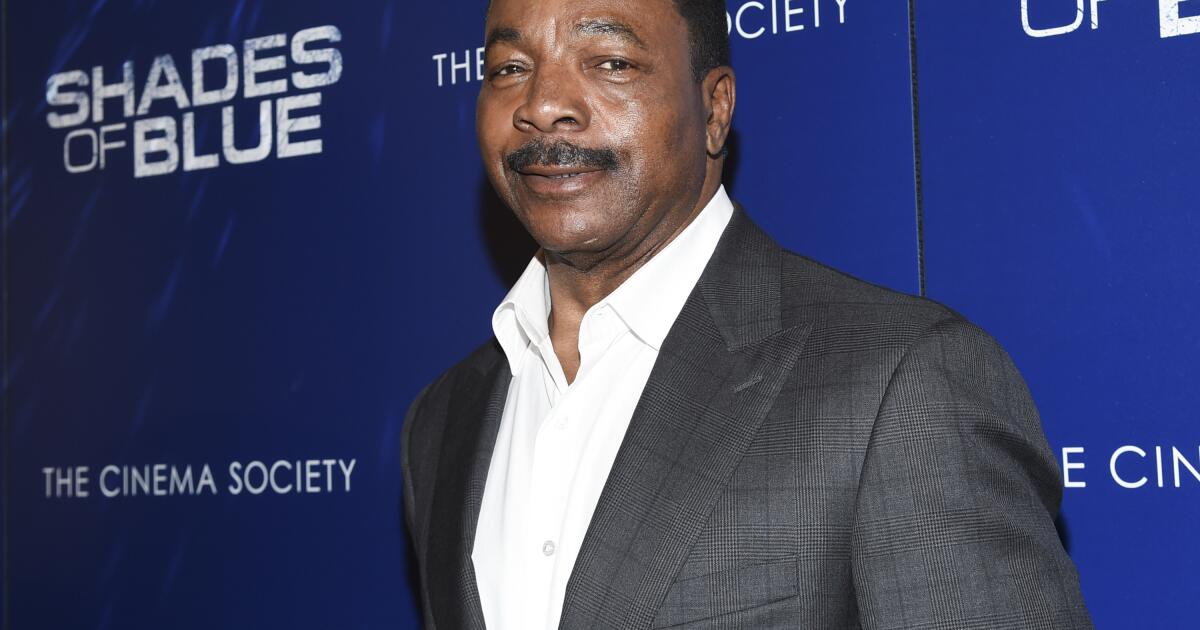
Carl Erik Rinsch, the director of the 2013 Keanu Reeves action film “47 Ronin,” will serve more than two years in federal prison for defrauding Netflix of $11 million.

U.S. District Judge Jed S. Rakoff on Monday sentenced 48-year-old Rinsch to 30 months in prison, the U.S. Attorney’s Office, Southern District of New York, announced. Federal prosecutors convicted Rinsch in December of wire fraud, money laundering and other counts. A legal representative for Rinsch did not immediately respond to a request for comment on Tuesday.

Federal prosecutors indicted Rinsch in March 2025, alleging the $11 million went into Rinsch’s personal accounts. The filmmaker “quickly transferred” the money from the Rinsch Co. account, where it had been deposited March 6, 2020, by Netflix, through additional accounts until about $10.5 million wound up weeks later in a personal brokerage account. He lost more than half of that money in less than two months via risky investments in the stock market, the indictment said.

Though Rinsch told the streamer that his sci-fi show “White Horse” was progressing nicely, the filmmaker allegedly moved the remaining money into cryptocurrency and profited from crypto speculation over the next couple of years. The streamer had invested around $44 million in the show. Rinsch was accused of spending around $10 million on five Rolls-Royces, a Ferrari, watches, clothing, luxury bedding and linens, credit card bills, attorneys to sue Netflix for more money, and lawyers to work on his divorce.

He was arrested in West Hollywood and released the same day after agreeing to post a $100,000 bond to guarantee his appearance in a New York federal court.

Rinsch never finished the Netflix show.

During his sentencing, Rinsch and his legal team told the court his behavior was a result of mental health struggles and medication problems and they are working to address those issues with a new care provider, the Associated Press reported.

“I failed to recognize the danger of the state I was in,” Rinsch said, though his mental issues were not described in court, and his attorneys declined to provide further detail.

Ahead of the sentencing, Reeves — the star of Rinsch’s most notable project to date — penned a letter in May requesting “leniency and mercy as well as justice” in the filmmaker’s sentencing.

In addition to prison time, Rinsch must serve three years of supervised release, forfeit the $11 million and pay $700 in mandatory special assessments, according to Monday’s announcement. U.S. Attorney Jay Clayton said in the announcement: “Today’s sentence sends a deterrent message: fraud will not be tolerated.”

The Associated Press and former Times assistant editor Christie D’Zurilla contributed to this report.

Carl Erik Rinsch, the director of the 2013 Keanu Reeves action film “47 Ronin,” will serve more than two years in federal prison for defrauding Netflix of $11 million.

U.S. District Judge Jed S. Rakoff on Monday sentenced 48-year-old Rinsch to 30 months in prison, the U.S. Attorney’s Office, Southern District of New York, announced. Federal prosecutors convicted Rinsch in December of wire fraud, money laundering and other counts. A legal representative for Rinsch did not immediately respond to a request for comment on Tuesday.

Federal prosecutors indicted Rinsch in March 2025, alleging the $11 million went into Rinsch’s personal accounts. The filmmaker “quickly transferred” the money from the Rinsch Co. account, where it had been deposited March 6, 2020, by Netflix, through additional accounts until about $10.5 million wound up weeks later in a personal brokerage account. He lost more than half of that money in less than two months via risky investments in the stock market, the indictment said.

Though Rinsch told the streamer that his sci-fi show “White Horse” was progressing nicely, the filmmaker allegedly moved the remaining money into cryptocurrency and profited from crypto speculation over the next couple of years. The streamer had invested around $44 million in the show. Rinsch was accused of spending around $10 million on five Rolls-Royces, a Ferrari, watches, clothing, luxury bedding and linens, credit card bills, attorneys to sue Netflix for more money, and lawyers to work on his divorce.

He was arrested in West Hollywood and released the same day after agreeing to post a $100,000 bond to guarantee his appearance in a New York federal court.

Rinsch never finished the Netflix show.

During his sentencing, Rinsch and his legal team told the court his behavior was a result of mental health struggles and medication problems and they are working to address those issues with a new care provider, the Associated Press reported.

“I failed to recognize the danger of the state I was in,” Rinsch said, though his mental issues were not described in court, and his attorneys declined to provide further detail.

Ahead of the sentencing, Reeves — the star of Rinsch’s most notable project to date — penned a letter in May requesting “leniency and mercy as well as justice” in the filmmaker’s sentencing.

In addition to prison time, Rinsch must serve three years of supervised release, forfeit the $11 million and pay $700 in mandatory special assessments, according to Monday’s announcement. U.S. Attorney Jay Clayton said in the announcement: “Today’s sentence sends a deterrent message: fraud will not be tolerated.”

The Associated Press and former Times assistant editor Christie D’Zurilla contributed to this report.

Carl Erik Rinsch, the director of the 2013 Keanu Reeves action film “47 Ronin,” will serve more than two years in federal prison for defrauding Netflix of $11 million.

U.S. District Judge Jed S. Rakoff on Monday sentenced 48-year-old Rinsch to 30 months in prison, the U.S. Attorney’s Office, Southern District of New York, announced. Federal prosecutors convicted Rinsch in December of wire fraud, money laundering and other counts. A legal representative for Rinsch did not immediately respond to a request for comment on Tuesday.

Federal prosecutors indicted Rinsch in March 2025, alleging the $11 million went into Rinsch’s personal accounts. The filmmaker “quickly transferred” the money from the Rinsch Co. account, where it had been deposited March 6, 2020, by Netflix, through additional accounts until about $10.5 million wound up weeks later in a personal brokerage account. He lost more than half of that money in less than two months via risky investments in the stock market, the indictment said.

Though Rinsch told the streamer that his sci-fi show “White Horse” was progressing nicely, the filmmaker allegedly moved the remaining money into cryptocurrency and profited from crypto speculation over the next couple of years. The streamer had invested around $44 million in the show. Rinsch was accused of spending around $10 million on five Rolls-Royces, a Ferrari, watches, clothing, luxury bedding and linens, credit card bills, attorneys to sue Netflix for more money, and lawyers to work on his divorce.

He was arrested in West Hollywood and released the same day after agreeing to post a $100,000 bond to guarantee his appearance in a New York federal court.

Rinsch never finished the Netflix show.

During his sentencing, Rinsch and his legal team told the court his behavior was a result of mental health struggles and medication problems and they are working to address those issues with a new care provider, the Associated Press reported.

“I failed to recognize the danger of the state I was in,” Rinsch said, though his mental issues were not described in court, and his attorneys declined to provide further detail.

Ahead of the sentencing, Reeves — the star of Rinsch’s most notable project to date — penned a letter in May requesting “leniency and mercy as well as justice” in the filmmaker’s sentencing.

In addition to prison time, Rinsch must serve three years of supervised release, forfeit the $11 million and pay $700 in mandatory special assessments, according to Monday’s announcement. U.S. Attorney Jay Clayton said in the announcement: “Today’s sentence sends a deterrent message: fraud will not be tolerated.”

The Associated Press and former Times assistant editor Christie D’Zurilla contributed to this report.
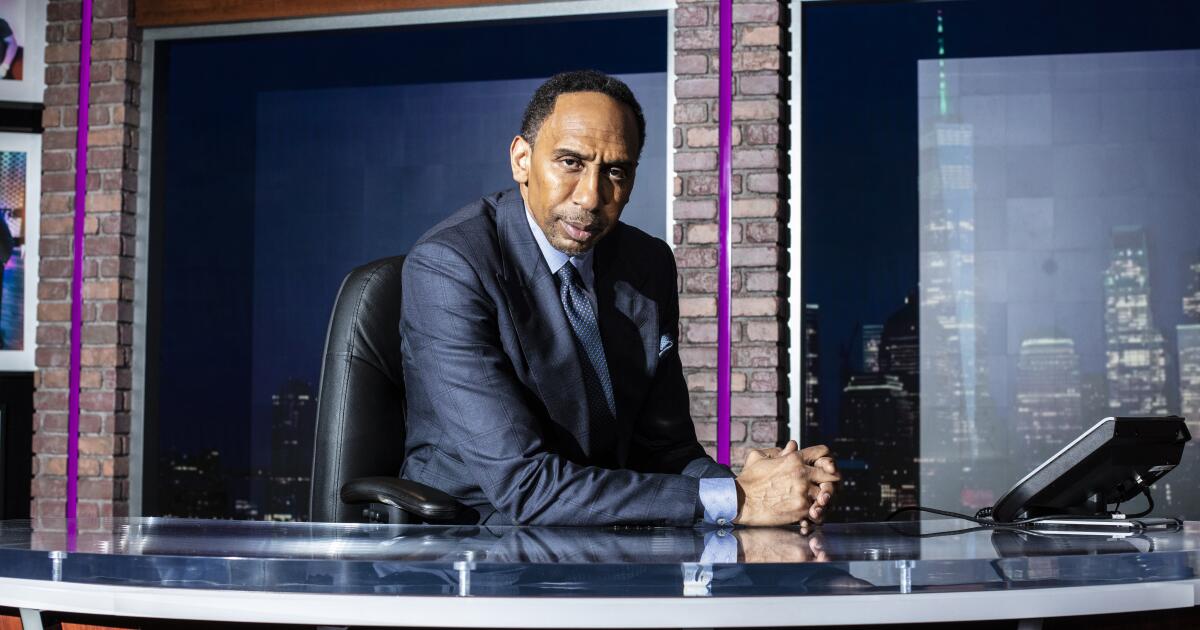
Carl Erik Rinsch, the director of the 2013 Keanu Reeves action film “47 Ronin,” will serve more than two years in federal prison for defrauding Netflix of $11 million.

U.S. District Judge Jed S. Rakoff on Monday sentenced 48-year-old Rinsch to 30 months in prison, the U.S. Attorney’s Office, Southern District of New York, announced. Federal prosecutors convicted Rinsch in December of wire fraud, money laundering and other counts. A legal representative for Rinsch did not immediately respond to a request for comment on Tuesday.

Federal prosecutors indicted Rinsch in March 2025, alleging the $11 million went into Rinsch’s personal accounts. The filmmaker “quickly transferred” the money from the Rinsch Co. account, where it had been deposited March 6, 2020, by Netflix, through additional accounts until about $10.5 million wound up weeks later in a personal brokerage account. He lost more than half of that money in less than two months via risky investments in the stock market, the indictment said.

Though Rinsch told the streamer that his sci-fi show “White Horse” was progressing nicely, the filmmaker allegedly moved the remaining money into cryptocurrency and profited from crypto speculation over the next couple of years. The streamer had invested around $44 million in the show. Rinsch was accused of spending around $10 million on five Rolls-Royces, a Ferrari, watches, clothing, luxury bedding and linens, credit card bills, attorneys to sue Netflix for more money, and lawyers to work on his divorce.

He was arrested in West Hollywood and released the same day after agreeing to post a $100,000 bond to guarantee his appearance in a New York federal court.

Rinsch never finished the Netflix show.

During his sentencing, Rinsch and his legal team told the court his behavior was a result of mental health struggles and medication problems and they are working to address those issues with a new care provider, the Associated Press reported.

“I failed to recognize the danger of the state I was in,” Rinsch said, though his mental issues were not described in court, and his attorneys declined to provide further detail.

Ahead of the sentencing, Reeves — the star of Rinsch’s most notable project to date — penned a letter in May requesting “leniency and mercy as well as justice” in the filmmaker’s sentencing.

In addition to prison time, Rinsch must serve three years of supervised release, forfeit the $11 million and pay $700 in mandatory special assessments, according to Monday’s announcement. U.S. Attorney Jay Clayton said in the announcement: “Today’s sentence sends a deterrent message: fraud will not be tolerated.”

The Associated Press and former Times assistant editor Christie D’Zurilla contributed to this report.

Carl Erik Rinsch, the director of the 2013 Keanu Reeves action film “47 Ronin,” will serve more than two years in federal prison for defrauding Netflix of $11 million.

U.S. District Judge Jed S. Rakoff on Monday sentenced 48-year-old Rinsch to 30 months in prison, the U.S. Attorney’s Office, Southern District of New York, announced. Federal prosecutors convicted Rinsch in December of wire fraud, money laundering and other counts. A legal representative for Rinsch did not immediately respond to a request for comment on Tuesday.

Federal prosecutors indicted Rinsch in March 2025, alleging the $11 million went into Rinsch’s personal accounts. The filmmaker “quickly transferred” the money from the Rinsch Co. account, where it had been deposited March 6, 2020, by Netflix, through additional accounts until about $10.5 million wound up weeks later in a personal brokerage account. He lost more than half of that money in less than two months via risky investments in the stock market, the indictment said.

Though Rinsch told the streamer that his sci-fi show “White Horse” was progressing nicely, the filmmaker allegedly moved the remaining money into cryptocurrency and profited from crypto speculation over the next couple of years. The streamer had invested around $44 million in the show. Rinsch was accused of spending around $10 million on five Rolls-Royces, a Ferrari, watches, clothing, luxury bedding and linens, credit card bills, attorneys to sue Netflix for more money, and lawyers to work on his divorce.

He was arrested in West Hollywood and released the same day after agreeing to post a $100,000 bond to guarantee his appearance in a New York federal court.

Rinsch never finished the Netflix show.

During his sentencing, Rinsch and his legal team told the court his behavior was a result of mental health struggles and medication problems and they are working to address those issues with a new care provider, the Associated Press reported.

“I failed to recognize the danger of the state I was in,” Rinsch said, though his mental issues were not described in court, and his attorneys declined to provide further detail.

Ahead of the sentencing, Reeves — the star of Rinsch’s most notable project to date — penned a letter in May requesting “leniency and mercy as well as justice” in the filmmaker’s sentencing.

In addition to prison time, Rinsch must serve three years of supervised release, forfeit the $11 million and pay $700 in mandatory special assessments, according to Monday’s announcement. U.S. Attorney Jay Clayton said in the announcement: “Today’s sentence sends a deterrent message: fraud will not be tolerated.”

The Associated Press and former Times assistant editor Christie D’Zurilla contributed to this report.

Carl Erik Rinsch, the director of the 2013 Keanu Reeves action film “47 Ronin,” will serve more than two years in federal prison for defrauding Netflix of $11 million.

U.S. District Judge Jed S. Rakoff on Monday sentenced 48-year-old Rinsch to 30 months in prison, the U.S. Attorney’s Office, Southern District of New York, announced. Federal prosecutors convicted Rinsch in December of wire fraud, money laundering and other counts. A legal representative for Rinsch did not immediately respond to a request for comment on Tuesday.

Federal prosecutors indicted Rinsch in March 2025, alleging the $11 million went into Rinsch’s personal accounts. The filmmaker “quickly transferred” the money from the Rinsch Co. account, where it had been deposited March 6, 2020, by Netflix, through additional accounts until about $10.5 million wound up weeks later in a personal brokerage account. He lost more than half of that money in less than two months via risky investments in the stock market, the indictment said.

Though Rinsch told the streamer that his sci-fi show “White Horse” was progressing nicely, the filmmaker allegedly moved the remaining money into cryptocurrency and profited from crypto speculation over the next couple of years. The streamer had invested around $44 million in the show. Rinsch was accused of spending around $10 million on five Rolls-Royces, a Ferrari, watches, clothing, luxury bedding and linens, credit card bills, attorneys to sue Netflix for more money, and lawyers to work on his divorce.

He was arrested in West Hollywood and released the same day after agreeing to post a $100,000 bond to guarantee his appearance in a New York federal court.

Rinsch never finished the Netflix show.

During his sentencing, Rinsch and his legal team told the court his behavior was a result of mental health struggles and medication problems and they are working to address those issues with a new care provider, the Associated Press reported.

“I failed to recognize the danger of the state I was in,” Rinsch said, though his mental issues were not described in court, and his attorneys declined to provide further detail.

Ahead of the sentencing, Reeves — the star of Rinsch’s most notable project to date — penned a letter in May requesting “leniency and mercy as well as justice” in the filmmaker’s sentencing.

In addition to prison time, Rinsch must serve three years of supervised release, forfeit the $11 million and pay $700 in mandatory special assessments, according to Monday’s announcement. U.S. Attorney Jay Clayton said in the announcement: “Today’s sentence sends a deterrent message: fraud will not be tolerated.”

The Associated Press and former Times assistant editor Christie D’Zurilla contributed to this report.

Leave a Reply Cancel reply

Your email address will not be published. Required fields are marked *

Recommended

In China, Artists Create Miniature Homes From Memories

3 years ago

DeSantis campaign raises $8.2 million in first day as he attacks Trump for ‘going left’

3 years ago

Taylor Swift’s ‘Midnights’ fan theories: Mayer, Braun, West

4 years ago

Kanye West’s comeback show at SoFi Stadium: Here’s what happened

3 months ago
Yonkers Observer

© 2025 Yonkers Observer or its affiliated companies.

Navigate Site

  • About
  • Advertise
  • Terms & Conditions
  • Privacy Policy
  • Disclaimer
  • Contact

Follow Us

No Result
View All Result
  • Home
  • World
  • Politics
  • Finance
  • Technology
  • Health
  • Culture
  • Entertainment
  • Trend

© 2025 Yonkers Observer or its affiliated companies.

Welcome Back!

Login to your account below

Forgotten Password?

Retrieve your password

Please enter your username or email address to reset your password.

Log In