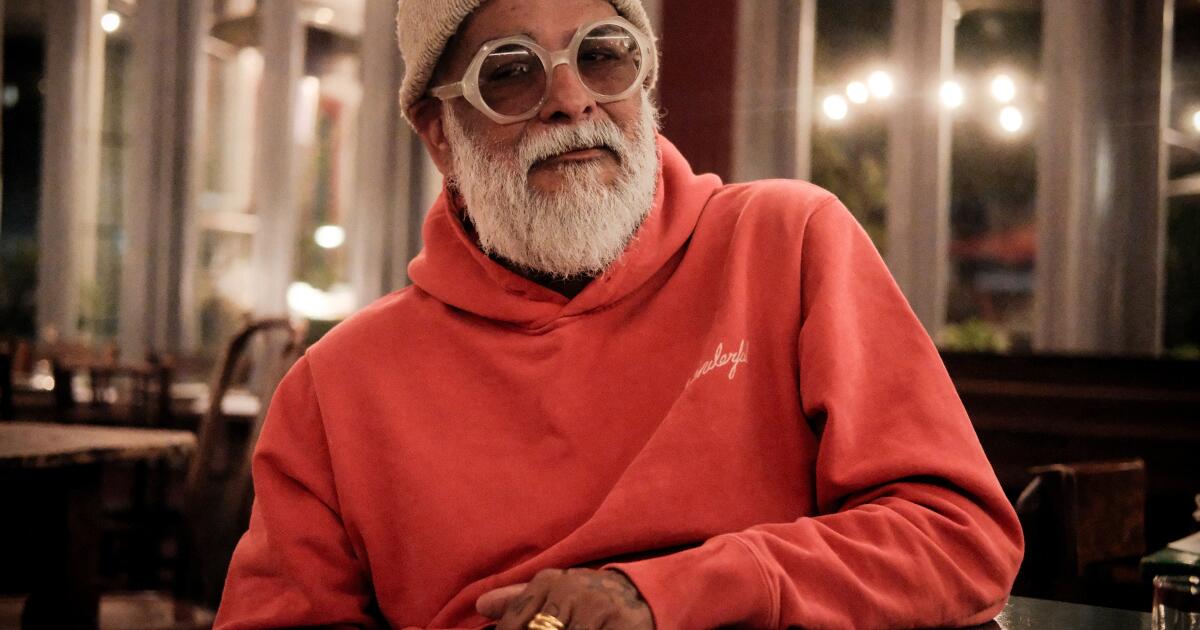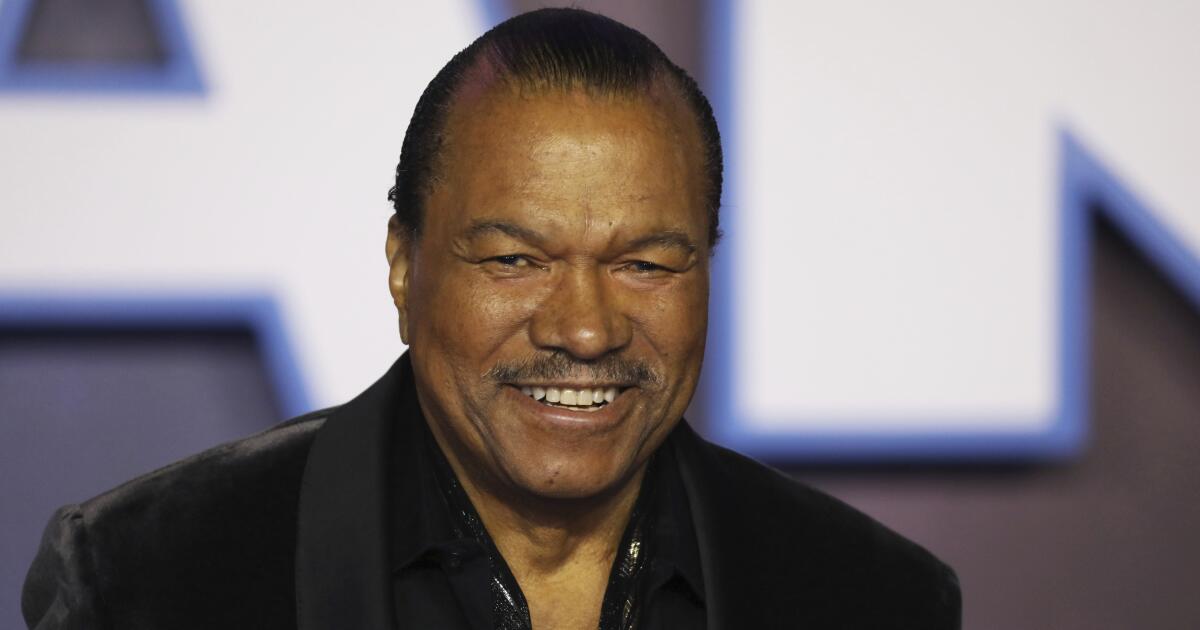


Billy Dee Williams gave fellow actors the green light to “do anything you want to do” for their work — including using blackface.
Williams, who is the first Black actor to be prominently featured in the sprawling “Star Wars” franchise, shared his opinions on non-Black actors playing Black characters on Sunday. An hour into an episode of Bill Maher’s “Club Random” podcast, the 87-year-old star reflected on British actor Laurence Olivier‘s controversial turn as “Othello” in 1965.
In the film adaptation of the Shakespeare classic, Olivier — who was white — used dark makeup to resemble the titular Moor of Venice. The practice of blackface traces back to racist minstrel shows in the early 19th century where non-Black actors darkened their skin with makeup to portray caricatures of Black people — who were widely shut out from mainstream entertainment spaces.
Williams revealed to Maher that Olivier’s inspiration for his take on “Othello” was the late singer Paul Robeson, who was Black. Olivier wanted to channel “Robeson’s stature and Robeson’s voice,” Williams said. The “Brian’s Song” actor also recalled Olivier’s physical performance for the role.
“When he did Othello, I fell out laughing. He stuck his a— out and walked around with his a—,” he added. “You know, because Black people are supposed to have big a—. I fell out laughing. I thought it was hysterical. I loved it.”
In response, Maher told Williams that blackface couldn’t be used in this generation of entertainment, not without backlash.
“Why? Why not? You should do it,” Williams said. “If you’re an actor, you should do anything you want to do.”
In recent years, Hollywood production companies and studios faced a racial reckoning — sparked by the murder of George Floyd and the Black Lives Matter movement — for the industry’s history of racist practices, including the use of blackface and portrayals of racist stereotypes. As a result, entertainment platforms including HBO, Hulu and Adult Swim pulled movies and TV show episodes that were deemed offensive from their services, though some have since returned.
Williams’ appearance on Maher’s podcast touched on the beginning of his career and how acting opportunities were scant because of his race (Williams is Black with Native American ancestry). Still, Williams said the use of blackface “doesn’t matter.”
“The point is that you don’t go through life feeling like I’m a victim,” he added, earning kudos from Maher. “I refuse to go through life saying to the world, ‘I’m pissed off.’ I’m not going to be pissed off 24 hours a day.”
Williams, who originated the role of Lando Calrissian in “Star Wars,” appeared on Maher’s far-ranging podcast months after the release of his latest memoir, “What Have We Here? Portraits of a Life.” The book, published by Knopf, hit shelves in February.

Billy Dee Williams gave fellow actors the green light to “do anything you want to do” for their work — including using blackface.
Williams, who is the first Black actor to be prominently featured in the sprawling “Star Wars” franchise, shared his opinions on non-Black actors playing Black characters on Sunday. An hour into an episode of Bill Maher’s “Club Random” podcast, the 87-year-old star reflected on British actor Laurence Olivier‘s controversial turn as “Othello” in 1965.
In the film adaptation of the Shakespeare classic, Olivier — who was white — used dark makeup to resemble the titular Moor of Venice. The practice of blackface traces back to racist minstrel shows in the early 19th century where non-Black actors darkened their skin with makeup to portray caricatures of Black people — who were widely shut out from mainstream entertainment spaces.
Williams revealed to Maher that Olivier’s inspiration for his take on “Othello” was the late singer Paul Robeson, who was Black. Olivier wanted to channel “Robeson’s stature and Robeson’s voice,” Williams said. The “Brian’s Song” actor also recalled Olivier’s physical performance for the role.
“When he did Othello, I fell out laughing. He stuck his a— out and walked around with his a—,” he added. “You know, because Black people are supposed to have big a—. I fell out laughing. I thought it was hysterical. I loved it.”
In response, Maher told Williams that blackface couldn’t be used in this generation of entertainment, not without backlash.
“Why? Why not? You should do it,” Williams said. “If you’re an actor, you should do anything you want to do.”
In recent years, Hollywood production companies and studios faced a racial reckoning — sparked by the murder of George Floyd and the Black Lives Matter movement — for the industry’s history of racist practices, including the use of blackface and portrayals of racist stereotypes. As a result, entertainment platforms including HBO, Hulu and Adult Swim pulled movies and TV show episodes that were deemed offensive from their services, though some have since returned.
Williams’ appearance on Maher’s podcast touched on the beginning of his career and how acting opportunities were scant because of his race (Williams is Black with Native American ancestry). Still, Williams said the use of blackface “doesn’t matter.”
“The point is that you don’t go through life feeling like I’m a victim,” he added, earning kudos from Maher. “I refuse to go through life saying to the world, ‘I’m pissed off.’ I’m not going to be pissed off 24 hours a day.”
Williams, who originated the role of Lando Calrissian in “Star Wars,” appeared on Maher’s far-ranging podcast months after the release of his latest memoir, “What Have We Here? Portraits of a Life.” The book, published by Knopf, hit shelves in February.