There’s no better way to draw attention to an artist’s work than threatening to shut it down.
Take this week, when Macklemore was kicked off singer-songwriter Ed Sheeran’s tour at the behest of concert venue owners who found the rapper’s on-stage pleas to “Free Palestine” offensive.
Now Macklemore, who hasn’t had a major hit since the 2010s, is relevant again. He has the support of artists, fans and thousands more outraged by his dismissal and the humanitarian catastrophe in Gaza. The “Thrift Shop” rapper has emerged a hero, and a chastened Sheeran and Gillette Stadium owner Robert Kraft have pledged to donate millions toward humanitarian causes in “the region.”
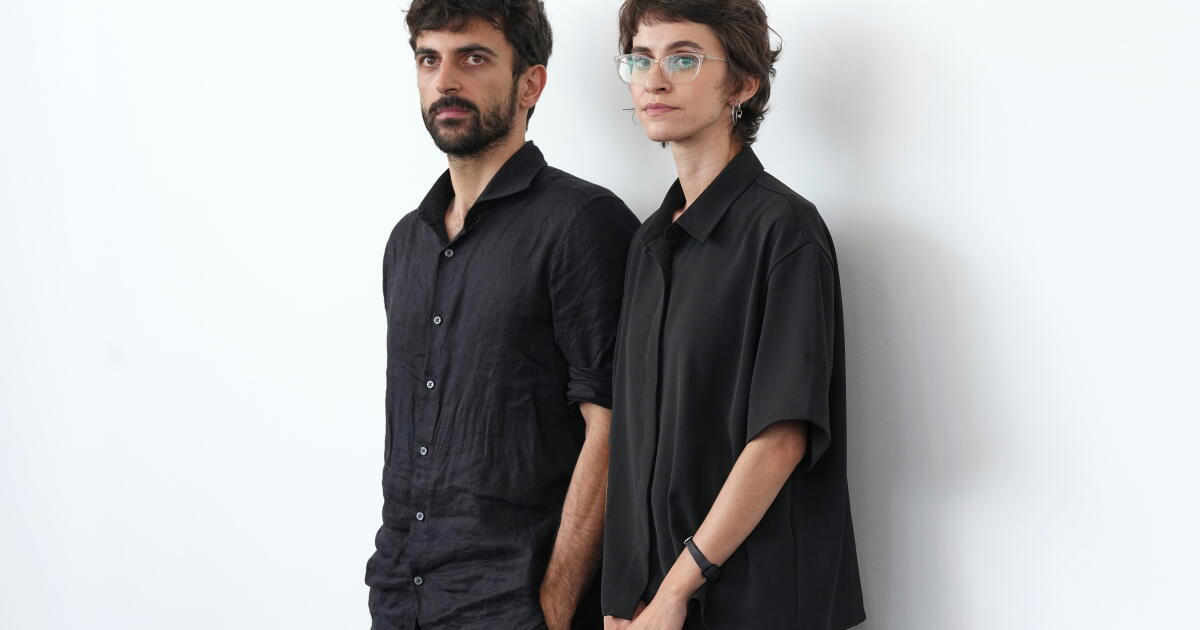
The stakes are considerably higher for Israeli documentarians Yuval Abraham and Rachel Szor. Israeli Prime Minister Benjamin Netanyahu threatened this week to revoke their citizenship for what he called the “shocking incitement” that is of their forthcoming documentary, “NAZA.”
NAZA is an acronym used by Israeli military intelligence to describe the number of civilians it estimates will be killed in an airstrike. The documentary captures the actions of Israel’s military after the Oct. 7, 2023, Hamas attack in footage shot at night from Tel Aviv rooftops. “NAZA” also features anonymous interviews with intelligence officers and soldiers from the Israel Defense Forces, and builds on reporting first published by the Israeli-Palestinian publication +972 Magazine, the Hebrew-language outlet Local Call and The Guardian to make the case that mass civilian deaths were built into Israel’s target decisions in Gaza.
When “NAZA” premiered at the Venice Film Festival on Sept. 10, the documentary received a 25-minute standing ovation, setting a festival record. It went on to win the prestigious Special Jury Prize.
Soon after, the directors came under attack from members of Israel’s government, with Culture Minister Miki Zohar accusing them of “treason against the state” and calling for their citizenship to be revoked.
But it’s Netanyahu who’s providing free publicity for “NAZA,” ensuring that everyone outside the film festival circuit will know of the documentary by the time of its official North American premiere at the New York Film Festival on Sept. 26.
In a move that’s likely designed to quash “NAZA’s” release and silence its directors, the prime minster pledged this week to advance two bills that would address the “immense damage” done to Israeli soldiers in the film.
Netanyahu explained in a social media clip that one bill would “revoke the citizenship of anyone who defames soldiers, and the second [bill will] hit them in their pockets and increase the statutory damages for defamation they can be sued for by 20 times. We will hit them both in their pockets and in their citizenship, as their place is not with us.”
Macklemore lost his place on a pop music tour for speaking out against Israel’s military. Abraham and Szor may lose their place as Israeli citizens. The pair were already considered controversial for their 2024 documentary, “No Other Land,” a film chronicling five years of displacement and violence in the life of Palestinians in a small village in the occupied West Bank. It won the 2025 documentary feature film Oscar.
They explained in a statement why making “NAZA” was so important.
“We made this film out of a sense of obligation to use our position as Israeli filmmakers and journalists to examine the systems behind the mass killing of Palestinian civilians for which our country is responsible,” the statement said. “While filming members of Israel’s military on rooftops at night in Tel Aviv over the past three years, we found ourselves asking the very questions that were asked by our grandparents’ generation and throughout the 20th century: How does one group of people allow the total dehumanization of another? What do the inner workings of such a system look like? … The film lets us explore something deeper than we could in our investigative journalism alone: not only the words being said, but also those that are not said, the silence. It is up to all of us to break that silence.”
The filmmakers have said that they’re using an “innovative distribution model” to bring the film to audiences “as quickly as possible.” It’s slated to reach Los Angeles on Oct. 9 before rolling out in theaters nationwide.
“NAZA” may not need a robust marketing plan if Netanyahu and the Israeli government continue to condemn the film and threaten its creators with expulsion from their own country. Censorship, and worse, are the surest way to elevate an artist and their work. Just ask Macklemore.

There’s no better way to draw attention to an artist’s work than threatening to shut it down.
Take this week, when Macklemore was kicked off singer-songwriter Ed Sheeran’s tour at the behest of concert venue owners who found the rapper’s on-stage pleas to “Free Palestine” offensive.
Now Macklemore, who hasn’t had a major hit since the 2010s, is relevant again. He has the support of artists, fans and thousands more outraged by his dismissal and the humanitarian catastrophe in Gaza. The “Thrift Shop” rapper has emerged a hero, and a chastened Sheeran and Gillette Stadium owner Robert Kraft have pledged to donate millions toward humanitarian causes in “the region.”
The stakes are considerably higher for Israeli documentarians Yuval Abraham and Rachel Szor. Israeli Prime Minister Benjamin Netanyahu threatened this week to revoke their citizenship for what he called the “shocking incitement” that is of their forthcoming documentary, “NAZA.”
NAZA is an acronym used by Israeli military intelligence to describe the number of civilians it estimates will be killed in an airstrike. The documentary captures the actions of Israel’s military after the Oct. 7, 2023, Hamas attack in footage shot at night from Tel Aviv rooftops. “NAZA” also features anonymous interviews with intelligence officers and soldiers from the Israel Defense Forces, and builds on reporting first published by the Israeli-Palestinian publication +972 Magazine, the Hebrew-language outlet Local Call and The Guardian to make the case that mass civilian deaths were built into Israel’s target decisions in Gaza.
When “NAZA” premiered at the Venice Film Festival on Sept. 10, the documentary received a 25-minute standing ovation, setting a festival record. It went on to win the prestigious Special Jury Prize.
Soon after, the directors came under attack from members of Israel’s government, with Culture Minister Miki Zohar accusing them of “treason against the state” and calling for their citizenship to be revoked.
But it’s Netanyahu who’s providing free publicity for “NAZA,” ensuring that everyone outside the film festival circuit will know of the documentary by the time of its official North American premiere at the New York Film Festival on Sept. 26.
In a move that’s likely designed to quash “NAZA’s” release and silence its directors, the prime minster pledged this week to advance two bills that would address the “immense damage” done to Israeli soldiers in the film.
Netanyahu explained in a social media clip that one bill would “revoke the citizenship of anyone who defames soldiers, and the second [bill will] hit them in their pockets and increase the statutory damages for defamation they can be sued for by 20 times. We will hit them both in their pockets and in their citizenship, as their place is not with us.”
Macklemore lost his place on a pop music tour for speaking out against Israel’s military. Abraham and Szor may lose their place as Israeli citizens. The pair were already considered controversial for their 2024 documentary, “No Other Land,” a film chronicling five years of displacement and violence in the life of Palestinians in a small village in the occupied West Bank. It won the 2025 documentary feature film Oscar.
They explained in a statement why making “NAZA” was so important.
“We made this film out of a sense of obligation to use our position as Israeli filmmakers and journalists to examine the systems behind the mass killing of Palestinian civilians for which our country is responsible,” the statement said. “While filming members of Israel’s military on rooftops at night in Tel Aviv over the past three years, we found ourselves asking the very questions that were asked by our grandparents’ generation and throughout the 20th century: How does one group of people allow the total dehumanization of another? What do the inner workings of such a system look like? … The film lets us explore something deeper than we could in our investigative journalism alone: not only the words being said, but also those that are not said, the silence. It is up to all of us to break that silence.”
The filmmakers have said that they’re using an “innovative distribution model” to bring the film to audiences “as quickly as possible.” It’s slated to reach Los Angeles on Oct. 9 before rolling out in theaters nationwide.
“NAZA” may not need a robust marketing plan if Netanyahu and the Israeli government continue to condemn the film and threaten its creators with expulsion from their own country. Censorship, and worse, are the surest way to elevate an artist and their work. Just ask Macklemore.

There’s no better way to draw attention to an artist’s work than threatening to shut it down.
Take this week, when Macklemore was kicked off singer-songwriter Ed Sheeran’s tour at the behest of concert venue owners who found the rapper’s on-stage pleas to “Free Palestine” offensive.
Now Macklemore, who hasn’t had a major hit since the 2010s, is relevant again. He has the support of artists, fans and thousands more outraged by his dismissal and the humanitarian catastrophe in Gaza. The “Thrift Shop” rapper has emerged a hero, and a chastened Sheeran and Gillette Stadium owner Robert Kraft have pledged to donate millions toward humanitarian causes in “the region.”
The stakes are considerably higher for Israeli documentarians Yuval Abraham and Rachel Szor. Israeli Prime Minister Benjamin Netanyahu threatened this week to revoke their citizenship for what he called the “shocking incitement” that is of their forthcoming documentary, “NAZA.”
NAZA is an acronym used by Israeli military intelligence to describe the number of civilians it estimates will be killed in an airstrike. The documentary captures the actions of Israel’s military after the Oct. 7, 2023, Hamas attack in footage shot at night from Tel Aviv rooftops. “NAZA” also features anonymous interviews with intelligence officers and soldiers from the Israel Defense Forces, and builds on reporting first published by the Israeli-Palestinian publication +972 Magazine, the Hebrew-language outlet Local Call and The Guardian to make the case that mass civilian deaths were built into Israel’s target decisions in Gaza.
When “NAZA” premiered at the Venice Film Festival on Sept. 10, the documentary received a 25-minute standing ovation, setting a festival record. It went on to win the prestigious Special Jury Prize.
Soon after, the directors came under attack from members of Israel’s government, with Culture Minister Miki Zohar accusing them of “treason against the state” and calling for their citizenship to be revoked.
But it’s Netanyahu who’s providing free publicity for “NAZA,” ensuring that everyone outside the film festival circuit will know of the documentary by the time of its official North American premiere at the New York Film Festival on Sept. 26.
In a move that’s likely designed to quash “NAZA’s” release and silence its directors, the prime minster pledged this week to advance two bills that would address the “immense damage” done to Israeli soldiers in the film.
Netanyahu explained in a social media clip that one bill would “revoke the citizenship of anyone who defames soldiers, and the second [bill will] hit them in their pockets and increase the statutory damages for defamation they can be sued for by 20 times. We will hit them both in their pockets and in their citizenship, as their place is not with us.”
Macklemore lost his place on a pop music tour for speaking out against Israel’s military. Abraham and Szor may lose their place as Israeli citizens. The pair were already considered controversial for their 2024 documentary, “No Other Land,” a film chronicling five years of displacement and violence in the life of Palestinians in a small village in the occupied West Bank. It won the 2025 documentary feature film Oscar.
They explained in a statement why making “NAZA” was so important.
“We made this film out of a sense of obligation to use our position as Israeli filmmakers and journalists to examine the systems behind the mass killing of Palestinian civilians for which our country is responsible,” the statement said. “While filming members of Israel’s military on rooftops at night in Tel Aviv over the past three years, we found ourselves asking the very questions that were asked by our grandparents’ generation and throughout the 20th century: How does one group of people allow the total dehumanization of another? What do the inner workings of such a system look like? … The film lets us explore something deeper than we could in our investigative journalism alone: not only the words being said, but also those that are not said, the silence. It is up to all of us to break that silence.”
The filmmakers have said that they’re using an “innovative distribution model” to bring the film to audiences “as quickly as possible.” It’s slated to reach Los Angeles on Oct. 9 before rolling out in theaters nationwide.
“NAZA” may not need a robust marketing plan if Netanyahu and the Israeli government continue to condemn the film and threaten its creators with expulsion from their own country. Censorship, and worse, are the surest way to elevate an artist and their work. Just ask Macklemore.
There’s no better way to draw attention to an artist’s work than threatening to shut it down.
Take this week, when Macklemore was kicked off singer-songwriter Ed Sheeran’s tour at the behest of concert venue owners who found the rapper’s on-stage pleas to “Free Palestine” offensive.
Now Macklemore, who hasn’t had a major hit since the 2010s, is relevant again. He has the support of artists, fans and thousands more outraged by his dismissal and the humanitarian catastrophe in Gaza. The “Thrift Shop” rapper has emerged a hero, and a chastened Sheeran and Gillette Stadium owner Robert Kraft have pledged to donate millions toward humanitarian causes in “the region.”
The stakes are considerably higher for Israeli documentarians Yuval Abraham and Rachel Szor. Israeli Prime Minister Benjamin Netanyahu threatened this week to revoke their citizenship for what he called the “shocking incitement” that is of their forthcoming documentary, “NAZA.”
NAZA is an acronym used by Israeli military intelligence to describe the number of civilians it estimates will be killed in an airstrike. The documentary captures the actions of Israel’s military after the Oct. 7, 2023, Hamas attack in footage shot at night from Tel Aviv rooftops. “NAZA” also features anonymous interviews with intelligence officers and soldiers from the Israel Defense Forces, and builds on reporting first published by the Israeli-Palestinian publication +972 Magazine, the Hebrew-language outlet Local Call and The Guardian to make the case that mass civilian deaths were built into Israel’s target decisions in Gaza.
When “NAZA” premiered at the Venice Film Festival on Sept. 10, the documentary received a 25-minute standing ovation, setting a festival record. It went on to win the prestigious Special Jury Prize.
Soon after, the directors came under attack from members of Israel’s government, with Culture Minister Miki Zohar accusing them of “treason against the state” and calling for their citizenship to be revoked.
But it’s Netanyahu who’s providing free publicity for “NAZA,” ensuring that everyone outside the film festival circuit will know of the documentary by the time of its official North American premiere at the New York Film Festival on Sept. 26.
In a move that’s likely designed to quash “NAZA’s” release and silence its directors, the prime minster pledged this week to advance two bills that would address the “immense damage” done to Israeli soldiers in the film.
Netanyahu explained in a social media clip that one bill would “revoke the citizenship of anyone who defames soldiers, and the second [bill will] hit them in their pockets and increase the statutory damages for defamation they can be sued for by 20 times. We will hit them both in their pockets and in their citizenship, as their place is not with us.”
Macklemore lost his place on a pop music tour for speaking out against Israel’s military. Abraham and Szor may lose their place as Israeli citizens. The pair were already considered controversial for their 2024 documentary, “No Other Land,” a film chronicling five years of displacement and violence in the life of Palestinians in a small village in the occupied West Bank. It won the 2025 documentary feature film Oscar.
They explained in a statement why making “NAZA” was so important.
“We made this film out of a sense of obligation to use our position as Israeli filmmakers and journalists to examine the systems behind the mass killing of Palestinian civilians for which our country is responsible,” the statement said. “While filming members of Israel’s military on rooftops at night in Tel Aviv over the past three years, we found ourselves asking the very questions that were asked by our grandparents’ generation and throughout the 20th century: How does one group of people allow the total dehumanization of another? What do the inner workings of such a system look like? … The film lets us explore something deeper than we could in our investigative journalism alone: not only the words being said, but also those that are not said, the silence. It is up to all of us to break that silence.”
The filmmakers have said that they’re using an “innovative distribution model” to bring the film to audiences “as quickly as possible.” It’s slated to reach Los Angeles on Oct. 9 before rolling out in theaters nationwide.
“NAZA” may not need a robust marketing plan if Netanyahu and the Israeli government continue to condemn the film and threaten its creators with expulsion from their own country. Censorship, and worse, are the surest way to elevate an artist and their work. Just ask Macklemore.

There’s no better way to draw attention to an artist’s work than threatening to shut it down.
Take this week, when Macklemore was kicked off singer-songwriter Ed Sheeran’s tour at the behest of concert venue owners who found the rapper’s on-stage pleas to “Free Palestine” offensive.
Now Macklemore, who hasn’t had a major hit since the 2010s, is relevant again. He has the support of artists, fans and thousands more outraged by his dismissal and the humanitarian catastrophe in Gaza. The “Thrift Shop” rapper has emerged a hero, and a chastened Sheeran and Gillette Stadium owner Robert Kraft have pledged to donate millions toward humanitarian causes in “the region.”
The stakes are considerably higher for Israeli documentarians Yuval Abraham and Rachel Szor. Israeli Prime Minister Benjamin Netanyahu threatened this week to revoke their citizenship for what he called the “shocking incitement” that is of their forthcoming documentary, “NAZA.”
NAZA is an acronym used by Israeli military intelligence to describe the number of civilians it estimates will be killed in an airstrike. The documentary captures the actions of Israel’s military after the Oct. 7, 2023, Hamas attack in footage shot at night from Tel Aviv rooftops. “NAZA” also features anonymous interviews with intelligence officers and soldiers from the Israel Defense Forces, and builds on reporting first published by the Israeli-Palestinian publication +972 Magazine, the Hebrew-language outlet Local Call and The Guardian to make the case that mass civilian deaths were built into Israel’s target decisions in Gaza.
When “NAZA” premiered at the Venice Film Festival on Sept. 10, the documentary received a 25-minute standing ovation, setting a festival record. It went on to win the prestigious Special Jury Prize.
Soon after, the directors came under attack from members of Israel’s government, with Culture Minister Miki Zohar accusing them of “treason against the state” and calling for their citizenship to be revoked.
But it’s Netanyahu who’s providing free publicity for “NAZA,” ensuring that everyone outside the film festival circuit will know of the documentary by the time of its official North American premiere at the New York Film Festival on Sept. 26.
In a move that’s likely designed to quash “NAZA’s” release and silence its directors, the prime minster pledged this week to advance two bills that would address the “immense damage” done to Israeli soldiers in the film.
Netanyahu explained in a social media clip that one bill would “revoke the citizenship of anyone who defames soldiers, and the second [bill will] hit them in their pockets and increase the statutory damages for defamation they can be sued for by 20 times. We will hit them both in their pockets and in their citizenship, as their place is not with us.”
Macklemore lost his place on a pop music tour for speaking out against Israel’s military. Abraham and Szor may lose their place as Israeli citizens. The pair were already considered controversial for their 2024 documentary, “No Other Land,” a film chronicling five years of displacement and violence in the life of Palestinians in a small village in the occupied West Bank. It won the 2025 documentary feature film Oscar.
They explained in a statement why making “NAZA” was so important.
“We made this film out of a sense of obligation to use our position as Israeli filmmakers and journalists to examine the systems behind the mass killing of Palestinian civilians for which our country is responsible,” the statement said. “While filming members of Israel’s military on rooftops at night in Tel Aviv over the past three years, we found ourselves asking the very questions that were asked by our grandparents’ generation and throughout the 20th century: How does one group of people allow the total dehumanization of another? What do the inner workings of such a system look like? … The film lets us explore something deeper than we could in our investigative journalism alone: not only the words being said, but also those that are not said, the silence. It is up to all of us to break that silence.”
The filmmakers have said that they’re using an “innovative distribution model” to bring the film to audiences “as quickly as possible.” It’s slated to reach Los Angeles on Oct. 9 before rolling out in theaters nationwide.
“NAZA” may not need a robust marketing plan if Netanyahu and the Israeli government continue to condemn the film and threaten its creators with expulsion from their own country. Censorship, and worse, are the surest way to elevate an artist and their work. Just ask Macklemore.
There’s no better way to draw attention to an artist’s work than threatening to shut it down.
Take this week, when Macklemore was kicked off singer-songwriter Ed Sheeran’s tour at the behest of concert venue owners who found the rapper’s on-stage pleas to “Free Palestine” offensive.
Now Macklemore, who hasn’t had a major hit since the 2010s, is relevant again. He has the support of artists, fans and thousands more outraged by his dismissal and the humanitarian catastrophe in Gaza. The “Thrift Shop” rapper has emerged a hero, and a chastened Sheeran and Gillette Stadium owner Robert Kraft have pledged to donate millions toward humanitarian causes in “the region.”
The stakes are considerably higher for Israeli documentarians Yuval Abraham and Rachel Szor. Israeli Prime Minister Benjamin Netanyahu threatened this week to revoke their citizenship for what he called the “shocking incitement” that is of their forthcoming documentary, “NAZA.”
NAZA is an acronym used by Israeli military intelligence to describe the number of civilians it estimates will be killed in an airstrike. The documentary captures the actions of Israel’s military after the Oct. 7, 2023, Hamas attack in footage shot at night from Tel Aviv rooftops. “NAZA” also features anonymous interviews with intelligence officers and soldiers from the Israel Defense Forces, and builds on reporting first published by the Israeli-Palestinian publication +972 Magazine, the Hebrew-language outlet Local Call and The Guardian to make the case that mass civilian deaths were built into Israel’s target decisions in Gaza.
When “NAZA” premiered at the Venice Film Festival on Sept. 10, the documentary received a 25-minute standing ovation, setting a festival record. It went on to win the prestigious Special Jury Prize.
Soon after, the directors came under attack from members of Israel’s government, with Culture Minister Miki Zohar accusing them of “treason against the state” and calling for their citizenship to be revoked.
But it’s Netanyahu who’s providing free publicity for “NAZA,” ensuring that everyone outside the film festival circuit will know of the documentary by the time of its official North American premiere at the New York Film Festival on Sept. 26.
In a move that’s likely designed to quash “NAZA’s” release and silence its directors, the prime minster pledged this week to advance two bills that would address the “immense damage” done to Israeli soldiers in the film.
Netanyahu explained in a social media clip that one bill would “revoke the citizenship of anyone who defames soldiers, and the second [bill will] hit them in their pockets and increase the statutory damages for defamation they can be sued for by 20 times. We will hit them both in their pockets and in their citizenship, as their place is not with us.”
Macklemore lost his place on a pop music tour for speaking out against Israel’s military. Abraham and Szor may lose their place as Israeli citizens. The pair were already considered controversial for their 2024 documentary, “No Other Land,” a film chronicling five years of displacement and violence in the life of Palestinians in a small village in the occupied West Bank. It won the 2025 documentary feature film Oscar.
They explained in a statement why making “NAZA” was so important.
“We made this film out of a sense of obligation to use our position as Israeli filmmakers and journalists to examine the systems behind the mass killing of Palestinian civilians for which our country is responsible,” the statement said. “While filming members of Israel’s military on rooftops at night in Tel Aviv over the past three years, we found ourselves asking the very questions that were asked by our grandparents’ generation and throughout the 20th century: How does one group of people allow the total dehumanization of another? What do the inner workings of such a system look like? … The film lets us explore something deeper than we could in our investigative journalism alone: not only the words being said, but also those that are not said, the silence. It is up to all of us to break that silence.”
The filmmakers have said that they’re using an “innovative distribution model” to bring the film to audiences “as quickly as possible.” It’s slated to reach Los Angeles on Oct. 9 before rolling out in theaters nationwide.
“NAZA” may not need a robust marketing plan if Netanyahu and the Israeli government continue to condemn the film and threaten its creators with expulsion from their own country. Censorship, and worse, are the surest way to elevate an artist and their work. Just ask Macklemore.
There’s no better way to draw attention to an artist’s work than threatening to shut it down.
Take this week, when Macklemore was kicked off singer-songwriter Ed Sheeran’s tour at the behest of concert venue owners who found the rapper’s on-stage pleas to “Free Palestine” offensive.
Now Macklemore, who hasn’t had a major hit since the 2010s, is relevant again. He has the support of artists, fans and thousands more outraged by his dismissal and the humanitarian catastrophe in Gaza. The “Thrift Shop” rapper has emerged a hero, and a chastened Sheeran and Gillette Stadium owner Robert Kraft have pledged to donate millions toward humanitarian causes in “the region.”
The stakes are considerably higher for Israeli documentarians Yuval Abraham and Rachel Szor. Israeli Prime Minister Benjamin Netanyahu threatened this week to revoke their citizenship for what he called the “shocking incitement” that is of their forthcoming documentary, “NAZA.”
NAZA is an acronym used by Israeli military intelligence to describe the number of civilians it estimates will be killed in an airstrike. The documentary captures the actions of Israel’s military after the Oct. 7, 2023, Hamas attack in footage shot at night from Tel Aviv rooftops. “NAZA” also features anonymous interviews with intelligence officers and soldiers from the Israel Defense Forces, and builds on reporting first published by the Israeli-Palestinian publication +972 Magazine, the Hebrew-language outlet Local Call and The Guardian to make the case that mass civilian deaths were built into Israel’s target decisions in Gaza.
When “NAZA” premiered at the Venice Film Festival on Sept. 10, the documentary received a 25-minute standing ovation, setting a festival record. It went on to win the prestigious Special Jury Prize.
Soon after, the directors came under attack from members of Israel’s government, with Culture Minister Miki Zohar accusing them of “treason against the state” and calling for their citizenship to be revoked.
But it’s Netanyahu who’s providing free publicity for “NAZA,” ensuring that everyone outside the film festival circuit will know of the documentary by the time of its official North American premiere at the New York Film Festival on Sept. 26.
In a move that’s likely designed to quash “NAZA’s” release and silence its directors, the prime minster pledged this week to advance two bills that would address the “immense damage” done to Israeli soldiers in the film.
Netanyahu explained in a social media clip that one bill would “revoke the citizenship of anyone who defames soldiers, and the second [bill will] hit them in their pockets and increase the statutory damages for defamation they can be sued for by 20 times. We will hit them both in their pockets and in their citizenship, as their place is not with us.”
Macklemore lost his place on a pop music tour for speaking out against Israel’s military. Abraham and Szor may lose their place as Israeli citizens. The pair were already considered controversial for their 2024 documentary, “No Other Land,” a film chronicling five years of displacement and violence in the life of Palestinians in a small village in the occupied West Bank. It won the 2025 documentary feature film Oscar.
They explained in a statement why making “NAZA” was so important.
“We made this film out of a sense of obligation to use our position as Israeli filmmakers and journalists to examine the systems behind the mass killing of Palestinian civilians for which our country is responsible,” the statement said. “While filming members of Israel’s military on rooftops at night in Tel Aviv over the past three years, we found ourselves asking the very questions that were asked by our grandparents’ generation and throughout the 20th century: How does one group of people allow the total dehumanization of another? What do the inner workings of such a system look like? … The film lets us explore something deeper than we could in our investigative journalism alone: not only the words being said, but also those that are not said, the silence. It is up to all of us to break that silence.”
The filmmakers have said that they’re using an “innovative distribution model” to bring the film to audiences “as quickly as possible.” It’s slated to reach Los Angeles on Oct. 9 before rolling out in theaters nationwide.
“NAZA” may not need a robust marketing plan if Netanyahu and the Israeli government continue to condemn the film and threaten its creators with expulsion from their own country. Censorship, and worse, are the surest way to elevate an artist and their work. Just ask Macklemore.
There’s no better way to draw attention to an artist’s work than threatening to shut it down.
Take this week, when Macklemore was kicked off singer-songwriter Ed Sheeran’s tour at the behest of concert venue owners who found the rapper’s on-stage pleas to “Free Palestine” offensive.
Now Macklemore, who hasn’t had a major hit since the 2010s, is relevant again. He has the support of artists, fans and thousands more outraged by his dismissal and the humanitarian catastrophe in Gaza. The “Thrift Shop” rapper has emerged a hero, and a chastened Sheeran and Gillette Stadium owner Robert Kraft have pledged to donate millions toward humanitarian causes in “the region.”
The stakes are considerably higher for Israeli documentarians Yuval Abraham and Rachel Szor. Israeli Prime Minister Benjamin Netanyahu threatened this week to revoke their citizenship for what he called the “shocking incitement” that is of their forthcoming documentary, “NAZA.”
NAZA is an acronym used by Israeli military intelligence to describe the number of civilians it estimates will be killed in an airstrike. The documentary captures the actions of Israel’s military after the Oct. 7, 2023, Hamas attack in footage shot at night from Tel Aviv rooftops. “NAZA” also features anonymous interviews with intelligence officers and soldiers from the Israel Defense Forces, and builds on reporting first published by the Israeli-Palestinian publication +972 Magazine, the Hebrew-language outlet Local Call and The Guardian to make the case that mass civilian deaths were built into Israel’s target decisions in Gaza.
When “NAZA” premiered at the Venice Film Festival on Sept. 10, the documentary received a 25-minute standing ovation, setting a festival record. It went on to win the prestigious Special Jury Prize.
Soon after, the directors came under attack from members of Israel’s government, with Culture Minister Miki Zohar accusing them of “treason against the state” and calling for their citizenship to be revoked.
But it’s Netanyahu who’s providing free publicity for “NAZA,” ensuring that everyone outside the film festival circuit will know of the documentary by the time of its official North American premiere at the New York Film Festival on Sept. 26.
In a move that’s likely designed to quash “NAZA’s” release and silence its directors, the prime minster pledged this week to advance two bills that would address the “immense damage” done to Israeli soldiers in the film.
Netanyahu explained in a social media clip that one bill would “revoke the citizenship of anyone who defames soldiers, and the second [bill will] hit them in their pockets and increase the statutory damages for defamation they can be sued for by 20 times. We will hit them both in their pockets and in their citizenship, as their place is not with us.”
Macklemore lost his place on a pop music tour for speaking out against Israel’s military. Abraham and Szor may lose their place as Israeli citizens. The pair were already considered controversial for their 2024 documentary, “No Other Land,” a film chronicling five years of displacement and violence in the life of Palestinians in a small village in the occupied West Bank. It won the 2025 documentary feature film Oscar.
They explained in a statement why making “NAZA” was so important.
“We made this film out of a sense of obligation to use our position as Israeli filmmakers and journalists to examine the systems behind the mass killing of Palestinian civilians for which our country is responsible,” the statement said. “While filming members of Israel’s military on rooftops at night in Tel Aviv over the past three years, we found ourselves asking the very questions that were asked by our grandparents’ generation and throughout the 20th century: How does one group of people allow the total dehumanization of another? What do the inner workings of such a system look like? … The film lets us explore something deeper than we could in our investigative journalism alone: not only the words being said, but also those that are not said, the silence. It is up to all of us to break that silence.”
The filmmakers have said that they’re using an “innovative distribution model” to bring the film to audiences “as quickly as possible.” It’s slated to reach Los Angeles on Oct. 9 before rolling out in theaters nationwide.
“NAZA” may not need a robust marketing plan if Netanyahu and the Israeli government continue to condemn the film and threaten its creators with expulsion from their own country. Censorship, and worse, are the surest way to elevate an artist and their work. Just ask Macklemore.