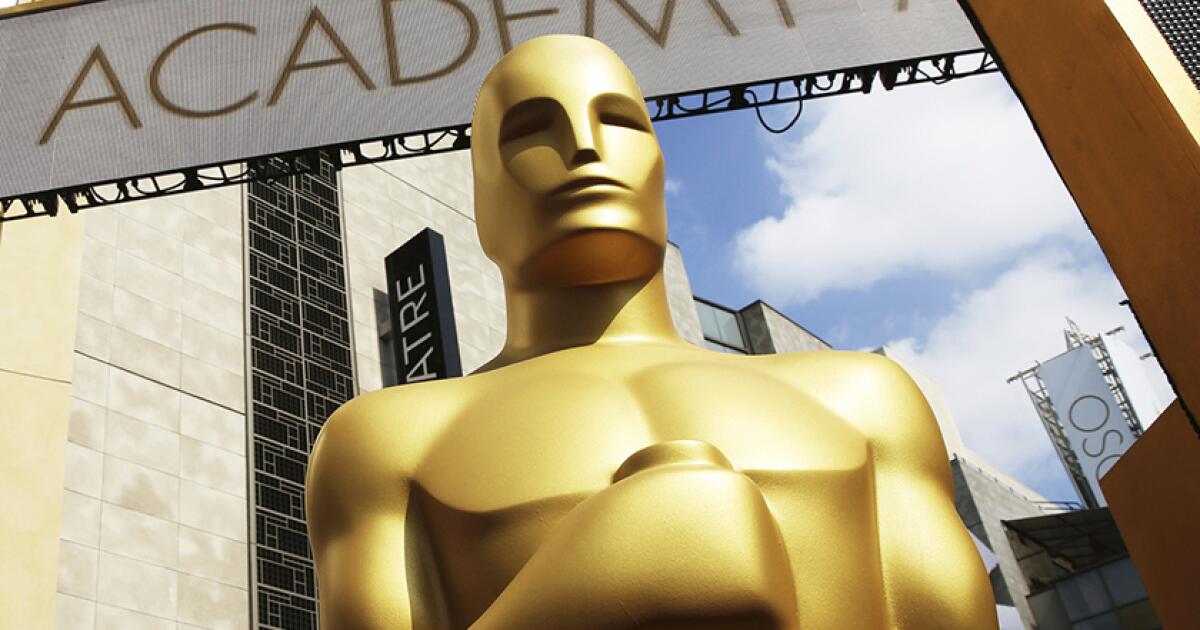
As artificial intelligence becomes more embedded in film production, the Academy of Motion Picture Arts and Sciences is drawing a clearer line around it.
In new rules announced Friday for next year’s 99th Academy Awards, the academy said screenplays must be “human-authored” to be eligible for awards consideration, and that only performances “demonstrably performed by humans with their consent” will qualify for acting prizes. The group also reserved the right to request additional information about how AI tools were used in a film and the extent of human involvement.
The academy’s Board of Governors reviews its rules annually.This year’s revisions arrive as the industry continues to grapple with how AI tools are reshaping the creative process — and how institutions like the Oscars should reward that work, if at all.
The new changes build on guidance introduced a year ago, when the academy said that the use of AI would “neither help nor harm” a film’s chances of receiving a nomination, while emphasizing that voters should consider “the degree to which a human was at the heart of the creative authorship.” At the time, the organization stopped short of requiring formal disclosure of AI use, even as the technology became a flash point across Hollywood.
Taken together, the updated language suggests an effort to more clearly define the boundaries of authorship at a moment when tools such as voice cloning, digital doubles and AI-assisted writing are becoming more common in film production. The emergence of synthetic performers such as Tilly Norwood reflects how quickly those questions have moved from theoretical to practical.
In announcing the new rules, the academy framed the changes as part of an effort to reflect the current state of filmmaking, while maintaining what it called a “commitment to honoring human authorship and artistry.”
Beyond the AI provisions, academy leaders approved several structural changes across different categories.
In acting, performers may now receive multiple nominations in the same category if their performances rank among the top vote-getters, aligning the category with other branches.
The international feature film category also saw a notable shift. In addition to the traditional submission process through individual countries, non-English-language films can now qualify by winning top prizes at select major festivals, including Cannes, Berlin and Sundance. The award will be credited to the film itself, with the director accepting on behalf of the creative team, rather than to a submitting country or region.
Other changes — including updates to voting procedures in categories such as cinematography, visual effects and makeup and hairstyling — were largely technical in nature.
The new rules will take effect with next year’s Oscars, scheduled for March 14, 2027.

As artificial intelligence becomes more embedded in film production, the Academy of Motion Picture Arts and Sciences is drawing a clearer line around it.
In new rules announced Friday for next year’s 99th Academy Awards, the academy said screenplays must be “human-authored” to be eligible for awards consideration, and that only performances “demonstrably performed by humans with their consent” will qualify for acting prizes. The group also reserved the right to request additional information about how AI tools were used in a film and the extent of human involvement.
The academy’s Board of Governors reviews its rules annually.This year’s revisions arrive as the industry continues to grapple with how AI tools are reshaping the creative process — and how institutions like the Oscars should reward that work, if at all.
The new changes build on guidance introduced a year ago, when the academy said that the use of AI would “neither help nor harm” a film’s chances of receiving a nomination, while emphasizing that voters should consider “the degree to which a human was at the heart of the creative authorship.” At the time, the organization stopped short of requiring formal disclosure of AI use, even as the technology became a flash point across Hollywood.
Taken together, the updated language suggests an effort to more clearly define the boundaries of authorship at a moment when tools such as voice cloning, digital doubles and AI-assisted writing are becoming more common in film production. The emergence of synthetic performers such as Tilly Norwood reflects how quickly those questions have moved from theoretical to practical.
In announcing the new rules, the academy framed the changes as part of an effort to reflect the current state of filmmaking, while maintaining what it called a “commitment to honoring human authorship and artistry.”
Beyond the AI provisions, academy leaders approved several structural changes across different categories.
In acting, performers may now receive multiple nominations in the same category if their performances rank among the top vote-getters, aligning the category with other branches.
The international feature film category also saw a notable shift. In addition to the traditional submission process through individual countries, non-English-language films can now qualify by winning top prizes at select major festivals, including Cannes, Berlin and Sundance. The award will be credited to the film itself, with the director accepting on behalf of the creative team, rather than to a submitting country or region.
Other changes — including updates to voting procedures in categories such as cinematography, visual effects and makeup and hairstyling — were largely technical in nature.
The new rules will take effect with next year’s Oscars, scheduled for March 14, 2027.

As artificial intelligence becomes more embedded in film production, the Academy of Motion Picture Arts and Sciences is drawing a clearer line around it.
In new rules announced Friday for next year’s 99th Academy Awards, the academy said screenplays must be “human-authored” to be eligible for awards consideration, and that only performances “demonstrably performed by humans with their consent” will qualify for acting prizes. The group also reserved the right to request additional information about how AI tools were used in a film and the extent of human involvement.
The academy’s Board of Governors reviews its rules annually.This year’s revisions arrive as the industry continues to grapple with how AI tools are reshaping the creative process — and how institutions like the Oscars should reward that work, if at all.
The new changes build on guidance introduced a year ago, when the academy said that the use of AI would “neither help nor harm” a film’s chances of receiving a nomination, while emphasizing that voters should consider “the degree to which a human was at the heart of the creative authorship.” At the time, the organization stopped short of requiring formal disclosure of AI use, even as the technology became a flash point across Hollywood.
Taken together, the updated language suggests an effort to more clearly define the boundaries of authorship at a moment when tools such as voice cloning, digital doubles and AI-assisted writing are becoming more common in film production. The emergence of synthetic performers such as Tilly Norwood reflects how quickly those questions have moved from theoretical to practical.
In announcing the new rules, the academy framed the changes as part of an effort to reflect the current state of filmmaking, while maintaining what it called a “commitment to honoring human authorship and artistry.”
Beyond the AI provisions, academy leaders approved several structural changes across different categories.
In acting, performers may now receive multiple nominations in the same category if their performances rank among the top vote-getters, aligning the category with other branches.
The international feature film category also saw a notable shift. In addition to the traditional submission process through individual countries, non-English-language films can now qualify by winning top prizes at select major festivals, including Cannes, Berlin and Sundance. The award will be credited to the film itself, with the director accepting on behalf of the creative team, rather than to a submitting country or region.
Other changes — including updates to voting procedures in categories such as cinematography, visual effects and makeup and hairstyling — were largely technical in nature.
The new rules will take effect with next year’s Oscars, scheduled for March 14, 2027.
As artificial intelligence becomes more embedded in film production, the Academy of Motion Picture Arts and Sciences is drawing a clearer line around it.
In new rules announced Friday for next year’s 99th Academy Awards, the academy said screenplays must be “human-authored” to be eligible for awards consideration, and that only performances “demonstrably performed by humans with their consent” will qualify for acting prizes. The group also reserved the right to request additional information about how AI tools were used in a film and the extent of human involvement.
The academy’s Board of Governors reviews its rules annually.This year’s revisions arrive as the industry continues to grapple with how AI tools are reshaping the creative process — and how institutions like the Oscars should reward that work, if at all.
The new changes build on guidance introduced a year ago, when the academy said that the use of AI would “neither help nor harm” a film’s chances of receiving a nomination, while emphasizing that voters should consider “the degree to which a human was at the heart of the creative authorship.” At the time, the organization stopped short of requiring formal disclosure of AI use, even as the technology became a flash point across Hollywood.
Taken together, the updated language suggests an effort to more clearly define the boundaries of authorship at a moment when tools such as voice cloning, digital doubles and AI-assisted writing are becoming more common in film production. The emergence of synthetic performers such as Tilly Norwood reflects how quickly those questions have moved from theoretical to practical.
In announcing the new rules, the academy framed the changes as part of an effort to reflect the current state of filmmaking, while maintaining what it called a “commitment to honoring human authorship and artistry.”
Beyond the AI provisions, academy leaders approved several structural changes across different categories.
In acting, performers may now receive multiple nominations in the same category if their performances rank among the top vote-getters, aligning the category with other branches.
The international feature film category also saw a notable shift. In addition to the traditional submission process through individual countries, non-English-language films can now qualify by winning top prizes at select major festivals, including Cannes, Berlin and Sundance. The award will be credited to the film itself, with the director accepting on behalf of the creative team, rather than to a submitting country or region.
Other changes — including updates to voting procedures in categories such as cinematography, visual effects and makeup and hairstyling — were largely technical in nature.
The new rules will take effect with next year’s Oscars, scheduled for March 14, 2027.

As artificial intelligence becomes more embedded in film production, the Academy of Motion Picture Arts and Sciences is drawing a clearer line around it.
In new rules announced Friday for next year’s 99th Academy Awards, the academy said screenplays must be “human-authored” to be eligible for awards consideration, and that only performances “demonstrably performed by humans with their consent” will qualify for acting prizes. The group also reserved the right to request additional information about how AI tools were used in a film and the extent of human involvement.
The academy’s Board of Governors reviews its rules annually.This year’s revisions arrive as the industry continues to grapple with how AI tools are reshaping the creative process — and how institutions like the Oscars should reward that work, if at all.
The new changes build on guidance introduced a year ago, when the academy said that the use of AI would “neither help nor harm” a film’s chances of receiving a nomination, while emphasizing that voters should consider “the degree to which a human was at the heart of the creative authorship.” At the time, the organization stopped short of requiring formal disclosure of AI use, even as the technology became a flash point across Hollywood.
Taken together, the updated language suggests an effort to more clearly define the boundaries of authorship at a moment when tools such as voice cloning, digital doubles and AI-assisted writing are becoming more common in film production. The emergence of synthetic performers such as Tilly Norwood reflects how quickly those questions have moved from theoretical to practical.
In announcing the new rules, the academy framed the changes as part of an effort to reflect the current state of filmmaking, while maintaining what it called a “commitment to honoring human authorship and artistry.”
Beyond the AI provisions, academy leaders approved several structural changes across different categories.
In acting, performers may now receive multiple nominations in the same category if their performances rank among the top vote-getters, aligning the category with other branches.
The international feature film category also saw a notable shift. In addition to the traditional submission process through individual countries, non-English-language films can now qualify by winning top prizes at select major festivals, including Cannes, Berlin and Sundance. The award will be credited to the film itself, with the director accepting on behalf of the creative team, rather than to a submitting country or region.
Other changes — including updates to voting procedures in categories such as cinematography, visual effects and makeup and hairstyling — were largely technical in nature.
The new rules will take effect with next year’s Oscars, scheduled for March 14, 2027.
As artificial intelligence becomes more embedded in film production, the Academy of Motion Picture Arts and Sciences is drawing a clearer line around it.
In new rules announced Friday for next year’s 99th Academy Awards, the academy said screenplays must be “human-authored” to be eligible for awards consideration, and that only performances “demonstrably performed by humans with their consent” will qualify for acting prizes. The group also reserved the right to request additional information about how AI tools were used in a film and the extent of human involvement.
The academy’s Board of Governors reviews its rules annually.This year’s revisions arrive as the industry continues to grapple with how AI tools are reshaping the creative process — and how institutions like the Oscars should reward that work, if at all.
The new changes build on guidance introduced a year ago, when the academy said that the use of AI would “neither help nor harm” a film’s chances of receiving a nomination, while emphasizing that voters should consider “the degree to which a human was at the heart of the creative authorship.” At the time, the organization stopped short of requiring formal disclosure of AI use, even as the technology became a flash point across Hollywood.
Taken together, the updated language suggests an effort to more clearly define the boundaries of authorship at a moment when tools such as voice cloning, digital doubles and AI-assisted writing are becoming more common in film production. The emergence of synthetic performers such as Tilly Norwood reflects how quickly those questions have moved from theoretical to practical.
In announcing the new rules, the academy framed the changes as part of an effort to reflect the current state of filmmaking, while maintaining what it called a “commitment to honoring human authorship and artistry.”
Beyond the AI provisions, academy leaders approved several structural changes across different categories.
In acting, performers may now receive multiple nominations in the same category if their performances rank among the top vote-getters, aligning the category with other branches.
The international feature film category also saw a notable shift. In addition to the traditional submission process through individual countries, non-English-language films can now qualify by winning top prizes at select major festivals, including Cannes, Berlin and Sundance. The award will be credited to the film itself, with the director accepting on behalf of the creative team, rather than to a submitting country or region.
Other changes — including updates to voting procedures in categories such as cinematography, visual effects and makeup and hairstyling — were largely technical in nature.
The new rules will take effect with next year’s Oscars, scheduled for March 14, 2027.
As artificial intelligence becomes more embedded in film production, the Academy of Motion Picture Arts and Sciences is drawing a clearer line around it.
In new rules announced Friday for next year’s 99th Academy Awards, the academy said screenplays must be “human-authored” to be eligible for awards consideration, and that only performances “demonstrably performed by humans with their consent” will qualify for acting prizes. The group also reserved the right to request additional information about how AI tools were used in a film and the extent of human involvement.
The academy’s Board of Governors reviews its rules annually.This year’s revisions arrive as the industry continues to grapple with how AI tools are reshaping the creative process — and how institutions like the Oscars should reward that work, if at all.
The new changes build on guidance introduced a year ago, when the academy said that the use of AI would “neither help nor harm” a film’s chances of receiving a nomination, while emphasizing that voters should consider “the degree to which a human was at the heart of the creative authorship.” At the time, the organization stopped short of requiring formal disclosure of AI use, even as the technology became a flash point across Hollywood.
Taken together, the updated language suggests an effort to more clearly define the boundaries of authorship at a moment when tools such as voice cloning, digital doubles and AI-assisted writing are becoming more common in film production. The emergence of synthetic performers such as Tilly Norwood reflects how quickly those questions have moved from theoretical to practical.
In announcing the new rules, the academy framed the changes as part of an effort to reflect the current state of filmmaking, while maintaining what it called a “commitment to honoring human authorship and artistry.”
Beyond the AI provisions, academy leaders approved several structural changes across different categories.
In acting, performers may now receive multiple nominations in the same category if their performances rank among the top vote-getters, aligning the category with other branches.
The international feature film category also saw a notable shift. In addition to the traditional submission process through individual countries, non-English-language films can now qualify by winning top prizes at select major festivals, including Cannes, Berlin and Sundance. The award will be credited to the film itself, with the director accepting on behalf of the creative team, rather than to a submitting country or region.
Other changes — including updates to voting procedures in categories such as cinematography, visual effects and makeup and hairstyling — were largely technical in nature.
The new rules will take effect with next year’s Oscars, scheduled for March 14, 2027.
As artificial intelligence becomes more embedded in film production, the Academy of Motion Picture Arts and Sciences is drawing a clearer line around it.
In new rules announced Friday for next year’s 99th Academy Awards, the academy said screenplays must be “human-authored” to be eligible for awards consideration, and that only performances “demonstrably performed by humans with their consent” will qualify for acting prizes. The group also reserved the right to request additional information about how AI tools were used in a film and the extent of human involvement.
The academy’s Board of Governors reviews its rules annually.This year’s revisions arrive as the industry continues to grapple with how AI tools are reshaping the creative process — and how institutions like the Oscars should reward that work, if at all.
The new changes build on guidance introduced a year ago, when the academy said that the use of AI would “neither help nor harm” a film’s chances of receiving a nomination, while emphasizing that voters should consider “the degree to which a human was at the heart of the creative authorship.” At the time, the organization stopped short of requiring formal disclosure of AI use, even as the technology became a flash point across Hollywood.
Taken together, the updated language suggests an effort to more clearly define the boundaries of authorship at a moment when tools such as voice cloning, digital doubles and AI-assisted writing are becoming more common in film production. The emergence of synthetic performers such as Tilly Norwood reflects how quickly those questions have moved from theoretical to practical.
In announcing the new rules, the academy framed the changes as part of an effort to reflect the current state of filmmaking, while maintaining what it called a “commitment to honoring human authorship and artistry.”
Beyond the AI provisions, academy leaders approved several structural changes across different categories.
In acting, performers may now receive multiple nominations in the same category if their performances rank among the top vote-getters, aligning the category with other branches.
The international feature film category also saw a notable shift. In addition to the traditional submission process through individual countries, non-English-language films can now qualify by winning top prizes at select major festivals, including Cannes, Berlin and Sundance. The award will be credited to the film itself, with the director accepting on behalf of the creative team, rather than to a submitting country or region.
Other changes — including updates to voting procedures in categories such as cinematography, visual effects and makeup and hairstyling — were largely technical in nature.
The new rules will take effect with next year’s Oscars, scheduled for March 14, 2027.