

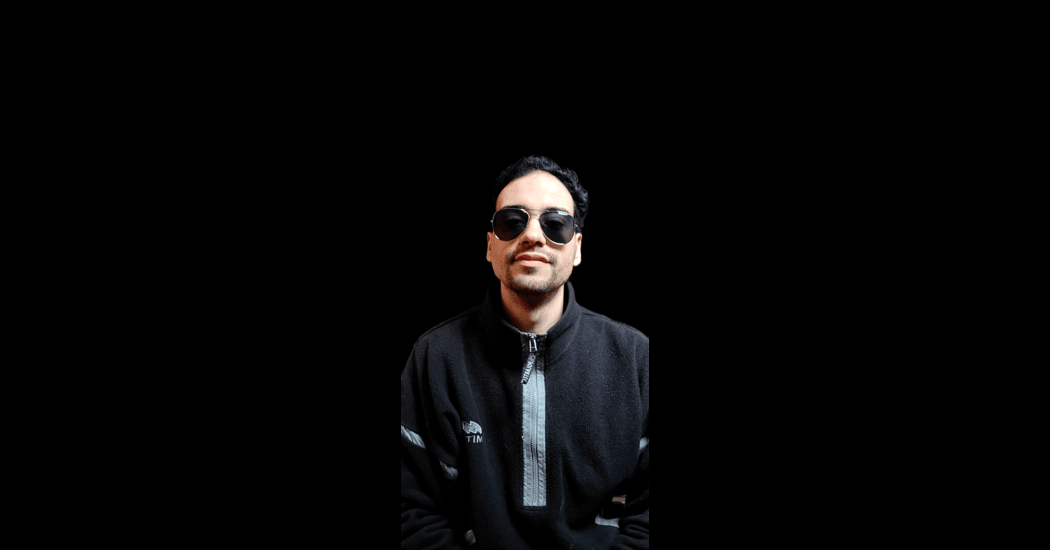
For most couples around the world, holding hands in public is a simple gesture of affection. For Mimoun Kabdani, a gay man from Morocco, that same gesture led to a violent assault that left him physically injured and emotionally shaken.
On February 26, Kabdani was walking with his boyfriend in broad daylight on a public street when several men confronted them after noticing the couple holding hands. What began as verbal insults quickly escalated into violence. According to Kabdani, four attackers physically assaulted him, striking him repeatedly and shouting accusations rooted in religious condemnation.
The attack left Kabdani with visible injuries, including facial scars and a broken tooth. While the physical wounds were severe, the psychological impact proved even more lasting. For Kabdani, the incident confirmed a reality many LGBTQ+ individuals in Morocco already know: public visibility can carry serious risks.
Violence Rooted in Criminalization
Human rights advocates say such attacks do not occur in isolation. Morocco’s legal framework continues to criminalize same-sex relationships under Article 489 of the Moroccan Penal Code, which punishes “lewd or unnatural acts with an individual of the same sex.” Those convicted can face prison sentences ranging from six months to three years, along with financial penalties.
Although the law is sometimes defended as a moral or cultural safeguard, critics argue that it contributes to a climate where discrimination and violence are normalized. When same-sex relationships are treated as criminal behavior under the law, attackers may feel emboldened, believing their actions reflect broader societal norms.
Legal criminalization also creates barriers to protection. LGBTQ+ individuals who experience harassment or violence may hesitate to report crimes to authorities out of fear that they themselves could be investigated or prosecuted.
A Double Layer of Vulnerability
Kabdani’s situation is further complicated by another aspect of his identity: he identifies as an atheist after leaving Islam. In Morocco, where religion plays a central role in social life, openly rejecting Islam can provoke strong reactions from communities and families.
Although the Moroccan constitution references freedom of belief, public expressions of atheism remain socially sensitive and can lead to ostracism or threats. This combination of identities being both openly gay and openly atheist places Kabdani in a particularly vulnerable position.

Human rights observers often describe such situations as “intersectional vulnerability,” where multiple aspects of identity combine to increase exposure to discrimination and hostility.
Fear of Seeking Justice
For victims like Kabdani, seeking justice can be complicated. In theory, individuals who experience assault can file complaints with law enforcement authorities. In practice, LGBTQ+ people in Morocco often hesitate to do so.
Human rights organizations have documented cases in which victims reporting violence were themselves investigated or detained under laws criminalizing same-sex conduct. This creates a chilling effect, discouraging victims from reporting abuse and allowing many attacks to go unpunished.
As a result, many members of the LGBTQ+ community rely on informal support networks rather than official legal channels.
Social Pressure and Hidden Lives
Beyond the risk of violence and legal penalties, LGBTQ+ individuals in Morocco frequently face intense social pressure. Traditional expectations emphasize heterosexual marriage, religious observance, and conformity to established family roles.
Deviation from these norms can lead to social isolation or family conflict. For many individuals, maintaining secrecy becomes a strategy for survival.

This constant need for concealment carries a significant psychological burden. Fear of exposure, self-censorship, and the stress of hiding one’s identity can contribute to long-term mental health challenges.
Even in larger cities where anonymity may be easier, the underlying legal framework remains unchanged.
International Commitments and Human Rights Concerns
Morocco is a signatory to several international human rights treaties, including the International Covenant on Civil and Political Rights, which guarantees protections related to privacy, equality before the law, and freedom of thought and belief.
International human rights bodies have repeatedly stated that criminalization of consensual same-sex relationships conflicts with these protections. Despite these commitments, Article 489 remains in force, and explicit anti-discrimination protections for LGBTQ+ individuals are absent from Moroccan law.
Human rights advocates argue that this gap between international commitments and domestic legislation leaves vulnerable communities without adequate protection.
A Broader Pattern
Kabdani’s experience reflects a broader pattern reported by LGBTQ+ rights organizations. Cases of harassment, arrests, and public shaming have periodically surfaced across the country, sometimes amplified by social media exposure.
These incidents highlight the challenges faced by individuals whose identities diverge from dominant social expectations. In such an environment, personal safety and freedom of expression can become deeply intertwined with legal and cultural constraints.

Recent incidents circulating online further illustrate the dangers LGBTQ+ individuals can face in public spaces in Morocco. In a widely shared video posted on YouTube, a man believed to be gay is seen being confronted and physically attacked in the street after being targeted because of his perceived sexual orientation. The footage, reportedly filmed in Morocco, has drawn concern among human rights observers and activists, who say such incidents highlight the continuing risks of harassment and violence faced by sexual minorities in the country.
The Need for Dialogue and Reform
Advocates for human rights emphasize that meaningful progress requires both legal reforms and broader social dialogue. Decriminalization of same-sex relationships, stronger protections against violence, and public education about equality are frequently cited as steps toward a safer environment for all citizens.
For individuals like Mimoun Kabdani, however, the issue is not abstract policy. It is a lived reality shaped by fear, resilience, and the hope for a society where personal identity does not place someone at risk of violence. Until such changes occur, cases like Kabdani’s serve as reminders that simple acts of affection such as holding a partner’s hand can still carry profound consequences in parts of the world.


