Friday, April 17, 2026
Washington DC
New York
Toronto
Distribution: (800) 510 9863
Press ID
  • Login
RH NEWSROOM National News and Press Releases. Local and Regional Perspectives. Media Advisories.
Yonkers Observer
  • Home
  • World
  • Politics
  • Finance
  • Technology
  • Health
  • Culture
  • Entertainment
  • Trend
No Result
View All Result
  • Home
  • World
  • Politics
  • Finance
  • Technology
  • Health
  • Culture
  • Entertainment
  • Trend
No Result
View All Result
Yonkers Observer
No Result
View All Result
Home Entertainment

Supertramp’s Rick Davies, who sang ‘Goodbye Stranger,’ dies at 81

by Yonkers Observer Report
September 8, 2025
in Entertainment
Share on FacebookShare on Twitter

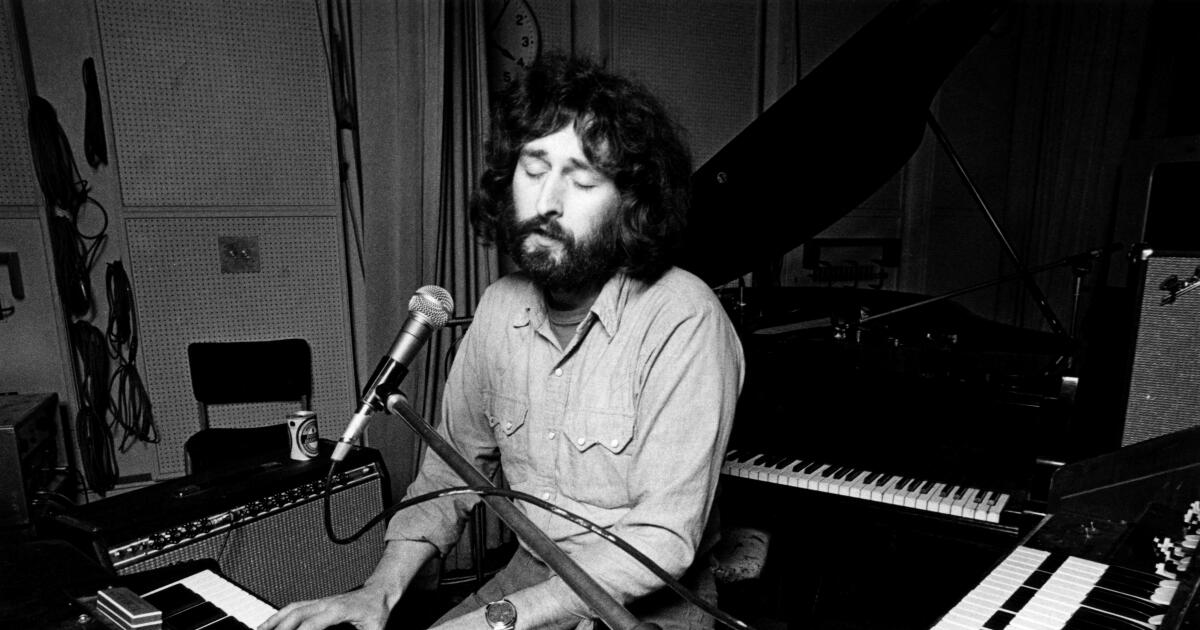
Rick Davies, who with his partner Roger Hodgson co-founded the British rock group Supertramp and served as one of its two lead singers, died Saturday in East Hampton, N.Y. He was 81.

His death was announced in a statement on Supertramp’s website, which said Davies battled multiple myeloma for more than a decade. The statement described Davies as “the voice and pianist behind Supertramp’s most iconic songs” and said his “soulful vocals and unmistakable touch on the Wurlitzer” formed the “heartbeat” of the band’s sound.

Davies’ keyboard playing was perhaps best showcased in Supertramp’s “Goodbye Stranger,” a Top 20 pop hit about an unrepentant drifter that helped drive the band’s 1979 album “Breakfast in America” to quadruple-platinum sales in the United States and a Grammy nomination for album of the year. In 1999, the director Paul Thomas Anderson memorably used “Goodbye Stranger” to soundtrack a dramatic scene starring William H. Macy in the movie “Magnolia.”

Davies was born in 1944 in Swindon, England, and fell in love with music after hearing Gene Krupa’s “Drummin’ Man,” according to Supertramp’s statement. In college he played in a short-lived band with Gilbert O’Sullivan; he formed Supertramp (which was first called Daddy) after Hodgson responded to an ad he’d placed in England’s Melody Maker in 1969.

Supertramp released its self-titled debut in 1970 and released a follow-up the next year; neither garnered much interest. (Rolling Stone called the band’s early prog-rock work “rhythmically underfed” and “lyrically facile.”) Yet Supertramp scored a hit with the funky “Bloody Well Right,” which Davies wrote for 1974’s “Crime of the Century” LP and which prominently featured his electric piano.

Among the other hits that followed were “Give a Little Bit” and “The Logical Song” — both of which have more than 500 million streams on Spotify — as well as “Breakfast in America,” “Take the Long Way Home” and “It’s Raining Again.” Despite the band’s success, Hodgson quit Supertramp after 1982’s “Famous Last Words” album. He later told The Times that the group “became stagnant, and I personally just couldn’t grow anymore.”

Davies carried on without Hodgson, recording and touring intermittently under the Supertramp name until the early 2010s. When his health prevented him from going on the road, he played close to home on Long Island with a group called Ricky and the Rockets. Davies’ survivors include his wife, Sue Davies, who also managed his career.

Rick Davies, who with his partner Roger Hodgson co-founded the British rock group Supertramp and served as one of its two lead singers, died Saturday in East Hampton, N.Y. He was 81.

His death was announced in a statement on Supertramp’s website, which said Davies battled multiple myeloma for more than a decade. The statement described Davies as “the voice and pianist behind Supertramp’s most iconic songs” and said his “soulful vocals and unmistakable touch on the Wurlitzer” formed the “heartbeat” of the band’s sound.

Davies’ keyboard playing was perhaps best showcased in Supertramp’s “Goodbye Stranger,” a Top 20 pop hit about an unrepentant drifter that helped drive the band’s 1979 album “Breakfast in America” to quadruple-platinum sales in the United States and a Grammy nomination for album of the year. In 1999, the director Paul Thomas Anderson memorably used “Goodbye Stranger” to soundtrack a dramatic scene starring William H. Macy in the movie “Magnolia.”

Davies was born in 1944 in Swindon, England, and fell in love with music after hearing Gene Krupa’s “Drummin’ Man,” according to Supertramp’s statement. In college he played in a short-lived band with Gilbert O’Sullivan; he formed Supertramp (which was first called Daddy) after Hodgson responded to an ad he’d placed in England’s Melody Maker in 1969.

Supertramp released its self-titled debut in 1970 and released a follow-up the next year; neither garnered much interest. (Rolling Stone called the band’s early prog-rock work “rhythmically underfed” and “lyrically facile.”) Yet Supertramp scored a hit with the funky “Bloody Well Right,” which Davies wrote for 1974’s “Crime of the Century” LP and which prominently featured his electric piano.

Among the other hits that followed were “Give a Little Bit” and “The Logical Song” — both of which have more than 500 million streams on Spotify — as well as “Breakfast in America,” “Take the Long Way Home” and “It’s Raining Again.” Despite the band’s success, Hodgson quit Supertramp after 1982’s “Famous Last Words” album. He later told The Times that the group “became stagnant, and I personally just couldn’t grow anymore.”

Davies carried on without Hodgson, recording and touring intermittently under the Supertramp name until the early 2010s. When his health prevented him from going on the road, he played close to home on Long Island with a group called Ricky and the Rockets. Davies’ survivors include his wife, Sue Davies, who also managed his career.


Rick Davies, who with his partner Roger Hodgson co-founded the British rock group Supertramp and served as one of its two lead singers, died Saturday in East Hampton, N.Y. He was 81.

His death was announced in a statement on Supertramp’s website, which said Davies battled multiple myeloma for more than a decade. The statement described Davies as “the voice and pianist behind Supertramp’s most iconic songs” and said his “soulful vocals and unmistakable touch on the Wurlitzer” formed the “heartbeat” of the band’s sound.

Davies’ keyboard playing was perhaps best showcased in Supertramp’s “Goodbye Stranger,” a Top 20 pop hit about an unrepentant drifter that helped drive the band’s 1979 album “Breakfast in America” to quadruple-platinum sales in the United States and a Grammy nomination for album of the year. In 1999, the director Paul Thomas Anderson memorably used “Goodbye Stranger” to soundtrack a dramatic scene starring William H. Macy in the movie “Magnolia.”

Davies was born in 1944 in Swindon, England, and fell in love with music after hearing Gene Krupa’s “Drummin’ Man,” according to Supertramp’s statement. In college he played in a short-lived band with Gilbert O’Sullivan; he formed Supertramp (which was first called Daddy) after Hodgson responded to an ad he’d placed in England’s Melody Maker in 1969.

Supertramp released its self-titled debut in 1970 and released a follow-up the next year; neither garnered much interest. (Rolling Stone called the band’s early prog-rock work “rhythmically underfed” and “lyrically facile.”) Yet Supertramp scored a hit with the funky “Bloody Well Right,” which Davies wrote for 1974’s “Crime of the Century” LP and which prominently featured his electric piano.

Among the other hits that followed were “Give a Little Bit” and “The Logical Song” — both of which have more than 500 million streams on Spotify — as well as “Breakfast in America,” “Take the Long Way Home” and “It’s Raining Again.” Despite the band’s success, Hodgson quit Supertramp after 1982’s “Famous Last Words” album. He later told The Times that the group “became stagnant, and I personally just couldn’t grow anymore.”

Davies carried on without Hodgson, recording and touring intermittently under the Supertramp name until the early 2010s. When his health prevented him from going on the road, he played close to home on Long Island with a group called Ricky and the Rockets. Davies’ survivors include his wife, Sue Davies, who also managed his career.

Rick Davies, who with his partner Roger Hodgson co-founded the British rock group Supertramp and served as one of its two lead singers, died Saturday in East Hampton, N.Y. He was 81.

His death was announced in a statement on Supertramp’s website, which said Davies battled multiple myeloma for more than a decade. The statement described Davies as “the voice and pianist behind Supertramp’s most iconic songs” and said his “soulful vocals and unmistakable touch on the Wurlitzer” formed the “heartbeat” of the band’s sound.

Davies’ keyboard playing was perhaps best showcased in Supertramp’s “Goodbye Stranger,” a Top 20 pop hit about an unrepentant drifter that helped drive the band’s 1979 album “Breakfast in America” to quadruple-platinum sales in the United States and a Grammy nomination for album of the year. In 1999, the director Paul Thomas Anderson memorably used “Goodbye Stranger” to soundtrack a dramatic scene starring William H. Macy in the movie “Magnolia.”

Davies was born in 1944 in Swindon, England, and fell in love with music after hearing Gene Krupa’s “Drummin’ Man,” according to Supertramp’s statement. In college he played in a short-lived band with Gilbert O’Sullivan; he formed Supertramp (which was first called Daddy) after Hodgson responded to an ad he’d placed in England’s Melody Maker in 1969.

Supertramp released its self-titled debut in 1970 and released a follow-up the next year; neither garnered much interest. (Rolling Stone called the band’s early prog-rock work “rhythmically underfed” and “lyrically facile.”) Yet Supertramp scored a hit with the funky “Bloody Well Right,” which Davies wrote for 1974’s “Crime of the Century” LP and which prominently featured his electric piano.

Among the other hits that followed were “Give a Little Bit” and “The Logical Song” — both of which have more than 500 million streams on Spotify — as well as “Breakfast in America,” “Take the Long Way Home” and “It’s Raining Again.” Despite the band’s success, Hodgson quit Supertramp after 1982’s “Famous Last Words” album. He later told The Times that the group “became stagnant, and I personally just couldn’t grow anymore.”

Davies carried on without Hodgson, recording and touring intermittently under the Supertramp name until the early 2010s. When his health prevented him from going on the road, he played close to home on Long Island with a group called Ricky and the Rockets. Davies’ survivors include his wife, Sue Davies, who also managed his career.

Rick Davies, who with his partner Roger Hodgson co-founded the British rock group Supertramp and served as one of its two lead singers, died Saturday in East Hampton, N.Y. He was 81.

His death was announced in a statement on Supertramp’s website, which said Davies battled multiple myeloma for more than a decade. The statement described Davies as “the voice and pianist behind Supertramp’s most iconic songs” and said his “soulful vocals and unmistakable touch on the Wurlitzer” formed the “heartbeat” of the band’s sound.

Davies’ keyboard playing was perhaps best showcased in Supertramp’s “Goodbye Stranger,” a Top 20 pop hit about an unrepentant drifter that helped drive the band’s 1979 album “Breakfast in America” to quadruple-platinum sales in the United States and a Grammy nomination for album of the year. In 1999, the director Paul Thomas Anderson memorably used “Goodbye Stranger” to soundtrack a dramatic scene starring William H. Macy in the movie “Magnolia.”

Davies was born in 1944 in Swindon, England, and fell in love with music after hearing Gene Krupa’s “Drummin’ Man,” according to Supertramp’s statement. In college he played in a short-lived band with Gilbert O’Sullivan; he formed Supertramp (which was first called Daddy) after Hodgson responded to an ad he’d placed in England’s Melody Maker in 1969.

Supertramp released its self-titled debut in 1970 and released a follow-up the next year; neither garnered much interest. (Rolling Stone called the band’s early prog-rock work “rhythmically underfed” and “lyrically facile.”) Yet Supertramp scored a hit with the funky “Bloody Well Right,” which Davies wrote for 1974’s “Crime of the Century” LP and which prominently featured his electric piano.

Among the other hits that followed were “Give a Little Bit” and “The Logical Song” — both of which have more than 500 million streams on Spotify — as well as “Breakfast in America,” “Take the Long Way Home” and “It’s Raining Again.” Despite the band’s success, Hodgson quit Supertramp after 1982’s “Famous Last Words” album. He later told The Times that the group “became stagnant, and I personally just couldn’t grow anymore.”

Davies carried on without Hodgson, recording and touring intermittently under the Supertramp name until the early 2010s. When his health prevented him from going on the road, he played close to home on Long Island with a group called Ricky and the Rockets. Davies’ survivors include his wife, Sue Davies, who also managed his career.

Rick Davies, who with his partner Roger Hodgson co-founded the British rock group Supertramp and served as one of its two lead singers, died Saturday in East Hampton, N.Y. He was 81.

His death was announced in a statement on Supertramp’s website, which said Davies battled multiple myeloma for more than a decade. The statement described Davies as “the voice and pianist behind Supertramp’s most iconic songs” and said his “soulful vocals and unmistakable touch on the Wurlitzer” formed the “heartbeat” of the band’s sound.

Davies’ keyboard playing was perhaps best showcased in Supertramp’s “Goodbye Stranger,” a Top 20 pop hit about an unrepentant drifter that helped drive the band’s 1979 album “Breakfast in America” to quadruple-platinum sales in the United States and a Grammy nomination for album of the year. In 1999, the director Paul Thomas Anderson memorably used “Goodbye Stranger” to soundtrack a dramatic scene starring William H. Macy in the movie “Magnolia.”

Davies was born in 1944 in Swindon, England, and fell in love with music after hearing Gene Krupa’s “Drummin’ Man,” according to Supertramp’s statement. In college he played in a short-lived band with Gilbert O’Sullivan; he formed Supertramp (which was first called Daddy) after Hodgson responded to an ad he’d placed in England’s Melody Maker in 1969.

Supertramp released its self-titled debut in 1970 and released a follow-up the next year; neither garnered much interest. (Rolling Stone called the band’s early prog-rock work “rhythmically underfed” and “lyrically facile.”) Yet Supertramp scored a hit with the funky “Bloody Well Right,” which Davies wrote for 1974’s “Crime of the Century” LP and which prominently featured his electric piano.

Among the other hits that followed were “Give a Little Bit” and “The Logical Song” — both of which have more than 500 million streams on Spotify — as well as “Breakfast in America,” “Take the Long Way Home” and “It’s Raining Again.” Despite the band’s success, Hodgson quit Supertramp after 1982’s “Famous Last Words” album. He later told The Times that the group “became stagnant, and I personally just couldn’t grow anymore.”

Davies carried on without Hodgson, recording and touring intermittently under the Supertramp name until the early 2010s. When his health prevented him from going on the road, he played close to home on Long Island with a group called Ricky and the Rockets. Davies’ survivors include his wife, Sue Davies, who also managed his career.

Rick Davies, who with his partner Roger Hodgson co-founded the British rock group Supertramp and served as one of its two lead singers, died Saturday in East Hampton, N.Y. He was 81.

His death was announced in a statement on Supertramp’s website, which said Davies battled multiple myeloma for more than a decade. The statement described Davies as “the voice and pianist behind Supertramp’s most iconic songs” and said his “soulful vocals and unmistakable touch on the Wurlitzer” formed the “heartbeat” of the band’s sound.

Davies’ keyboard playing was perhaps best showcased in Supertramp’s “Goodbye Stranger,” a Top 20 pop hit about an unrepentant drifter that helped drive the band’s 1979 album “Breakfast in America” to quadruple-platinum sales in the United States and a Grammy nomination for album of the year. In 1999, the director Paul Thomas Anderson memorably used “Goodbye Stranger” to soundtrack a dramatic scene starring William H. Macy in the movie “Magnolia.”

Davies was born in 1944 in Swindon, England, and fell in love with music after hearing Gene Krupa’s “Drummin’ Man,” according to Supertramp’s statement. In college he played in a short-lived band with Gilbert O’Sullivan; he formed Supertramp (which was first called Daddy) after Hodgson responded to an ad he’d placed in England’s Melody Maker in 1969.

Supertramp released its self-titled debut in 1970 and released a follow-up the next year; neither garnered much interest. (Rolling Stone called the band’s early prog-rock work “rhythmically underfed” and “lyrically facile.”) Yet Supertramp scored a hit with the funky “Bloody Well Right,” which Davies wrote for 1974’s “Crime of the Century” LP and which prominently featured his electric piano.

Among the other hits that followed were “Give a Little Bit” and “The Logical Song” — both of which have more than 500 million streams on Spotify — as well as “Breakfast in America,” “Take the Long Way Home” and “It’s Raining Again.” Despite the band’s success, Hodgson quit Supertramp after 1982’s “Famous Last Words” album. He later told The Times that the group “became stagnant, and I personally just couldn’t grow anymore.”

Davies carried on without Hodgson, recording and touring intermittently under the Supertramp name until the early 2010s. When his health prevented him from going on the road, he played close to home on Long Island with a group called Ricky and the Rockets. Davies’ survivors include his wife, Sue Davies, who also managed his career.

Rick Davies, who with his partner Roger Hodgson co-founded the British rock group Supertramp and served as one of its two lead singers, died Saturday in East Hampton, N.Y. He was 81.

His death was announced in a statement on Supertramp’s website, which said Davies battled multiple myeloma for more than a decade. The statement described Davies as “the voice and pianist behind Supertramp’s most iconic songs” and said his “soulful vocals and unmistakable touch on the Wurlitzer” formed the “heartbeat” of the band’s sound.

Davies’ keyboard playing was perhaps best showcased in Supertramp’s “Goodbye Stranger,” a Top 20 pop hit about an unrepentant drifter that helped drive the band’s 1979 album “Breakfast in America” to quadruple-platinum sales in the United States and a Grammy nomination for album of the year. In 1999, the director Paul Thomas Anderson memorably used “Goodbye Stranger” to soundtrack a dramatic scene starring William H. Macy in the movie “Magnolia.”

Davies was born in 1944 in Swindon, England, and fell in love with music after hearing Gene Krupa’s “Drummin’ Man,” according to Supertramp’s statement. In college he played in a short-lived band with Gilbert O’Sullivan; he formed Supertramp (which was first called Daddy) after Hodgson responded to an ad he’d placed in England’s Melody Maker in 1969.

Supertramp released its self-titled debut in 1970 and released a follow-up the next year; neither garnered much interest. (Rolling Stone called the band’s early prog-rock work “rhythmically underfed” and “lyrically facile.”) Yet Supertramp scored a hit with the funky “Bloody Well Right,” which Davies wrote for 1974’s “Crime of the Century” LP and which prominently featured his electric piano.

Among the other hits that followed were “Give a Little Bit” and “The Logical Song” — both of which have more than 500 million streams on Spotify — as well as “Breakfast in America,” “Take the Long Way Home” and “It’s Raining Again.” Despite the band’s success, Hodgson quit Supertramp after 1982’s “Famous Last Words” album. He later told The Times that the group “became stagnant, and I personally just couldn’t grow anymore.”

Davies carried on without Hodgson, recording and touring intermittently under the Supertramp name until the early 2010s. When his health prevented him from going on the road, he played close to home on Long Island with a group called Ricky and the Rockets. Davies’ survivors include his wife, Sue Davies, who also managed his career.

Leave a Reply Cancel reply

Your email address will not be published. Required fields are marked *

Recommended

U.S.A.I.D. Workers Brace for the Worst

1 year ago

‘The Twisted Tale of Amanda Knox’ review: A retelling of a true story

8 months ago

20 Years After U.S. Invasion, Iraq Is a Freer Place, but Not a Hopeful One

3 years ago
Daniel Sigua

Acción Democrática Nacional Appoints Daniel Sigua to Lead Europe, Asia, and Oceania

7 months ago
Yonkers Observer

© 2025 Yonkers Observer or its affiliated companies.

Navigate Site

  • About
  • Advertise
  • Terms & Conditions
  • Privacy Policy
  • Disclaimer
  • Contact

Follow Us

No Result
View All Result
  • Home
  • World
  • Politics
  • Finance
  • Technology
  • Health
  • Culture
  • Entertainment
  • Trend

© 2025 Yonkers Observer or its affiliated companies.

Welcome Back!

Login to your account below

Forgotten Password?

Retrieve your password

Please enter your username or email address to reset your password.

Log In