Author: Florian Jäger
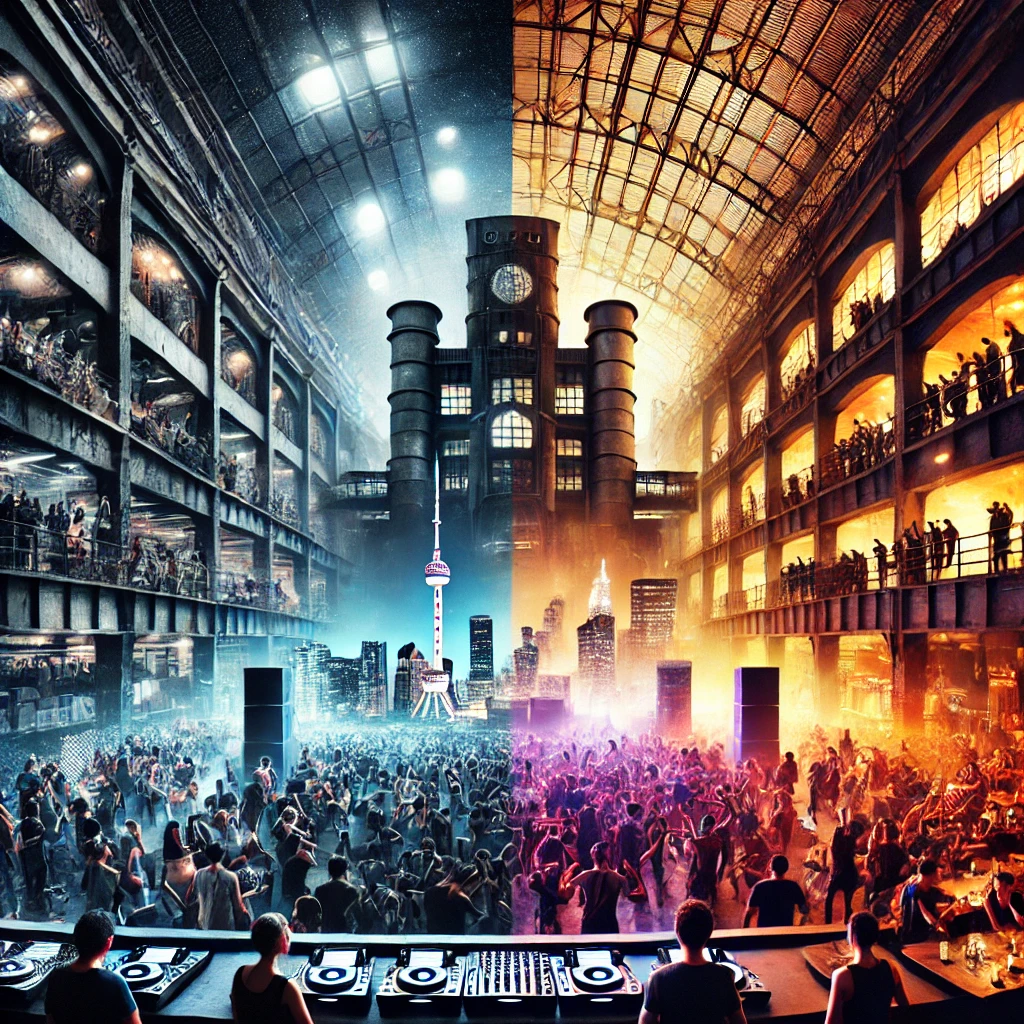
While Berlin’s techno scene is synonymous with industrial grit and countercultural history, Southeast Asia’s emerging scenes offer a fascinating counterpoint.

Berlin’s techno identity is rooted in rebellion. Post-reunification, the city’s abandoned factories and power stations became temples for a generation seeking freedom, experimentation, and communal catharsis. Clubs like Berghain, Tresor, and ://about blank are pilgrimage sites, known for marathon parties, strict door policies, and a sound that leans toward hard, hypnotic, and minimalist techno. The music here is often a physical experience, amplified by colossal sound systems and venues that feel like dystopian art installations.

In Berlin Techno isn’t just entertainment; it’s a political statement, a rejection of mainstream norms, and a celebration of queer and marginalized communities. The city’s affordability (in earlier decades) and “poor but sexy” ethos allowed collectives and DIY spaces to thrive. Even as gentrification encroaches, Berlin remains a global techno capital, setting trends and exporting its uncompromising aesthetic.
In contrast, Singapore and Malaysia’s techno scenes are shaped by vastly different social, political, and climatic contexts.

Singapore, a hyper-modern city-state, balances its techno culture with strict regulations. Clubs like Headquarters and Kilo Lounge host techno nights, but licensing laws and noise restrictions limit all-night parties. The sound here often incorporates melodic, progressive, and tech-house influences, reflecting Singapore’s multicultural identity and its proximity to mainstream EDM trends. Producers and DJs, such as Intriguant or Fauxe, blend techno with Southeast Asian instrumentation or samples, creating a fusion that nods to local heritage.
Meanwhile, Malaysia’s underground scene thrives despite conservative societal norms and religious pressures. In Kuala Lumpur, collectives like Kult Collective and Sweatbox organize clandestine warehouse raves and beach parties, often evading authorities. The music leans raw and experimental, with artists like J. Kyo and Juno infusing techno with elements of jungle, dub, or traditional Malay rhythms. Events here feel urgent and rebellious, a stark contrast to Singapore’s polished venues.