
Sunday, May 31, 2026
Washington DC
New York
Toronto
Distribution: (800) 510 9863
Press ID
  • Login
RH NEWSROOM National News and Press Releases. Local and Regional Perspectives. Media Advisories.
Yonkers Observer
  • Home
  • World
  • Politics
  • Finance
  • Technology
  • Health
  • Culture
  • Entertainment
  • Trend
No Result
View All Result
  • Home
  • World
  • Politics
  • Finance
  • Technology
  • Health
  • Culture
  • Entertainment
  • Trend
No Result
View All Result
Yonkers Observer
No Result
View All Result
Home Culture

Shakira says ‘Barbie’ is ’emasculating,’ her sons ‘hated it’

by Yonkers Observer Report
April 1, 2024
in Culture
Share on FacebookShare on Twitter

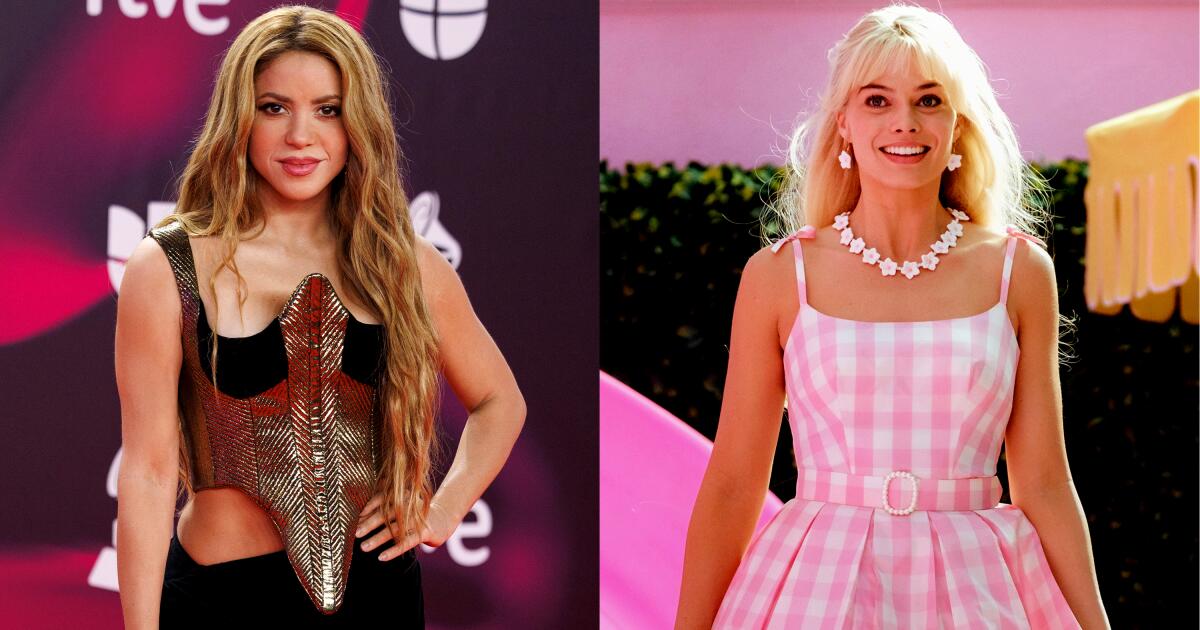
Shakira’s hips don’t lie and she doesn’t mince words, either.

When asked about her thoughts on the record-smashing “Barbie” movie in a wide-ranging interview for Allure, the singer criticized the film‘s approach to its feminist themes.

“My sons absolutely hated it. They felt that it was emasculating. And I agree, to a certain extent,” she said.

“I’m raising two boys. I want ‘em to feel powerful too [while] respecting women,” she continued. “I like pop culture when it attempts to empower women without robbing men of their possibility to be men, to also protect and provide.”

The Grammy winner, who shares her sons with her ex-husband, former soccer star Gerard Piqué, said men and women need to complement each other.

“I believe in giving women all the tools and the trust that we can do it all without losing our essence, without losing our femininity. I think that men have a purpose in society and women have another purpose as well. We complement each other, and that complement should not be lost.”

When asked if women should have to “do it all,” Shakira replied, “Why not share the load with people who deserve to carry it, who have a duty to carry it as well?”

Shakira discussed feminism at length in the interview for Allure’s cover story, saying that her recent music is about “a newborn woman” and connecting with “the woman inside of you.” In what seems to be a departure from her comments about “Barbie,” she spoke about her music video for “Puntería” with Cardi B, in which they inhabit a planet where she says “men are happy to be dominated by women.”

The singer-songwriter, whose new album, “Las Mujeres Ya No Lloran,” was released in late March, is not the only public figure to criticize “Barbie.” Still, the film’s commercial success speaks to its wide reach and resonance.

In a February interview with The Times, director Greta Gerwig revealed why she wanted the struggle of the Kens to be rounded out just as much as the Barbies’ turmoil.

“We take his plight seriously. We take every part of what he goes through seriously, even to the point of he gets an anthem, and he is on his own journey of self-discovery. And I think one thing that Ryan [Gosling] brought to it was a degree of empathy,” Gerwig said. “There’s not a villain in the movie, and there’s no one who is not deserving of our sympathy or our empathy.”

In the same interview, “Barbie’s” star and producer, Margot Robbie, said the overwhelmingly positive response to the film is gratifying.

“We set out to make a film that would break through cultural norms, bring audiences together and entertain and engage them on a profoundly emotional level,” Robbie said. “To have been able to do that at this scale and magnitude and have this film resonate the way it did is truly beyond our wildest imaginations and our greatest reward.”

Shakira’s hips don’t lie and she doesn’t mince words, either.

When asked about her thoughts on the record-smashing “Barbie” movie in a wide-ranging interview for Allure, the singer criticized the film‘s approach to its feminist themes.

“My sons absolutely hated it. They felt that it was emasculating. And I agree, to a certain extent,” she said.

“I’m raising two boys. I want ‘em to feel powerful too [while] respecting women,” she continued. “I like pop culture when it attempts to empower women without robbing men of their possibility to be men, to also protect and provide.”

The Grammy winner, who shares her sons with her ex-husband, former soccer star Gerard Piqué, said men and women need to complement each other.

“I believe in giving women all the tools and the trust that we can do it all without losing our essence, without losing our femininity. I think that men have a purpose in society and women have another purpose as well. We complement each other, and that complement should not be lost.”

When asked if women should have to “do it all,” Shakira replied, “Why not share the load with people who deserve to carry it, who have a duty to carry it as well?”

Shakira discussed feminism at length in the interview for Allure’s cover story, saying that her recent music is about “a newborn woman” and connecting with “the woman inside of you.” In what seems to be a departure from her comments about “Barbie,” she spoke about her music video for “Puntería” with Cardi B, in which they inhabit a planet where she says “men are happy to be dominated by women.”

The singer-songwriter, whose new album, “Las Mujeres Ya No Lloran,” was released in late March, is not the only public figure to criticize “Barbie.” Still, the film’s commercial success speaks to its wide reach and resonance.

In a February interview with The Times, director Greta Gerwig revealed why she wanted the struggle of the Kens to be rounded out just as much as the Barbies’ turmoil.

“We take his plight seriously. We take every part of what he goes through seriously, even to the point of he gets an anthem, and he is on his own journey of self-discovery. And I think one thing that Ryan [Gosling] brought to it was a degree of empathy,” Gerwig said. “There’s not a villain in the movie, and there’s no one who is not deserving of our sympathy or our empathy.”

In the same interview, “Barbie’s” star and producer, Margot Robbie, said the overwhelmingly positive response to the film is gratifying.

“We set out to make a film that would break through cultural norms, bring audiences together and entertain and engage them on a profoundly emotional level,” Robbie said. “To have been able to do that at this scale and magnitude and have this film resonate the way it did is truly beyond our wildest imaginations and our greatest reward.”

Shakira’s hips don’t lie and she doesn’t mince words, either.

When asked about her thoughts on the record-smashing “Barbie” movie in a wide-ranging interview for Allure, the singer criticized the film‘s approach to its feminist themes.

“My sons absolutely hated it. They felt that it was emasculating. And I agree, to a certain extent,” she said.

“I’m raising two boys. I want ‘em to feel powerful too [while] respecting women,” she continued. “I like pop culture when it attempts to empower women without robbing men of their possibility to be men, to also protect and provide.”

The Grammy winner, who shares her sons with her ex-husband, former soccer star Gerard Piqué, said men and women need to complement each other.

“I believe in giving women all the tools and the trust that we can do it all without losing our essence, without losing our femininity. I think that men have a purpose in society and women have another purpose as well. We complement each other, and that complement should not be lost.”

When asked if women should have to “do it all,” Shakira replied, “Why not share the load with people who deserve to carry it, who have a duty to carry it as well?”

Shakira discussed feminism at length in the interview for Allure’s cover story, saying that her recent music is about “a newborn woman” and connecting with “the woman inside of you.” In what seems to be a departure from her comments about “Barbie,” she spoke about her music video for “Puntería” with Cardi B, in which they inhabit a planet where she says “men are happy to be dominated by women.”

The singer-songwriter, whose new album, “Las Mujeres Ya No Lloran,” was released in late March, is not the only public figure to criticize “Barbie.” Still, the film’s commercial success speaks to its wide reach and resonance.

In a February interview with The Times, director Greta Gerwig revealed why she wanted the struggle of the Kens to be rounded out just as much as the Barbies’ turmoil.

“We take his plight seriously. We take every part of what he goes through seriously, even to the point of he gets an anthem, and he is on his own journey of self-discovery. And I think one thing that Ryan [Gosling] brought to it was a degree of empathy,” Gerwig said. “There’s not a villain in the movie, and there’s no one who is not deserving of our sympathy or our empathy.”

In the same interview, “Barbie’s” star and producer, Margot Robbie, said the overwhelmingly positive response to the film is gratifying.

“We set out to make a film that would break through cultural norms, bring audiences together and entertain and engage them on a profoundly emotional level,” Robbie said. “To have been able to do that at this scale and magnitude and have this film resonate the way it did is truly beyond our wildest imaginations and our greatest reward.”

Shakira’s hips don’t lie and she doesn’t mince words, either.

When asked about her thoughts on the record-smashing “Barbie” movie in a wide-ranging interview for Allure, the singer criticized the film‘s approach to its feminist themes.

“My sons absolutely hated it. They felt that it was emasculating. And I agree, to a certain extent,” she said.

“I’m raising two boys. I want ‘em to feel powerful too [while] respecting women,” she continued. “I like pop culture when it attempts to empower women without robbing men of their possibility to be men, to also protect and provide.”

The Grammy winner, who shares her sons with her ex-husband, former soccer star Gerard Piqué, said men and women need to complement each other.

“I believe in giving women all the tools and the trust that we can do it all without losing our essence, without losing our femininity. I think that men have a purpose in society and women have another purpose as well. We complement each other, and that complement should not be lost.”

When asked if women should have to “do it all,” Shakira replied, “Why not share the load with people who deserve to carry it, who have a duty to carry it as well?”

Shakira discussed feminism at length in the interview for Allure’s cover story, saying that her recent music is about “a newborn woman” and connecting with “the woman inside of you.” In what seems to be a departure from her comments about “Barbie,” she spoke about her music video for “Puntería” with Cardi B, in which they inhabit a planet where she says “men are happy to be dominated by women.”

The singer-songwriter, whose new album, “Las Mujeres Ya No Lloran,” was released in late March, is not the only public figure to criticize “Barbie.” Still, the film’s commercial success speaks to its wide reach and resonance.

In a February interview with The Times, director Greta Gerwig revealed why she wanted the struggle of the Kens to be rounded out just as much as the Barbies’ turmoil.

“We take his plight seriously. We take every part of what he goes through seriously, even to the point of he gets an anthem, and he is on his own journey of self-discovery. And I think one thing that Ryan [Gosling] brought to it was a degree of empathy,” Gerwig said. “There’s not a villain in the movie, and there’s no one who is not deserving of our sympathy or our empathy.”

In the same interview, “Barbie’s” star and producer, Margot Robbie, said the overwhelmingly positive response to the film is gratifying.

“We set out to make a film that would break through cultural norms, bring audiences together and entertain and engage them on a profoundly emotional level,” Robbie said. “To have been able to do that at this scale and magnitude and have this film resonate the way it did is truly beyond our wildest imaginations and our greatest reward.”

Shakira’s hips don’t lie and she doesn’t mince words, either.

When asked about her thoughts on the record-smashing “Barbie” movie in a wide-ranging interview for Allure, the singer criticized the film‘s approach to its feminist themes.

“My sons absolutely hated it. They felt that it was emasculating. And I agree, to a certain extent,” she said.

“I’m raising two boys. I want ‘em to feel powerful too [while] respecting women,” she continued. “I like pop culture when it attempts to empower women without robbing men of their possibility to be men, to also protect and provide.”

The Grammy winner, who shares her sons with her ex-husband, former soccer star Gerard Piqué, said men and women need to complement each other.

“I believe in giving women all the tools and the trust that we can do it all without losing our essence, without losing our femininity. I think that men have a purpose in society and women have another purpose as well. We complement each other, and that complement should not be lost.”

When asked if women should have to “do it all,” Shakira replied, “Why not share the load with people who deserve to carry it, who have a duty to carry it as well?”

Shakira discussed feminism at length in the interview for Allure’s cover story, saying that her recent music is about “a newborn woman” and connecting with “the woman inside of you.” In what seems to be a departure from her comments about “Barbie,” she spoke about her music video for “Puntería” with Cardi B, in which they inhabit a planet where she says “men are happy to be dominated by women.”

The singer-songwriter, whose new album, “Las Mujeres Ya No Lloran,” was released in late March, is not the only public figure to criticize “Barbie.” Still, the film’s commercial success speaks to its wide reach and resonance.

In a February interview with The Times, director Greta Gerwig revealed why she wanted the struggle of the Kens to be rounded out just as much as the Barbies’ turmoil.

“We take his plight seriously. We take every part of what he goes through seriously, even to the point of he gets an anthem, and he is on his own journey of self-discovery. And I think one thing that Ryan [Gosling] brought to it was a degree of empathy,” Gerwig said. “There’s not a villain in the movie, and there’s no one who is not deserving of our sympathy or our empathy.”

In the same interview, “Barbie’s” star and producer, Margot Robbie, said the overwhelmingly positive response to the film is gratifying.

“We set out to make a film that would break through cultural norms, bring audiences together and entertain and engage them on a profoundly emotional level,” Robbie said. “To have been able to do that at this scale and magnitude and have this film resonate the way it did is truly beyond our wildest imaginations and our greatest reward.”
Shakira’s hips don’t lie and she doesn’t mince words, either.

When asked about her thoughts on the record-smashing “Barbie” movie in a wide-ranging interview for Allure, the singer criticized the film‘s approach to its feminist themes.

“My sons absolutely hated it. They felt that it was emasculating. And I agree, to a certain extent,” she said.

“I’m raising two boys. I want ‘em to feel powerful too [while] respecting women,” she continued. “I like pop culture when it attempts to empower women without robbing men of their possibility to be men, to also protect and provide.”

The Grammy winner, who shares her sons with her ex-husband, former soccer star Gerard Piqué, said men and women need to complement each other.

“I believe in giving women all the tools and the trust that we can do it all without losing our essence, without losing our femininity. I think that men have a purpose in society and women have another purpose as well. We complement each other, and that complement should not be lost.”

When asked if women should have to “do it all,” Shakira replied, “Why not share the load with people who deserve to carry it, who have a duty to carry it as well?”

Shakira discussed feminism at length in the interview for Allure’s cover story, saying that her recent music is about “a newborn woman” and connecting with “the woman inside of you.” In what seems to be a departure from her comments about “Barbie,” she spoke about her music video for “Puntería” with Cardi B, in which they inhabit a planet where she says “men are happy to be dominated by women.”

The singer-songwriter, whose new album, “Las Mujeres Ya No Lloran,” was released in late March, is not the only public figure to criticize “Barbie.” Still, the film’s commercial success speaks to its wide reach and resonance.

In a February interview with The Times, director Greta Gerwig revealed why she wanted the struggle of the Kens to be rounded out just as much as the Barbies’ turmoil.

“We take his plight seriously. We take every part of what he goes through seriously, even to the point of he gets an anthem, and he is on his own journey of self-discovery. And I think one thing that Ryan [Gosling] brought to it was a degree of empathy,” Gerwig said. “There’s not a villain in the movie, and there’s no one who is not deserving of our sympathy or our empathy.”

In the same interview, “Barbie’s” star and producer, Margot Robbie, said the overwhelmingly positive response to the film is gratifying.

“We set out to make a film that would break through cultural norms, bring audiences together and entertain and engage them on a profoundly emotional level,” Robbie said. “To have been able to do that at this scale and magnitude and have this film resonate the way it did is truly beyond our wildest imaginations and our greatest reward.”
Shakira’s hips don’t lie and she doesn’t mince words, either.

When asked about her thoughts on the record-smashing “Barbie” movie in a wide-ranging interview for Allure, the singer criticized the film‘s approach to its feminist themes.

“My sons absolutely hated it. They felt that it was emasculating. And I agree, to a certain extent,” she said.

“I’m raising two boys. I want ‘em to feel powerful too [while] respecting women,” she continued. “I like pop culture when it attempts to empower women without robbing men of their possibility to be men, to also protect and provide.”

The Grammy winner, who shares her sons with her ex-husband, former soccer star Gerard Piqué, said men and women need to complement each other.

“I believe in giving women all the tools and the trust that we can do it all without losing our essence, without losing our femininity. I think that men have a purpose in society and women have another purpose as well. We complement each other, and that complement should not be lost.”

When asked if women should have to “do it all,” Shakira replied, “Why not share the load with people who deserve to carry it, who have a duty to carry it as well?”

Shakira discussed feminism at length in the interview for Allure’s cover story, saying that her recent music is about “a newborn woman” and connecting with “the woman inside of you.” In what seems to be a departure from her comments about “Barbie,” she spoke about her music video for “Puntería” with Cardi B, in which they inhabit a planet where she says “men are happy to be dominated by women.”

The singer-songwriter, whose new album, “Las Mujeres Ya No Lloran,” was released in late March, is not the only public figure to criticize “Barbie.” Still, the film’s commercial success speaks to its wide reach and resonance.

In a February interview with The Times, director Greta Gerwig revealed why she wanted the struggle of the Kens to be rounded out just as much as the Barbies’ turmoil.

“We take his plight seriously. We take every part of what he goes through seriously, even to the point of he gets an anthem, and he is on his own journey of self-discovery. And I think one thing that Ryan [Gosling] brought to it was a degree of empathy,” Gerwig said. “There’s not a villain in the movie, and there’s no one who is not deserving of our sympathy or our empathy.”

In the same interview, “Barbie’s” star and producer, Margot Robbie, said the overwhelmingly positive response to the film is gratifying.

“We set out to make a film that would break through cultural norms, bring audiences together and entertain and engage them on a profoundly emotional level,” Robbie said. “To have been able to do that at this scale and magnitude and have this film resonate the way it did is truly beyond our wildest imaginations and our greatest reward.”

Shakira’s hips don’t lie and she doesn’t mince words, either.

When asked about her thoughts on the record-smashing “Barbie” movie in a wide-ranging interview for Allure, the singer criticized the film‘s approach to its feminist themes.

“My sons absolutely hated it. They felt that it was emasculating. And I agree, to a certain extent,” she said.

“I’m raising two boys. I want ‘em to feel powerful too [while] respecting women,” she continued. “I like pop culture when it attempts to empower women without robbing men of their possibility to be men, to also protect and provide.”

The Grammy winner, who shares her sons with her ex-husband, former soccer star Gerard Piqué, said men and women need to complement each other.

“I believe in giving women all the tools and the trust that we can do it all without losing our essence, without losing our femininity. I think that men have a purpose in society and women have another purpose as well. We complement each other, and that complement should not be lost.”

When asked if women should have to “do it all,” Shakira replied, “Why not share the load with people who deserve to carry it, who have a duty to carry it as well?”

Shakira discussed feminism at length in the interview for Allure’s cover story, saying that her recent music is about “a newborn woman” and connecting with “the woman inside of you.” In what seems to be a departure from her comments about “Barbie,” she spoke about her music video for “Puntería” with Cardi B, in which they inhabit a planet where she says “men are happy to be dominated by women.”

The singer-songwriter, whose new album, “Las Mujeres Ya No Lloran,” was released in late March, is not the only public figure to criticize “Barbie.” Still, the film’s commercial success speaks to its wide reach and resonance.

In a February interview with The Times, director Greta Gerwig revealed why she wanted the struggle of the Kens to be rounded out just as much as the Barbies’ turmoil.

“We take his plight seriously. We take every part of what he goes through seriously, even to the point of he gets an anthem, and he is on his own journey of self-discovery. And I think one thing that Ryan [Gosling] brought to it was a degree of empathy,” Gerwig said. “There’s not a villain in the movie, and there’s no one who is not deserving of our sympathy or our empathy.”

In the same interview, “Barbie’s” star and producer, Margot Robbie, said the overwhelmingly positive response to the film is gratifying.

“We set out to make a film that would break through cultural norms, bring audiences together and entertain and engage them on a profoundly emotional level,” Robbie said. “To have been able to do that at this scale and magnitude and have this film resonate the way it did is truly beyond our wildest imaginations and our greatest reward.”

Leave a Reply Cancel reply

Your email address will not be published. Required fields are marked *

Recommended

Zelensky Could Leave Ukraine to Visit EU Leaders in Brussels

3 years ago

R. Kelly’s daughter alleges he sexually abused her in new doc

2 years ago

Inside Joe Biden’s five-hour face-off with special counsel Robert Hur

2 years ago

Chita Rivera dies: RIP the nicest diva on Broadway

2 years ago
Yonkers Observer

© 2025 Yonkers Observer or its affiliated companies.

Navigate Site

  • About
  • Advertise
  • Terms & Conditions
  • Privacy Policy
  • Disclaimer
  • Contact

Follow Us

No Result
View All Result
  • Home
  • World
  • Politics
  • Finance
  • Technology
  • Health
  • Culture
  • Entertainment
  • Trend

© 2025 Yonkers Observer or its affiliated companies.

Welcome Back!

Login to your account below

Forgotten Password?

Retrieve your password

Please enter your username or email address to reset your password.

Log In