
Monday, May 25, 2026
Washington DC
New York
Toronto
Distribution: (800) 510 9863
Press ID
  • Login
RH NEWSROOM National News and Press Releases. Local and Regional Perspectives. Media Advisories.
Yonkers Observer
  • Home
  • World
  • Politics
  • Finance
  • Technology
  • Health
  • Culture
  • Entertainment
  • Trend
No Result
View All Result
  • Home
  • World
  • Politics
  • Finance
  • Technology
  • Health
  • Culture
  • Entertainment
  • Trend
No Result
View All Result
Yonkers Observer
No Result
View All Result
Home Health

How to grow green onions, potatoes from grocery store at home

by Yonkers Observer Report
March 14, 2024
in Health
Share on FacebookShare on Twitter

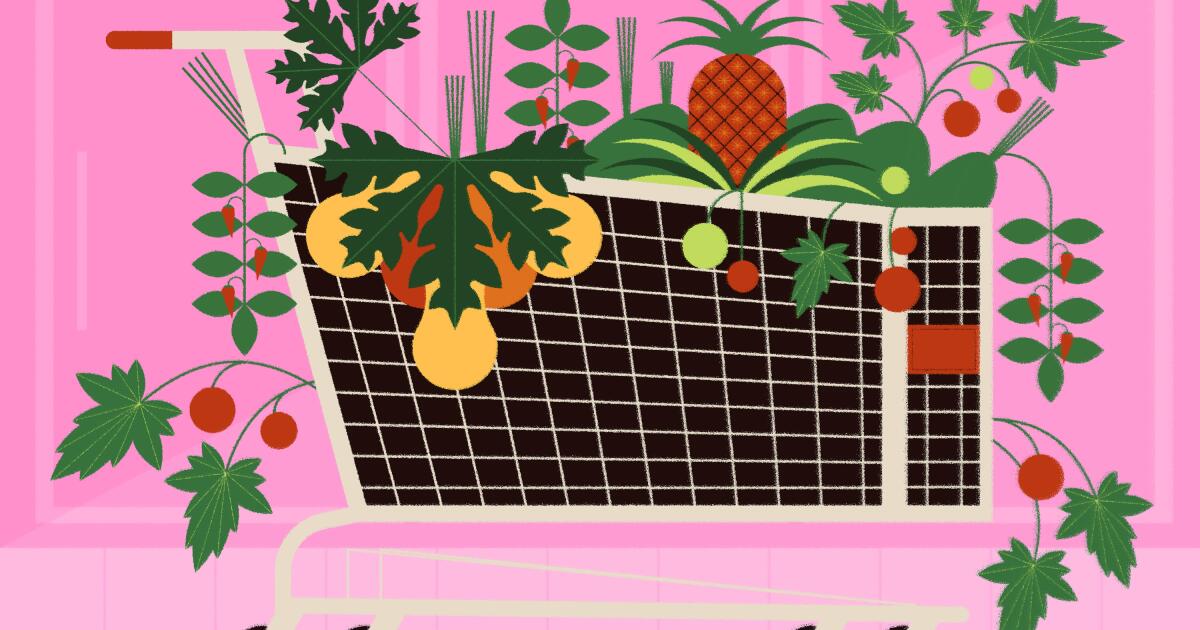
Red ripe tomatoes, juicy pineapple and tongue-scorching peppers — the produce aisle at the grocery store is full of possibilities for cooking a great meal, but it can also be a great starting point for a prolific garden.

There are many types of produce on store shelves that can be turned into thriving garden plants through seed saving and propagation, which can help to stretch a grocery bill and make for a fun experiment.

Lauri Kranz, an urban farmer, garden builder and co-owner of L.A. Homefarm — a Glassell Park market featuring produce from local farms — loves growing things from seeds of produce she bought at markets. She enjoys the exponential growth factor of this kind of gardening.

“You can get so much food from the one seed, the one potato,” she said. “I love that.”

Kenneth Sparks, a.k.a. Farmer Ken, an urban farmer and garden trainer who sells his produce at Los Angeles County markets, says it doesn’t take a lot of effort to grow things from grocery store produce, but he said it’s important that gardeners go into the process with a little bit of knowledge. He recommends they research the best times of year to plant certain vegetables and fruits and that they look into their USDA Zone and Sunset Climate Zone to know what to expect from their Los Angeles County microclimate.

Kranz said the supplies you will need will vary depending on what you are growing, but recommends having some organic soil and terracotta pots in a range of sizes on hand for planting and transplanting.

Here’s a look at some great grocery store options.

Red ripe tomatoes, juicy pineapple and tongue-scorching peppers — the produce aisle at the grocery store is full of possibilities for cooking a great meal, but it can also be a great starting point for a prolific garden.

There are many types of produce on store shelves that can be turned into thriving garden plants through seed saving and propagation, which can help to stretch a grocery bill and make for a fun experiment.

Lauri Kranz, an urban farmer, garden builder and co-owner of L.A. Homefarm — a Glassell Park market featuring produce from local farms — loves growing things from seeds of produce she bought at markets. She enjoys the exponential growth factor of this kind of gardening.

“You can get so much food from the one seed, the one potato,” she said. “I love that.”

Kenneth Sparks, a.k.a. Farmer Ken, an urban farmer and garden trainer who sells his produce at Los Angeles County markets, says it doesn’t take a lot of effort to grow things from grocery store produce, but he said it’s important that gardeners go into the process with a little bit of knowledge. He recommends they research the best times of year to plant certain vegetables and fruits and that they look into their USDA Zone and Sunset Climate Zone to know what to expect from their Los Angeles County microclimate.

Kranz said the supplies you will need will vary depending on what you are growing, but recommends having some organic soil and terracotta pots in a range of sizes on hand for planting and transplanting.

Here’s a look at some great grocery store options.

Red ripe tomatoes, juicy pineapple and tongue-scorching peppers — the produce aisle at the grocery store is full of possibilities for cooking a great meal, but it can also be a great starting point for a prolific garden.

There are many types of produce on store shelves that can be turned into thriving garden plants through seed saving and propagation, which can help to stretch a grocery bill and make for a fun experiment.

Lauri Kranz, an urban farmer, garden builder and co-owner of L.A. Homefarm — a Glassell Park market featuring produce from local farms — loves growing things from seeds of produce she bought at markets. She enjoys the exponential growth factor of this kind of gardening.

“You can get so much food from the one seed, the one potato,” she said. “I love that.”

Kenneth Sparks, a.k.a. Farmer Ken, an urban farmer and garden trainer who sells his produce at Los Angeles County markets, says it doesn’t take a lot of effort to grow things from grocery store produce, but he said it’s important that gardeners go into the process with a little bit of knowledge. He recommends they research the best times of year to plant certain vegetables and fruits and that they look into their USDA Zone and Sunset Climate Zone to know what to expect from their Los Angeles County microclimate.

Kranz said the supplies you will need will vary depending on what you are growing, but recommends having some organic soil and terracotta pots in a range of sizes on hand for planting and transplanting.

Here’s a look at some great grocery store options.

Red ripe tomatoes, juicy pineapple and tongue-scorching peppers — the produce aisle at the grocery store is full of possibilities for cooking a great meal, but it can also be a great starting point for a prolific garden.

There are many types of produce on store shelves that can be turned into thriving garden plants through seed saving and propagation, which can help to stretch a grocery bill and make for a fun experiment.

Lauri Kranz, an urban farmer, garden builder and co-owner of L.A. Homefarm — a Glassell Park market featuring produce from local farms — loves growing things from seeds of produce she bought at markets. She enjoys the exponential growth factor of this kind of gardening.

“You can get so much food from the one seed, the one potato,” she said. “I love that.”

Kenneth Sparks, a.k.a. Farmer Ken, an urban farmer and garden trainer who sells his produce at Los Angeles County markets, says it doesn’t take a lot of effort to grow things from grocery store produce, but he said it’s important that gardeners go into the process with a little bit of knowledge. He recommends they research the best times of year to plant certain vegetables and fruits and that they look into their USDA Zone and Sunset Climate Zone to know what to expect from their Los Angeles County microclimate.

Kranz said the supplies you will need will vary depending on what you are growing, but recommends having some organic soil and terracotta pots in a range of sizes on hand for planting and transplanting.

Here’s a look at some great grocery store options.

Red ripe tomatoes, juicy pineapple and tongue-scorching peppers — the produce aisle at the grocery store is full of possibilities for cooking a great meal, but it can also be a great starting point for a prolific garden.

There are many types of produce on store shelves that can be turned into thriving garden plants through seed saving and propagation, which can help to stretch a grocery bill and make for a fun experiment.

Lauri Kranz, an urban farmer, garden builder and co-owner of L.A. Homefarm — a Glassell Park market featuring produce from local farms — loves growing things from seeds of produce she bought at markets. She enjoys the exponential growth factor of this kind of gardening.

“You can get so much food from the one seed, the one potato,” she said. “I love that.”

Kenneth Sparks, a.k.a. Farmer Ken, an urban farmer and garden trainer who sells his produce at Los Angeles County markets, says it doesn’t take a lot of effort to grow things from grocery store produce, but he said it’s important that gardeners go into the process with a little bit of knowledge. He recommends they research the best times of year to plant certain vegetables and fruits and that they look into their USDA Zone and Sunset Climate Zone to know what to expect from their Los Angeles County microclimate.

Kranz said the supplies you will need will vary depending on what you are growing, but recommends having some organic soil and terracotta pots in a range of sizes on hand for planting and transplanting.

Here’s a look at some great grocery store options.

Red ripe tomatoes, juicy pineapple and tongue-scorching peppers — the produce aisle at the grocery store is full of possibilities for cooking a great meal, but it can also be a great starting point for a prolific garden.

There are many types of produce on store shelves that can be turned into thriving garden plants through seed saving and propagation, which can help to stretch a grocery bill and make for a fun experiment.

Lauri Kranz, an urban farmer, garden builder and co-owner of L.A. Homefarm — a Glassell Park market featuring produce from local farms — loves growing things from seeds of produce she bought at markets. She enjoys the exponential growth factor of this kind of gardening.

“You can get so much food from the one seed, the one potato,” she said. “I love that.”

Kenneth Sparks, a.k.a. Farmer Ken, an urban farmer and garden trainer who sells his produce at Los Angeles County markets, says it doesn’t take a lot of effort to grow things from grocery store produce, but he said it’s important that gardeners go into the process with a little bit of knowledge. He recommends they research the best times of year to plant certain vegetables and fruits and that they look into their USDA Zone and Sunset Climate Zone to know what to expect from their Los Angeles County microclimate.

Kranz said the supplies you will need will vary depending on what you are growing, but recommends having some organic soil and terracotta pots in a range of sizes on hand for planting and transplanting.

Here’s a look at some great grocery store options.

Red ripe tomatoes, juicy pineapple and tongue-scorching peppers — the produce aisle at the grocery store is full of possibilities for cooking a great meal, but it can also be a great starting point for a prolific garden.

There are many types of produce on store shelves that can be turned into thriving garden plants through seed saving and propagation, which can help to stretch a grocery bill and make for a fun experiment.

Lauri Kranz, an urban farmer, garden builder and co-owner of L.A. Homefarm — a Glassell Park market featuring produce from local farms — loves growing things from seeds of produce she bought at markets. She enjoys the exponential growth factor of this kind of gardening.

“You can get so much food from the one seed, the one potato,” she said. “I love that.”

Kenneth Sparks, a.k.a. Farmer Ken, an urban farmer and garden trainer who sells his produce at Los Angeles County markets, says it doesn’t take a lot of effort to grow things from grocery store produce, but he said it’s important that gardeners go into the process with a little bit of knowledge. He recommends they research the best times of year to plant certain vegetables and fruits and that they look into their USDA Zone and Sunset Climate Zone to know what to expect from their Los Angeles County microclimate.

Kranz said the supplies you will need will vary depending on what you are growing, but recommends having some organic soil and terracotta pots in a range of sizes on hand for planting and transplanting.

Here’s a look at some great grocery store options.

Red ripe tomatoes, juicy pineapple and tongue-scorching peppers — the produce aisle at the grocery store is full of possibilities for cooking a great meal, but it can also be a great starting point for a prolific garden.

There are many types of produce on store shelves that can be turned into thriving garden plants through seed saving and propagation, which can help to stretch a grocery bill and make for a fun experiment.

Lauri Kranz, an urban farmer, garden builder and co-owner of L.A. Homefarm — a Glassell Park market featuring produce from local farms — loves growing things from seeds of produce she bought at markets. She enjoys the exponential growth factor of this kind of gardening.

“You can get so much food from the one seed, the one potato,” she said. “I love that.”

Kenneth Sparks, a.k.a. Farmer Ken, an urban farmer and garden trainer who sells his produce at Los Angeles County markets, says it doesn’t take a lot of effort to grow things from grocery store produce, but he said it’s important that gardeners go into the process with a little bit of knowledge. He recommends they research the best times of year to plant certain vegetables and fruits and that they look into their USDA Zone and Sunset Climate Zone to know what to expect from their Los Angeles County microclimate.

Kranz said the supplies you will need will vary depending on what you are growing, but recommends having some organic soil and terracotta pots in a range of sizes on hand for planting and transplanting.

Here’s a look at some great grocery store options.

Leave a Reply Cancel reply

Your email address will not be published. Required fields are marked *

Recommended

How Miguel Ramirez makes visiting teams at Yankee Stadium feel at home

3 years ago

Lawsuit Puts Fresh Focus on Eric Hovde’s Comments About Older Voters

2 years ago

‘Stereophonic’ at the Pantages falls flat: Review

5 months ago

‘Love Me’ review: Kristen Stewart, Steven Yeun in sparkless romance

1 year ago
Yonkers Observer

© 2025 Yonkers Observer or its affiliated companies.

Navigate Site

  • About
  • Advertise
  • Terms & Conditions
  • Privacy Policy
  • Disclaimer
  • Contact

Follow Us

No Result
View All Result
  • Home
  • World
  • Politics
  • Finance
  • Technology
  • Health
  • Culture
  • Entertainment
  • Trend

© 2025 Yonkers Observer or its affiliated companies.

Welcome Back!

Login to your account below

Forgotten Password?

Retrieve your password

Please enter your username or email address to reset your password.

Log In