
Monday, May 11, 2026
Washington DC
New York
Toronto
Distribution: (800) 510 9863
Press ID
  • Login
RH NEWSROOM National News and Press Releases. Local and Regional Perspectives. Media Advisories.
Yonkers Observer
  • Home
  • World
  • Politics
  • Finance
  • Technology
  • Health
  • Culture
  • Entertainment
  • Trend
No Result
View All Result
  • Home
  • World
  • Politics
  • Finance
  • Technology
  • Health
  • Culture
  • Entertainment
  • Trend
No Result
View All Result
Yonkers Observer
No Result
View All Result
Home Entertainment

Drive Like Jehu singer Rick Froberg dies at 55

by Yonkers Observer Report
July 2, 2023
in Entertainment
Share on FacebookShare on Twitter

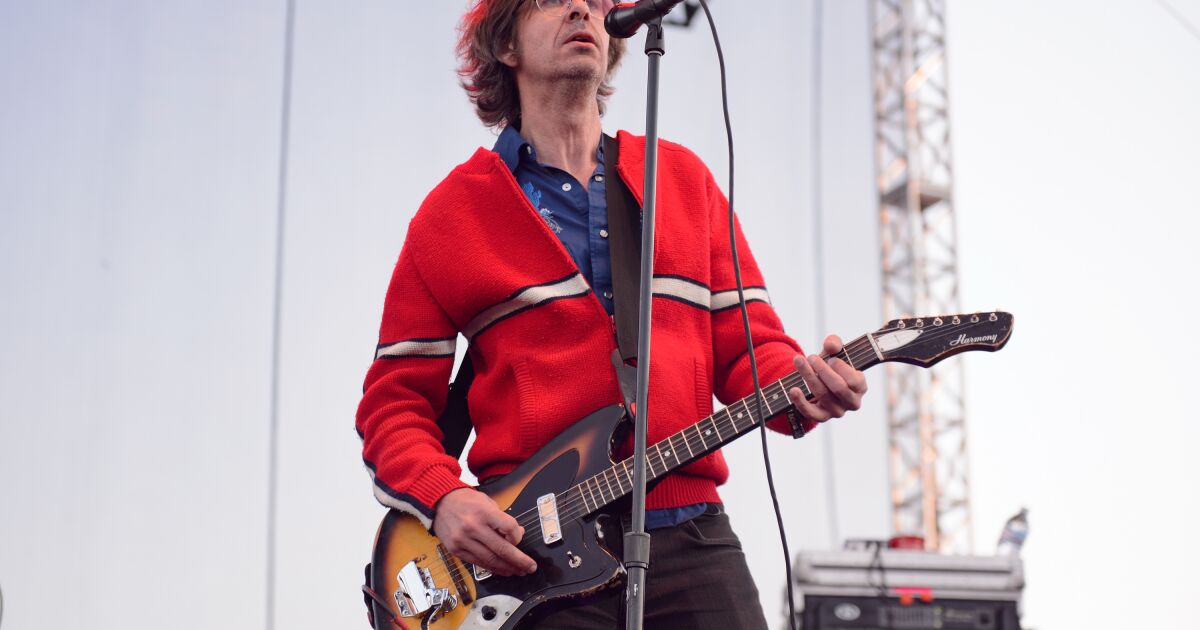
Rick Froberg, the singer, guitarist and visual artist best known for taking the knotty, overdriven sound of math rock into the mainstream (or close to it) with his influential San Diego band Drive Like Jehu, died Friday in San Diego. He was 55.

His death was confirmed Saturday by his longtime bandmate John Reis, who wrote on Instagram that he “passed away suddenly last night from natural causes.”

“His art made life better,” Reis wrote. “The only thing he loved more than art and rock and roll was his friends. He will forever be remembered for his creativity, vision and his ability to bring beauty into this world. I love you, Rick. I will miss you for the rest of my life.”

Signed to the major label Interscope Records in the early 1990s as part of a package deal that included Reis’ more commercially appealing Rocket from the Crypt, Drive Like Jehu specialized in a brand of loud and structurally ambitious indie rock that served as a key inspiration for acts like Modest Mouse and At the Drive-In.

Yet the band was just one of several Froberg played with in a career that stretched over three decades: Before Drive Like Jehu, he and Reis played in Pitchfork, whose 1990 LP “Eucalyptus” is widely regarded as a post-hardcore classic; after Drive Like Jehu broke up in 1995, he and Reis formed Hot Snakes, and Froberg later founded Obits. Each band was built around his belief that blistering noise and catchy hooks could easily coexist; as a vocalist, Froberg honed a kind of desperate yelp that carried equal parts emotion and disgust.

Drive Like Jehu’s self-titled debut came out in 1991; “Yank Crime,” its sophomore LP and first for Interscope, followed in 1994, several years after the runaway success of Nirvana’s smash “Nevermind” set off a feeding frenzy for rough-edged bands with strong local followings. The band’s drummer, Mark Trombino, went on to produce hit records by Jimmy Eat World and Blink-182; Trombino also opened Donut Friend, the hipster-fave L.A. doughnut shop with treats named after post-punk bands such as Fugazi and Hüsker Dü.

In addition to music, Froberg was an illustrator who designed striking album covers for his bands as well as for Rocket from the Crypt, Sparta and others.

Drive Like Jehu reunited in 2014 for a performance at the Spreckels Organ Pavilion in San Diego’s Balboa Park and later played festivals including Coachella. Hot Snakes released four studio albums between 2000 and 2018; Obits’ most recent album, “Die at the Zoo,” came out in 2021.

Rick Froberg, the singer, guitarist and visual artist best known for taking the knotty, overdriven sound of math rock into the mainstream (or close to it) with his influential San Diego band Drive Like Jehu, died Friday in San Diego. He was 55.

His death was confirmed Saturday by his longtime bandmate John Reis, who wrote on Instagram that he “passed away suddenly last night from natural causes.”

“His art made life better,” Reis wrote. “The only thing he loved more than art and rock and roll was his friends. He will forever be remembered for his creativity, vision and his ability to bring beauty into this world. I love you, Rick. I will miss you for the rest of my life.”

Signed to the major label Interscope Records in the early 1990s as part of a package deal that included Reis’ more commercially appealing Rocket from the Crypt, Drive Like Jehu specialized in a brand of loud and structurally ambitious indie rock that served as a key inspiration for acts like Modest Mouse and At the Drive-In.

Yet the band was just one of several Froberg played with in a career that stretched over three decades: Before Drive Like Jehu, he and Reis played in Pitchfork, whose 1990 LP “Eucalyptus” is widely regarded as a post-hardcore classic; after Drive Like Jehu broke up in 1995, he and Reis formed Hot Snakes, and Froberg later founded Obits. Each band was built around his belief that blistering noise and catchy hooks could easily coexist; as a vocalist, Froberg honed a kind of desperate yelp that carried equal parts emotion and disgust.

Drive Like Jehu’s self-titled debut came out in 1991; “Yank Crime,” its sophomore LP and first for Interscope, followed in 1994, several years after the runaway success of Nirvana’s smash “Nevermind” set off a feeding frenzy for rough-edged bands with strong local followings. The band’s drummer, Mark Trombino, went on to produce hit records by Jimmy Eat World and Blink-182; Trombino also opened Donut Friend, the hipster-fave L.A. doughnut shop with treats named after post-punk bands such as Fugazi and Hüsker Dü.

In addition to music, Froberg was an illustrator who designed striking album covers for his bands as well as for Rocket from the Crypt, Sparta and others.

Drive Like Jehu reunited in 2014 for a performance at the Spreckels Organ Pavilion in San Diego’s Balboa Park and later played festivals including Coachella. Hot Snakes released four studio albums between 2000 and 2018; Obits’ most recent album, “Die at the Zoo,” came out in 2021.

Rick Froberg, the singer, guitarist and visual artist best known for taking the knotty, overdriven sound of math rock into the mainstream (or close to it) with his influential San Diego band Drive Like Jehu, died Friday in San Diego. He was 55.

His death was confirmed Saturday by his longtime bandmate John Reis, who wrote on Instagram that he “passed away suddenly last night from natural causes.”

“His art made life better,” Reis wrote. “The only thing he loved more than art and rock and roll was his friends. He will forever be remembered for his creativity, vision and his ability to bring beauty into this world. I love you, Rick. I will miss you for the rest of my life.”

Signed to the major label Interscope Records in the early 1990s as part of a package deal that included Reis’ more commercially appealing Rocket from the Crypt, Drive Like Jehu specialized in a brand of loud and structurally ambitious indie rock that served as a key inspiration for acts like Modest Mouse and At the Drive-In.

Yet the band was just one of several Froberg played with in a career that stretched over three decades: Before Drive Like Jehu, he and Reis played in Pitchfork, whose 1990 LP “Eucalyptus” is widely regarded as a post-hardcore classic; after Drive Like Jehu broke up in 1995, he and Reis formed Hot Snakes, and Froberg later founded Obits. Each band was built around his belief that blistering noise and catchy hooks could easily coexist; as a vocalist, Froberg honed a kind of desperate yelp that carried equal parts emotion and disgust.

Drive Like Jehu’s self-titled debut came out in 1991; “Yank Crime,” its sophomore LP and first for Interscope, followed in 1994, several years after the runaway success of Nirvana’s smash “Nevermind” set off a feeding frenzy for rough-edged bands with strong local followings. The band’s drummer, Mark Trombino, went on to produce hit records by Jimmy Eat World and Blink-182; Trombino also opened Donut Friend, the hipster-fave L.A. doughnut shop with treats named after post-punk bands such as Fugazi and Hüsker Dü.

In addition to music, Froberg was an illustrator who designed striking album covers for his bands as well as for Rocket from the Crypt, Sparta and others.

Drive Like Jehu reunited in 2014 for a performance at the Spreckels Organ Pavilion in San Diego’s Balboa Park and later played festivals including Coachella. Hot Snakes released four studio albums between 2000 and 2018; Obits’ most recent album, “Die at the Zoo,” came out in 2021.

Rick Froberg, the singer, guitarist and visual artist best known for taking the knotty, overdriven sound of math rock into the mainstream (or close to it) with his influential San Diego band Drive Like Jehu, died Friday in San Diego. He was 55.

His death was confirmed Saturday by his longtime bandmate John Reis, who wrote on Instagram that he “passed away suddenly last night from natural causes.”

“His art made life better,” Reis wrote. “The only thing he loved more than art and rock and roll was his friends. He will forever be remembered for his creativity, vision and his ability to bring beauty into this world. I love you, Rick. I will miss you for the rest of my life.”

Signed to the major label Interscope Records in the early 1990s as part of a package deal that included Reis’ more commercially appealing Rocket from the Crypt, Drive Like Jehu specialized in a brand of loud and structurally ambitious indie rock that served as a key inspiration for acts like Modest Mouse and At the Drive-In.

Yet the band was just one of several Froberg played with in a career that stretched over three decades: Before Drive Like Jehu, he and Reis played in Pitchfork, whose 1990 LP “Eucalyptus” is widely regarded as a post-hardcore classic; after Drive Like Jehu broke up in 1995, he and Reis formed Hot Snakes, and Froberg later founded Obits. Each band was built around his belief that blistering noise and catchy hooks could easily coexist; as a vocalist, Froberg honed a kind of desperate yelp that carried equal parts emotion and disgust.

Drive Like Jehu’s self-titled debut came out in 1991; “Yank Crime,” its sophomore LP and first for Interscope, followed in 1994, several years after the runaway success of Nirvana’s smash “Nevermind” set off a feeding frenzy for rough-edged bands with strong local followings. The band’s drummer, Mark Trombino, went on to produce hit records by Jimmy Eat World and Blink-182; Trombino also opened Donut Friend, the hipster-fave L.A. doughnut shop with treats named after post-punk bands such as Fugazi and Hüsker Dü.

In addition to music, Froberg was an illustrator who designed striking album covers for his bands as well as for Rocket from the Crypt, Sparta and others.

Drive Like Jehu reunited in 2014 for a performance at the Spreckels Organ Pavilion in San Diego’s Balboa Park and later played festivals including Coachella. Hot Snakes released four studio albums between 2000 and 2018; Obits’ most recent album, “Die at the Zoo,” came out in 2021.

Rick Froberg, the singer, guitarist and visual artist best known for taking the knotty, overdriven sound of math rock into the mainstream (or close to it) with his influential San Diego band Drive Like Jehu, died Friday in San Diego. He was 55.

His death was confirmed Saturday by his longtime bandmate John Reis, who wrote on Instagram that he “passed away suddenly last night from natural causes.”

“His art made life better,” Reis wrote. “The only thing he loved more than art and rock and roll was his friends. He will forever be remembered for his creativity, vision and his ability to bring beauty into this world. I love you, Rick. I will miss you for the rest of my life.”

Signed to the major label Interscope Records in the early 1990s as part of a package deal that included Reis’ more commercially appealing Rocket from the Crypt, Drive Like Jehu specialized in a brand of loud and structurally ambitious indie rock that served as a key inspiration for acts like Modest Mouse and At the Drive-In.

Yet the band was just one of several Froberg played with in a career that stretched over three decades: Before Drive Like Jehu, he and Reis played in Pitchfork, whose 1990 LP “Eucalyptus” is widely regarded as a post-hardcore classic; after Drive Like Jehu broke up in 1995, he and Reis formed Hot Snakes, and Froberg later founded Obits. Each band was built around his belief that blistering noise and catchy hooks could easily coexist; as a vocalist, Froberg honed a kind of desperate yelp that carried equal parts emotion and disgust.

Drive Like Jehu’s self-titled debut came out in 1991; “Yank Crime,” its sophomore LP and first for Interscope, followed in 1994, several years after the runaway success of Nirvana’s smash “Nevermind” set off a feeding frenzy for rough-edged bands with strong local followings. The band’s drummer, Mark Trombino, went on to produce hit records by Jimmy Eat World and Blink-182; Trombino also opened Donut Friend, the hipster-fave L.A. doughnut shop with treats named after post-punk bands such as Fugazi and Hüsker Dü.

In addition to music, Froberg was an illustrator who designed striking album covers for his bands as well as for Rocket from the Crypt, Sparta and others.

Drive Like Jehu reunited in 2014 for a performance at the Spreckels Organ Pavilion in San Diego’s Balboa Park and later played festivals including Coachella. Hot Snakes released four studio albums between 2000 and 2018; Obits’ most recent album, “Die at the Zoo,” came out in 2021.

Rick Froberg, the singer, guitarist and visual artist best known for taking the knotty, overdriven sound of math rock into the mainstream (or close to it) with his influential San Diego band Drive Like Jehu, died Friday in San Diego. He was 55.

His death was confirmed Saturday by his longtime bandmate John Reis, who wrote on Instagram that he “passed away suddenly last night from natural causes.”

“His art made life better,” Reis wrote. “The only thing he loved more than art and rock and roll was his friends. He will forever be remembered for his creativity, vision and his ability to bring beauty into this world. I love you, Rick. I will miss you for the rest of my life.”

Signed to the major label Interscope Records in the early 1990s as part of a package deal that included Reis’ more commercially appealing Rocket from the Crypt, Drive Like Jehu specialized in a brand of loud and structurally ambitious indie rock that served as a key inspiration for acts like Modest Mouse and At the Drive-In.

Yet the band was just one of several Froberg played with in a career that stretched over three decades: Before Drive Like Jehu, he and Reis played in Pitchfork, whose 1990 LP “Eucalyptus” is widely regarded as a post-hardcore classic; after Drive Like Jehu broke up in 1995, he and Reis formed Hot Snakes, and Froberg later founded Obits. Each band was built around his belief that blistering noise and catchy hooks could easily coexist; as a vocalist, Froberg honed a kind of desperate yelp that carried equal parts emotion and disgust.

Drive Like Jehu’s self-titled debut came out in 1991; “Yank Crime,” its sophomore LP and first for Interscope, followed in 1994, several years after the runaway success of Nirvana’s smash “Nevermind” set off a feeding frenzy for rough-edged bands with strong local followings. The band’s drummer, Mark Trombino, went on to produce hit records by Jimmy Eat World and Blink-182; Trombino also opened Donut Friend, the hipster-fave L.A. doughnut shop with treats named after post-punk bands such as Fugazi and Hüsker Dü.

In addition to music, Froberg was an illustrator who designed striking album covers for his bands as well as for Rocket from the Crypt, Sparta and others.

Drive Like Jehu reunited in 2014 for a performance at the Spreckels Organ Pavilion in San Diego’s Balboa Park and later played festivals including Coachella. Hot Snakes released four studio albums between 2000 and 2018; Obits’ most recent album, “Die at the Zoo,” came out in 2021.

Rick Froberg, the singer, guitarist and visual artist best known for taking the knotty, overdriven sound of math rock into the mainstream (or close to it) with his influential San Diego band Drive Like Jehu, died Friday in San Diego. He was 55.

His death was confirmed Saturday by his longtime bandmate John Reis, who wrote on Instagram that he “passed away suddenly last night from natural causes.”

“His art made life better,” Reis wrote. “The only thing he loved more than art and rock and roll was his friends. He will forever be remembered for his creativity, vision and his ability to bring beauty into this world. I love you, Rick. I will miss you for the rest of my life.”

Signed to the major label Interscope Records in the early 1990s as part of a package deal that included Reis’ more commercially appealing Rocket from the Crypt, Drive Like Jehu specialized in a brand of loud and structurally ambitious indie rock that served as a key inspiration for acts like Modest Mouse and At the Drive-In.

Yet the band was just one of several Froberg played with in a career that stretched over three decades: Before Drive Like Jehu, he and Reis played in Pitchfork, whose 1990 LP “Eucalyptus” is widely regarded as a post-hardcore classic; after Drive Like Jehu broke up in 1995, he and Reis formed Hot Snakes, and Froberg later founded Obits. Each band was built around his belief that blistering noise and catchy hooks could easily coexist; as a vocalist, Froberg honed a kind of desperate yelp that carried equal parts emotion and disgust.

Drive Like Jehu’s self-titled debut came out in 1991; “Yank Crime,” its sophomore LP and first for Interscope, followed in 1994, several years after the runaway success of Nirvana’s smash “Nevermind” set off a feeding frenzy for rough-edged bands with strong local followings. The band’s drummer, Mark Trombino, went on to produce hit records by Jimmy Eat World and Blink-182; Trombino also opened Donut Friend, the hipster-fave L.A. doughnut shop with treats named after post-punk bands such as Fugazi and Hüsker Dü.

In addition to music, Froberg was an illustrator who designed striking album covers for his bands as well as for Rocket from the Crypt, Sparta and others.

Drive Like Jehu reunited in 2014 for a performance at the Spreckels Organ Pavilion in San Diego’s Balboa Park and later played festivals including Coachella. Hot Snakes released four studio albums between 2000 and 2018; Obits’ most recent album, “Die at the Zoo,” came out in 2021.

Rick Froberg, the singer, guitarist and visual artist best known for taking the knotty, overdriven sound of math rock into the mainstream (or close to it) with his influential San Diego band Drive Like Jehu, died Friday in San Diego. He was 55.

His death was confirmed Saturday by his longtime bandmate John Reis, who wrote on Instagram that he “passed away suddenly last night from natural causes.”

“His art made life better,” Reis wrote. “The only thing he loved more than art and rock and roll was his friends. He will forever be remembered for his creativity, vision and his ability to bring beauty into this world. I love you, Rick. I will miss you for the rest of my life.”

Signed to the major label Interscope Records in the early 1990s as part of a package deal that included Reis’ more commercially appealing Rocket from the Crypt, Drive Like Jehu specialized in a brand of loud and structurally ambitious indie rock that served as a key inspiration for acts like Modest Mouse and At the Drive-In.

Yet the band was just one of several Froberg played with in a career that stretched over three decades: Before Drive Like Jehu, he and Reis played in Pitchfork, whose 1990 LP “Eucalyptus” is widely regarded as a post-hardcore classic; after Drive Like Jehu broke up in 1995, he and Reis formed Hot Snakes, and Froberg later founded Obits. Each band was built around his belief that blistering noise and catchy hooks could easily coexist; as a vocalist, Froberg honed a kind of desperate yelp that carried equal parts emotion and disgust.

Drive Like Jehu’s self-titled debut came out in 1991; “Yank Crime,” its sophomore LP and first for Interscope, followed in 1994, several years after the runaway success of Nirvana’s smash “Nevermind” set off a feeding frenzy for rough-edged bands with strong local followings. The band’s drummer, Mark Trombino, went on to produce hit records by Jimmy Eat World and Blink-182; Trombino also opened Donut Friend, the hipster-fave L.A. doughnut shop with treats named after post-punk bands such as Fugazi and Hüsker Dü.

In addition to music, Froberg was an illustrator who designed striking album covers for his bands as well as for Rocket from the Crypt, Sparta and others.

Drive Like Jehu reunited in 2014 for a performance at the Spreckels Organ Pavilion in San Diego’s Balboa Park and later played festivals including Coachella. Hot Snakes released four studio albums between 2000 and 2018; Obits’ most recent album, “Die at the Zoo,” came out in 2021.

Leave a Reply Cancel reply

Your email address will not be published. Required fields are marked *

Recommended

Brendan Fraser gets teary during ovation for ‘The Whale’

4 years ago

‘Selena y Los Dinos’ doc gives rare perspective on Selena (Review)

1 year ago

Folic acid in tortillas would prevent birth defects. But how do they taste?

2 years ago

Six Dead After Stabbing at a Kindergarten in China

3 years ago
Yonkers Observer

© 2025 Yonkers Observer or its affiliated companies.

Navigate Site

  • About
  • Advertise
  • Terms & Conditions
  • Privacy Policy
  • Disclaimer
  • Contact

Follow Us

No Result
View All Result
  • Home
  • World
  • Politics
  • Finance
  • Technology
  • Health
  • Culture
  • Entertainment
  • Trend

© 2025 Yonkers Observer or its affiliated companies.

Welcome Back!

Login to your account below

Forgotten Password?

Retrieve your password

Please enter your username or email address to reset your password.

Log In