Sunday, April 19, 2026
Washington DC
New York
Toronto
Distribution: (800) 510 9863
Press ID
  • Login
RH NEWSROOM National News and Press Releases. Local and Regional Perspectives. Media Advisories.
Yonkers Observer
  • Home
  • World
  • Politics
  • Finance
  • Technology
  • Health
  • Culture
  • Entertainment
  • Trend
No Result
View All Result
  • Home
  • World
  • Politics
  • Finance
  • Technology
  • Health
  • Culture
  • Entertainment
  • Trend
No Result
View All Result
Yonkers Observer
No Result
View All Result
Home Culture

2023 Pulitzer Prizes book winners: Kingsolver, ‘George Floyd’

by Yonkers Observer Report
May 8, 2023
in Culture
Share on FacebookShare on Twitter

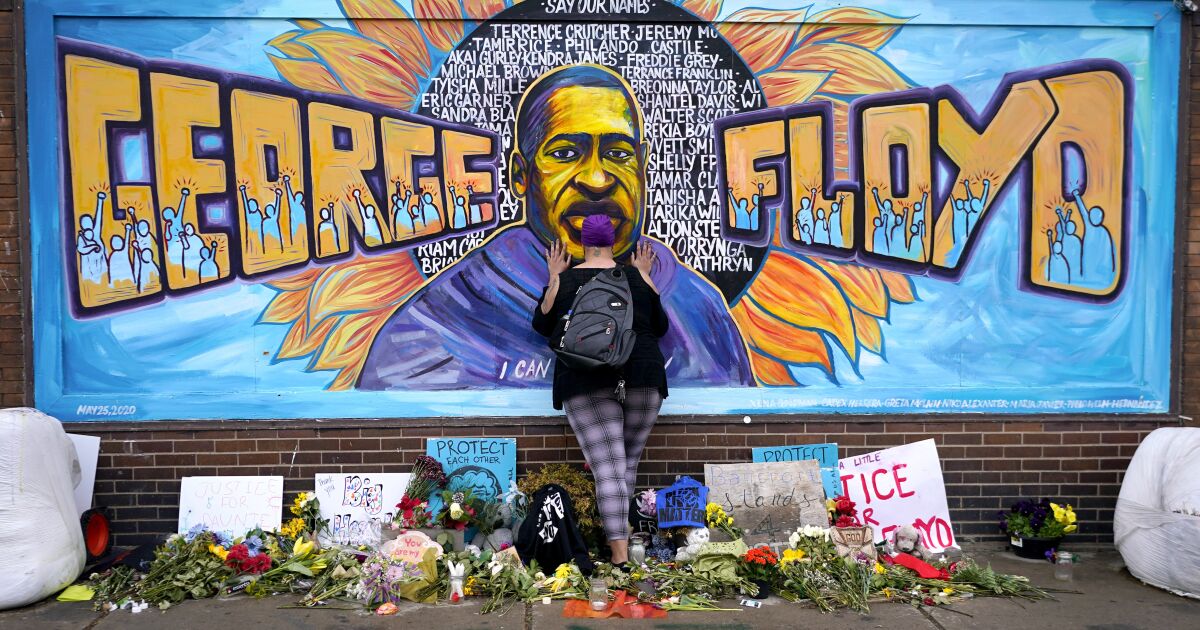
Two novels, “Demon Copperhead” and “Trust,” shared the Pulitzer Prize for fiction, while “His Name Is George Floyd” took home the nonfiction prize.

The winners and finalists for the 2023 Pulitzer Prizes in 23 categories across journalism and the arts were announced Monday afternoon via livestream, including authors of books in five categories — fiction, history, biography, poetry and general nonfiction.

Monday’s joint win by Barbara Kingsolver and Hernan Diaz is the first of its kind since the first fiction Putlizer was awarded in 1918 (then known as the novel category). Kingsolver’s “Demon Copperhead” recasts Charles Dickens’ “David Copperfield” as the story of a young boy living in rural Appalachia who encounters “poverty, addiction, institutional failures and moral collapse,” the Pulitzer committee wrote. “Trust” focuses on a financier who boosts his wealth during the stock market crash of 1929; the committee called the novel “a complex examination of love and power in a country where capitalism is king.” “The Immortal King Rao” by Vauhini Vara was a finalist for the 2023 award.

Robert Samuels and Toluse Olorunnipa’s “His Name Is George Floyd: One Man’s Life and the Struggle for Racial Justice,” won for nonfiction. The work delves deep into the life and ancestry of Floyd, who was murdered by Minneapolis police in 2020, revealing how racial inequities throughout history had shaped him.

In biography, the prize went to “G-Man: J. Edgar Hoover and the Making of the American Century,” Beverly Gage’s fresh close-up of the former longtime FBI director, which also won a 2022 L.A. Times Book Prize. New Yorker writer Hua Hsu’s personal coming-of-age story, “Stay True,” won for memoir, while Jefferson Cowie took home the history prize for “Freedom’s Dominion: A Saga of White Resistance to Federal Power.”

Hsu is the first winner in the new “Memoir or Autobiography” category, which the Pulitzer board added in June. Memoirs were previously submitted and judged within the biography category. But Marjorie Miller, administrator of the prizes, said the addition was made “at the urging of some nominating jurors.”

The poetry prize went to Carl Phillips for “Then the War: And Selected Poems, 2007-2020,” a collection that, according to the prize committee, “chronicles American culture as the country struggles to make sense of its politics, of life in the wake of a pandemic, and of our place in a changing global community.”

Journalism had a strong showing among the winning books: Samuels and Hsu both write for the New Yorker and Olorunnipa works for the Washington Post, of which Samuels is an alum.

In the reporting categories, the L.A. Times won two prizes, one for breaking news about a leaked secret audio recording that exposed racist comments from Los Angeles City Council members and another for feature photography — staff photographer Christina House’s feature on a young woman living unhoused in Hollywood.

See the complete list of finalists in the books categories below.

Fiction

“Demon Copperhead,” Barbara Kingsolver

“Trust,” Hernan Diaz

“The Immortal King Rao,” Vauhini Vara

History

“Freedom’s Dominion: A Saga of White Resistance to Federal Power,” Jefferson Cowie

“Seeing Red: Indigenous Land, American Expansion, and the Political Economy of Plunder in North America,” Michael John Witgen

“Watergate: A New History,” Garrett M. Graff

Biography

“G-Man: J. Edgar Hoover and the Making of the American Century,” Beverly Gage

“His Name Is George Floyd: One Man’s Life and the Struggle for Racial Justice,” Robert Samuels and Toluse Olorunnipa

“Mr. B: George Balanchine’s 20th Century,” Jennifer Homans

Memoir or Autobiography

“Stay True,” Hua Hsu

“Easy Beauty: A Memoir,” Chloé Cooper Jones

“The Man Who Could Move Clouds: A Memoir,” Ingrid Rojas Contreras

Poetry

“Then the War: And Selected Poems, 2007-2020,” Carl Phillips

“Blood Snow,” dg nanouk okpik

“Still Life,” Jay Hopler (posthumous)

General Nonfiction

“His Name Is George Floyd: One Man’s Life and the Struggle for Racial Justice,” Robert Samuels and Toluse Olorunnipa

“Kingdom of Characters: The Language Revolution That Made China Modern,” Jing Tsu

“Sounds Wild and Broken: Sonic Marvels, Evolution’s Creativity, and the Crisis of Sensory Extinction,” David George Haskell

“Under the Skin: The Hidden Toll of Racism on American Lives and on the Health of Our Nation,” Linda Villarosa

Two novels, “Demon Copperhead” and “Trust,” shared the Pulitzer Prize for fiction, while “His Name Is George Floyd” took home the nonfiction prize.

The winners and finalists for the 2023 Pulitzer Prizes in 23 categories across journalism and the arts were announced Monday afternoon via livestream, including authors of books in five categories — fiction, history, biography, poetry and general nonfiction.

Monday’s joint win by Barbara Kingsolver and Hernan Diaz is the first of its kind since the first fiction Putlizer was awarded in 1918 (then known as the novel category). Kingsolver’s “Demon Copperhead” recasts Charles Dickens’ “David Copperfield” as the story of a young boy living in rural Appalachia who encounters “poverty, addiction, institutional failures and moral collapse,” the Pulitzer committee wrote. “Trust” focuses on a financier who boosts his wealth during the stock market crash of 1929; the committee called the novel “a complex examination of love and power in a country where capitalism is king.” “The Immortal King Rao” by Vauhini Vara was a finalist for the 2023 award.

Robert Samuels and Toluse Olorunnipa’s “His Name Is George Floyd: One Man’s Life and the Struggle for Racial Justice,” won for nonfiction. The work delves deep into the life and ancestry of Floyd, who was murdered by Minneapolis police in 2020, revealing how racial inequities throughout history had shaped him.

In biography, the prize went to “G-Man: J. Edgar Hoover and the Making of the American Century,” Beverly Gage’s fresh close-up of the former longtime FBI director, which also won a 2022 L.A. Times Book Prize. New Yorker writer Hua Hsu’s personal coming-of-age story, “Stay True,” won for memoir, while Jefferson Cowie took home the history prize for “Freedom’s Dominion: A Saga of White Resistance to Federal Power.”

Hsu is the first winner in the new “Memoir or Autobiography” category, which the Pulitzer board added in June. Memoirs were previously submitted and judged within the biography category. But Marjorie Miller, administrator of the prizes, said the addition was made “at the urging of some nominating jurors.”

The poetry prize went to Carl Phillips for “Then the War: And Selected Poems, 2007-2020,” a collection that, according to the prize committee, “chronicles American culture as the country struggles to make sense of its politics, of life in the wake of a pandemic, and of our place in a changing global community.”

Journalism had a strong showing among the winning books: Samuels and Hsu both write for the New Yorker and Olorunnipa works for the Washington Post, of which Samuels is an alum.

In the reporting categories, the L.A. Times won two prizes, one for breaking news about a leaked secret audio recording that exposed racist comments from Los Angeles City Council members and another for feature photography — staff photographer Christina House’s feature on a young woman living unhoused in Hollywood.

See the complete list of finalists in the books categories below.

Fiction

“Demon Copperhead,” Barbara Kingsolver

“Trust,” Hernan Diaz

“The Immortal King Rao,” Vauhini Vara

History

“Freedom’s Dominion: A Saga of White Resistance to Federal Power,” Jefferson Cowie

“Seeing Red: Indigenous Land, American Expansion, and the Political Economy of Plunder in North America,” Michael John Witgen

“Watergate: A New History,” Garrett M. Graff

Biography

“G-Man: J. Edgar Hoover and the Making of the American Century,” Beverly Gage

“His Name Is George Floyd: One Man’s Life and the Struggle for Racial Justice,” Robert Samuels and Toluse Olorunnipa

“Mr. B: George Balanchine’s 20th Century,” Jennifer Homans

Memoir or Autobiography

“Stay True,” Hua Hsu

“Easy Beauty: A Memoir,” Chloé Cooper Jones

“The Man Who Could Move Clouds: A Memoir,” Ingrid Rojas Contreras

Poetry

“Then the War: And Selected Poems, 2007-2020,” Carl Phillips

“Blood Snow,” dg nanouk okpik

“Still Life,” Jay Hopler (posthumous)

General Nonfiction

“His Name Is George Floyd: One Man’s Life and the Struggle for Racial Justice,” Robert Samuels and Toluse Olorunnipa

“Kingdom of Characters: The Language Revolution That Made China Modern,” Jing Tsu

“Sounds Wild and Broken: Sonic Marvels, Evolution’s Creativity, and the Crisis of Sensory Extinction,” David George Haskell

“Under the Skin: The Hidden Toll of Racism on American Lives and on the Health of Our Nation,” Linda Villarosa

Two novels, “Demon Copperhead” and “Trust,” shared the Pulitzer Prize for fiction, while “His Name Is George Floyd” took home the nonfiction prize.

The winners and finalists for the 2023 Pulitzer Prizes in 23 categories across journalism and the arts were announced Monday afternoon via livestream, including authors of books in five categories — fiction, history, biography, poetry and general nonfiction.

Monday’s joint win by Barbara Kingsolver and Hernan Diaz is the first of its kind since the first fiction Putlizer was awarded in 1918 (then known as the novel category). Kingsolver’s “Demon Copperhead” recasts Charles Dickens’ “David Copperfield” as the story of a young boy living in rural Appalachia who encounters “poverty, addiction, institutional failures and moral collapse,” the Pulitzer committee wrote. “Trust” focuses on a financier who boosts his wealth during the stock market crash of 1929; the committee called the novel “a complex examination of love and power in a country where capitalism is king.” “The Immortal King Rao” by Vauhini Vara was a finalist for the 2023 award.

Robert Samuels and Toluse Olorunnipa’s “His Name Is George Floyd: One Man’s Life and the Struggle for Racial Justice,” won for nonfiction. The work delves deep into the life and ancestry of Floyd, who was murdered by Minneapolis police in 2020, revealing how racial inequities throughout history had shaped him.

In biography, the prize went to “G-Man: J. Edgar Hoover and the Making of the American Century,” Beverly Gage’s fresh close-up of the former longtime FBI director, which also won a 2022 L.A. Times Book Prize. New Yorker writer Hua Hsu’s personal coming-of-age story, “Stay True,” won for memoir, while Jefferson Cowie took home the history prize for “Freedom’s Dominion: A Saga of White Resistance to Federal Power.”

Hsu is the first winner in the new “Memoir or Autobiography” category, which the Pulitzer board added in June. Memoirs were previously submitted and judged within the biography category. But Marjorie Miller, administrator of the prizes, said the addition was made “at the urging of some nominating jurors.”

The poetry prize went to Carl Phillips for “Then the War: And Selected Poems, 2007-2020,” a collection that, according to the prize committee, “chronicles American culture as the country struggles to make sense of its politics, of life in the wake of a pandemic, and of our place in a changing global community.”

Journalism had a strong showing among the winning books: Samuels and Hsu both write for the New Yorker and Olorunnipa works for the Washington Post, of which Samuels is an alum.

In the reporting categories, the L.A. Times won two prizes, one for breaking news about a leaked secret audio recording that exposed racist comments from Los Angeles City Council members and another for feature photography — staff photographer Christina House’s feature on a young woman living unhoused in Hollywood.

See the complete list of finalists in the books categories below.

Fiction

“Demon Copperhead,” Barbara Kingsolver

“Trust,” Hernan Diaz

“The Immortal King Rao,” Vauhini Vara

History

“Freedom’s Dominion: A Saga of White Resistance to Federal Power,” Jefferson Cowie

“Seeing Red: Indigenous Land, American Expansion, and the Political Economy of Plunder in North America,” Michael John Witgen

“Watergate: A New History,” Garrett M. Graff

Biography

“G-Man: J. Edgar Hoover and the Making of the American Century,” Beverly Gage

“His Name Is George Floyd: One Man’s Life and the Struggle for Racial Justice,” Robert Samuels and Toluse Olorunnipa

“Mr. B: George Balanchine’s 20th Century,” Jennifer Homans

Memoir or Autobiography

“Stay True,” Hua Hsu

“Easy Beauty: A Memoir,” Chloé Cooper Jones

“The Man Who Could Move Clouds: A Memoir,” Ingrid Rojas Contreras

Poetry

“Then the War: And Selected Poems, 2007-2020,” Carl Phillips

“Blood Snow,” dg nanouk okpik

“Still Life,” Jay Hopler (posthumous)

General Nonfiction

“His Name Is George Floyd: One Man’s Life and the Struggle for Racial Justice,” Robert Samuels and Toluse Olorunnipa

“Kingdom of Characters: The Language Revolution That Made China Modern,” Jing Tsu

“Sounds Wild and Broken: Sonic Marvels, Evolution’s Creativity, and the Crisis of Sensory Extinction,” David George Haskell

“Under the Skin: The Hidden Toll of Racism on American Lives and on the Health of Our Nation,” Linda Villarosa

Two novels, “Demon Copperhead” and “Trust,” shared the Pulitzer Prize for fiction, while “His Name Is George Floyd” took home the nonfiction prize.

The winners and finalists for the 2023 Pulitzer Prizes in 23 categories across journalism and the arts were announced Monday afternoon via livestream, including authors of books in five categories — fiction, history, biography, poetry and general nonfiction.

Monday’s joint win by Barbara Kingsolver and Hernan Diaz is the first of its kind since the first fiction Putlizer was awarded in 1918 (then known as the novel category). Kingsolver’s “Demon Copperhead” recasts Charles Dickens’ “David Copperfield” as the story of a young boy living in rural Appalachia who encounters “poverty, addiction, institutional failures and moral collapse,” the Pulitzer committee wrote. “Trust” focuses on a financier who boosts his wealth during the stock market crash of 1929; the committee called the novel “a complex examination of love and power in a country where capitalism is king.” “The Immortal King Rao” by Vauhini Vara was a finalist for the 2023 award.

Robert Samuels and Toluse Olorunnipa’s “His Name Is George Floyd: One Man’s Life and the Struggle for Racial Justice,” won for nonfiction. The work delves deep into the life and ancestry of Floyd, who was murdered by Minneapolis police in 2020, revealing how racial inequities throughout history had shaped him.

In biography, the prize went to “G-Man: J. Edgar Hoover and the Making of the American Century,” Beverly Gage’s fresh close-up of the former longtime FBI director, which also won a 2022 L.A. Times Book Prize. New Yorker writer Hua Hsu’s personal coming-of-age story, “Stay True,” won for memoir, while Jefferson Cowie took home the history prize for “Freedom’s Dominion: A Saga of White Resistance to Federal Power.”

Hsu is the first winner in the new “Memoir or Autobiography” category, which the Pulitzer board added in June. Memoirs were previously submitted and judged within the biography category. But Marjorie Miller, administrator of the prizes, said the addition was made “at the urging of some nominating jurors.”

The poetry prize went to Carl Phillips for “Then the War: And Selected Poems, 2007-2020,” a collection that, according to the prize committee, “chronicles American culture as the country struggles to make sense of its politics, of life in the wake of a pandemic, and of our place in a changing global community.”

Journalism had a strong showing among the winning books: Samuels and Hsu both write for the New Yorker and Olorunnipa works for the Washington Post, of which Samuels is an alum.

In the reporting categories, the L.A. Times won two prizes, one for breaking news about a leaked secret audio recording that exposed racist comments from Los Angeles City Council members and another for feature photography — staff photographer Christina House’s feature on a young woman living unhoused in Hollywood.

See the complete list of finalists in the books categories below.

Fiction

“Demon Copperhead,” Barbara Kingsolver

“Trust,” Hernan Diaz

“The Immortal King Rao,” Vauhini Vara

History

“Freedom’s Dominion: A Saga of White Resistance to Federal Power,” Jefferson Cowie

“Seeing Red: Indigenous Land, American Expansion, and the Political Economy of Plunder in North America,” Michael John Witgen

“Watergate: A New History,” Garrett M. Graff

Biography

“G-Man: J. Edgar Hoover and the Making of the American Century,” Beverly Gage

“His Name Is George Floyd: One Man’s Life and the Struggle for Racial Justice,” Robert Samuels and Toluse Olorunnipa

“Mr. B: George Balanchine’s 20th Century,” Jennifer Homans

Memoir or Autobiography

“Stay True,” Hua Hsu

“Easy Beauty: A Memoir,” Chloé Cooper Jones

“The Man Who Could Move Clouds: A Memoir,” Ingrid Rojas Contreras

Poetry

“Then the War: And Selected Poems, 2007-2020,” Carl Phillips

“Blood Snow,” dg nanouk okpik

“Still Life,” Jay Hopler (posthumous)

General Nonfiction

“His Name Is George Floyd: One Man’s Life and the Struggle for Racial Justice,” Robert Samuels and Toluse Olorunnipa

“Kingdom of Characters: The Language Revolution That Made China Modern,” Jing Tsu

“Sounds Wild and Broken: Sonic Marvels, Evolution’s Creativity, and the Crisis of Sensory Extinction,” David George Haskell

“Under the Skin: The Hidden Toll of Racism on American Lives and on the Health of Our Nation,” Linda Villarosa

Two novels, “Demon Copperhead” and “Trust,” shared the Pulitzer Prize for fiction, while “His Name Is George Floyd” took home the nonfiction prize.

The winners and finalists for the 2023 Pulitzer Prizes in 23 categories across journalism and the arts were announced Monday afternoon via livestream, including authors of books in five categories — fiction, history, biography, poetry and general nonfiction.

Monday’s joint win by Barbara Kingsolver and Hernan Diaz is the first of its kind since the first fiction Putlizer was awarded in 1918 (then known as the novel category). Kingsolver’s “Demon Copperhead” recasts Charles Dickens’ “David Copperfield” as the story of a young boy living in rural Appalachia who encounters “poverty, addiction, institutional failures and moral collapse,” the Pulitzer committee wrote. “Trust” focuses on a financier who boosts his wealth during the stock market crash of 1929; the committee called the novel “a complex examination of love and power in a country where capitalism is king.” “The Immortal King Rao” by Vauhini Vara was a finalist for the 2023 award.

Robert Samuels and Toluse Olorunnipa’s “His Name Is George Floyd: One Man’s Life and the Struggle for Racial Justice,” won for nonfiction. The work delves deep into the life and ancestry of Floyd, who was murdered by Minneapolis police in 2020, revealing how racial inequities throughout history had shaped him.

In biography, the prize went to “G-Man: J. Edgar Hoover and the Making of the American Century,” Beverly Gage’s fresh close-up of the former longtime FBI director, which also won a 2022 L.A. Times Book Prize. New Yorker writer Hua Hsu’s personal coming-of-age story, “Stay True,” won for memoir, while Jefferson Cowie took home the history prize for “Freedom’s Dominion: A Saga of White Resistance to Federal Power.”

Hsu is the first winner in the new “Memoir or Autobiography” category, which the Pulitzer board added in June. Memoirs were previously submitted and judged within the biography category. But Marjorie Miller, administrator of the prizes, said the addition was made “at the urging of some nominating jurors.”

The poetry prize went to Carl Phillips for “Then the War: And Selected Poems, 2007-2020,” a collection that, according to the prize committee, “chronicles American culture as the country struggles to make sense of its politics, of life in the wake of a pandemic, and of our place in a changing global community.”

Journalism had a strong showing among the winning books: Samuels and Hsu both write for the New Yorker and Olorunnipa works for the Washington Post, of which Samuels is an alum.

In the reporting categories, the L.A. Times won two prizes, one for breaking news about a leaked secret audio recording that exposed racist comments from Los Angeles City Council members and another for feature photography — staff photographer Christina House’s feature on a young woman living unhoused in Hollywood.

See the complete list of finalists in the books categories below.

Fiction

“Demon Copperhead,” Barbara Kingsolver

“Trust,” Hernan Diaz

“The Immortal King Rao,” Vauhini Vara

History

“Freedom’s Dominion: A Saga of White Resistance to Federal Power,” Jefferson Cowie

“Seeing Red: Indigenous Land, American Expansion, and the Political Economy of Plunder in North America,” Michael John Witgen

“Watergate: A New History,” Garrett M. Graff

Biography

“G-Man: J. Edgar Hoover and the Making of the American Century,” Beverly Gage

“His Name Is George Floyd: One Man’s Life and the Struggle for Racial Justice,” Robert Samuels and Toluse Olorunnipa

“Mr. B: George Balanchine’s 20th Century,” Jennifer Homans

Memoir or Autobiography

“Stay True,” Hua Hsu

“Easy Beauty: A Memoir,” Chloé Cooper Jones

“The Man Who Could Move Clouds: A Memoir,” Ingrid Rojas Contreras

Poetry

“Then the War: And Selected Poems, 2007-2020,” Carl Phillips

“Blood Snow,” dg nanouk okpik

“Still Life,” Jay Hopler (posthumous)

General Nonfiction

“His Name Is George Floyd: One Man’s Life and the Struggle for Racial Justice,” Robert Samuels and Toluse Olorunnipa

“Kingdom of Characters: The Language Revolution That Made China Modern,” Jing Tsu

“Sounds Wild and Broken: Sonic Marvels, Evolution’s Creativity, and the Crisis of Sensory Extinction,” David George Haskell

“Under the Skin: The Hidden Toll of Racism on American Lives and on the Health of Our Nation,” Linda Villarosa

Two novels, “Demon Copperhead” and “Trust,” shared the Pulitzer Prize for fiction, while “His Name Is George Floyd” took home the nonfiction prize.

The winners and finalists for the 2023 Pulitzer Prizes in 23 categories across journalism and the arts were announced Monday afternoon via livestream, including authors of books in five categories — fiction, history, biography, poetry and general nonfiction.

Monday’s joint win by Barbara Kingsolver and Hernan Diaz is the first of its kind since the first fiction Putlizer was awarded in 1918 (then known as the novel category). Kingsolver’s “Demon Copperhead” recasts Charles Dickens’ “David Copperfield” as the story of a young boy living in rural Appalachia who encounters “poverty, addiction, institutional failures and moral collapse,” the Pulitzer committee wrote. “Trust” focuses on a financier who boosts his wealth during the stock market crash of 1929; the committee called the novel “a complex examination of love and power in a country where capitalism is king.” “The Immortal King Rao” by Vauhini Vara was a finalist for the 2023 award.

Robert Samuels and Toluse Olorunnipa’s “His Name Is George Floyd: One Man’s Life and the Struggle for Racial Justice,” won for nonfiction. The work delves deep into the life and ancestry of Floyd, who was murdered by Minneapolis police in 2020, revealing how racial inequities throughout history had shaped him.

In biography, the prize went to “G-Man: J. Edgar Hoover and the Making of the American Century,” Beverly Gage’s fresh close-up of the former longtime FBI director, which also won a 2022 L.A. Times Book Prize. New Yorker writer Hua Hsu’s personal coming-of-age story, “Stay True,” won for memoir, while Jefferson Cowie took home the history prize for “Freedom’s Dominion: A Saga of White Resistance to Federal Power.”

Hsu is the first winner in the new “Memoir or Autobiography” category, which the Pulitzer board added in June. Memoirs were previously submitted and judged within the biography category. But Marjorie Miller, administrator of the prizes, said the addition was made “at the urging of some nominating jurors.”

The poetry prize went to Carl Phillips for “Then the War: And Selected Poems, 2007-2020,” a collection that, according to the prize committee, “chronicles American culture as the country struggles to make sense of its politics, of life in the wake of a pandemic, and of our place in a changing global community.”

Journalism had a strong showing among the winning books: Samuels and Hsu both write for the New Yorker and Olorunnipa works for the Washington Post, of which Samuels is an alum.

In the reporting categories, the L.A. Times won two prizes, one for breaking news about a leaked secret audio recording that exposed racist comments from Los Angeles City Council members and another for feature photography — staff photographer Christina House’s feature on a young woman living unhoused in Hollywood.

See the complete list of finalists in the books categories below.

Fiction

“Demon Copperhead,” Barbara Kingsolver

“Trust,” Hernan Diaz

“The Immortal King Rao,” Vauhini Vara

History

“Freedom’s Dominion: A Saga of White Resistance to Federal Power,” Jefferson Cowie

“Seeing Red: Indigenous Land, American Expansion, and the Political Economy of Plunder in North America,” Michael John Witgen

“Watergate: A New History,” Garrett M. Graff

Biography

“G-Man: J. Edgar Hoover and the Making of the American Century,” Beverly Gage

“His Name Is George Floyd: One Man’s Life and the Struggle for Racial Justice,” Robert Samuels and Toluse Olorunnipa

“Mr. B: George Balanchine’s 20th Century,” Jennifer Homans

Memoir or Autobiography

“Stay True,” Hua Hsu

“Easy Beauty: A Memoir,” Chloé Cooper Jones

“The Man Who Could Move Clouds: A Memoir,” Ingrid Rojas Contreras

Poetry

“Then the War: And Selected Poems, 2007-2020,” Carl Phillips

“Blood Snow,” dg nanouk okpik

“Still Life,” Jay Hopler (posthumous)

General Nonfiction

“His Name Is George Floyd: One Man’s Life and the Struggle for Racial Justice,” Robert Samuels and Toluse Olorunnipa

“Kingdom of Characters: The Language Revolution That Made China Modern,” Jing Tsu

“Sounds Wild and Broken: Sonic Marvels, Evolution’s Creativity, and the Crisis of Sensory Extinction,” David George Haskell

“Under the Skin: The Hidden Toll of Racism on American Lives and on the Health of Our Nation,” Linda Villarosa

Two novels, “Demon Copperhead” and “Trust,” shared the Pulitzer Prize for fiction, while “His Name Is George Floyd” took home the nonfiction prize.

The winners and finalists for the 2023 Pulitzer Prizes in 23 categories across journalism and the arts were announced Monday afternoon via livestream, including authors of books in five categories — fiction, history, biography, poetry and general nonfiction.

Monday’s joint win by Barbara Kingsolver and Hernan Diaz is the first of its kind since the first fiction Putlizer was awarded in 1918 (then known as the novel category). Kingsolver’s “Demon Copperhead” recasts Charles Dickens’ “David Copperfield” as the story of a young boy living in rural Appalachia who encounters “poverty, addiction, institutional failures and moral collapse,” the Pulitzer committee wrote. “Trust” focuses on a financier who boosts his wealth during the stock market crash of 1929; the committee called the novel “a complex examination of love and power in a country where capitalism is king.” “The Immortal King Rao” by Vauhini Vara was a finalist for the 2023 award.

Robert Samuels and Toluse Olorunnipa’s “His Name Is George Floyd: One Man’s Life and the Struggle for Racial Justice,” won for nonfiction. The work delves deep into the life and ancestry of Floyd, who was murdered by Minneapolis police in 2020, revealing how racial inequities throughout history had shaped him.

In biography, the prize went to “G-Man: J. Edgar Hoover and the Making of the American Century,” Beverly Gage’s fresh close-up of the former longtime FBI director, which also won a 2022 L.A. Times Book Prize. New Yorker writer Hua Hsu’s personal coming-of-age story, “Stay True,” won for memoir, while Jefferson Cowie took home the history prize for “Freedom’s Dominion: A Saga of White Resistance to Federal Power.”

Hsu is the first winner in the new “Memoir or Autobiography” category, which the Pulitzer board added in June. Memoirs were previously submitted and judged within the biography category. But Marjorie Miller, administrator of the prizes, said the addition was made “at the urging of some nominating jurors.”

The poetry prize went to Carl Phillips for “Then the War: And Selected Poems, 2007-2020,” a collection that, according to the prize committee, “chronicles American culture as the country struggles to make sense of its politics, of life in the wake of a pandemic, and of our place in a changing global community.”

Journalism had a strong showing among the winning books: Samuels and Hsu both write for the New Yorker and Olorunnipa works for the Washington Post, of which Samuels is an alum.

In the reporting categories, the L.A. Times won two prizes, one for breaking news about a leaked secret audio recording that exposed racist comments from Los Angeles City Council members and another for feature photography — staff photographer Christina House’s feature on a young woman living unhoused in Hollywood.

See the complete list of finalists in the books categories below.

Fiction

“Demon Copperhead,” Barbara Kingsolver

“Trust,” Hernan Diaz

“The Immortal King Rao,” Vauhini Vara

History

“Freedom’s Dominion: A Saga of White Resistance to Federal Power,” Jefferson Cowie

“Seeing Red: Indigenous Land, American Expansion, and the Political Economy of Plunder in North America,” Michael John Witgen

“Watergate: A New History,” Garrett M. Graff

Biography

“G-Man: J. Edgar Hoover and the Making of the American Century,” Beverly Gage

“His Name Is George Floyd: One Man’s Life and the Struggle for Racial Justice,” Robert Samuels and Toluse Olorunnipa

“Mr. B: George Balanchine’s 20th Century,” Jennifer Homans

Memoir or Autobiography

“Stay True,” Hua Hsu

“Easy Beauty: A Memoir,” Chloé Cooper Jones

“The Man Who Could Move Clouds: A Memoir,” Ingrid Rojas Contreras

Poetry

“Then the War: And Selected Poems, 2007-2020,” Carl Phillips

“Blood Snow,” dg nanouk okpik

“Still Life,” Jay Hopler (posthumous)

General Nonfiction

“His Name Is George Floyd: One Man’s Life and the Struggle for Racial Justice,” Robert Samuels and Toluse Olorunnipa

“Kingdom of Characters: The Language Revolution That Made China Modern,” Jing Tsu

“Sounds Wild and Broken: Sonic Marvels, Evolution’s Creativity, and the Crisis of Sensory Extinction,” David George Haskell

“Under the Skin: The Hidden Toll of Racism on American Lives and on the Health of Our Nation,” Linda Villarosa

Two novels, “Demon Copperhead” and “Trust,” shared the Pulitzer Prize for fiction, while “His Name Is George Floyd” took home the nonfiction prize.

The winners and finalists for the 2023 Pulitzer Prizes in 23 categories across journalism and the arts were announced Monday afternoon via livestream, including authors of books in five categories — fiction, history, biography, poetry and general nonfiction.

Monday’s joint win by Barbara Kingsolver and Hernan Diaz is the first of its kind since the first fiction Putlizer was awarded in 1918 (then known as the novel category). Kingsolver’s “Demon Copperhead” recasts Charles Dickens’ “David Copperfield” as the story of a young boy living in rural Appalachia who encounters “poverty, addiction, institutional failures and moral collapse,” the Pulitzer committee wrote. “Trust” focuses on a financier who boosts his wealth during the stock market crash of 1929; the committee called the novel “a complex examination of love and power in a country where capitalism is king.” “The Immortal King Rao” by Vauhini Vara was a finalist for the 2023 award.

Robert Samuels and Toluse Olorunnipa’s “His Name Is George Floyd: One Man’s Life and the Struggle for Racial Justice,” won for nonfiction. The work delves deep into the life and ancestry of Floyd, who was murdered by Minneapolis police in 2020, revealing how racial inequities throughout history had shaped him.

In biography, the prize went to “G-Man: J. Edgar Hoover and the Making of the American Century,” Beverly Gage’s fresh close-up of the former longtime FBI director, which also won a 2022 L.A. Times Book Prize. New Yorker writer Hua Hsu’s personal coming-of-age story, “Stay True,” won for memoir, while Jefferson Cowie took home the history prize for “Freedom’s Dominion: A Saga of White Resistance to Federal Power.”

Hsu is the first winner in the new “Memoir or Autobiography” category, which the Pulitzer board added in June. Memoirs were previously submitted and judged within the biography category. But Marjorie Miller, administrator of the prizes, said the addition was made “at the urging of some nominating jurors.”

The poetry prize went to Carl Phillips for “Then the War: And Selected Poems, 2007-2020,” a collection that, according to the prize committee, “chronicles American culture as the country struggles to make sense of its politics, of life in the wake of a pandemic, and of our place in a changing global community.”

Journalism had a strong showing among the winning books: Samuels and Hsu both write for the New Yorker and Olorunnipa works for the Washington Post, of which Samuels is an alum.

In the reporting categories, the L.A. Times won two prizes, one for breaking news about a leaked secret audio recording that exposed racist comments from Los Angeles City Council members and another for feature photography — staff photographer Christina House’s feature on a young woman living unhoused in Hollywood.

See the complete list of finalists in the books categories below.

Fiction

“Demon Copperhead,” Barbara Kingsolver

“Trust,” Hernan Diaz

“The Immortal King Rao,” Vauhini Vara

History

“Freedom’s Dominion: A Saga of White Resistance to Federal Power,” Jefferson Cowie

“Seeing Red: Indigenous Land, American Expansion, and the Political Economy of Plunder in North America,” Michael John Witgen

“Watergate: A New History,” Garrett M. Graff

Biography

“G-Man: J. Edgar Hoover and the Making of the American Century,” Beverly Gage

“His Name Is George Floyd: One Man’s Life and the Struggle for Racial Justice,” Robert Samuels and Toluse Olorunnipa

“Mr. B: George Balanchine’s 20th Century,” Jennifer Homans

Memoir or Autobiography

“Stay True,” Hua Hsu

“Easy Beauty: A Memoir,” Chloé Cooper Jones

“The Man Who Could Move Clouds: A Memoir,” Ingrid Rojas Contreras

Poetry

“Then the War: And Selected Poems, 2007-2020,” Carl Phillips

“Blood Snow,” dg nanouk okpik

“Still Life,” Jay Hopler (posthumous)

General Nonfiction

“His Name Is George Floyd: One Man’s Life and the Struggle for Racial Justice,” Robert Samuels and Toluse Olorunnipa

“Kingdom of Characters: The Language Revolution That Made China Modern,” Jing Tsu

“Sounds Wild and Broken: Sonic Marvels, Evolution’s Creativity, and the Crisis of Sensory Extinction,” David George Haskell

“Under the Skin: The Hidden Toll of Racism on American Lives and on the Health of Our Nation,” Linda Villarosa

Leave a Reply Cancel reply

Your email address will not be published. Required fields are marked *

Recommended

Why Biden, Clinton classified documents cases differ from Trump’s

3 years ago

SEO: Artichokes are in season. Here’s how to stuff them the easy way

3 years ago

Reiner family tragedy sheds light on pain of families grappling with addiction

4 months ago

Arab states reticent as Blinken pushes postwar plan for Gaza

2 years ago
Yonkers Observer

© 2025 Yonkers Observer or its affiliated companies.

Navigate Site

  • About
  • Advertise
  • Terms & Conditions
  • Privacy Policy
  • Disclaimer
  • Contact

Follow Us

No Result
View All Result
  • Home
  • World
  • Politics
  • Finance
  • Technology
  • Health
  • Culture
  • Entertainment
  • Trend

© 2025 Yonkers Observer or its affiliated companies.

Welcome Back!

Login to your account below

Forgotten Password?

Retrieve your password

Please enter your username or email address to reset your password.

Log In